The common spices for Jollof rice that create its complex flavor profile include thyme, curry powder, paprika, bouillon cubes, chili peppers, ginger, garlic and bay leaves. When combined together and cooked in a tomato-based sauce, these spices infuse the rice with a depth of flavor that the iconic dish is known for.
Known as the king of West African dishes, Jollof rice is a deliciously spicy and aromatic one-pot meal that is beloved across the region. This flavorful rice dish gets its signature taste from the meticulous blending of various spices and seasonings.
Jollof rice is considered by many to be the national dish of Western African countries like Nigeria, Ghana, Senegal and more. It is a celebratory meal often served at parties and special events. Over the years, the dish has spread to other parts of the world and has been adapted to local tastes and ingredients. However, at its core, spices are what truly characterizes Jollof rice and sets it apart from other rice dishes.
The base of Jollof rice begins with building flavor in the tomato sauce. Onions, tomatoes and peppers are sautéed to create a thick, aromatic sauce. Then, the spice blending begins.
Jollof Rice
Which Spices Are Best for Jollof Rice?
Here are some of the most essential spices for Jollof Rice:
Thyme
One of the signature spices used in Jollof rice is thyme. This aromatic herb has an earthy, woodsy flavor that brings warmth to the dish. Thyme enhances the flavor of the tomatoes and infuses the rice with its minty, citrusy notes.
Originating from the Mediterranean, thyme was likely brought to West Africa by Portuguese traders and has since become a staple in African cuisine. A sprinkling of dried thyme or using fresh thyme sprigs at the start when sautéing the aromatics helps develop a flavorful base for the rice.
Image Credit: Facebook
Curry Powder
Another distinguishing spice blend in Jollof rice is curry powder. Curry powder adds a rich, layered warmth and vibrancy to the dish. Typical curry powder contains a mixture of up to 20 different ground spices like turmeric, coriander, cumin, fenugreek, ginger, and chili peppers.
This complex blend adds earthy, nutty and subtly sweet flavors to balance the heat. Curry powder can vary in spiciness, so the amount used can be adjusted to preference. Blooming the curry powder briefly in oil helps intensify its flavor before adding to the tomato sauce.
Paprika
Paprika is another spice that adds flavor, aroma and a signature reddish-orange color to Jollof rice. Made from ground dried peppers, paprika has a sweet, smoky taste with minimal heat.
The combination of paprika and tomatoes gives the sauce a rich depth and vibrancy. Spanish paprika is commonly used in Jollof rice for its robust flavor. Smokey paprika can also be used for another flavor dimension.
Paprika Powder
Chili Peppers
The hallmark of Jollof rice is its spicy heat, which comes from chili peppers. Common types used include cayenne, African bird’s eye chili and scotch bonnet peppers. These small but fiery hot peppers pack a powerful punch of heat and spice to the dish.
Chopped peppers are added to the tomato sauce or used whole and then removed before serving to allow the flavor to permeate the rice. The amount and type of chili peppers can be adjusted based on the desired spiciness.
Ginger and Garlic
No Jollof rice would be complete without the aromatic duo of ginger and garlic. Known as the “holy trinity” of West African cooking, these two ingredients form the flavor base of many dishes.
When sautéed in oil at the start, the ginger adds a little heat while the garlic provides an earthy sweetness. Together they infuse the tomato sauce with a wonderful depth of flavor. Grated fresh ginger and minced garlic is commonly used, but dried ground versions also work.
Bay Leaves
Another aromatic spice used to flavor Jollof rice is bay leaves. These dried leaves have an herbal, slightly minty and bitter taste. As bay leaves simmer in the sauce, they release their unique flavor compounds. Whole bay leaves are added to the pot then removed before serving. Just a few leaves are needed to impart their essence without overpowering.
Bouillon Cubes/Stock
Bouillon cubes or stock are often used when making the tomato sauce for Jollof rice. Bouillon cubes are compressed, dried seasoned broth cubes. When dissolved in the sauce, they add rich, savory meaty flavor.
Chicken or beef bouillon cubes are commonly used. Vegetable or fish-based broths also work for vegetarian/pescatarian diets. The stock adds a wonderful umami depth and saltiness that boosts overall flavor.
These represent the most vital spices used to create the authentic, aromatic Jollof rice. However, the list of spices can be further expanded based on personal taste and regional variations. Other optional spices like nutmeg, and cardamom can also be added to put a unique stamp on the dish.
When combining the spices, balanced proportions are key to creating the perfect flavor blend. The tomatoes, onions and aromatics like garlic and ginger should form the base. Spices like thyme, curry powder and paprika add the next layer. Finally, heat from chili peppers and depth from bouillon ties everything together.
Image from HealthierSteps
Preparing the spices properly also ensures they infuse the rice with maximum flavor. Blooming dried spices briefly in oil activates their essential oils and intensifies their taste. Toasting ground spices does the same. Whole spices and herbs release more flavor when simmered in the sauce then removed later. Getting the technique right along with the balance of flavors is what makes Jollof rice such a flavor-packed dish.
The exact measurements for each spice can vary depending on the recipe. But here are some general guidelines on the proportions to use as a starting point:
2-3 tablespoons thyme
1-2 tablespoons curry powder
1-2 teaspoons paprika
1-3 fresh chili peppers, seeded and chopped, or dried crushed chili to taste
1-2 tablespoons grated fresh ginger
3-5 cloves garlic, minced
2-3 bay leaves
Small pinch of ground cloves
2 bouillon cubes or 1-2 cups stock
These amounts can be adjusted based on personal preference and tolerance for heat. The beauty of Jollof rice is experimenting with different spice combinations to put your own signature touch on this classic dish.
It takes the right combination of spices cooked to perfection to achieve Jollof rice’s quintessential flavor. By layering the aromatic spices into the tomato-based sauce and letting the rice slowly absorb those flavors, the result is a dish that is far greater than the sum of its parts.
The spices meld together to create a symphony of flavors that dances on the palate. Each grain of rice is infused with savory, spicy and enticing aromas that make Jollof rice a sensory experience.
Beyond its great taste, the spices in Jollof rice provide added health benefits. Tomatoes, garlic, ginger and chili peppers contain antioxidants and compounds that can boost immunity and reduce inflammation.
Spices like cloves, turmeric and bay leaves have been used traditionally for their medicinal properties. So every flavorful bite of Jollof rice also delivers nutritional value.
As the popularity of Jollof rice continues to spread, people can experience a taste of West Africa without leaving their kitchens. With its complex flavors and tempting aromas, Jollof rice brings people together over a shared love of food. The care and tradition that goes into selecting the spices give this iconic dish its soul. Whip up a batch using these essential spices and enjoy a mouthwatering journey to the heart of West African cuisine.
Funge, also known as fufu, funje, mfundi, and many other names depending on the region, is a staple side dish in many parts of Africa. This creamy, starchy porridge is often served alongside flavorful stews, meats, or vegetables to provide a bland, smooth contrast to the stronger flavors. While it may look unassuming, funge is an essential part of the diet for millions of people.
Funge – A Staple Side Dish
Funge is commonly made from cassava, also known as manioc or yuca. The long, tapered cassava root is a staple crop in tropical regions of Africa, Asia, and Latin America. After harvesting, the roots are peeled, chopped, and dried to make cassava flour.
When cassava flour is mixed with hot water and stirred, it releases starch and takes on a thick, gluey texture. This sticky result is funge! It’s smooth, stretchy, and has a neutral taste.
Funge goes by many different regional names. In Angola, it is funge or funji. In Ghana, it is also called fufu or akple. Congolese call it fufu or ugali. There are many other names depending on the language.
No matter what you call it, funge is a beloved side dish. It is served alongside flavorful soups, meats, fish, eggs, vegetables, and other dishes. The plain flavor and sticky texture helps sop up sauces and provides contrast to stronger tastes.
Funge is often eaten with the fingers. Small pieces are rolled into balls and dipped into accompanying dishes. It also can be eaten with a spoon when part of a sauce or stew.
Image Credit: WordPress
Cultural Significance
This humble porridge holds an important place in African cuisine. It has been a dietary staple for centuries in many cultures.
Making funge is labor intensive and requires physical effort to stir and pound the dough. Traditionally, women devote significant time to preparing funge for their families. Serving it demonstrates love and care for one’s household.
Eating from the same bowl of funge is also seen as a symbol of community and kinship. Gathering together for a shared meal brings people closer.
Funge is part of everyday life, special gatherings, holidays, and ceremonies. No birthday, funeral, wedding, or celebration is complete without a pot of this nurturing porridge. It provides not just physical nourishment, but emotional comfort.
Simple Ingredients
While funge recipes vary across regions, the basics are simple. Traditional funge requires just two main ingredients:
Cassava Flour: This starchy flour is made from dried and ground cassava root. It has a neutral flavor and fine texture. Depending on the grind, it can range from smooth flour to small granules.
Water: Funge is made by mixing cassava flour with hot water. The boiling water causes the starch to swell and gelatinize, creating a smooth, stretchy texture.
Some recipes also include optional ingredients to add flavor, texture, or nutrition:
Butter or oil for added moisture and richness
Salt, spices, or peppers for extra flavor
Vegetables like spinach or pumpkin for color and nutrition
Milk or coconut milk for a creamy taste.
Cooking Process
Making funge is a simple process, though it requires time and patience. Here is an overview of the basic steps:
Boil water: Bring several cups of water to a rapid boil. The amount of water depends on the amount of flour used.
Slowly add flour: As the water boils, slowly add cassava flour while continuously stirring. Add just enough flour so the mixture is thick but still runny.
Stir vigorously: Stir and mash the mixture vigorously for 5-15 minutes to release the starch. At first, it will be gritty, then become smooth and elastic.
Rest: Cover the pot and allow the funge to rest for 5-10 minutes. This lets the starch fully absorb the water.
Knead: Uncover and knead the funge briefly until smooth, then form into balls or a loaf.
Serve: Funge can be served warm, at room temperature, or cooled. Enjoy it with favorite soups, stews, vegetables, or proteins.
The process takes time and arm strength! But the result is a smooth, sticky porridge perfect for soaking up delicious flavors.
balls or a loaf. Serve warm with desired sauces, stews or proteins. Enjoy!
The funge will keep in the fridge for 4-5 days. Reheat portions as needed in microwave or pan with a bit of water.
Regional Variations
While cassava is the most common base, funge also varies across regions of Africa. Here are a few examples:
In West Africa, funge is often made from yams or plantains instead of cassava. The yam blocks are boiled and pounded into a stretchy paste.
Nigerian fufu is boiled and then pounded with a mortar and pestle until it forms a mound. A labor intensive process!
Ugandan matoke is made with green bananas. The bananas are boiled, mashed, and often mixed with peas.
Kenyan Ugali uses finely ground maize meal instead of cassava flour. It has a thicker texture.
Zambian nshima also relies on maize meal. It is cooked into a porridge then formed into balls.
Tips for Enjoying Funge
If you’re new to eating funge, it can take some getting used to. Here are some tips:
Funge is bland on its own. Always enjoy it with flavorful sauces, meats, vegetables or stews.
Don’t be afraid of the stretchy texture! It’s meant to be sticky.
Knead the funge well and let it rest so it reaches the desired smooth, elastic texture.
For firmer funge, allow it to cool slightly before serving. It will harden as it rests.
Use the right consistency sauce. Thin broths easily slide off funge. Thick stews work best to coat and flavor it.
Scoop up bites of funge with other food for a perfect mouthful. Using pieces of funge as edible utensils is part of the tradition.
Have fun! Get hands on and savor this comforting dish with family and friends.
Bring a Taste of Africa Home
Funge may seem humble, but it sustains life for millions around the world. This simple porridge binds communities together through history, tradition, and shared meals.
While funge takes effort and patience to make from scratch, the ingredients are inexpensive and can be kept for months. With just flour and water, you can recreate a wholesome African staple.
I hope this overview gave you an appreciation for funge and its significance. Try making a pot for yourself or to share. Let the rhythmic stirring transport you to an African kitchen, and relish the communal tradition of eating from a shared bowl. With its mild flavor and wholesome nutrition, funge truly nourishes body and soul.
While water is heating up, place 2 cups of cassava flour in a bowl. Slowly add 1/2 cup of cold water and mix together with a whisk until smooth. Set aside.
Once the water is boiling, slowly pour in the cassava flour mixture while continuously stirring. Reduce heat to medium.
Using a wooden spoon or whisk, vigorously stir and mash the mixture for about 10-15 minutes. It will become stretchy and sticky. If too dry, add more hot water a few tablespoons at a time.
Cover pot and allow to rest for 8-10 minutes.
Uncover and briefly knead funge for a minute until smooth. For softer funge, mix in butter or oil while kneading.
Shape into round balls or a loaf. Serve warm with desired sauces, stews or proteins. Enjoy!
Jollof rice is more than just a meal in West Africa, it’s an experience. The aromatic combination of rice and deeply flavored tomato sauce is popular at celebrations and gatherings across the region. But not all jollof rice is made the same way – the dish takes on its personality and flair in each country.
What Is the Secret Ingredient for Jollof Rice?
Nigerians, Ghanaians and Senegalese will swear their version of jollof is the best. So what makes each country’s take on this classic dish unique? The secret is in the ingredients. While the base of rice and tomato sauce remains constant, subtle tweaks in spices, peppers, aromatics and technique give each jollof rice variety its distinctive character.
In this article, we’ll see the key ingredients that give Nigerian, Ghanaian and Senegalese jollof rice their signature taste and flavor and tips to make the perfect Jollof no matter where your recipe origins lie.
Nigerian Jollof Rice
When you ask a Nigerian what the secret to incredible jollof rice is, one word will always come up: seasoning. Nigerians transform the rice and tomato base with their complex array of spices and herbs. Here are some ingredients to making irresistible Nigerian-style jollof:
Scotch Bonnets – These small, potent peppers pack a fiery punch. Nigerian jollof rice gains its heat from the spicy scotchies. Control the spice level by removing the seeds and membranes first.
Curry Powder – A blend of rich spices like turmeric, coriander, cumin and fenugreek gives Nigerian jollof its earthy aroma and yellow tinge. Curry cuts the acidity of the tomatoes.
Thyme – Both fresh and dried thyme feature prominently, lending their woodsy herbal quality. Other herbs like bay leaves and basil also underscore the flavor.
Tatashe – The mild pepper add a strong umami pop. They intensify the overall flavor and enhance the smokiness of the dish.
Vegetable or Groundnut Oil – Used for frying aromatic ingredients imparts a rich, nutty taste.
Smokiness – Nigerians achieve the signature smoky essence by deliberately burning the bottom layer of rice or adding liquid smoke.
With the complex balance of spices, herbs and smoky accent, Nigerian jollof rice is irresistibly robust and aromatic.
Ghanaian jollof shows another essential ingredient: the right tomatoes. Ghanaians use a combination of fresh, ripe tomatoes and a homemade paste of blended and fried tomatoes. This adds potent sweetness and a dark red tint. To get authentic Ghana-style jollof:
Fresh Tomatoes – Use red, ripe tomatoes at their peak for natural sweetness. The fresh tomatoes provide moisture and chunks of texture.
Fried Tomato Puree – Blend and fry tomatoes into a paste with onions, garlic and peppers. This concentrates the flavor for intense tomato presence.
Onion and Garlic – Slow-cooked onions and garlic lend their savory, mellow flavors during the long cooking time.
Maggi Cubes – These bouillon cubes pump up the umami, though vegetable or meat stock can also be used.
With the right tomato combo, Ghanaian jollof rice sings with sweet, tangy tomato essence.
The Senegalese version sets itself apart with its unique rice, simmering technique and fragrant accents. Here’s how to make Senegalese-style jollof magnificent:
Broken Jasmine Rice – Unlike Nigerian and Ghanaian long-grain rice, Senegalese jollof uses broken jasmine rice. The starch from broken grains gives it its signature sticky texture.
Extended Simmering – The rice cooks low and slow in the sauce for up to an hour, allowing the grains to soak up all the flavors.
Caramelized Onions – Sautéing the onions until caramelized adds sweetness to balance the sauce’s acidity.
It’s all about the technique with Senegalese jollof. Master the simmering process and intricate flavor combinations for the ultimate jollof experience.
The beauty of jollof rice lies in its versatility. Though each country adds its own special spin, you can create a show-stopping jollof by honing the basics anywhere. Use the freshest ingredients, infuse big, bold flavors, and layer textures through herbs, peppers and aromatics. With some practice, you’ll be dishing up five-star jollof in no time.
Zobo drink, also known as sorrel drink or hibiscus tea, is a popular beverage in many parts of the world, especially Nigeria. It is made from the calyces of the roselle plant (Hibiscus sabdariffa), which is what gives it its distinct deep red colour.
Traditionally, zobo is sweetened with sugar before serving. However, with the average person consuming excessive amounts of added sugar, many health-conscious people are now opting to enjoy zobo without any added sweeteners. This allows for a tart, slightly spicy, all-natural beverage that offers some fantastic health benefits.
Aside being very affordable, it is highly nutritious.
In this article, we’ll explain why you may want to try unsweetened zobo and some of the key benefits it provides.
Image from Sorrel
Can I drink ZOBO without sugar?
Yes, you can there are a few key reasons why skipping the added sugar is a smart choice:
Reduce sugar intake – The average American consumes a staggering 17 teaspoons of added sugar per day, mostly from sweetened drinks. Going sugar-free with zobo avoids unnecessary sugar calories.
Appreciate natural flavors – The tangy tartness of hibiscus and subtle spiciness of ingredients like ginger can be better appreciated without extra sweetness.
Support weight loss – Eliminating sugary beverages can help reduce calorie intake for weight management.
Manage diabetes – For those with diabetes or insulin resistance, minimizing sugary drinks helps control blood sugar levels.
Save money – Skipping sugary syrups or sweeteners cuts product costs.
While unsweetened zobo may take some getting used to for those accustomed to sweeter drinks, its unique flavor profile offers a pleasantly different beverage experience.
Nutritional Profile of Zobo Drink
Zobo is low in fat and calories yet packed with an impressive amount of beneficial plant compounds.
Some of the key active ingredients include:
Vitamin C – Zobo is very high in vitamin C. One cup provides around 30-40% of the recommended daily intake of this essential vitamin. Vitamin C acts as an antioxidant and supports immune function.
Anthocyanins – These antioxidant compounds give zobo its deep red color. Anthocyanins have anti-inflammatory and anticancer effects.
Polypeptides – Zobo contains plant-based polypeptides that provide antioxidant benefits. These compounds may help lower blood pressure.
Hibiscus acids – These organic acids like hibiscus and hydroxy citric acid contribute to zobo’s tart flavor. They also have antioxidant properties.
Magnesium – Zobo provides a decent amount of magnesium which is important for nerve and muscle function. Magnesium may help reduce PMS symptoms.
Iron – As a good source of iron, zobo can help prevent anemia which is common in many developing countries where the drink is popular.
In addition to being naturally low in sugar, zobo drink is free of caffeine and carbonation, making it a refreshing, hydrating beverage.
12 Health Benefits Of Zobo Drink without Sugar
Ditching the added sugars allows you to reap the many health perks of zobo’s unique natural components. Here are some of the top benefits of zobo drink without sugar:
Lowers Blood Pressure
Multiple studies have found that hibiscus tea significantly reduces both systolic and diastolic blood pressure. This effect is thought to come from the hibiscus acid and anthocyanins. Consuming zobo drink without sugar may help lower blood pressure in those with hypertension.
Supports Heart Health
In addition to lowering blood pressure, zobo drink has also been found to improve other risk factors for heart disease. Researchers discovered zobo can lower “bad” LDL cholesterol, total cholesterol, and triglycerides. With its anti-inflammatory compounds, sugar-free zobo may offer protective benefits for heart health.
Aids Weight Loss
Replacing sugary drinks with unsweetened zobo eliminates excess calories that can lead to weight gain. Drinking zobo has also been found to have anti-obesity effects by suppressing appetite signals in the brain. So sugar-free zobo may support weight loss through appetite reduction and cutting calorie intake.
Manages Diabetes
Studies demonstrate that hibiscus extract helps reduce insulin resistance as well as lower blood sugar levels. Drinking zobo in place of sugary drinks can help control blood sugar spikes for those with diabetes or prediabetes.
Boosts Liver Health
Your liver is responsible for filtering toxins and metabolic waste from your body. Research suggests that antioxidants in hibiscus tea can help protect liver cells from damage and improve liver health. Enjoying zobo without sugar may help support liver function.
Fights Infections
Zobo is packed with vitamin C, providing about a third of the recommended daily value in a single serving. Vitamin C has well-established immune-boosting effects and helps fight bacterial and viral infections. So drinking zobo may help reduce your risk of catching colds, flu, and other illnesses.
Eases Menstrual Pain
For many women, menstrual cramps can be extremely painful and disruptive. Interestingly, early research found that zobo drink helped reduced the intensity and duration of menstrual cramps. While more research is needed, sugar-free zobo may offer a natural way for women to ease period pains.
Improves Digestion
Dealing with constipation, bloating, and other digestive woes? Researchers found evidence that zobo can help relax gastrointestinal muscles and stimulate bowel movements. Thanks to its anti-inflammatory effects, zobo may also soothe gastric ulcers.
Promotes Healthy Skin
Zobo drink is loaded with vitamin C, an essential nutrient for building collagen and nourishing healthy skin. Vitamin C has even been shown to reduce wrinkle formation and improve overall skin texture. Enjoying zobo without sugar can help you maintain a radiant, youthful complexion.
Protects Kidney Health
Your kidneys act as natural filters for blood, removing waste and excess fluid. Some early research indicates hibiscus extract may prevent kidney damage and fibrosis. While more studies are needed, zobo without sugar shows promise for supporting kidney health.
Improves Mood
There is some initial research that consuming hibiscus tea can positively affect mood and depression symptoms. This is thought to be due to the calming, anti-anxiety effects of bioactive compounds in zobo drink. Enjoying a cup of sugar-free zobo may be a tasty way to boost your mood.
Supports Cognitive Health
From improved memory and cognition to enhanced attention span, some research indicates hibiscus may offer brain-boosting benefits. While studies are limited, the antioxidants in zobo may help reduce oxidative damage involved in neurodegenerative diseases like Alzheimer’s.
Aids Athletic Performance
Zobo provides hydration and electrolytes, which can enhance physical performance. Athletes are also more prone to illness and muscle damage that zobo may help counteract. An animal study even found hibiscus extract increased endurance and exercise time until exhaustion.
Clearly, zobo drink without added sugars has some remarkable health-promoting properties.
Potential Downsides of Drinking Zobo Without Sugar
While zobo without sugar has many advantages, there are a couple things to keep in mind:
Tart, acidic taste – Some may find unsweetened zobo too sour or acidic for their preference. Adding a touch of honey or monk fruit sweetener can help mellow the tartness.
Blood sugar dip – The hibiscus may slightly lower blood sugar levels, so those taking diabetes medication should monitor levels closely.
Drug interactions – Hibiscus may interact with certain medications like chloroquine and diabetes drugs. Check with your doctor.
Pregnancy safety – Hibiscus tea is not recommended in pregnancy due to hormonal effects. Pregnant women should avoid zobo drink to be safe.
As long as you don’t have any underlying health conditions or take medications that may interact, zobo without sugar is likely safe for most people when consumed in moderation.
Tips for Trying Zobo Drink Without Sugar
If you want to give sugar-free zobo a taste but are unsure where to start, here are some tips:
Gradually cut added sugar – Try reducing extra sweeteners by half at first rather than going completely sugar-free.
Balance tartness – Add a squeeze of lime, lemon, or orange to complement the natural sourness.
Flavor with herbs – Mint, lemongrass, and basil pair deliciously with zobo’s tart profile.
Sweeten mildly – A small drizzle of honey or drop of stevia can help mellow the acidity.
Make zobo ice pops – For a refreshing summertime treat, pour zobo into popsicle molds.
Drink cold – Serving over ice or chilled in the fridge makes zobo more palatable.
Buy ready-made – Look for bottled zobo drinks without added sugars for easy grab-and-go options.
DIY your zobo – Follow a simple zobo recipe using dried hibiscus, ginger, and cinnamon sticks.
With a little creativity and experimenting with different serving methods, you can find an unsweetened zobo recipe you genuinely enjoy.
Final Thought
More and more health enthusiasts are discovering the mouth-watering tartness and unique spice of zobo’s natural flavors. By skipping the added sugars and sipping this vibrant red tea straight up, you unlock its full range of nutritional virtues.
Zobo without sugar makes for an ultra-refreshing, hydrating beverage that offers antioxidants and medicinal compounds not found in other drinks. Perks like increased weight loss, better blood sugar control, anti-aging effects, and protection against chronic diseases make sugar-free zobo a smart, nutritious beverage choice.
Of course, discretion is advised when trying new foods and drinks, especially for those with health conditions or on medication. But for most people, zobo without sugar is a safe, wholesome drink that provides bountiful benefits.
So next time you’re seeking a fruity beverage, give unsweetened zobo a try.
Is your mind in a constant battle of wanting a nutritious, flavorful-packed meal which looks good on your plate — that you would be proud of yourself with the way it turned out versus not wanting to spend so much time in the kitchen, prepping, cutting, the whole nine yards of cooking?
Yes, we all want to keep up with eating healthy, and different from bland meals but who’s got the time for a culinary marathon every single day?
Well, the struggle is surely real — and you’re not being lazy!
You’re simply looking for a convenient cooking solution, and quick cooking process, without compromising on the health benefits of adding your favorite vegetables, protein or even the delicious food you crave and your amazing culinary skills to show off on your plate.
So, if you want your pasta, noodles, rice, eggs and so on check all the boxes – healthy, delicious, and on the table before your stomach starts growling loudly every 10 seconds. There is a convenient, healthy, flavour-packed solution for you — and it’s called Addmie.
In this article, we’ll be diving into the benefits of preparing a delicious and healthy meal with Addmie and a step-by-step guide on how to use Addmie in your meals, ensuring a burst of flavor and nutrition in every bite.
What Is Inside Addmie?
Addmie is not a preserved frozen food. It’s a budget-friendly healthy alternative. A quick and easy meal boost that serves as a healthy meal enhancer and is filled with essential nutrients that you need to stay healthy.
Addmie is available in three (3) fantastic variants which is the Classic, Crayfish and Chicken.
The Classic Variant, which includes a blend of carrots, spring onions, onions, sweet corn, green peppers, chili flakes, and seasoning, is specially made for those who enjoy varieties of vegetables on their plate.
The Chicken Flavor is for protein lovers, as it comes with extra chunks of chicken added to the vegetables.
For those who enjoy seafood, the Crayfish Variant comes with chunks of crayfish and vegetables.
Whether you’re cooking rice, pasta, or noodles — it’s time to spice up your culinary game. Your taste buds will delight in the flavorful blend and nourishment that each of these unique varied offers.
The Benefits of Using Addmie In Your Dish
You get a delicious meal packed with those flavors you want.
Every Addmie variant you pick brings a burst of flavor to your meal. Whether it’s rice, pasta, noodles or eggs, Addmie steps up the taste, making every bite a flavor-packed experience and delicious looking.
It saves time
Sometimes you’d want to eat a healthy meal but you’re in a rush or running tight on schedule. With any Addmie pre-packaged blend of vegetables, protein, and seasonings, you can easily whip up a delicious meal for you and your family in no time.
Now, there’s no need for extensive prep – Addmie has you covered when time is of the essence.
Healthy And Nutrient-Rich Goodness
Still, your body deserves the best, right?
You get all the health benefits that vegetables and protein give you but without the headache of sourcing and chopping so many ingredients.
Stress-free cooking
Put the kitchen chaos and constant stomach growling behind you.
Budget-friendly solution
Being able to cook a healthy meal shouldn’t break the bank. Addmie is an affordable choice that allows you to enjoy nutritious as well as tasty meals without breaking the bank. It’s an affordable way to add flavor to your food and enrich every meal.
Kid-friendly and Adult-friendly
Addmie is for grown-ups as well as children. Some may say, it’s your secret ingredient to turning a bland meal into a healthy tasty meal in less than 4 minutes. For your kids who are picky eaters and do not like seeing big chunks of vegetables in their meals, you can sneak the Addmie into their meal plan effortlessly, nutrition intact and your child will not realize they’re eating healthy.
How To Use Addmie When Cooking Your Noodles
Step 1: Pour your preferred Addmie variant into boiling water for 3 – 5 minutes.
Add 120g noodle cake, cook for 3 minutes and pour Addmie seasoning to taste.
Cook until water is dried up. Your delicious meal is Done!
How to use Addmie to make pasta or rice:
Pour your preferred Addmie variant into boiling water for 3 – 5 minutes
Stir Fry rehydrated Addmie with parboiled rice/pasta.
Pour Addmie seasoning to taste.
Cook until water is dried up. Your delicious meal is Done!
So, get creative, try new recipes, and let Addmie be the secret ingredient that takes your meals to the next level without compromising nutrients or taste.
Enjoy cooking, no messy kitchen!
Click here to check out our social media page for more creative ways to cook with Addmie.
Lagos, 02, January 2024 — The PepperSoup Festival 2023 successfully ushered in the New Year with an explosion of flavors, music, and culture at the picturesque Amore Gardens in Lekki phase. This vibrant event, held on December 31, 2023, delighted attendees with a spectacular celebration of Nigerian culinary heritage and artistic talent.
The festival lived up to its reputation as a culinary haven, featuring a delectable array of PepperSoup-inspired dishes.
Attendees indulged in a gastronomic journey, savoring traditional recipes and innovative culinary creations prepared by some of Nigeria’s most talented chefs.
The festival’s main stage came alive with electrifying performances by a variety of talents. Attendees enjoyed themselves and danced the night away to captivating rhythms, making it a New Year’s Eve to remember.
In keeping with its mission to celebrate culture, the PepperSoup Festival showcased Nigeria’s rich cultural diversity. Attendees enjoyed vibrant cultural performances, art exhibitions, and interactive displays highlighting the nation’s artistic and cultural heritage.
The festival marketplace offered a treasure trove of culinary delights and unique artisanal crafts. Interactive workshops provided valuable insights and inspired culinary enthusiasts to hone their skills.
Leading media outlets and publications partnered with the PepperSoup Festival to comprehensively cover this exciting event. Media partners captured the festival’s essence, shared behind-the-scenes moments, and showcased the incredible talent on display.
While the PepperSoup Festival 2023 may be over, the memories and flavors linger on. Stay tuned for updates, photos, and videos that will be shared on our official website and social media platforms.
The PepperSoup Festival extends its heartfelt gratitude to all attendees, sponsors, and partners who contributed to making this event a resounding success. We look forward to welcoming you back for an even more fantastic experience next year!
For More Information:
For inquiries, sponsorship opportunities, or media coverage, please contact:
Millet is an ancient cereal grain that has been consumed for thousands of years in Africa and Asia. These days, millet is gaining popularity in the West as a tasty and nutritious gluten-free alternative to oats or rice.
Millet has a mild, slightly sweet and nutty flavor that makes it perfect for porridge. It has a fluffy texture similar to cream of wheat that gets even creamier when blended.
Compared to other grains, millet is higher in protein, fiber, vitamins and minerals like magnesium, phosphorous, manganese and iron. It’s also easy to digest. For all these reasons, millet porridge makes a fantastic healthy breakfast option.
This article will teach you everything you need to know about making delicious millet porridge at home, including different ways to cook it, flavor ideas, toppings and how to store leftovers.
Millet Porridge Benefits
Here are some of the top reasons to enjoy millet porridge for breakfast:
Higher in protein than most grains – just one serving provides nearly 6 grams of plant-based protein to keep you full and energized all morning.
Excellent source of fiber to support digestion and heart health – a one cup serving packs nearly 6 grams of fiber.
Naturally gluten-free and usually well-tolerated by those with sensitivities to other grains like wheat.
Low glycemic index, meaning the carbohydrates are absorbed more slowly to prevent spikes and crashes in blood sugar levels.
Provides important minerals like magnesium, manganese, phosphorous and iron.
Versatile canvas for both sweet and savory flavor combinations.
Filling yet easy to digest.
Affordable and easy to find.
Simple to prepare ahead for grab-and-go breakfasts.
How to Cook Millet Porridge
Cooking millet for porridge is very similar to cooking oatmeal or other hot cereals. Here are two simple methods:
Stovetop Method
Rinse 1 cup of millet in a fine mesh strainer until the water runs clear. This removes any debris or dust.
Add the millet and 2 cups of water or non-dairy milk to a small saucepan. Bring to a boil over high heat.
Reduce heat to low, cover pan and simmer for 15-20 minutes, until millet has absorbed all the liquid and is soft.
For creamier porridge, use an immersion blender to blend the millet for 1-2 minutes until smooth.
Stir in any additional non-dairy milk, sweeteners, spices or toppings.
Slow Cooker Method
Rinse 1 cup of millet as directed above.
Add millet and 2 cups liquid to a 2-quart slow cooker. Stir well.
Cook on low heat for 7-9 hours, or on high for 3-4 hours.
When done, the millet will have absorbed all the liquid and be uniformly soft.
Use an immersion blender to blend it smooth if desired.
Stir in any additional ingredients.
No matter which method you use, millet porridge can be easily made 1-2 days ahead. Simply cook as directed, let cool, then refrigerate overnight in an airtight container. To reheat, add a splash of non-dairy milk and warm in the microwave or on the stovetop over medium-low heat until hot.
What Is the Ratio of Water to Millet?
The typical ratio for cooking millet porridge is 2 cups of liquid (water or non-dairy milk) to 1 cup of dry millet. The millet will absorb nearly all the liquid as it cooks, resulting in a creamy, oatmeal-like texture perfect for porridge. For a thinner porridge, you can use up to 3 cups liquid per 1 cup millet.
Flavor Ideas for Millet Porridge
Plain millet porridge is delicious, but you can also jazz it up with different flavors. Here are some tasty ideas:
Cinnamon Apple Porridge: Stir in 1 tsp cinnamon and 1/2 cup diced apples along with a drizzle of maple syrup.
Pumpkin Pie Porridge: Mix in 1/4 cup canned pumpkin, 1 tsp pumpkin pie spice and 2 Tbsp maple syrup.
Berry Almond Porridge: Fold in 1/2 cup fresh or frozen berries and 1/4 cup slivered almonds.
Mocha Porridge: Combine 2 Tbsp cocoa powder and 1 tsp instant coffee granules. Sweeten with honey or maple syrup.
Lemon Blueberry Porridge: Mix in the zest of 1 lemon plus 1/2 cup fresh blueberries.
Savory porridge options could include stirring in roasted vegetables, wilted greens, pesto or hummus.
You can also boost the protein content of your porridge by stirring in nut or seed butters, Greek yogurt, hemp seeds, chia seeds or peanut flour.
Topping Ideas
The possibilities are endless when it comes to creative toppings for millet porridge:
Fresh fruit like bananas, berries, peaches, mango or apple
Dried fruit such as raisins, cranberries, apricots or dates
Nuts like almonds, walnuts, pecans or pistachios
Seeds such as chia, hemp, pumpkin or sunflower
Shredded coconut, toasted if desired
Nut or seed butters for extra protein
Yogurt, kefir or milk of choice
Maple syrup, honey, agave or brown sugar
Cinnamon, cardamom, nutmeg, allspice, cloves
Vanilla extract
Lemon or orange zest
Cacao nibs or dark chocolate chips
Allowing everyone to customize their own bowl with toppings makes millet porridge fun for both kids and adults.
Storing Cooked Millet Porridge
To make mornings easier, cook up a big batch of millet porridge on your day off so you have ready-to-eat portions waiting in the fridge all week long.
Here are some tips for storing cooked porridge:
Let porridge cool completely before transferring to storage containers.
Store in airtight containers or mason jars in the refrigerator for up to 4 days.
It will thicken up as it cools – simply stir in a little non-dairy milk or water when reheating to thin it out.
Reheat individual portions in the microwave on high for 1-2 minutes, stirring halfway. You can also reheat on the stovetop over low heat while stirring frequently.
For longer storage, cooked porridge can be frozen for 2-3 months. Thaw overnight in the fridge before reheating.
Mix in some extra non-dairy milk or liquid before freezing for a better consistency after thawing.
Avoid freezing porridge with fresh fruits or acidic ingredients like lemon juice, as this will cause the millet to harden. Add those after thawing instead.
Now that you know the ins and outs of preparing millet porridge, give it a try! It’s budget-friendly, straightforward to make and customizable for your family’s tastes. Not only is it delicious – it provides lasting energy and nutrients that will power you through your morning.
In today’s world of fad diets and weight loss gimmicks, it’s easy to forget about the simple, wholesome foods that have nourished cultures for thousands of years. Sorghum and millet are two ancient cereal grains that deserve a closer look when it comes to losing weight in a healthy, sustainable way.
Though largely overlooked in recent decades, these gluten-free grains are making a well-deserved comeback for their stellar nutritional profiles. Let’s explore the weight loss benefits of sorghum and millet and learn how incorporating them into your diet can support your health goals.
What is Millets
Millets refer to a group of small-seeded grasses that have been cultivated in Asia and Africa since prehistoric times. Some of the most common varieties include pearl millet, finger millet, foxtail millet, proso millet, barnyard millet, and kodo millet.
These hardy crops can thrive in hot, dry conditions where other cereal grains struggle. Millets aren’t just survivors though – they’re nutritional powerhouses!
Here Are Some of The Key Nutrients Found in Millets:
Fiber – keeps you full and promotes digestive health
Protein – builds and repairs muscle
B vitamins – support energy metabolism
Minerals like iron, zinc, and magnesium – boost immunity and bone health
Antioxidants – reduce inflammation and disease risk
Additionally, millets have a low glycemic index, meaning they won’t cause sharp spikes and crashes in your blood sugar levels. The high fiber keeps digestion steady and slow for hours after eating.
With credentials like these, it’s clear why millets are. Recently, scientists have been taking a closer look at the correlation between unprocessed, minimally refined grains like millet and markers for chronic diseases like obesity, diabetes, and heart disease. The research shows that people who consume more whole grains consistently have better health outcomes.
What is Sorghum – The Gluten-Free Grain
Sorghum is a type of grass belonging to the millet family. Its grains are small and round like tiny beads. Sorghum thrives in hot, dry regions across Asia and Africa. It’s also widely cultivated in the Americas nowadays.
This hardy cereal grain has sustained countless cultures for thousands of years. Traditionally, sorghum is ground into flour to make flatbreads, porridges, alcoholic beverages, and more. It has a mildly sweet flavor and light texture.
Sorghum offers similar benefits to other whole grain millets:
High fiber content keeps you feeling full and aids digestion
Rich in antioxidants that reduce inflammation
Packed with B vitamins for sustained energy
Contains minerals like iron, zinc, and magnesium
Low glycemic index helps control blood sugar
Additionally, sorghum is naturally gluten-free, making it an ideal choice for anyone avoiding gluten. It’s also a high protein grain, providing about 10% of your recommended daily intake per cooked cup.
The Bottom Line – Millets and sorghum provide steady, lasting energy instead of quick highs and lows from refined grains. Their stellar nutrition supports longevity, weight management, and overall health.
Why Sorghum and Millet Support Healthy Weight Loss
Obesity and being overweight have sadly become the norm worldwide, with billions of people struggling to reach and maintain a healthy body weight. The reasons behind unwanted weight gain are complex, but diet and nutrition choices play a major role.
Transitioning to a diet based on wholesome, minimally processed foods is crucial for achieving long-term weight loss success and optimal health. This is where millets and sorghum shine! Here are some of the top reasons these ancient grains support healthy weight loss:
They’re packed with fiber – Soluble and insoluble fiber help you feel satiated on fewer calories. Fiber also promotes fat loss by binding to bile acids and removing them from the body.
They have a low glycemic index – Eating low GI foods leads to smaller fluctuations in blood glucose and insulin, increased fat burning, and reduced hunger.
They’re rich in protein – Protein increases satiety, reduces cravings, and helps retain lean muscle mass when losing weight.
They contain essential micronutrients – B vitamins, minerals like magnesium, and antioxidants optimize metabolic function. Deficiencies can negatively impact weight.
They’re naturally gluten-free – Many people lose weight after adopting a gluten-free diet. Gluten and other common allergens cause inflammation.
They support microbiome diversity – The healthy fiber in millets and sorghum feeds good gut bacteria linked to healthy body weight and composition.
They provide steady energy – Thanks to the fiber and complex carbs, millets and sorghum provide hours of lasting energy instead of quick highs and lows. This leads to eating less overall.
As you can see, these highly nutritious ancient grains check all the boxes for foods that encourage fast yet sustainable weight loss. Replacing refined grains like white bread and rice with fiber-rich millets and sorghum is a simple step with big benefits!
Choosing the Best Sorghum and Millet for Weight Loss
With all the different types of sorghum and millet available, you may be wondering where to start. Here’s an overview of some of the best varieties for weight loss:
Finger Millet
Also known as ragi, finger millet has the highest calcium content of any cereal. It’s rich in fiber and protein too. Enjoy finger millet as porridge or in baked goods.
Pearl Millet
Pearl millet is very high in fiber, protein, and iron. It has the lowest glycemic index of common millets. Use pearl millet to make flatbreads, pilafs, or porridge.
Foxtail Millet
Foxtail millet is an excellent source of protein, fiber, and micronutrients like copper and magnesium. Its GI is also very low. Cook foxtail millet like rice or quinoa.
Kodo Millet
Kodo millet is high in fiber, protein, B vitamins, and minerals. It helps regulate blood sugar levels after meals. Try substituting kodo millet for rice in curries and biryanis.
Sorghum
Packed with protein, iron, and magnesium, sorghum supports satiety and lean muscle mass. Its tannins promote weight loss too. Cook sorghum like rice or use in baked goods.
Proso Millet
Proso millet is very high fiber and provides complete protein with all essential amino acids. It supports gut health and longevity. Enjoy proso millet as porridge or in soups.
Any of these millets or sorghum are excellent choices for weight loss and overall nutrition. Mixing different varieties keeps your diet diverse too.
Delicious Ways to Enjoy Millet and Sorghum
One of the best aspects of millet and sorghum is their versatility in cooking. Here are some delicious ways to incorporate these grains into your diet:
Make breakfast porridge with finger or pearl millet, adding nuts, seeds, honey, cinnamon, or fruit.
Use sorghum flour instead of wheat flour for pancakes, muffins, bread, and gluten-free baked goods.
Cook up millet pilafs, stuffed veggies, or biryani using kodo or pearl millet instead of rice.
Blend cooked proso or foxtail millet into smoothies for extra nutrition and thickness.
Swap couscous for cooked sorghum in Moroccan tagine and salads.
Make creamy polenta using sorghum or pearl millet instead of cornmeal.
Use millet flour for coating fish, chicken, or tofu before baking or frying.
Enjoy sorghum with stew or as a hot cereal for breakfast.
With so many options, you’ll never get bored eating these wholesome ancient grains. They lend themselves beautifully to both savory and sweet dishes too.
Potential Concerns with Sorghum and Millet
Millets and sorghum are generally well tolerated, but there are a few things to be aware of:
Phytic Acid Content
Like other whole grains, millets and sorghum contain phytic acid, which can impair mineral absorption. Soaking, sprouting and fermenting help reduce phytic acid. Consuming them in moderation as part of a balanced diet also prevents problems.
Digestive Issues
The high fiber content may initially cause some gas or bloating when adding millets and sorghum to your diet. Start slowly and drink plenty of water. Your body will adapt over time.
Goitrogen Content
Millets and sorghum contain goitrogens, compounds that may disrupt thyroid function if consumed excessively. Again, reasonable intake as part of varied diet poses little risk for most people. Those with thyroid issues should monitor intake.
Oxalate Content
Foods high in oxalates like spinach and almonds can contribute to kidney stone development in prone individuals. Millets and sorghum are moderate sources, so excessive intake may be problematic for oxalate stone formers.
Try introducing millets and sorghum slowly and pay attention to how you feel. Consult your healthcare provider with questions or concerns. For most people, enjoying these ancient grains daily in place of refined grains poses little downside and substantial benefits.
Putting It All Together – A Sample Menu
Wondering how to enjoy millets and sorghum for breakfast, lunch, and dinner? Here’s a sample daily menu incorporating a variety of millet and sorghum recipes:
Breakfast: Sorghum porridge made with sorghum flour, nuts, cinnamon, and berries
Lunch: Kodo millet vegetable biryani with yogurt Sorghum flatbread
Dinner: Foxtail millet pilaf with chickpeas and veggies Proso millet flour chicken tenders Sautéed greens
Snacks: Pearl millet energy bar Roasted chickpeas with finger millet flour coating Sorghum crackers with nut butter
This sample menu provides delicious variety all while keeping your nutrition on point. Let millets and sorghum be your go-to grains!
The Weight Loss Verdict on Millets and Sorghum
Sorghum and millet aren’t newfangled “superfoods” – they’ve nourished traditional cultures for thousands of years. People choosing natural, traditional diets centered around unprocessed whole foods experience drastically lower rates of obesity, diabetes, heart disease, and other weight-related illnesses.
Modern research confirms what ancestral wisdom has long known: real, whole foods keep us lean, healthy, and thriving across the lifespan. Refined grains have their place, but making millets and sorghum your daily grains provides a powerful nutrition boost.
So if you’re looking to lose weight sustainably and improve your overall well-being, be sure to add these tasty gluten-free grains into your routine. Your body and tastebuds will thank you!
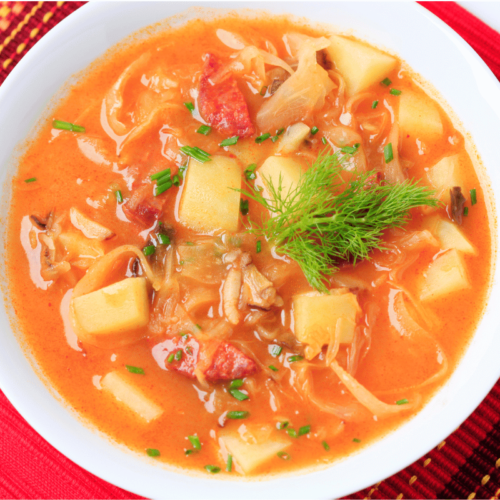
Spicy cabbage soup is a delicious and healthy meal perfect for cold winter days. This soup is low-carb and packed with fiber, making it a filling meal that your whole family will love. The cayenne pepper gives the soup a nice kick, while the smoked paprika adds a delicious smoky flavor. Here’s a recipe for spicy cabbage soup you can easily make at home.
Tips and Variations for Spicy Cabbage Soup
For a really spicy soup, you can add additional cayenne pepper, some black pepper, red pepper flakes, chile peppers, chili powder, or even some cajun seasoning to taste.
For a less spicy soup, you can omit the cayenne pepper altogether.
This soup is also delicious with pork chops or chicken added to it. Simply cook the meat in the pan before adding the rest of the ingredients.
You can also add apple cider vinegar or soy sauce to taste at the end of cooking.
If you want a thinner soup, you can add additional beef broth or vegetable stock.
If you want a thicker soup, you can add extra diced tomatoes or tomato paste.
To make a vegetarian cabbage soup recipe, simply omit the ground beef and use vegetable stock instead of beef broth.
This soup is also great for batch cooking. Simply double or triple the recipe and freeze the extra soup in airtight containers for another day.
Storing and Reheating
This soup will keep in the fridge for 3-4 days or in the freezer for up to 2 months as long as it’s kept in an airtight container. To reheat, simply thaw leftovers in the fridge overnight and then heat it up on the stovetop or in the microwave.
In conclusion, spicy cabbage soup is a delicious and healthy meal perfect for cold winter days. This recipe is easy to make and can be customized to your liking. Whether you’re a fan of spicy food or prefer a milder flavor, this soup is sure to be a hit with your family.
1poundlean ground beef (omit for vegetarian and vegan)
1mediumyellow onion, chopped
1cup red bell pepper, chopped
1cupcelery, chopped
1cupcarrots, chopped
1small green cabbage, cored and roughly chopped
2cupsdiced fire roasted tomatoes with green chilis, or regular diced fire roasted tomatoes for less heat
½teaspoonred pepper flakes, omit for less heat
1teaspoongranulated garlic powder
1teaspoonkosher salt
1cupvegetable stock, or chicken stock
Instructions
Add the ground beef to a large pot and cook until it is done. Then drain some of the excess oil. If you don't have enough oil, add some olive oil. If not, just use the grease from the ground beef.
When heated, add the onions, garlic, and red bell pepper and sauté for a few minutes.
Add the ground beef, spices, and diced tomatoes and simmer for about 5 minutes on medium-high heat.
Pour in the beef broth, bring to a boil and let simmer for a few minutes.
Add the chopped cabbage and stir.
Cook for about 10 minutes or until the vegetables are softened.
Food brings us together and gives us a seat at the global table – this is why African Food Network is thrilled to honor the 100 Most Influential People in the African Food Industry who are changing how the world views and tastes our continent’s vibrant food culture and culinary heritage.
Changemakers from all regions of Africa who have made an impact through entrepreneurship, advocacy, innovation, and preservation of culinary traditions.
We divided the continent into four zones – South, North, East, and West Africa – and selected remarkable individuals from each area. Our criteria focused on chefs, farmers, writers, foodpreneurs, and influencers who have elevated African cuisine globally or in their local communities.
Their work spans opening restaurants at home and abroad; publishing cookbooks; campaigning for improved food security; experimenting with traditional ingredients in exciting new ways, developing new recipes and mentoring the next generation.
This is divided into two parts to make reading easier and more flexible. Here are the first 50 (in no particular order); see the 51 – 100.
Let’s recognise the top influential people in the food industry;
1. Jan Hendrik Van Der Westhuizen
Jan Hendrik van der Westhuizen, born in Mpumalanga, is a renowned South African chef. He made history by earning a Michelin star for his restaurant, JAN, in Nice, France. Known for his fusion of South African and French culinary styles, he is an accomplished author and advocate for South African gastronomy. His innovative approach reflects a dedication to showcasing the diverse flavors of his homeland on the global culinary stage.
Bertus Basson, a South African chef, blends tradition with innovation at restaurants like Overture. Born in Stellenbosch, he’s a key figure in elevating South African cuisine. He is celebrated for blending traditional South African ingredients with modern techniques.
Siba Mtongana, born in the Eastern Cape, is a prominent South African chef known for her vibrant cooking style and the popular TV show “Siba’s Table.” Beyond television, she’s an accomplished author and entrepreneur, contributing to the global promotion of South African cuisine.
Pierre Thiam is a chef, author, and social activist best known for bringing West African cuisine to the global fine-dining world. Pierre is also the Executive Chef of the award-winning restaurant Nok by Alara in Lagos, Nigeria and the Signature Chef of the five-star Pullman Hotel in Dakar, Senegal.
Elijah Amoo Addo was born in 1990, Elijah has risen to be a highly decorated chef, entrepreneur, and activist. Elijah has received several awards and recognition for his culinary expertise and social development campaigns. he attended Sphinx school and catering services and completed his culinary studies. Addo was inspired to start an N.G.O. (Chefs for Change Ghana Foundation) after meeting a mentally challenged man scrapping for food.
Eric is a Ghanaian-American born and raised in New York, but make no mistake, his mastery of West African dishes is unparalleled. Eric made it to the finals of season 16 of Bravo’s Top Chef and was famous for sourcing most of his flavors and recipes from West African dishes.
Chef Fregz, born Gbubemi Fregene in Abeokuta, grew up in Benin City. He studied Industrial Relations and Human Resource Management at Covenant University and further refined his culinary expertise at Le Cordon Bleu Culinary Institute in France.
Chef Eros, born Tolulope Erogbogbo, is a trailblazing culinary artist and the first-ever brand ambassador for Shoprite Nigeria. From selling seasoned chicken in school while studying International Business Management in the UK, he’s now a passionate advocate for putting Nigerian food on the global stage.
Atim Ukoh, widely recognized as Afrolems, stands among Nigeria’s top food bloggers, renowned for a decade-long commitment to educating the global audience about Nigerian cuisine. Specializing in African and, particularly, Nigerian food, Atim shares kitchen tips, cooking expertise, and captivating recipes, since 2009.
Joy Etor, a dedicated mom, influencer, and recipe developer, creates delightful recipes daily. Her multifaceted role includes serving as a brand ambassador and collaborating on diverse projects and advertisements.
Chef Fatima, a multifaceted talent—professional chef, radio host, culinary trainer, and entrepreneur. Her accolades from the State University of New York Global Food Initiative, including Certified Culinary Professional and Master Certified Food Service Professional, appraise her expertise. Known for conducting cooking training and master classes, she shapes a new wave of chefs, leaving an indelible mark on the culinary world through her diverse roles and extensive knowledge.
Benny Masekwameng, a South African chef and TV personality, gained fame as a judge on MasterChef South Africa. Alongside his role on the M-Net reality cooking series, he serves as the Executive Chef at Mondovino Restaurant in Sun Square, part of Southern Sun’s Montecasino. Masekwameng is recognized for his culinary expertise and contribution to the vibrant South African food scene.
Lebogang Tlokana, aka The Funny Chef, is a multi-talented South African figure born on March 22, 1990, in Pretoria. Overcoming challenges as the only black female in an Afrikaans school, she later pursued culinary education, becoming a chef. Renowned for her comedic prowess, she gained fame with skits, notably one imitating a Pretoria girl’s reaction to finding R14-million. Tlokana is the host of SABC 1’s Plate It Up Season 2 and the author of “The Funny Chef’s Delicious Dishes.
Zola Nene is a renowned South African chef, food stylist, and television personality. She gained widespread recognition as a judge on the popular cooking show “The Great South African Bake Off.” Nene is also an accomplished author, known for her cookbook “Simply Delicious,” which showcases her passion for creating accessible and delectable dishes. With a warm and engaging approach, Zola Nene has become a beloved figure in South Africa’s culinary landscape.
Antoinette de Chavonnes Vrugt is a popular chef and the top cookbook author in Namibia. Her first book, “My Hungry Heart,” won a special award for being one of the best cookbooks globally for African cuisine in 2009. This was a significant achievement as it was the first time a Namibian book had been recognized at the International Gourmand Awards, often called the “Oscars of Food Awards.”
Sinoyolo Sifo is a pharmacist by profession, and a self-taught home cook and social-media food influencer by passion. His goal is to break the gender stereotypes that surround male figures in the kitchen and encourage more men to cook.
Tawanda Marume is currently serving as the Vice-Chairman of the recently formed Sommeliers Association of Zimbabwe in charge of South African members and the holder of the Best Sommelier of Zimbabwe 2020 title.
Kudakwashe A. Makoni is a Culinary Arts Management graduate from the prestigious Culinary Institute of America. He also holds degrees in political science biology and an MBA in Corporate Governance and Finance. With a passion for culinary arts, he climbed the ranks from Front of House roles to becoming a Group Executive Chef for Groupe Sebastien in Accra, Ghana. His expertise in setting up profitable kitchens spans the US, UAE, Bahrain, and Zimbabwe.
Liam Tomlin is a distinguished South African chef and founder of the acclaimed Chefs Warehouse restaurant group. With a career spanning decades, he has gained international recognition for his innovative culinary approach. Tomlin’s commitment to excellence has led to numerous accolades, establishing him as a prominent figure in the global culinary scene. His restaurants are celebrated for inventive menus, redefining the dining experience and contributing to his significant impact on the culinary world.
Lorna Maseko, renowned as a South African television personality and former professional ballet dancer, has successfully transitioned into a prominent culinary career. As a chef, she has showcased her culinary expertise on various platforms, captivating audiences with her diverse talents. Maseko’s journey reflects not only her accomplishments in dance and television but also her commitment to making a mark in the culinary world, establishing herself as a multifaceted and influential figure.
Mogau Seshoene is a trained chef and award-winning cookbook author. She is the Founder of Lazy Makoti, which offers cooking lessons on local South African traditional meals. Amongst her accolades include “Forbes Africa 30 under 30s list.”
Nthabiseng Ramaboa, known as Chef Nti, boasts an international cooking show, a restaurant, and a widely acclaimed cookbook. After facing setbacks in her fashion and facilities business, she not only reinvented herself but also emerged as a prominent figure in her new career, inspiring countless others along the way.
Tshego Stone’s culinary journey started with studying Hospitality Management at the University of Johannesburg. Her brand is called Cucumbers and it has gone from being an idea to being a registered business. The business has gone through different phases and it keeps growing. She is currently the South African Ambassador of African Food Network. Recently, she won the Rising Star Award as an Alumnus from the University of Johannesburg.
Simeon James Mudi, a culinary expert from Nigeria, transitioned from a passion for music to a renowned chef. Starting as a kitchen attendant inspired by his sister, he mastered flavors and techniques through experimentation and YouTube. His journey led to roles at Glee Hotel, QBC Lagos & Ikoyi, and private chef engagements for celebrities. Simeon aspires to own a restaurant and host free food events, a commitment to sharing culinary joy.
Nelson Michael, also known as Chef Cupid, a self-taught pastry chef inspired by his mother’s catering background, he dedicated himself to perfecting pastry making, food styling, and photography. Joining Red Dish Chronicles Lagos in 2016 as an instructor, he imparts his expertise in French pastry and baking to hundreds of students. Winner of Bailey’s Bake Fest 2, Chef Cupid is a true testament to triumph over challenges, fueled by a passion for being and staying the best. Beyond teaching, his work extends to shooting commercials for various food brands.
Opeyemi Famakin, now a renowned food critic, unwittingly entered the industry by documenting family travels for food and sharing experiences on social media. Unaware of becoming a critic, he simply wanted to share the joy of consuming exceptional dishes. His continuous and unwavering reviews have made him a prominent figure in Nigeria’s food and hospitality scene.
Famakin’s journey shows the transformative nature of food, evolving from personal enjoyment to a celebrated career in culinary critique. His passion for exceptional food has propelled him to fame.
Abiola Akanji, Known as Chef Stone was raised in Lagos, Nigeria, honed culinary skills abroad before formal training at the French Culinary Institute in NYC. His early passion for food, cultivated by bonding moments in the kitchen with his mother, led to a lifelong love for cooking. Today, he owns culinary schools in Lagos and Abuja, equally owns restaurants in Abuja where he shares his expertise, and showcases the culmination of his unique culinary journey.
Yemisi Sophie Odusanya popularly known as Sisi Yemmie is a Nigerian food and lifestyle blogger/vlogger that has garnered over 97 million views on YouTube. She is one of the most popular YouTubers in Nigeria with a good following on Instagram.
Omoye was born in Lagos, Nigeria. Being raised in a culturally diverse state had a profound effect on her passion for cooking. One of the most beautiful memories of her childhood was the community of women who would gather together to cook for special occasions. This experience instilled in Omoye a love for culinary arts and a desire to share it with others.
Daniel Ochuko studied Food Science and Technology at Rivers State University, Port Harcourt. He fell in love with creative styles of food bloggers and decided to start his.
Akinyemi Oluwaseun Omotayo is a famous Nigerian social media celebrity known professionally as Asherkine. He has garnered widespread acclaim on Instagram for his content, where he goes around exhibiting his generous act by giving and helping the masses.
Chef Mohammad Baydoun, popularly known as Amazing Chef, gained widespread recognition as a social media sensation for his culinary prowess. Originally from Lebanon, he made a significant move to Nigeria, particularly Lagos, driven by a job offer that came his way.
Chris, a passionate American photographer and digital content creator, has undertaken an extraordinary mission – to explore every country in the world. With an adventurous spirit and a camera in hand, he has already immersed himself in the essence of 154 out of the 197 countries on his global journey.
Chef Olushola, known as C3olu, is a Yoruba standout chef renowned for his online mastery and captivating displays of culinary expertise.
Area of specialization
Restaurant Owner (Enish)
Social media handle
@c3olu
Country of origin
Nigeria
37. Enioluwa Adeoluwa
Enioluwa Adeoluwa, born on July 6, 1999, in Akure, Ondo, is a prominent Nigerian figure known for his multifaceted talents. Born to Prof. Femi and Bola, he has carved a distinctive path as both a stage and film director. In addition to his directorial accomplishments, Enioluwa has also gained recognition as a well-known food influencer, seamlessly blending his artistic vision with a passion for culinary experiences.
DuchessNena, a versatile chef with a passion for vegan cooking, extends her talents beyond the kitchen. As an accomplished author and chef educator, she brings a wealth of culinary expertise to diverse realms, showcasing her love for both innovative cuisine and culinary education.
Chef Dee is a Nigerian Food Blogger, Recipe Developer, and Food Tutor. Chef Dee’s passion for food is evident in his delightful food pictures and his knack for curating detailed recipes using everyday home ingredients.
Mityas is enthusiastic about the opportunity to showcase and promote Nigeria’s rich and diverse culinary heritage to the world. She promotes tourism in Nigeria and the wider African continent, positively impacting the local culinary scene.
Rutie is a brand influencer who aspires to live life to the fullest, especially through food. You will mostly see her on the streets of Twitter, living her best life through hilariously curated African food content.
Chef Taylor Moses Odeje is an acclaimed and award-winning restaurant chef and hospitality consultant, renowned for his exceptional culinary skills and a profound passion for cooking. With an impressive presence on social media, he actively shares his culinary expertise, engaging a wide audience with his delectable creations.
Betty Harry, a seasoned television presenter with more than six years of experience, holds a Bachelor’s degree in Mass Communication. Beyond her accomplishments in media, she has successfully ventured into the culinary world. Betty is not only the owner of the thriving Peppersoupshop but also a recognized chef, combining her communication skills with a passion for delicious cuisine.
Tobi Fletcher, also known as “the Ofada boy,” comes from Ofada town in Ogun State, where his family has been involved in growing local Ofada rice for generations. Inspired by his family’s agricultural legacy he has become a skilled chef. His cooking reflects a unique blend of his cultural roots, bringing the flavors of Ofada to the table in a special way.
Uriel is a businesswoman, a healthy cook, and a fitness and lifestyle boss who shows people how to have healthy weight loss journeys through her wonderfully crafted meal plans.
Chef Rukayat, known as Chef Giggles, stands as a prominent culinary figure. Serving as the Executive Chef at Giggles Culinary Place and holding the position of President at the Culinary Arts Practitioners Association Nigeria, she has solidified her role as a leader in the culinary arts community while also being passionate in the Afro-fusion cuisine.
Uju Amaeshi, known as a restaurant critic, is a distinguished figure in the realm of food critique and digital content creation. Widely recognized for sharing her extensive experiences with food and restaurants, she has established herself as a prominent figure in the culinary world.
Paul Kezu is a distinguished food digital creator known for his expertise in the realms of food and restaurant experiences. With a passion for culinary exploration and a keen eye for detail, Paul has made a name for himself in the dynamic world of digital content creation.
Cynthia Chinonso, popularly known as Your Food Girl, has earned acclaim as a distinguished food digital creator. Her expertise extends across various domains, including food and restaurant experiences.
Ayo The Creator, professionally known as Amodu Ayodeji Peter, has carved a niche for himself as a distinguished Nigerian food content creator. His culinary journey is rooted in a background of commercial and wedding film/photography, showcasing a fusion of his graphic design skills and culinary passion.