AFN100: Most Influential People in the African Food Industry (51 – 100)

0

In the first part, we honored 50 Most Influential People in the African Food Industry who are transforming Africa’s food culture on the global stage through entrepreneurship, advocacy, innovation, and preserving culinary traditions.

Now we highlight the remaining trailblazers, numbers 51 to 100, who are having an equally profound impact on how the world views and experiences the vibrant flavors of Africa.

They include founders of iconic food brands, chefs keeping traditional dishes alive, writers celebrating the continent’s rich culinary heritage, these are more of the remarkable changemakers defining Africa’s food future.

51. Chef Lola’s kitchen

Chef Lola is the face behind the wonderful recipes shared online and she is all about fast, simple, family-friendly meals. Her husband, also her biggest fan, handles the photography and tech side. Together, with their three kids under ten, they are a bustling, meal-deciding crew.

Area of specialization Website Blogger
Social media handle
@cheflolaskitchen
Country of origin Nigeria


Chefs 1 0002s 0025 Chef Lolas KItchen

52. Hilda Baci

Born on September 20, 1996, Hilda Effiong Bassey, widely recognized as Hilda Baci, is a multifaceted Nigerian talent. Beyond her role as a chef and restaurateur, Hilda is an accomplished actress. She made headlines as the former Guinness World Record holder for a marathon cooking session (Cook-athon) lasting an impressive 93 hours and 11 minutes. While her record was later surpassed, her culinary prowess remains undeniable.

Area of specialization Chef and Restaurateur
Social media handle @hildabaci
Country of origin Nigeria


Chefs 1 0000 Hilda Baci

53. Ifeyinwa Mogekwu

Ifeyinwa Mogekwu(Ifyskitchen), a corporate lawyer at ACAS-Law in Lagos, transforms into a celebrated Food Blogger. From her childhood love for reading to a love for cooking that began in secondary school, Ifeyinwa’s journey led her to establish the successful Ify’s Kitchen.

Area of specialization Food content creator
Social media handle @ifys.kitchen
Country of origin Nigeria


Ifyskitchen

54. Sarah Olowojoba

Chef Tolani, popularly known as Diaryofakitchenlover. She is a Nigerian Food Blogger, Recipe Developer, Food Tutor, and Entrepreneur. Tolani’s passion for food is evident in her delightful food pictures and her knack for curating detailed recipes using everyday home ingredients.

Area of specialization Chef
Social media handle @diaryofakitchenlover
Country of origin Nigeria


Chefs 1 0003s 0010 Sarah Olowojoba

55. Winifred Nwania

Winfred Emmanuel, a native of Anambra State, has emerged as a prominent figure in the culinary world, notably as the creative force behind the renowned culinary brand, Zeelicious Foods. Over the past three years, Winfred has transformed her passion for creating delectable dishes into a flourishing enterprise.

What began as a personal endeavor, with Winfred sharing her culinary creations online, quickly evolved into the widely recognized and celebrated brand known as Zeelicious Foods.

Area of specialization Food and Lifestyle Blogger
Social media handle @zeeliciousfoods
Country of origin Nigeria


Chefs 1 0003s 0019 Winifred Nwania

56. Tosin Samuel

Tosin Samuel, widely recognized as TSpices Kitchen, wears many hats in the culinary world. He is not only a food content creator but also a recipe developer, author, entrepreneur, and skilled food stylist.

Area of specialization Food content creator
Social media handle @tspices_kitchen
Country of origin Nigeria


Chefs 1 0003s 0014 Tosin Samuel aka T spices

57. Maame Boakye

Maame was born and raised in Accra Ghana but moved to New York City, where she nurtured her passion for food. Chef Maame was introduced to different cuisines within New York City and soon learned how to incorporate them into her cooking, creating a beautiful blend of Afro-Caribbean fusions.

Area of specialization Chef
Social media handle chefmaame_
Country of origin Ghana


Chefs 1 0002s 0001 Chef Maame Boakye

58. Selassie Atadika

Chef Selassie prides himself on expressing African cuisine through innovation fused with nomadic practices. Imbued by the practices of nomadic populations, Selassie embarked on a journey of infusing indigenous food preparations with modern recipes.

Area of specialization Chef
Social media handle
Country of origin Ghana


Chefs 1 0002s 0016 Selassie Atadika

59. Joseph Odoom

Chef Joseph is a young culinary specialist whose love for indigenous and local ingredients introduced him to the 2021 season one of the House of Chefs competition, and he won. Joseph loves to introduce the world to Ghanaian cuisine through a blend of fine dining and Afro-Fusion. Odoom’s love for pastry incorporates merging African ingredients to mold desserts that fit exemplary dining standards.
Area of specialization Chef
Social media handle
Country of origin Ghana


Chefs 1 0002s 0007 Joseph Odoom

60. Saikou Bojang

Saikou Bojang was born in Kafuta, and raised in Brikama on the south bank of The Gambia. He found his passion in cooking. He worked as an executive chef in ten different countries. A couple of years ago, he returned to his home country, The Gambia, with many cooking experiences to share with his fellow sisters and brothers.

Area of specialization Chef
Social media handle
Country of origin Gambia


Chefs 1 0002s 0015 Saikou Bojang

61. Shelina Permalloo

Shelina Permalloo is a TV chef, restaurateur and cookery author who specialises in Mauritian food. She was the first woman of colour to win BBC’s MasterChef in 2012

Area of specialization

Chef & Cookery Author

Social media handle @shelinacooks
Country of origin Mauritania


Chefs 1 0002s 0017 Shelina Permalloo

62. Cheikh Niang

Cheikh Niang is a gourmet cuisiner who is passionate about taste, working out and enjoying the good life. He also has a cookbook that seamlessly breaks down different African recipes and teaches you how to make them.

Area of specialization Chef/ Lifestyle blogger
Social media handle @niangcook
Country of origin Côte d’Ivoire


Chefs 1 0002s 0002 Cheikh Niang 1

63. Kone Mia

Kone Mia is a sensational food vlogger with fans in Cote d’Ivoire and beyond, watching her showcase the beautiful food culture of her roots.

Area of specialization Food digital creator
Social media handle @kone_mia
Country of origin Côte d’Ivoire


Chefs 1 0002s 0010 Kone Mia

64. Karelle Vignon-Vullierme

Karelle Vignon-Vullierme is a food blogger living in Dakar, the capital of Senegal since 2012. Of Beninese origin, she was born on March 21, 1987, and had a childhood and adolescence in Paris, France. She has won several awards, including Best African Blogger and the Orange Prize for Women’s Digital Entrepreneurship.

Area of specialization Food Blogger
Social media handle @karellevv
Country of origin Senegal


Chefs 1 0002s 0008 Karelle Vignon Vullierme

65. Marklina Naa Adjeley Quayey

Sweet Adjeley, whose real name is Marklina Naa Adjeley Quayey, is a Ghanaian chef, food blogger, and YouTube personality. She was born on October 9th, in the Volta Region of Ghana. She takes pride in showcasing the diverse flavors and traditions of Ghana through her cooking

Area of specialization Food Blogger and Chef
Social media handle @sweetadjeley
Country of origin Ghana


Chefs 1 0002s 0011 Marklina Naa Adjeley Quayey

66. Gabi Odebode (Chef GO)

Chef Gabi Odebode was born and raised in Koforidua Ghana, West Africa. She started her early education in Ghana and immigrated to America at the age of 9. Chef Gabi is known as one of the pioneers in the Cincinnati/Dayton area in Ohio introducing people to African cuisine and culture. This is how she coined her business tagline “Experience the Culture”.

Area of specialization Chef and Recipe developer
Social media handle @chefgabio
Country of origin Ghana


Chefs 1 0002s 0005 Gabi Odebode Chef GO

67. Yamoah

A Brand Influencer, passionately promoting traditional African cuisine in innovative ways.

Area of specialization Digital creator
Social media handle
Country of origin Ghana

Chefs 1 0002s 0018 Yamoah

68. Kinorah Awini

Kinorah Awini celebrates food with Telande, her food page. Her page is filled with delectable short cooking videos that make food preparation seem like ABCD. It’s just a testament to how good she is. Her recipes are the heart of the page and a lover of local ingredients, Telande offers Ghanaian, continental and far-out-exotic recipes. Be prepared to fall in love with food here.

Area of specialization Food blogger
Social media handle
Country of origin Ghana


Chefs 1 0002s 0009 Kinorah Awini

69. Jean-Claude Attipoe

Jean-Claude Attipoe just like the other famous Jean-Claude brings the best chops but in the kitchen He’s versatile and he photographs food like its something hanging in the Louvre.

Area of specialization Chef
Social media handle
Country of origin Ghana


Chefs 1 0002s 0006 Jean Claude Attipoe

70. Ameyaw Debrah Kissi

Ameyaw Kissi Debrah, known professionally as Ameyaw Debrah, is a Ghanaian celebrity blogger, freelance journalist, and reporter. He founded AmeyawDebrah.com, an entertainment website and blog that primarily publishes news about Ghanaian celebrities. He graduated from Kwame Nkrumah University of Science and Technology with a bachelor’s degree in publishing. While at KNUST, he won the Best Publishing Student award in 2005. He has made significant contributions to several pan-African websites, including Jamati.com, Orijin-ent.com, and ModernGhana.com

Area of specialization Blogger/Food Influencer
Social media handle @ameyaw112
Country of origin Ghana


Chefs 1 0001s 0017 Ameyaw Debrah Kissi

71. Nana Ama McBrown

Nana Ama McBrown’s cooking show has been a favourite among Ghanaians, offering a unique blend of cooking expertise and celebrity conversations. Previously aired on UTV, the show mysteriously disappeared from screens after McBrown’s departure, leaving fans wondering about its fate.

Area of specialization Food Influencer
Social media handle @mcBrownsKitchen
Country of origin Ghana


Chefs 1 0002s 0013 Nana Ama McBrown

72. MensCook

The handsome and elite men that form this group see themselves as the heroes of the kitchen and rightfully so as they work together, leading the pack for partnerships among women and men to reach unimaginable heights with their crafts. You’ll find then adding colors and taste to different types of events and outings.

Area of specialization Food Influencer/Chef
Social media handle @menscookgh
Country of origin Ghana


Chefs 1 0002s 0012 MensCookGhana

73. Food Diplomat

Food diplomat is popular for being a food plug, and travel creator and connecting with people through her relatable storytelling skills around Ghana and the world at Large.

Area of specialization Food Influencer
Social media handle _foodiplomat
Country of origin Ghana


Chefs 1 0002s 0004 Food Diplomat

74. Amanda Dadson

Amanda began food blogging as a hobby, initially sharing food pictures with friends and family. Encouraged by their advice, she started a blog, initially clueless but driven by her passion for making others fall in love with cooking. Through self-development, her blog has evolved into a successful brand, leading to collaborations with various amazing brands and connections with influential people worldwide.

Area of specialization Food Blogger
Social media handle @foodheartedly
Country of origin Ghana


Amanda Dadson

75. Dieuveil Malonga

Dieuveil Malonga, born in the Democratic Republic of Congo and raised in Germany, is the founder of Chefs in Africa, a digital platform that aims to cultivate the talent and culinary passion found in Africa. It connects government institutions, training centers and businesses with professional chefs and young culinary students or apprentices looking for work experience.

This network already has over 4,000 African chefs as members: it facilitates contact between its members and hotel and restaurant industry agents, and local producers as well.

Area of specialization Chef
Social media handle @dieuveilmalonga
Country of origin Congo-Brazzaville


Chefs 1 0002s 0030 Dieuveil Malonga

76. Wawiru Njiru

Wawira is the founder of Food for Education, a social enterprise that is leveraging community, parent and government partnerships at scale to expand national school feeding programs.

Area of specialization Entrepreneur, Nutritionist, and Philanthropist
Social media handle @wawira
Country of origin Kenya


Chefs 1 0003s 0018 Wariwu Njiru

77. Deji Akinyanju

The career of this audacious entrepreneur started with Accenture- formally Andersen Consulting in London. With decades of experience in IT, trading and the hospitality business in the UK, and West African countries, he served as a Director of Food Concept, Entertainment Plc and also on the board of the Nigerian International Franchise Association. Today, he is the founder/owner of different brands including the popular Chicken Republic, and St Elmos Pizza amongst others.

Area of specialization Entrepreneur
Social media handle @dejiadeyanju
Country of origin Nigeria


Chefs 1 0002s 0029 Deji Akinyanju

78. Peter Njonjo

Peter is a very accomplished leader with over 20 years of experience in business management across Africa. He was chosen as one of Forbes Afrique’s 100 Young Leaders and has been voted 3 times in a row as one of Kenya’s Top 40 under 40 by the Business Daily newspaper. He spent 18 years with Coca-Cola across various positions before starting his startup, Twiga Foods in 2015. He still serves as the startup’s CEO.

Area of specialization Entrepreneur
Social media handle @p.njonjo
Country of origin Kenya


Chefs 1 0003s 0008 Peter Njonjo

79. Naïma El Mouadden

Naima sparks culinary interests and joy in the hearts of many with her perfectly curated gourmet recipes. She prides herself as a “recipe burglar” as she’s always in search of new recipes, tastes, and ingredients to try out. Her page will take you on a culinary adventure.

Area of specialization Recipe Finder
Social media handle @naima.elmouadden
Country of origin Algeria

Naima El Mouadden

80. SeïmaGirl

An architect turned chef, Seima Girl is a digital creator who is very passionate about food and shares this passion alongside her family and her lifestyle.

Area of specialization Food Blogger
Social media handle
Country of origin Algeria

Saima Chef

81. Abdelmalek Lebbal

Abdelmalek Lebbal is a North African Chef who works as a professor of baking and pastry arts program at Algonquin College, Ottawa, Canada.

Area of specialization Baking and Pastry Arts Management
Social media handle
Country of origin Algeria


Abdelmalek Lebbal 1

82. Chef Assad a.k.a “Fire bae”

Chef Assad is a chef and restaurateur specializing in the preparation and seasoning of lamb meat, owner of restaurant Chef Assad – Steak Land Oran His first experience was during his national service period when he was a cook dedicated to catering to senior officers Following his arrival in Algeria, the idea began to take shape in his mind until the day it became a reality. He therefore opened his own restaurant Steak Land Oran and since then the adventure has begun.

Area of specialization Chef and Restaurateur
Social media handle
Country of origin Algeria


Chef Assad

83. Sami Fgaier

Sami Fgaier, hailing from the Kerkennah Islands in Tunisia, transitioned from a business and computer science background to embrace his true passion for food. Co-founding Le Chardonnay in Madison, Wisconsin, marked his culinary debut despite his partner’s early exit. A relentless dedication earned him acclaim as Madison’s Best French Restaurant. Post-restaurant, Fgaier pursued culinary mastery at Cordon Bleu, founding Le Personal Chef.

Area of specialization Restaurateur and Chef
Social media handle @samithechef
Country of origin Tunisia


Sami Fgaier

84. Mounir el arem

Mounir El Arem, the Executive Chef of Le Baroque in Tunis, started his culinary journey after mastering mathematics at the University of Louis Pasteur, France. His dedication to gastronomy led to extensive training across France, earning global recognition for his culinary prowess. A prominent figure in culinary competitions and juries, he founded prestigious cooking events in Tunisia and advocated for regional gastronomy, notably securing UNESCO heritage status for Couscous and Harissa.

Area of specialization Chef Executive Chez Restaurant & Lounge
Social media handle

@mounir arem le baroque

Country of origin Tunisia


Mounir el arem 1

85. Najat Kaanache

Najat Kaanache is as impressive a chef as she is an entrepreneur and all-round inspiring person. World’s 50 Best named her the ‘Best Moroccan Chef of the World’. Kanaache runs restaurants in Morocco and Mexico, and published several cookbooks. But Kanaache is most known for raising awareness for diversity and inclusivity in the kitchen.

Area of specialization Chef
Social media handle @najatkaanache
Country of origin Morocco


Najat Kaanache 2

86. Mostafa Seif

Mostafa Seif, the Executive Chef of Pier88 Group in Egypt, began his culinary journey with street food and swiftly rose to prominence. His mastery bloomed at ESCA, shaping his passion in the Army Mess Hall. Graduating from the Culinary Arts Academy in 2013, he aimed to redefine Egyptian cuisine, becoming a trailblazer inNew Egyptian culinary arts. Renowned for humility, he’s acclaimed as one of the Middle East’s finest chefs. His latest venture, Khufu’s, nestled by the pyramids, marks another milestone in his flavorful legacy.

Area of specialization Executive Chef/ Menu Consultant & Recipe Developer
Social media handle
Country of origin Egypt


mostafa seif

87. Immaculate Bites

Imma, raised in Cameroon, sparked a culinary journey at 11, learning from her aunt and discovering a passion for cooking. Relocating to Los Angeles, she immersed herself in diverse culinary landscapes, fueling her drive for culturally rich cuisine. Restaurant experiences in LA honed her skills, shaping her commitment to infuse everyday soul food with vibrancy.

Area of specialization Food blogger
Social media handle @Imma
Country of origin Cameroon


88. Ali Mandhry

He is Kenya’s Chef representative ambassador, an award-winning Africa’s top Chef, culinary instructor, food stylist, hotelier, and tv/ radio personality.

Area of specialization Chef
Social media handle @chefalimandhry
Country of origin Kenya


Chefs 1 0000s 0001 1. Chef Ali Mandhry

89. Ombachi Dennis

Dennis Ombachi, born on December 14, 1990, transitioned from a Kenyan Rugby Sevens player to a self-taught chef known as ‘The Roaming Chef.’ Raised on a tea farm, he embraced a rural childhood, fetching water and playing among tea bushes.

His culinary skills gained fame on social media, offering a secondary income alongside rugby. Married to Zumba instructor Svetlana Polikarpova, they share a family with two children. Ombachi’s journey encompasses rugby, culinary arts, and content creation.

Area of specialization Chef
Social media handle @the_roamingchef
Country of origin Kenya


Chefs 1 0000s 0002 2. Ombachi Dennis

90. Maliha Mohammed

Chef Maliha Mohammed, hailing from Mombasa Old Town, began her educational journey at Alibhai Panju Primary School and later attended Jaffery Academy for her KCSE. Renowned as a self-taught chef, she is currently making waves as she aims to secure the Guinness World Record for the Longest Cooking Marathon by an Individual.

Area of specialization Chef
Social media handle
Country of origin Kenya


Chefs 1 0000s 0003 3. Maliha Mohammed

91. Marcus Samuelsson

Born Kassahun Tsegie on January 25, 1971, Marcus Samuelsson is an Ethiopian-born Swedish-American celebrity chef, restaurateur, and television personality. Currently serving as the head chef of Red Rooster in Harlem, New York.

Area of specialization Chef
Social media handle @marcuscooks
Country of origin Ethiopia


Chefs 1 0000s 0004 4. Marcus Samuelsson

92. Kasingye Packson

Chef Packson, hailing from Lwengo, Uganda, has spent 13 years perfecting his culinary craft. Currently, the Executive Sous Chef at La’Venti Hotel. Beyond the kitchen, he founded “Table Affair Caterers,” offering top-notch catering and training for aspiring hotel staff. Chef Packson, is also certified by the Uganda Chefs Association.

Area of specialization Chef
Social media handle
Country of origin Uganda


Chefs 1 0000s 0005 6. Kasingye Packson

93. Hawa Hassan

Hawa Hassan, a Somali-American chef and author, achieved acclaim with her debut cookbook, “In Bibi’s Kitchen,” winning the prestigious 2022 James Beard Foundation award for Best International Cookbook. Born in Mogadishu, Somalia, Hassan’s early years were shaped by the Somali Civil War, leading her family to seek refuge in Kenya. Her inspiring story reflects resilience and culinary excellence.

Area of specialization Chef
Social media handle @hawahassan
Country of origin Somalia


Chefs 1 0000s 0006 7. Hawa Hassan

94. Linda Nirina Rojohasina Mazibuko

Linda Nirina Rojohasina Mazibuko, originally from Madagascar and raised in South Africa, blends Zulu and Betsileo tribal influences into her unique cooking style. A graduate of HTA School of Culinary Art, Linda has honed her skills in respected kitchens, trained under renowned chefs, and showcased her talents as a Whirlpool brand ambassador.

She gained recognition as the 7th-place finalist on Top Chef South Africa Season 1 and is an active member of Chefs in Africa who represents Africa in Ankara.

Area of specialization Chef
Social media handle @cheflixonline
Country of origin Madagascar


Chefs 1 0000s 0007 9. Linda Nirina Rojohasina Mazibuko

95. Bale Moya

Bale Moya is a renowned influencer hailing from Ethiopia, primarily sharing content on his Instagram platform.

Area of specialization Food Influencer
Social media handle @balemoya
Country of origin Ethiopia


Chefs 1 0000s 0008 11. Bale Moya

96. Ifrah F. Ahmed

Ifrah F. Ahmed, a versatile writer, chef, and artist, explores the intersections of food, culture, memory, and migration. She is the creative force behind MILK & MYRRH, a Somali culinary pop-up, and co-founded ARAWEELO, a pioneering Somali arts and culture publication.

With features in the New York Times, Teen Vogue, and NYLON, Ifrah’s impactful food writing has been published in prestigious outlets like the New York Times Food Section, the Washington Post, Whetstone, and LA Times Food. Currently working on her first book, Ifrah, originally from Mogadishu, Somalia, now resides between Brooklyn and Seattle.

Area of specialization Chef
Social media handle @ifahmed
Country of origin Somalia


Chefs 1 0000s 0009 12. Ifrah F. Ahmed

97. Jikoni Magic

Jikoni Magic, a self-taught home cook from Kenya, is passionate about sharing recipes that showcase Kenyan and African cuisine. Always seeking inspiration from various sources, she transforms everyday ingredients into magical creations in her “jikoni” (kitchen). Her easy home-cooking recipes reflect a collection born out of a deep love for food.

Area of specialization Food Blogger
Social media handle @jikoni_magic
Country of origin Kenya


Chefs 1 0000s 0010 14. Jikoni Magic

98. Nampwa

Nampwa, the food blogger behind “Forking around Lusaka” on Instagram, is a go-to source for food enthusiasts seeking new culinary experiences. Through detailed, honest, and engaging food reviews, she explores various restaurants, inviting followers to join her on a captivating Lusaka restaurant tour.

Area of specialization Food Blogger
Social media handle @forkingaroundlusaka
Country of origin Zambia


Chefs 1 0001s 0000 17. Forking around Lusaka

99. Chef Muthoni

Muthoni, a 24-year-old self-taught culinary virtuoso, food storyteller, and recipe developer hailing from Nairobi, Kenya. For her, cooking is an art—a perpetual learning journey where a single mistake in the kitchen has the potential to birth a new dish.

Area of specialization

Food content creator

Social media handle @muth_onee
Country of origin Kenya


Chefs 1 0000s 0011 24. Muthoni

100. Bright Inegbenose

Bellaexplores, the dynamic lifestyle guide blogger, curates captivating content spanning food, travel, and lifestyle experiences in Lagos and beyond.

Area of specialization Food and Lifestyle Blogger
Social media handle @bellaexplores
Country of origin Nigeria


Chefs 1 0002s 0024 Bright Inegbenose

#AFN100 #AFN100mostinfluentialpeopleinafrica2023

Igbo Yam Porridge

0

Yam is a staple crop in many parts of Nigeria, especially for the Igbo people. Yam porridge is one of the most popular ways to enjoy yams in Igbo cuisine. This hearty, creamy porridge makes for a perfect breakfast or light lunch.

Igbo yam porridge highlights the unique recipes and ingredients used in traditional Igbo cooking. Unlike the Hausa yamarita or yam pottage made by other groups, Igbo porridge has its own special flavor profile.

Traditional Igbo Yam Porridge

The main ingredient is the white yam. Other key Igbo ingredients include palm oil for richness and crayfish for a savory kick. Some other recipes for Igbo yam porridge are ogiri(locust beans), and uziza leaves.

igbo yam porridge
Image Credit: Facebook

What Is Yam Porridge Called in Igbo?

Yam porridge is known as “Agworago Ji” or “akpu oka” in the Igbo language. The term “ji” refers to yam while “Agworago” means pap or porridge. So literally translated, “Agworago ji” means yam pap or yam porridge.

The use of ogiri and uziza leaves adds true Igbo essence to this yam porridge. The umami taste of ogiri combined with fragrant uziza makes it stand out from other recipes.

Tips for Cooking Your Yam Porridge

There are many ways to adjust Igbo yam porridge to suit different tastes or dietary needs. You can replace palm oil with vegetable or coconut oil for a lighter version. Use fish, chicken, or beef stock instead of maggi cubes.

The basic preparation remains the same but you can customize your porridge with different Igbo ingredients. Stay true to your roots with authentic white yams or try out purple, yellow and water yams.

igbo yam porridge

Igbo Yam Porridge

Prep Time 10 minutes
Cook Time 20 minutes
Total Time 30 minutes
Course Main Dish
Cuisine African
Servings 0

Ingredients
  

  • 2 kg peeled white yam, sliced
  • ½ cup ground crayfish
  • 1 maggi cube
  • 2 tablespoons palm oil
  • ½ cup ground ogiri (fermented igbo seasoning)
  • ½ cup sliced uziza leaves (for fragrance)
  • Salt & chopped onions (to taste)

Instructions
 

  • Boil yam slices till soft but still firm
    2 kg peeled white yam, sliced
  • Add palm oil, crayfish, ogiri, maggi cube & salt
    ½ cup ground crayfish, 2 tablespoons palm oil, ½ cup ground ogiri (fermented igbo seasoning), 1 maggi cube
  • Stir thoroughly & simmer for 3 minutes
  • Add uziza leaves & onions then take off heat
    Salt & chopped onions (to taste), ½ cup sliced uziza leaves (for fragrance)
  • Serve hot with extra veggies
Keyword Yam porridge
Tried this recipe?Let us know how it was!

If You Do 10/10 of These Christmas Food Traditions, You’re Truly Embracing the Holiday Spirit!

0

1 / 1

Tick All the Christmas Tradition you do

African Christmas Dishes

Healthy African Food for Weight Loss

0

When it comes to losing weight, there’s a common misconception that you need to strictly limit your food intake and cut out all the dishes you love. However, the traditional African diet offers a refreshing and sustainable approach focused on high quality, nutrient-dense whole foods that not only help you shed pounds, but boost overall health.

Traditional African Diet – An Overview

The traditional African diet primarily consists of locally grown, seasonal plant foods including vegetables, fruits, whole grains, beans, seeds, and nuts. Animal proteins like poultry, fish, eggs, and dairy are enjoyed in moderation or on special occasions, allowing plants to take center stage.

This way of eating provides a wealth of vitamins, minerals, fiber and antioxidants to nourish, cleanse and energize the body. Meanwhile, healthy fats and plant-based proteins keep you feeling satisfied. The abundance of fiber-rich whole foods also promotes weight loss by beating cravings and excess hunger.

Another signature of the African diet? Simplicity. Meals tend to include just a few high quality ingredients, often one-pot dishes or stews, prepared with care using simple cooking techniques. This allows the natural flavors of seasonal produce to shine through.

Vitamin A Shakshuka
Credit: Tasty Recipes

Best African Food for Weight Loss

From leafy greens and vibrant vegetables to satisfying whole grains and lean proteins, many traditional African ingredients double as superfoods for their stellar nutritional profile. These foods not only help you lose weight, but provide vital nutrients to thrive.

Enjoy an abundance of non-starchy vegetables – These low calorie, high volume foods form the foundation of a healthy African diet. Through their supply of fiber, antioxidants and nutrients, options like leafy greens, cauliflower, broccoli, cabbage, tomatoes and mushrooms stimulate weight loss.

Cook with chickpeas, beans and lentils – These satisfying plant-based proteins top the list of high fiber foods to stabilize blood sugar and control calorie intake. Lentils also provide iron, zinc and B vitamins to nourish the body.

Eat more avocados – Though rich and creamy, avocados deliver beneficial monounsaturated fats to fight inflammation in the body while keeping you full and satisfied. Enjoy them raw or cooked.

Fill up on fibrous whole grains – Quinoa, amaranth, millet, teff and brown rice provide energizing complex carbs, protein and nutrients for healthy weight loss and gut health compared to refined grains.

Stay hydrated with water and tea – Staying hydrated with water and anti-inflammatory teas makes weight loss pleasant instead of a chore. Herbal options like rooibos, honeybush and hibiscus provide added antioxidants.

Snack on nuts, seeds and natural nut butter – Thanks to their protein, fiber and healthy fats, options like unsalted nuts, seeds and homemade nut/seed butters make satisfying weight loss snacks to control appetite.

Enjoy avocados, olives and their oils – Though higher in calories, the monounsaturated fatty acids in avocado and olive oil fight inflammation for weight loss without adding unnecessary saturated fats to your diet. Drizzle them raw.

Add in oily fish and poultry – Sustainably caught salmon and tuna provide anti-inflammatory omega-3 fatty acids for weight loss and heart health. Pasture-raised poultry adds lean protein.

Always eat fruits and veggies raw when possible – Raw fruits and vegetables preserve nutrients and fiber lost in cooking for maximum nutrition and weight loss effects. Focus on fresh, local and seasonal produce.

Peanut Butter Soup

The Health Benefits Behind the African Diet

Several studies have confirmed the protective effects of traditional plant-focused African diets against chronic illnesses like heart disease, diabetes, and cancer. The combination of fiber, antioxidants and anti-inflammatory compounds keeps cells healthy and reduces disease risk. These same nutrients also optimize body composition for weight loss.

Fiber With about 50 grams of fiber per day, the standard African diet more than doubles general recommendations. Fiber slows digestion, keeping you fuller for longer while regulating blood sugar levels. This means fewer cravings and hunger pangs leading to effortless calorie control for weight loss. The high fiber intake also sweeps waste out of the digestive tract, promoting a healthy gut.

Antioxidants The vibrant rainbow of vegetables and fruits that make up a traditional African diet supply beneficial plant chemicals like anthocyanins, lycopene, resveratrol, and vitamin C. These antioxidant and anti-inflammatory compounds help control blood pressure and cholesterol while fighting free radicals that can harm cells.

Micronutrients From manganese and magnesium in leafy greens to iron, zinc and B vitamins in beans and whole grains, traditional African ingredients deliver a jackpot of essential vitamins and minerals. Getting enough of these micronutrients assists with healthy organ function, disease prevention, immunity and energy levels.

Healthy Fats While low in saturated fat, the standard African diet includes beneficial fats like omega-3s from fish and plants that help reduce inflammation in the body. Other sources like olive oil, avocados and nuts provide monounsaturated and polyunsaturated fatty acids for balanced cholesterol levels.

Lean Protein Protein in the traditional African diet comes from plant-based sources like peas, beans, lentils, seeds and nuts as opposed to meat-heavy Western diets. Though lower in quantity, these proteins deliver essential amino acids for cell repair without excess saturated fats or hormones, supporting both weight loss and health.

African Origin Black-eyed Peas
Black-eyed Peas

The Natural Weight Loss Effects

This powerful nutrient profile makes the traditional African diet a metabolic reset for the body. By filling up on fiber and antioxidant-rich whole foods instead of processed ingredients, you allow your body to gently cleanse, reduce inflammation and function optimally for natural weight loss.

Suppresses appetite – High fiber foods like vegetables, fruits, whole grains and legumes expand in the stomach, leaving you satisfied with fewer calories than refined carbs and sugars. This effortlessly creates the calorie deficit needed for weight loss without hunger or restriction.

Increases fat burning – The abundance of fiber and nutrients promotes efficient fat metabolism while the healthy fats help burn existing fat stores. Lean proteins also assist with building calorie-burning muscle mass.

Detoxifies the body – Fiber sweeps waste out of the intestines, reducing toxin exposure that can disrupt metabolism. Meanwhile, antioxidants protect liver function for superior fat burning and nutrient processing.

Controls blood sugar – The high fiber diet leads to slower digestion and absorption to prevent energy crashes and cravings from blood sugar spikes. The result is steady, sustained energy and appetite control for weight loss.

Reduces inflammation – The spectrum of antioxidants, omega-3s and phytochemicals fight inflammation in the gut and body associated with obesity and weight gain. This also lowers disease risk.

Sample Meal Plan for African Diet Weight Loss

Want to experience the natural weight loss magic of traditional African ingredients? Here’s a 3 day sampler showcasing nourishing and delicious dishes:

Day 1 Breakfast – Savory amaranth porridge with nuts, seeds and fruit Lunch – Roasted cauliflower and chickpea bowls
Dinner – Harissa baked tilapia with herbed quinoa and greens

Day 2 Breakfast – Shakshuka baked eggs Lunch – Lentil vegetable soup Dinner – Grilled chicken kebabs with roasted vegetables
Day 3 Breakfast – Avocado toast two ways Lunch – Curried brown rice with garbanzo beans Dinner – African peanut stew with sweet potatoes and greens

These fiber and antioxidant-packed meals provide a spectrum of nutrients to nourish your body while effortlessly promoting safe weight loss through appetite and craving control. Adapt ingredient amounts to meet your own calorie needs.

okro soup recipe

The Sustainable Aspect of the African Diet

Beyond the health aspects, the traditional African diet sets a gold standard for environmental sustainability we can all learn from. With plant foods taking center stage and meat used sparingly, this way of eating maximizes nutrients while minimizing strain on water, land use and climate compared to meat-heavy Western diets.

Research shows that reduced meat diets cut agricultural land requirements in half thanks to the increased efficiency of plant-based calories. The reduced methane emissions also benefit the climate. Enjoying meat a few times a week in appropriate portions allows you to nourish your body without overtaxing natural resources.

Tips for Success with the African Diet Plan for Weight Loss

Want to cleanse, slim down and thrive on traditional African superfoods? Here are some top tips for success:

Cooking Tips

  • Focus on one-pot meals for simplicity
  • Look into getting a pressure cooker to reduce cooking times
  • Embrace herbs, spices and flavor building techniques like sautéing aromatics in healthy fats before adding wet ingredients
  • Slow roast vegetables and beans to bring out sweetness

Ingredient Tips

  • Shop seasonal produce and buy in bulk when possible
  • Soak and sprout beans, grains and seeds to reduce cooking times plus boost nutrition
  • Stock up on frozen fruits/vegetables to add to smoothies, soups etc when fresh options are not available
  • Look for fair trade and sustainably sourced items like.

Lifestyle Tips

  • Batch cook on weekends for quick meals during your busy week
  • Follow the natural hunger signals of your body instead of counting calories
  • Stay active with regular exercise you enjoy for metabolism and mood boosts
  • Manage stress through meditation, yoga, massage and good sleep hygiene

What Are the Nigerian Food for Weight Loss?

Some of the top Nigerian foods that can aid weight loss include okra soup, egusi soup made with melon seed, ogbono soup, vegetable soups loaded with healthy greens, shakshuka, bean porridge, moimoi (bean cake), roasted corn, African salad made with veggies and herbs, plantain fufu, oat fufu, ogi, fruits like pineapples and mangoes, roasted/grilled fish and chicken instead of fried options, palm oil stew with meat and greens, and unripe plantain porridge.

These provide fiber, protein and nutrients while being low in fat, which promotes fullness. Avoid sugar, soda, alcohol and fried/processed snacks.

The healthy, satisfying foods of the traditional African diet help you lose weight by working with your body’s natural hunger and fullness cues. An abundance of fiber, antioxidants and anti-inflammatory compounds decrease cravings while optimizing metabolism for fat burning and detoxification.

With the right cooking techniques and ingredients, you open up an exciting world of nutritious, delicious dishes that nourish you on your health journey without restriction or discipline. Give the African diet a try for sustainable weight loss success and optimal wellness.

West African Peanut Soup

I’m sharing a lip-smacking delicious recipe for an African peanut soup. Made with creamy peanut butter, A rainbow of veggies, and different spices – this nutty soup is guaranteed to warm your soul and bowl.

What Is the Origin of African Peanut Stew?

African peanut soup, also known as Maafe or groundnut soup, originated in West Africa. Peanuts, which are native to South America, were introduced to Africa in the 16th century after European exploration of the Americas. The use of peanuts in West African stews and soups likely began shortly after their arrival on the continent.

What Is African Peanut Butter Soup Made Of?

Traditional West African peanut soup is made with ground peanuts or peanut butter, vegetables like okra, leafy greens and sweet potatoes, palm oil, tomatoes, onions, garlic, ginger, and spices like cayenne and black pepper. There are many regional variations, with additional ingredients like chicken, beef, shrimp, smoked fish, or no meat at all for a vegetarian version.

The soup has a rich, nutty, spicy and slightly sweet flavor. The ground peanuts give it a thick, creamy texture as well. It is commonly served with starchy staples like rice, couscous, fufu (a dough made from starchy vegetables like cassava or plaintains), or bread.

Peanut Butter Soup

Key Ingredients for African Peanut Soup

The key ingredients that give this soup its signature flavor and texture are:

Peanuts/Peanut Butter – Smooth or crunchy peanut butter can be used. For a more authentic texture, raw peanuts can be dry-roasted and ground into a paste instead.

Onions & Garlic – Aromatic base for the soup.

Ginger – Provides a subtle spicy undertone.

Spices like cayenne, paprika or crushed red pepper give it some heat.

Leafy Greens like spinach or kale add nutrients.

Sweet Potatoes or Winter Squash make it hearty.

Broth/Stock & Tomatoes build an umami flavor base.

The exact combination of vegetables can be adapted based on preferences and what’s in season. Hearty root vegetables like carrots, potatoes and celery work well. Okra is another traditional choice with beneficial fiber and texture.

For the protein, chicken or shrimp are most common, but the soup can also be made vegetarian by using beans or tofu.

Vegan African Peanut Stew - African vegetarian meal
Image from Buzzfeed

Tips and Tricks for Making African Peanut Soup

  • Soak raw peanuts overnight to blend more smoothly
  • Use tomato paste for a richer, deeper red color
  • Add veggies in stages so they cook properly without mushiness
  • Simmer low and slow to develop complex flavors
  • Adjust broth to reach desired creaminess
  • Garnish with crunchy peanuts or peanut butter
  • Serve with cous cous, brown rice or crusty bread
Peanut Butter Soup

African Peanut Soup

West African Creamy Peanut Butter Soup
Prep Time 20 minutes
Cook Time 20 minutes
Total Time 40 minutes
Course Soup
Cuisine West-African
Servings 6 people

Ingredients
  

  • 2 tbsp olive oil
  • 1 medium yellow onion, diced
  • 3 cloves garlic, minced
  • 1 tbsp grated fresh ginger
  • 2 tsp ground cumin
  • 1 tsp paprika
  • ¼ tsp cayenne pepper
  • 4 cups vegetable or chicken broth
  • 1 can diced tomatoes
  • 1 bunch kale/spinach, stems removed and leaves chopped
  • 1 can chickpeas, rinsed and drained
  • ½ cup creamy peanut butter
  • Salt and pepper to taste
  • Chopped cilantro, peanuts, and lime wedges for garnish

Instructions
 

  • Heat oil in a pot and sauté aromatics like onion, garlic and ginger
    2 tbsp olive oil, 1 medium yellow onion, diced, 1 tbsp grated fresh ginger, 3 cloves garlic, minced
  • Add spices and dried chilies and cook briefly
    1 tsp paprika, ¼ tsp cayenne pepper
  • Stir in vegetables, stock and tomatoes
    1 can diced tomatoes
  • Simmer until vegetables are tender
    1 bunch kale/spinach, stems removed and leaves chopped
  • Add peanut butter and protein of choice
    ½ cup creamy peanut butter
  • Adjust seasoning with salt, pepper, hot sauce
    2 tsp ground cumin, Salt and pepper to taste
  • Finish with lime juice and chopped cilantro
    Chopped cilantro, peanuts, and lime wedges for garnish

Notes

The combination of nutty, spicy and sweet flavors makes this West African staple a must-try for any peanut butter fan or adventurous home cook. It's packed with nutrition from all the vegetables as well. 
Keyword Peanut Soup
Tried this recipe?Let us know how it was!

Asides Scotch Bonnet, What Other Types African Pepper Do You Know

When it comes to culinary spices, the African continent is a treasure trove of vibrant flavors and intense heat. African peppers, known for their varied textures, colors, and levels of spiciness, are a cornerstone in many traditional dishes.

From the well-known Scotch Bonnet to the unique Selim pepper, each variety of African pepper boasts its own distinct flavor and heat profile.

In this article, we will explore the different types of African peppers, their names, where they are cultivated, their uses, and their Scoville heat units, which measure their spiciness and how locals use them to craft unforgettable dishes.

What Are African Peppers?

African peppers are a diverse range of chili peppers and spices native to the African continent. Known for their vibrant flavors and varying heat levels, these peppers are integral to African cuisine.

They include the fiery Scotch Bonnet, the smoky African Black Pepper, the spicy Peri Peri, and the mild Tatashe. Others like the Baklouti, Cameroon Pepper, and Shombo (Cayenne) add depth to dishes. These peppers come in various shapes, sizes, colors, and levels of spiciness. They are an integral part of African cuisine.

What Are Popular African Peppers?

  • Scotch Bonnet
  • African Black Pepper/Benin Pepper
  • Peri Peri Pepper
  • Baklouti Pepper
  • Cameroon Pepper
  • Ata Ijosi Pepper
  • Cayenne Pepper
  • Tatashe Pepper
  • Bell Peppers
  • Pili Pili Mbuzi
  • Piper guineense
  • African Long Pepper

Scotch Bonnet

I’ll start this rundown with the most familiar African pepper: the Christmas-light shaped Scotch bonnet pepper. Known as t’hut nifas in Ethiopia, Kpakposhito in Ghana, Ata Rodo in Yoruba, is a popular pepper in West Africa. It is named for its resemblance to a Scotsman’s bonnet and is known for its sweet, fruity taste and high heat level.

Cultivated in countries like Nigeria, Ghana, and Cameroon, Scotch Bonnets range from 100,000 to 350,000 on the Scoville scale. They are commonly used in jerk seasoning, sauces, and traditional stews. The pepper’s distinctive shape and size are said to resemble traditional Scottish bonnets.Scotch bonnets thrive in warm, humid climates with evenly distributed rainfall, rendering conditions in many parts of tropical Africa ideal.

African Black Pepper/Benin Pepper – Iyere (Nigeria/Yoruba)

Moving west, we come across the aptly named African black pepper. The African Black Pepper, or Uda Seed, is a spice indigenous to West Africa. It is not a true pepper but is used similarly in cooking.

Known as iyere in the Yoruba language of Nigeria and Benin where it originates and is mainly cultivated, the so-called Benin pepper falls on the milder side of the Scoville scale, “just” registering around 40,000 heat units.  It has a smoky flavor and is often used in spice blends, soups, and to season meats.

What this West African pepper lacks in spice, it compensates for with an abundance of rich, musky flavor perfect for rounding out sauces and stews. Nigerians sprinkle iyere in everything from meat rubs to snacks like roasted corn and plantain. It is also known for its medicinal properties. The pepper also doubles as a digestive aid; locals commonly chew on the seeds to ease stomach aches and indigestion.

Peri Peri Pepper – Makho khuda (Mozambique)

Peri Peri, also known as Pili Pili or Piri Piri, is a type of African bird’s eye chili that originated in Mozambique and South Africa. It is famous for its use in the iconic Peri Peri sauce. On the Scoville scale, it ranges from 50,000 to 175,000. Peri Peri is not only used in sauces but also in marinades for grilling.

The African pepper is called makho khuda locally, the pepper measures only around 1 inch long but comes loaded with a blistering 175,000 Scoville units.

Peri peris thrive in Mozambique’s tropical climate and soil conditions, where locals harness the little pepper’s explosive spiciness to craft the legendary peri peri hot sauce. A staple condiment across Portuguese-influenced parts of Africa, peri peri sauce spice up everything from chicken wings and fries to classic shrimp dishes. Beyond Mozambique, variants of peri peri sauce pop up on dinner tables and restaurant menus in South Africa, Angola, and beyond.

Baklouti Pepper – Filfil Baklouti (Tunisia)

The Baklouti pepper is common in North African cuisine, particularly in Tunisia. It is a key ingredient in the Tunisian condiment Harissa. The Baklouti is a medium-hot chili, and while not as hot as some other African peppers, it still packs a punch.”Tunisian chili” abroad, the baklouti pepper enjoys pride of place in its native Tunisia, where it’s known reverently as filfil baklouti.

Moderately hot, registering around 40,000 Scovilles, baklouti chilis impart a uniquely sweet, crisp, fruity flavor missing from most other varieties.Growing best in Tunisia’s hot Mediterranean climes, bakloutis frequently flavor Tunisian stews, couscous dishes, and of course, Tunisia’s legendary fiery harissa paste.

Beyond Tunisian, baklouti turns up pickled, roasted and sprinkled atop pizzas from Sicily to the Middle East, contributing its distinctive sweetness to dishes wherever it voyages.

Cameroon Pepper

In Cameroon’s native tongue, this oblong treasure is called oiseau en colère or “angry bird” pepper, a nod to its medium spiciness rating around 50,000 Scoville units. It is also known as Penja Black Pepper, is grown in the volcanic soil of the Penja valley in Cameroon.

It is a white pepper that turns black when dried and has a pungent, spicy flavor. It is often used in traditional soups and stews.Their relatively thin skins make them a cinch to grind for rubs or integrate whole into simmering stews.

The further inland you travel in Cameroon, the hotter these bad boys become to survive the drier conditions. Locals deploy the Cameroon chili’s gentle fruitless and moderate heat to enliven everything from ndole (a Cameroonian stew) to roasted and boiled plantain dishes.

Ata Ijosi Pepper

Ata Ijosi / Ata Wewe / Ata Gungun, these are various names for the same type of pepper in different languages of Nigeria. They are typically small and very hot, used to add heat to dishes without altering the flavor profile too much. By any name, these peppers rate around 12,000 Scoville heat units, landing on the milder end while still packing plenty of fruity, slightly nutty vibrancy.

Ghanians and Togolese often use these small round peppers to make a fiery chili powder called agushi. Agushi adds its addictive flavor and gentle warmth into everything from Jollof rice to stews and meat dishes like suya. For those craving more heat, another variety called ata rodo (“scorching hot” in some dialects) clocks in around 80,000 Scoville units!

Cayenne Pepper (Shombo) – Shombo (Nigeria)

No roundup of iconic global peppers would feel complete without cayenne. In Nigeria, Cayenne pepper is referred to as Shombo it is also where it grows well. It is a moderately hot chili that is dried and ground into a powder. It is used widely in African cuisine to add heat to dishes. Cayenne peppers have a Scoville rating of around 30,000 to 50,000.

Compared to other African chili varieties, shombo skews toward mild, making it an extremely versatile cooking ingredient. Nigerians utilize cayenne powder and the fleshy peppers themselves for everything from egusi stews to suya kebabs and snacks like small chops.

Tatashe Pepper

Tatashe pepper is a mild, sweet chili used in Nigerian cooking. It is often used in combination with hot peppers to add flavor without too much heat. It is a key ingredient in many sauces and stews

The peppers also frequently wind up smoked, dried, and ground to flavorful chili powder. Tatashe delivers the quintessential fiery backbone in both Ghanaian and Nigerian dishes from jollof rice to groundnut soup.

Bell Peppers (Green and Red)

Cooling things down a notch scoville-wise, we’d be remiss not to mention sweet bell peppers, those ubiquitous crunchy staples popping up everywhere from salads to stir fries and sandwiches worldwide. Various types of bell peppers grow remarkably well across Africa thanks to amenable tropical and subtropical climes.

They have a Scoville rating of zero, as they contain no capsaicin, the compound responsible for the heat in peppers.

Pili Pili Mbuzi

Pili Pili Mbuzi, which translates to “goat pepper” in Swahili, is a small, hot chili pepper found in East Africa. It is used to make hot sauces and to season meat and poultry dishes. Pili pili mbuzi is up to 300 times hotter than jalapeño peppers on the Scoville scale according to some estimates–hence its goat association! These tiny round firebombs pack a staggering punch in Tanzanian fare, which has woven them into spice mixes and sauces for generations.

Pili pili mbuzi lends an incredible depth and searing intensity to stews, curries, and spice blends it is mostly found across Tanzania and Kenya.

Piper guineense – Ashanti pepper (Ghana, Nigeria)

For our next pepper, we head back to the tropics of West Africa where piper guineense goes by the common names Benin pepper, Guinea cubeb, Ashanti pepper, African Guinea pepper and others. Similar to to black pepper and cubeb peppers, this West African pepper contributes a highly aromatic, spicy flavor redolent of nutmeg and cloves.

The small, berry-shaped peppers encase dozens of tiny seeds imparting gentle warming heat around 30,000 to 40,000 Scoville units along with exotic fragrance. Locals use Ashanti pepper to enhance the rich flavors of soups and stews throughout the region. The Ghanaian soup palaver sauce calls specifically for this distinctive West African pepper variety to round out its complex savoriness.

African Long Pepper – Chibudubudu (Uganda)

Finally, we close out our pan-African pepper tour with the aptly named African long pepper. True to name, these elongated chili-esque peppers bear the size and spicy character of a cayenne but share more in common genetically with black pepper from the other side of the pepper family tree.

Known locally as chibudubudu in Uganda where it grows well, the African long pepper registers a solid 40,000 to 50,000 Scoville units, contributing a mild, rich pungency with fruity depth ideal for spice rubs, stews and marinades. Ugandans value the pepper not only as a cooking ingredient, but also as a natural mosquito repellent when crushed!

Selim Pepper (Uda, Grains of Selim)

Selim Pepper, also known as Uda or Grains of Selim, is a spice that is often used as a pepper substitute. It has an earthy flavor and is used in spice blends, soups, and to flavor beverages. It is not particularly hot but is prized for its aromatic qualities.

Conclusion

African peppers are as diverse as the continent itself, each with its unique taste and heat level that contributes to the rich tapestry of African cuisine. Across Africa’s many traditions and cultures has distinct pepper form the fiery foundation for an incredible wealth of new flavors to discover with every bite.

All You Need to Know About Jute Leaves

0

Have you heard of jute leaves before? These leafy greens likely originate from Africa and are now cultivated across Africa, the Middle East, and parts of Asia.

While the name may not sound familiar, you’ve probably eaten a dish with these nutritious leaves without even realizing it! Jute leaves are a key ingredient in many cuisines around the world.

From the Philippines to Egypt to Nigeria, jute leaves can be found in soups, stews, and many more. When cooked, they have a mildly bitter, earthy taste that develops a thicker, slippery texture.

But beyond being a tasty addition to dishes, what’s the deal with jute leaves? Keep reading to learn all about these nutritional leaves, including health benefits, recipes, and how to find and store them.


ewedu leaves 2
Image Credit: Facebook

What Are Jute Leaves?

Jute leaves, or Corchorus olitorius, are a green leafy vegetable that grows on an annual jute plant. The leaves and young fruits are used as food.

This fast-growing plant thrives in hot and humid climates and can grow over 10 feet tall! They grow best in full sun and moist, well-drained soil.

The oblong-shaped leaves have a tough central vein and serrated edges. They range from pale green to dark green in color. When raw, the leaves are crisp but become viscous when cooked.

The leaves are highly nutritious, rich in vitamins, minerals, and antioxidants. They have been used traditionally for medicinal purposes as well.

What Jute Leaves Are Called Around the World

This leafy green goes by many names across the globe! Here are some of the popular regional names for jute leaves:

  • Nigeria: ewedu
  • Philippines: saluyot
  • Egypt: mulukhiyah, molokhia
  • Ghana: lalo
  • DR Congo: faso
  • Sudan: khudra
  • Uganda: olubugo
  • Arabian Peninsula: melokhia
  • Syria: muloukhiyeh
  • Turkey: molohiya
  • Iran: ghormeh sabz

No matter what you call them, these leaves pack a nutritious, flavorful punch.

jute leaves 2
Image Credit: Facebook

Nutrition and Health Benefits of Jute Leaves

The leaves offer an impressive nutrition profile. Cooked leaves provide more concentrated nutrients than raw leaves since cooking breaks down plant fibers, increasing nutrient absorption.

One cup (87 grams) of cooked jute leaves contains (3):

  • 32 calories
  • 3 grams protein
  • 2 grams fiber
  • 184 mg calcium (14% DV)
  • 54 mg magnesium (13% DV)
  • 28.7 mg vitamin C (32% DV)
  • 259 mcg vitamin A (25% DV)

This nutritious vegetable offers many potential health benefits:

Support Immune Health

With abundant vitamin C and vitamin A, jute leaves enhance immune function. Vitamin C protects cells while vitamin A helps produce and regulate immune cells to fight infection.

Reduce Inflammation

Omega-3 fatty acids and antioxidants like lycopene have anti-inflammatory properties that may improve liver health and reduce disease risk.

Build Bone Strength

The calcium and magnesium in jute work together to build strong, healthy bones. These minerals also help prevent osteoporosis.

Aid Blood Clotting

Vitamin K helps proteins bind calcium to form blood clots and heal wounds. It also protects against heart disease. Although not tested specifically in jute leaves, as a leafy green they likely contain vitamin K.

Protect Heart Health

The vitamin K, fiber, omega-3s, and antioxidants in jute help lower blood pressure and cholesterol levels, reducing the risk of heart disease.

Improve Digestion

With 2 grams of fiber per cup, the leaves help to relieve constipation, improve gut health, and promote regularity. The fiber also helps reduce cholesterol levels.

How to Cook Jute Leaves: Tasty Recipes

Jute leaves add nutrition and bold flavor to dishes. Here are some tasty ways to cook them:

Nigerian Ewedu Soup

A popular Nigerian dish, this soup combines the leaves with crayfish, locust beans, bouillon, and traditional seasonings. Ewedu soup is frequently served with stews and carbohydrates like eba, pounded yam, and fufu.

Ingredients:

  • 2 bundles leaves, rinsed
  • 1 cup crayfish, ground
  • 2 cubes bouillon
  • 1 tablespoon locust beans, ground
  • 1 teaspoon baking soda
  • 1 onion, diced
  • 2 cups water
  • Salt and pepper to taste

Instructions:

  1. Remove the leaves from the stems and rinse well.
  2. Boil leaves in water for 10 minutes until tender. Drain water.
  3. Transfer boiled leaves to blender. Add remaining ingredients except salt and pepper. Blend until smooth.
  4. Pour blended mixture into pot and bring to a simmer for 5 minutes, adding more water if too thick.
  5. Season with salt and pepper. Serve with eba, pounded yam, or fufu.

ewedu soup


How To Make Egyptian Mulukhiyah

In Egypt, these leaves are known as mulukhiyah or molokhia. This soup is made by cooking the leaves in a rich chicken broth and served over rice.

Ingredients:

  • 2 bundles, chopped
  • 6 cups chicken broth
  • 1 white onion, diced
  • 3 garlic cloves, minced
  • 2 tablespoons olive oil
  • 1/4 cup lemon juice
  • 2 teaspoons ground coriander
  • Salt and pepper to taste

Instructions:

  1. In a large pot, sauté onion and garlic with olive oil for 3 minutes over medium heat.
  2. Add chicken broth and chopped jute leaves. Bring to a boil.
  3. Reduce heat and simmer for 15 minutes, until leaves are very soft.
  4. Remove from heat and blend soup until smooth. Add lemon juice.
  5. Season with coriander, salt, and pepper.
  6. Serve over rice with olive oil, onion, and sumac if desired.

Where to Buy Get the Leaves

Wondering where to find these leaves to start cooking delicious recipes? Check out these places:

Farmers Markets

Search local farmers’ markets in regions like Africa and the Middle East where jute leaves are commonly grown. When in season, you’ll likely find these greens sold fresh.

Specialty Grocers

Middle Eastern, Asian, African, or Caribbean speciality grocery stores often stock fresh or frozen jute leaves. You may find them labeled as molokhia, mulukhiyah, or lalo depending on the region.

Online

Several online stores sell the leaves. Search for ewedu leaves, mulukhiyah, or molokhia.

Grow Your Own

If you live in a tropical or subtropical climate, consider growing jute plants in your own garden! This fast-growing annual thrives in hot weather and moist soil with full sun exposure.

How to Store Jute Leaves

Follow these tips to store jute leaves:

Fresh

Store fresh unwashed leaves in an airtight container or plastic bag in the refrigerator crisper drawer. Properly stored, they will keep for 3-5 days.

Frozen

Freezing is the best way to preserve jute leaves for several months. To freeze, blanch leaves for 1 minute, cool, and pack into airtight freezer bags.

Dried

In some parts of Africa and Asia, the leaves are dried and used to make medicinal teas. Store dried leaves in an airtight glass jar away from heat, light, and moisture.

Canned

Canned jute leaves allow storage for over a year but lose some nutrition compared to fresh or frozen leaves. Transfer canned leaves to an airtight container after opening.

Jute leaves
Image Credit: Facebook

Are Jute Leaves Spinach?

No, jute leaves and spinach are two different types of leafy greens. Jute leaves and spinach may look similar at first glance, but they actually come from distinct plants. Jute leaves come from the Corchorus olitorius plant, a tall fiber crop grown for jute fiber.

Meanwhile, spinach grows on a short, flowering plant called Spinacia oleracea. In terms of taste, jute leaves have a more earthy, bitter flavor compared to spinach’s more neutral, subtle taste. And while both offer nutritional benefits, jute leaves contain some specific antioxidants, vitamin A, calcium, and omega-3 fatty acids not found in spinach.

Are Jute Leaves Edible?

The leaves are edible and provide a very nutritious addition to your diet. Rich in vitamins, minerals, and antioxidants that provide several health benefits ranging from improved digestion to enhanced immunity, jute leaves have been consumed for nutritional and medicinal purposes for centuries.

Although not as common in Western diets, jute leaves are considered a leafy green vegetable in many regions. Their versatility and nutrition make these leaves a tasty, healthy edible green to incorporate into various cuisines.

Final Thought

From Africa to Asia and beyond, jute leaves are a delicious and nutritious ingredient used across cuisines globally. Packed with essential vitamins, minerals, antioxidants, these leaves offer many health benefits from better immunity to reduced inflammation.

With a mildly bitter, earthy taste that turns thick and slippery when cooked, jute leaves make flavorful additions from Nigerian stews to Egyptian soups. No matter what you call them – jute leaves, molokhia, lalo – be sure taste and try these superfood greens!

African Christmas Drinks

It is the season for comforting, festive beverages! Across Africa, many tasty and unique drinks are enjoyed during the Christmas holidays. If you’re looking for a warming, non-alcoholic option or a spirited cocktail to liven your celebrations, Africa has a lot of inspiring options using local produce and ingredients.

This list highlights 10 different African Christmas drinks that will add an exotic flair to your Christmas table.

10 African Christmas Drinks to Enjoy the Season

South African Rooibos Tea

Soothing Rooibos Tea South Africa’s beloved rooibos tea makes for a comforting, caffeine-free choice during the Christmas season. The rich, earthy red tea is made from the fermented leaves of the Aspalathus linearis bush which only grows in South Africa’s Cederberg region.

Rooibos features sweet, nutty and slightly tart notes and is bursting with antioxidants. Enjoy it alone or spiced up with fresh ginger, cloves, orange peel or peppercorns for an extra festive cup. The smooth, mellow taste makes a perfect fireside drink for chilling winter nights.


African Christmas Drinks
Image Credit: Pinterest

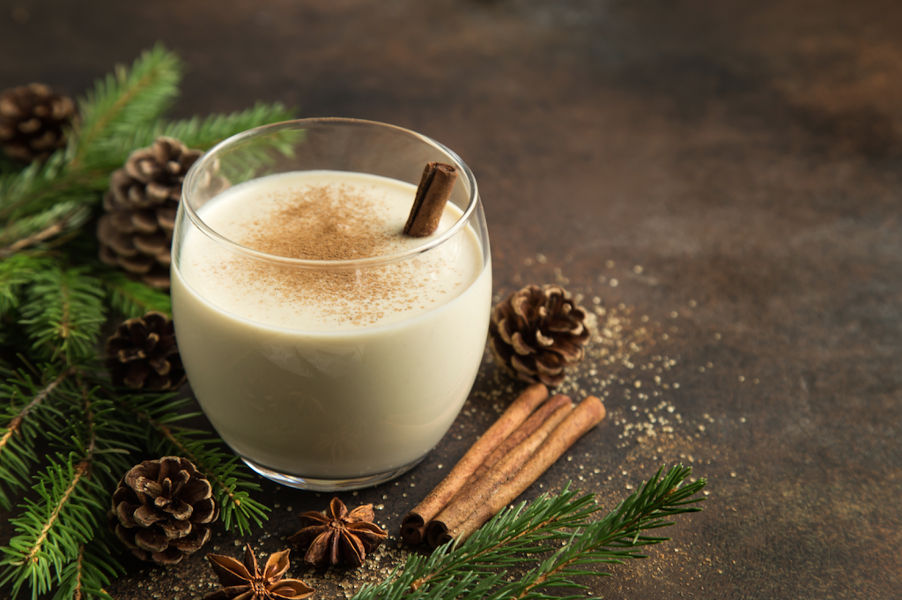
Creamy South African Eggnog

Creamy South African Eggnog A Christmas classic with an African twist! This thick and creamy eggnog showcases South Africa’s famous Pinotage wine blended with brandy, the spice of nutmeg and eggs for a velvety texture.

The hybrid Pinotage grape lends dark, fruity notes and firm tannins to this concoction for added complexity. Topped with more nutmeg and crushed cinnamon, this eggnog is as comforting and delicious as any holiday could wish for. It’s a delightful treat with Christmas cookies or puddings too.

African Christmas Drinks
Image Credit: The Recipe

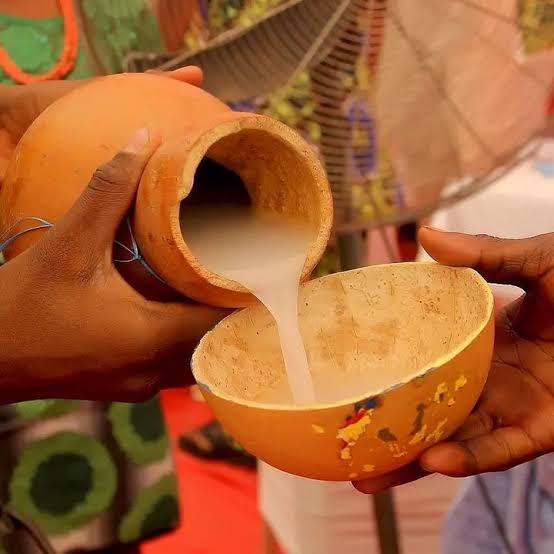
Palm Wine

Festive Palm Wine The naturally fermented sap from various palm trees makes a refreshing and festive Christmas drink in many parts of tropical Africa. Palm wine has been produced for thousands of years, traditionally tapped from trees like the Raffia or Oil palm before fermenting into a low-alcohol, effervescent beverage.

With a cloudy white appearance and tart, vinous flavors, palm wine makes a bubbling party drink across West and Central Africa. Add slices of citrus or fresh pineapple to enhance the zesty, tart qualities. It’s light, fizzy and full of flavor for Christmas celebrations.

Weird African Food- Palm wine
Palm Wine

Zesty Zobo Drink

Also known as Sorrel Drink or Bissap, this West African favorite blends hibiscus flowers and fruit juices for a zingy Christmas punch. The ruby-red drink boasts a sharp, tart but lively flavor thanks to the hibiscus flowers blending with tropical fruit juices like pineapple, orange and lemon.

The sweet fruit balances brilliantly against the flowers’ acidic bite. As a non-alcoholic Christmas drink, Zobo drink keeps the cheer flowing with its intense crimson shade and sweet-and-sour taste. For added holiday pizazz, top with orange slices, mint leaves or pomegranate seeds.

Health Benefits of Zobo Drink

Ginger Beer

Spicy Ginger Beer Handcrafted ginger beer serves as a warming, belly-soothing Christmas beverage across Africa. Made by fermenting water, sugar, ginger root, lemon rinds and yeast, the spicy-sweet ginger beer features lively carbonation and bold ginger heat. Creative blends might also contain truthful cloves, cinnamon sticks or nutmeg spice for extra Christmas character.

But the bright, gingery burn is what makes it such an excellent pairing for holiday roasts, glazed hams or rich stews. For a special occasion, use homemade ginger beer to craft festive cocktails too!

Coconutty Dawa (African Cocktail)

This Kenyan Christmas cocktail mixes vodka with honey, lime juice and coconut for a smooth, tropical drink. Known as Dawa, the name meaning “medicine” in Swahili, this sweet-sour mixed drink soothes and livens any holiday gathering.

Blending fragrant coconut extracts with the tangy citrus and kick of vodka creates a creamy, candy-like cocktail exploding with fresh flavors. Garnished with lime wedges and toasted coconut flakes, Dawa makes a tempting yet light Christmas tipple across East Africa and beyond.

dawa will drink for travel

Thick & Creamy Amasi

Amasi is a thick, yogurt-like dairy drink popular across Southern Africa. Made by fermenting raw milk with cultures of Lactobacillus bacteria, Amasi boasts a thick milkshake-like texture with pleasant sour notes. As a cooling probiotic drink, Amasi is thicker than regular milk with tangy zip.

The versatility of Amasi makes it the perfect addition to an African Christmas breakfast or even as an alternative to eggnog. Simply mix in sweet honey, cinnamon and nutmeg for added holiday charm. Or enjoy it straight up to soothe your stomach after a hearty Christmas feast!

Thick Creamy Amasi taste atlas scaled

Frothy Chibuku

This opaque, frothy beer originating from Zimbabwe makes for lively Christmas drinking! Brewed from corn, sorghum and yeast, Chibuku is often also called “shake shake” thanks to the sediment that shakes up when poured into your glass.

Natural fermentation gives this milky beer sweet fruity scents and a pleasant sourdough aroma. With a mildly alcoholic yet refreshing flavor, Chibuku is an easy-drinking option for Christmas parties and gatherings across Africa. It finishes quickly with a frothy head, allowing the festivities to keep flowing smoothly all night long!

South African Rock Shandy

Why not blend the best of both worlds with a delicious South African Rock Shandy this Christmas? This beer cocktail mixes an amber lager like Castle or Lion with lemonade or soda water for a refreshing, fizzy drink.

The sharp bite of citrus cuts through the grainy malt character beautifully. It’s crisp, delicious and ends in a sudsy head. With bright lemon notes and easy drinkability, it’s an ideal Beach Christmas beverage too. Garnish your Rock Shandy with lemon wedges or fresh berries to intensify that sweet-tart flavor.

Spiced Sobia Drink

Lastly, warm up with Egypt’s comforting Sobia tea spiced to perfection this Christmas. This West African favorite blends cocoa powder, milk, ginger and guinea pepper for a soothing, full-bodied drink.

Natural honey sweetens while allspice, cloves and nutmeg add festive flair. With bold ginger notes and silky cocoa richness paired with fragrant spices, Sobia tea reflects winter’s cozy essence in a cup. Sip slowly to savor the spicy warmth flowing all the way down. Frothy and velvety, Sobia drink makes a signature African winter beverage the whole family will adore this Christmas.

Sobia drink - African beverages
Image credit: Open Drinks

This list just skims the surface of the different and vibrant holiday drinks to discover across Africa. No matter your taste preference or the occasion, Africa’s mix of festive exotic flavors is sure to astound and delight this Christmas season.

So raise a hearty toast with creamy, spicy or sparkling African drinks as your next holiday tradition! These 10 Christmas beverages offer just a preview of the diverse flavors blending traditional recipes with local flair.

15 Delicious Nigerian Foods for Weight Loss

0

Nigerian dishes are packed with vibrant flavors and textures that you would enjoy and leave you asking for more.

However, many classic Nigerian dishes are also high in calories, refined carbs, and unhealthy fats. This can make it challenging to lose weight while still enjoying your favorite comforting foods.

The good news? You absolutely can achieve your weight loss goals by eating Nigerian food for weight loss. There are plenty of nutritious, waistloss-friendly Nigerian foods that can help you maintain a healthy diet.

In this article, we’ll explore 15 delicious, authentic Nigerian dishes that support weight loss efforts. These foods are packed with protein, fiber, healthy fats, and other slimming nutrients to help crush cravings, burn fat, and accelerate results.

Let’s get started!

15 Nigerian Foods for Weight Loss To Include in Your Diets

Low-Carb Cauliflower Jollof Rice

Jollof rice is a beloved one-pot rice dish made with tomatoes, scotch bonnets, and aromatic spices. It’s a staple at parties and gatherings.

Traditional jollof is usually made with white rice, which is high in refined carbs. However, you can keep the iconic flavors of jollof while reducing carbs by swapping rice for riced cauliflower.

Cauliflower rice contains about 90% fewer carbs than regular rice, making it keto, paleo, and diabetic-friendly. Cook up cauli-rice with classic jollof ingredients like tomatoes, onions, and spices for a lighter, nutritious version.

Jollof rice day

Protein-Packed Pepper Soup

Nigerian pepper soup is perfect for your weight loss journey, a flavor-packed broth swimming with tender meats and warming spices. It’s regarded as a healing, rejuvenating food.

Filled with protein and low in carbs, pepper soup makes a fantastically nourishing, weight-loss meal. Goat meat pepper soup is especially waistline-friendly since goat contains less saturated fat than beef or pork.

For maximum nutrition, use a combo of lean meats like chicken, turkey, goat, fish and embellish with metabolism-boosting spices like garlic, ginger, and chili peppers.

catfish pepper soup scaled
image from: Pinterest.com

Fiber-Rich Moi Moi

This steamed bean pudding garnished with fish and veggies makes an incredibly healthy, protein-packed main or side meal.

Beans supply a powerful dose of slimming fiber. Studies show that eating more beans and legumes promotes weight loss and reduces body fat.

Thanks to its high fiber and protein content, moi moi can crush hunger, balance blood sugar, and keep you burning fat in between meals.

moi moinigeria scaled

Nutrient-Dense Eggs

Eggs are one of nature’s finest weight loss foods. High in protein and healthy fats, with few carbs, eggs are very effective at inducing feelings of fullness and controlling appetite.

Eating eggs for breakfast may promote weight loss better than carb-heavy breakfast foods.

Enjoy Nigerian-style eggs boiled, scrambled, or as a veggie-packed omelet. You can also throw eggs into soups, stews, and other dishes.

Breakfast ideas

Okra Soup

With its vibrant green color and distinctive, gelatinous texture, okra soup is one of the most recognizable Nigerian dishes.

Okra is highly nutritious, supplying a bonanza of antioxidants, vitamin K, folate, and vitamin C. It also contains insoluble fiber that feeds healthy gut bacteria.

Research shows okra extract reduces fat absorption from food, lowers cholesterol, and accelerates metabolism and fat-burning. It may also decrease the absorption of dietary carbs.

Seafood and goat meat okra soups make especially weight loss choices.

okra soup-african soup

Unripe Plantains

Unripe green plantains offer a fantastic high-fiber carb option in place of starchy options like yams and white rice.

Unripe plantains contain more resistant starch and less sugar than ripe plantains, making them better for weight control. You can boil, grill, or mash them into a meal prep-friendly side dish.

Or try using unripe plantain flour in classics like amala. The high fiber will steadily release energy and keep satisfying your hunger while achieving your weight loss goal.

Plantain Flour

Omega-3 Rich Grilled Fish

Protein-packed catfish, omega-3 rich mackerel and herring, Nigeria is home to many slim and nourishing fish.

Fatty fish varieties like salmon and sardines contain inflammation-reducing omega-3 fats that enhance weight loss and promote optimal health. Even leaner fish supply high-quality protein to build muscle and torch calories.

Grill, bake, or steam your fish, then serve with veggie sides like greens and salad for belly-filling, waist-slimming meals.

Fried fish ugali and kales 2

Bitter Leaf Soup

Deep green, pleasantly bitter leaf is used to prepare a range of nutritious Nigerian soups and stews. Bitter leaf contains alkaloids and flavonoids with anti-diabetic, cholesterol-lowering, anti-tumor and metabolism-enhancing effects.

Bitter leaf also suppresses appetite thanks to its fiber content and bitterness. This helps reduce calorie intake so you shed pounds.

For best results, pair bitter leaf soup with a lean protein like grilled fish. You’ll ramp up nutrients while controlling portions.

bitter leaf soup 4

Protein-Rich Ofada Rice

Interested in swapping out refined white rice for a slimming, nutrient-packed alternative? Try ofada rice!

Unlike white rice which has the bran removed, Ofada rice is less processed so it retains far more vitamins, protein and belly-filling fiber.

Ofada rice also has a delicious nutty taste and pleasing al dente texture. Serve it with classic palm oil-based ofada stew for a flavor and nutrition powerhouse meal.

Ogbono Soup

Ogbono soup owes its uniquely texture to ogbono seeds (African bush mango seeds). Ogbono seeds supply a soluble fiber called gum that expands in liquid to form a dense, mucilaginous texture.

This soluble fiber promotes satiety and slows digestion, helping you feel full and satisfied on fewer calories. Paired with protein-rich meat or fish, ogbono soup makes a filling, nourishing weight-loss meal.

OBGONO SOUP. scaled
ogbono soup

Edikaikong Soup

A speciality of the Efik and Ibibio peoples of Nigeria, edikaikong soup features vegetables, assorted meats, dried fish, and nutty periwinkle snails.

It makes a fantastic high protein meal to build metabolism-boosting muscle and torch fat. It also supplies hunger-taming soluble fiber from the snails.

For best results, load your edikaikong with extra lean beef and chicken, skip added oils, and pair with a green salad.

Vitamin A Edikaikong Soup
Image Credit : Dream Africa

Vegetable Soup (Efo Riro)

This mixed veggie soup includes a rainbow of produce like tomatoes, scotch bonnet, spinach and onions simmered in broth. It makes a fantastic starter to any Nigerian-style meal.

Packed with satiating fiber, and nutrients, and very low in calories, vegetable soup is diet-friendly and health-promoting. Folate-rich veggies may also help block fat absorption.

Spice up your soup with metabolism-boosting ginger, garlic and chili peppers. The heat from peppers can temporarily speed up calorie burn.

efo riro e1466588730366 scaled

Akara

These irresistible deep-fried bean balls make a deliciously weight-loss snack.

Akara owes its fat-fighting powers to its very high protein and fiber content. Expect a small serving to crush cravings for hours on end.

Akara also supplies iron, magnesium, potassium and B vitamins. For extra nutrition and staying power, look for versions stuffed with veggies.

akara recipe

Tiger Nuts

Also called aya in Hausa, ofio in Yoruba and akiausa in Igbo, vitamin-rich tiger nuts have long been used as famine food in Nigeria thanks to their stellar nutrient content.

Tiger nuts fight inflammation, improve gut health, and enhance insulin sensitivity thanks to their rich supply of vitamin E, zinc, magnesium, and antioxidant plant compounds.

Tigernuts make a fantastic ingredient in drinks, cereals, crackers, pancakes, and more to slash inflammation and shed some weight.

Tigernut Drink
Tigernut Drink

Nsala Soup

A speciality of the Igbo people, this soul-warming soup features tender goat meat pieces in a rich, spicy palm oil broth garnished with bitter leaves.

Goat meat provides lots of slimming protein. Bitterleaf ramps up your metabolism and suppresses appetite thanks to its alkaloid content. And the healthy fats in palm oil help you absorb fat-soluble vitamins.

Nsala Soup
Image Credit: All Nigerian Recipes

What Nigerian Food Is Low in Calories?

Vegetable soups like Efo Riro or Okra Soup are low-calorie Nigerian options. They’re rich in vitamins, fiber, and flavor while being relatively low in calories. These soups typically contain assorted vegetables like spinach, tomatoes, peppers, and often some protein like fish or lean meat.

Their nutrient density and lower caloric content make them a great choice for those aiming for weight loss and healthier diets.

Which Nigerian Swallow Is Best for Weight Loss?

Of the Nigerian swallows, using smaller portions of whole-grain swallows like Whole Wheat or cabbage Fufu and Amala (from plantain flour) can aid weight loss due to their higher fiber content, aiding in better digestion and keeping you fuller for longer.

Pairing these swallows with generous servings of vegetable soups or lean protein-based stews can create a balanced, satisfying meal, supporting weight loss goals while enjoying your Nigerian dishes.

What Can I Eat for Breakfast in Nigeria for Weight Loss?

Opt for a breakfast in Nigeria that includes high-fiber foods and protein. A nutritious choice could be moi moi (steamed bean pudding) made with less oil, paired with a side of Eko/Agidi or a small portion of whole-grain oatmeal.

Alternatively, boiled plantains with a serving of vegetable soup or a small portion of cauliflower rice with grilled fish are excellent options. These choices provide a good balance of nutrients, keeping you fuller for longer and supporting weight loss while embracing delicious Nigerian flavors.

Conclusion

Losing weight while still enjoying flavorful, traditional cuisine is possible with Nigerian food. Incorporate slimming superfoods like okra, bitterleaf, beans, eggs, vegetables, fish and unprocessed carbs into your routine.

Pair hunger-satisfying, nutrient-packed Nigerian dishes with an active lifestyle and you’ll be rocking your dream figure in no time – no deprivation required. Just wholesome, delicious foods that nurture your body.

“Name that Food: Identify Food Ingredients in this Picture Quiz!”

0
78

How well do you know what you eat?

1 / 7

fennel seed

2 / 7

Bay Leaves Substitute

3 / 7

cinnamon

4 / 7

Cayenne Pepper

5 / 7

picture of tamarind scaled

6 / 7

cassava

7 / 7

melon seed

QUICK RECIPES