

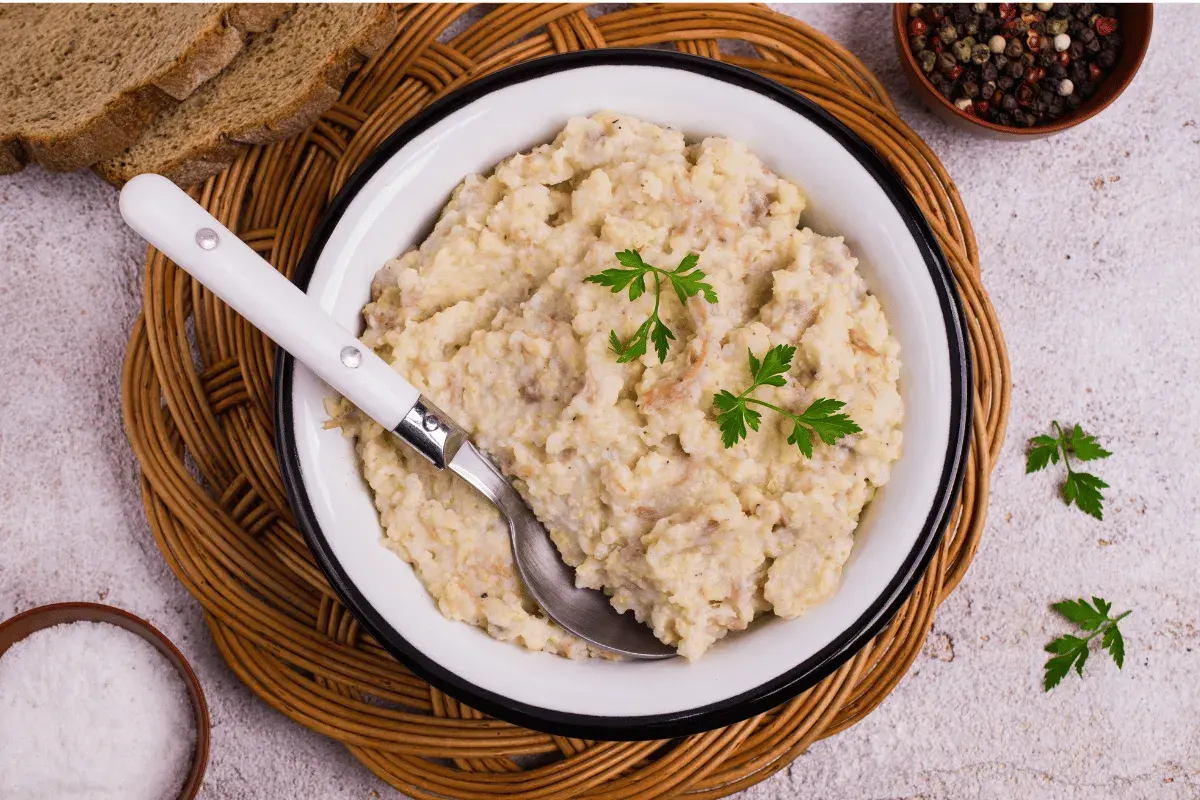
Millet Porridge
Overview
Millet porridge is one of the oldest breakfasts on the continent. Millet is an ancient cereal grain eaten across Africa and Asia for thousands of years, and pearl millet in particular is a staple across the Sahel, where it grows in conditions that defeat most other grains. Porridges made from it appear under many names. Fura in northern Nigeria and Niger is millet worked into balls and mixed with fermented milk. Ogi and koko are made from fermented millet or maize across West Africa. Uji in East Africa is often millet based. This particular recipe is a plainer, contemporary preparation, rinsed and simmered rather than fermented, and its flavour ideas run to cinnamon apple and pumpkin spice, which places it in a Western health food register rather than a West African one. The grain itself does the work. Millet has a mild, faintly sweet and nutty flavour, cooks to a texture close to cream of wheat, and turns genuinely creamy when blended after cooking. It carries more protein and fibre than most grains and no gluten at all, which is why it has found a second audience outside the regions that have always eaten it. No country is claimed here, because the porridge as written belongs to none in particular.
AFN Heritage Note
Millet has been cultivated and eaten across Africa and Asia for several thousand years, and pearl millet is a staple cereal of the Sahel. Millet porridges are documented across West and East Africa under names including fura, ogi, koko and uji.
Ingredients
Dietary tags are provided by contributors as a guide, not verified by AFN, and they depend on the products you buy. If you have a serious allergy, check every ingredient yourself. Cooking, allergies and your own judgement
Directions
- 1
Rinse the millet in a fine mesh strainer until the water runs clear, which removes dust and debris.
- 2
Put the millet and the water or non-dairy milk into a small saucepan.
- 3
Bring to the boil over high heat.
- 4
Reduce the heat to low, cover the pan and simmer for 15 to 20 minutes, until the millet has absorbed all the liquid and is soft.
- 5
For a creamier porridge, blend with an immersion blender for 1 to 2 minutes until smooth.
- 6
Stir in extra milk, sweetener, spices or toppings as you like, and serve.
Africook’s Notes
 Personal notes from Deborah Olayiwola
- Rinse the millet properly first. It is a small grain and often carries dust, and unrinsed millet can taste faintly bitter.
- Work to two parts liquid to one part millet, or up to three parts for a thinner porridge.
- Blend after cooking rather than before. A minute with an immersion blender is the difference between a grainy porridge and a genuinely creamy one.
- Toasting the dry millet in the pan for a minute before adding liquid deepens the nutty flavour considerably.
- It keeps one to two days refrigerated. Reheat with a splash of milk, since it sets firm when cold.
- A slow cooker works: the same one cup to two cups ratio, on low for 7 to 9 hours or high for 3 to 4.
Reviews
6 reviews
You Might Also Like

Papaya Smoothie for Weight Loss

How to Make Crispy Fried Chicken Feet
Tripe (Mogodu)
In Tanzania we make uji wa uwele, so this brought warm memories. I used coconut milk instead of plain water and added fresh ground cardamom while it simmered for the 20 minutes. Soft, simple and comforting for breakfast. Shukran.
Ah Baraka, that coconut milk and cardamom idea is brilliant! Growing up in Zim, millet, we call it mhunga, was a staple for both morning porridge and proper thick sadza remhunga. Sourcing coarse mhunga here in Luton is quite a mission, so I usually buy pearl millet from the South Asian grocers instead. I am definitely trying your coconut milk trick this week!
my chicago winter needed this today. bought hulled millet at whole foods since I couldnt get to the african market in uptown. 2 cups of water to 1 cup millet was way too dry after 15 mins on my stove, I had to add almost a whole extra cup of warm liquid to get the grains soft enough. turned out nice after blending though.
Chale whole grain millet is quite different from our fermented Hausa koko oo, but I tried this method today. Rinsing the grains properly in a fine mesh strainer is super important or you will taste dust. Added cinnamon and toasted cashew nuts on top. Very filling paa.
Herh, getting raw millet here in the Bronx was easy at the Indian grocer, but 20 minutes simmer on low and my grains were still quite chewy? I had to pour in more water and cook for another 10 mins. The stick blender saved the texture in the end though.
Used almond milk and added plenty cardamom with a little honey. That tip to use the immersion blender at the end made it so smooth, almost like hausa koko consistency without the sourness. E sweet sha o.