Shakshouka

Shakshouka or Chakchouka is a Tunisian and Israeli dish that consists of tomatoes, onions, peppers, spices, and eggs. It’s typically eaten for breakfast or lunch, but I think it’s delicious any time of day. It’s also simple to make.
Some food historians believe shakshouka originated in Yemen, while others believe it originated in the Ottoman Empire. The food is only known to Israel to have originated in northeast African societies, notably the Lybian-Tunisian region.
It’s related to the Turkish dish ‘Menemen’ and the Latin American breakfast dish ‘Huevos Rancheros.’
Today, this dish is most strongly associated with the Middle East, particularly Israel, where it was introduced by Jewish immigrants from Tunisia, Morocco, Algeria, and Libya. It’s always been a cheap, filling, and simple meal, so it’s no surprise it’s grown in popularity all over the world.

Shakshouka Origin

According to Joan Nathan, shakshouka began in Ottoman North Africa in the mid-16th century, after Hernan Cortés brought tomatoes to the region as part of the Columbian exchange.

The dish’s origins are still a source of debate, with claims of Libyan, Moroccan, Tunisian, Turkish, Algerian, and Yemeni origins. Tomatoes and peppers are notable New World ingredients that only became commonplace following the Columbian exchange in subsequent centuries.

The dish has been a staple of Sephardic cuisine for years, and it was brought to Israel in the 1950s and 1960s by Jewish immigrants from Libya and Tunisia, though it was only popularized on menus in the 1990s. Bino Gabso, the son of Jewish émigrés from Tripoli, who took over his father’s restaurant in Jaffa in 1991 and renamed it Dr Shakshuka, is largely responsible for its present fame in Israel.

Variations of Shakshouka

The basic sauce can be made in a variety of ways, with different levels of spice and sweetness. Preserved lemon, salty sheep milk cheeses, olives, harissa, or a spicy sausage like chorizo or merguez are all popular additions. Shakshouka is cooked with poached eggs, although they can also be scrambled like the Turkish menemen.

Shakshouka can be cooked using lamb mince, roasted whole spices, yogurt, and fresh herbs in some form

Ground coriander, caraway, paprika, cumin, and cayenne pepper are examples of spices. Tunisian cooks can serve the meal with potatoes, wide beans, artichoke hearts, or courgettes. Shakshouka can also be made using matbukha, a North African dish.

How To Serve Shakshouka

The ideal method to serve a shakshouka is to make it the main course and then serve it with a variety of mini plates. Bread, simple vegetable salads, and spreads are generally included. You get a complete, fulfilling, and healthy meal to share with friends or family when you get together.

Chakchouka

Prep Time 10 minutes
Cook Time 20 minutes
Servings 0

Ingredients
  

  • 3 tbsps. olive oil
  • 1 ⅓ cups chopped onion
  • 1 cup thinly sliced bell peppers any color
  • 2 cloves garlic minced, or to taste
  • cups chopped tomatoes
  • 1 tsp ground cumin
  • 1 tsp paprika
  • 1 tsp salt
  • 1 hot chili pepper seeded and finely chopped, or to taste
  • 4 eggs

Instructions
 

  • Heat the olive oil in a skillet over medium heat.
  • Stir in the onion, bell peppers, and garlic; cook and stir until the vegetables have softened and the onion has turned translucent, about 5 minutes.
  • Combine the tomatoes, cumin, paprika, salt, and chile pepper into a bowl and mix briefly.
  • Pour the tomato mixture into the skillet, and stir to combine.
  • Simmer, uncovered, until the tomato juices have cooked off, about 10 minutes.
  • Make four indentations in the tomato mixture for the eggs.
  • Crack the eggs into the indentations.
  • Cover the skillet and let the eggs cook until they're firm but not dry, about 5 minutes.
Tried this recipe?Let us know how it was!

Harira

Harira, a flavorful Moroccan soup made with dried legumes such as lentils, chickpeas, and fava beans, is normally served with lamb or lamb broth, but this version is vegan.
Although it is traditionally eaten to break the fast during Ramadan, it is also served throughout the year. The soup tastes best the next day after the flavors have merged, but it may thicken if refrigerated. When warming, thin with water or broth and adjust the salt.

What is Harira?

Harira is is a typical North African soup that is made in Morocco and Algeria. It is popular as a starter, but it can also be eaten as a light snack on its own. There are various versions, and it is typically served during Ramadan, however, it can be cooked at any time of year.

It is also used in Maghrebi cuisine, where lemon juice and egg are used to enhance the flavors of the soup. Jews, like Muslims, break their fast with the filling soup during Yom Kippur, just as they do during Iftar.

The name harira, which is derived from the Arabic word for silk, refers to the texture of the soup after it has been thickened with eggs or a tedouira of flour and water. The tedouira (thickener) may contain yeast and be let to ferment for a day or two.

Although harira is made all year, it is most commonly linked with Ramadan, when it is eaten alongside chebakia and other traditional meals to break the fast. This custom is so deeply engrained in Moroccan culture that many Moroccans consider a Ramadan meal incomplete unless harira is served.

How Does Harira Taste?

It’s tangy, sweet, and just savory enough to keep you going back for more. The soup is calming and easy on the stomach on an empty stomach, and it helps to prepare the body for the heavy meal that follows. It has an “important nutritional role and helps you to fast throughout the day.

During the month of Ramadan, the most popular recipe is harira. You can walk through the streets of any Moroccan city and smell it, or better yet, hear the whistling of pressure cookers.

Things To Know About Harira

  • It’s generally served with dates or chebakia.
  • It is offered as an appetizer.
  • During the month of Ramadan, it is served virtually every day for Iftar (Breaking the fast).
  • To enhance the flavor, it’s frequently served with a squeeze of lemon.
  • It can be cooked with or without meat.

Harira

Prep Time 2 minutes
Cook Time 1 hour
Servings 0

Ingredients
  

  • 1 pound cubed lamb meat
  • 1 tsp ground turmeric
  • 1 1/2 tsps ground black pepper
  • 1 tsp ground cinnamon
  • 1/4 tsp ground ginger
  • 1/4 tsp ground cayenne pepper
  • 2 tbsp margarine
  • 3/4 cup chopped celery
  • 1 onion chopped
  • 1 red onion chopped
  • 1/2 cup chopped fresh cilantro
  • 1 29 ounce can diced tomatoes
  • 7 cups water
  • 3/4 cup green lentils
  • 1 15 ounce can garbanzo beans drained
  • 4 ounces vermicelli pasta
  • 2 eggs beaten
  • 1 lemon juiced

Instructions
 

  • Place the lamb, turmeric, black pepper, cinnamon, ginger, cayenne, butter, celery, onion, and cilantro into a large soup pot over a low heat.
  • Stir frequently for 5 minutes.
  • Pour tomatoes (reserve juice) into the mixture and let simmer for 15 minutes.
  • Pour tomato juice, 7 cups water, and the lentils into the pot.
  • Bring the mixture to a boil, then reduce the heat to simmer.
  • Let soup simmer, covered, for 2 hours.
  • About 10 minutes before serving turn the heat to medium-high, place chickpeas and noodles into the soup, let cook about 10 minutes (until noodles are al dente).
  • Stir in lemon and eggs, let eggs cook 1 minute.
Tried this recipe?Let us know how it was!

Gages

Have you been looking for a lovely recipe to prepare gages? Then you have it here! This recipe is very easy to make. It is a delicious vegetable dish from Sierra Leone. A tantalizing marinated eggplant and tomato salad tossed with coconut and peanuts just before serving for an exotic crunch.

Are Gages Healthy?

Yes, it is. Whether you are looking for an all-inclusive health and wellness solution or just need to lower a specific weekly nutritive value, this recipe has a wide array of health benefits.

How To Make

To make, you start by Melting the butter in a large skillet over medium heat. Fry the eggplant in the butter until lightly browned, stirring frequently. Remove from heat, and set aside to cool slightly.
Then, In a large bowl, combine the hot pepper, tomatoes, onion, and eggplant. Mix together the vinegar and oil, pour over the vegetables, and toss gently to coat. Cover, and chill for at least 3 hours, or overnight. Toss salad with coconut and peanuts just before serving. What an easy recipe!
This is such a quick and easy recipe to make, I hope you enjoy this unique Gages!

Gages

This is a delicious vegetable dish from Sierra Leone. A tantalizing marinated eggplant and tomato salad tossed with coconut and peanuts just before serving for an exotic crunch.
Prep Time 40 minutes
Cook Time 1 hour
Total Time 1 hour 40 minutes
Cuisine African
Servings 0

Ingredients
  

  • 1 tablespoon butter
  • 1 eggplant, peeled and thinly sliced
  • 1 fresh red chille pepper, seeded and chopped
  • 4 tomatoes, sliced
  • 1 red onion, sliced
  • 1/4 cup vinegar
  • 3 tablespoons vegetable oil
  • 1/4 cup unsweetened flaked coconut
  • 1/4 cup unsalted dry-roasted peanuts

Instructions
 

  • Melt butter in a large skillet over medium heat.
  • Fry the eggplant in the butter until lightly browned, stirring frequently.
  • Remove from heat, and set aside to cool slightly.In a large bowl, combine the hot pepper, tomatoes, onion, and eggplant.
  • Mix together the vinegar and oil, pour over the vegetables, and toss gently to coat.
  • Cover, and chill for at least 3 hours, or overnight.
  • Toss salad with coconut and peanuts just before serving.
Tried this recipe?Let us know how it was!

Meni-Meniyong

1
Meni-meniyong honey sticks are easy to make and lovely with a cup of tea. The combination of roasted sesame seeds and honey is great.  The sticks are reminiscent of a brittle type of candy.
These delicious sticks can be used as part of the tea ritual or as a snack anytime the urge for something sweet arises.   They are also called Malinese sesame, a quick and easy dessert, enjoy!

Origin of Meni-Meniyong

The traditional menu-meniyong cookie is from Mali.   The market in Mali is still the place to meet, do business, have a snack at a street stall, and, of course, do your daily shopping. These crunchy sweet sesame cookies can be found in every Mali market.

The traditional meniyong biscuit is usually this rectangular shape and is a popular treat after the shopping is done. Mali produces a lot of sesame seeds and it is one of the larger export products.

How To Prepare Meni-meniyong

These cookies are perfect to make last-minute for Easter. I cut them into rectangles but you can easily choose any shape you would like. You can even use little molds in the shape of an egg or a bunny!

Nowadays the honey in the recipe is often replaced by sugar, which makes the cookie cheaper. But you can taste the difference. Honey is simply much tastier.

The temperature of the caramel is important when you make meniyong. It must turn hard when it cools down. When you boil the honey mixture too long the biscuit becomes rock hard, but if you are impatient and you don’t boil it long enough you will end up with toffee instead of a cookie.

If you find your mini-meniyong cookie is not firm enough after cooling, you can simply let it melt again in the pan and leave it to boil for a little longer. But you can also just accept your fate.

Meni-meniyong Variations

  • For a tasty coating that will keep fingers less sticky, roll the candy in more toasted sesame seeds to coat after cutting it into pieces.

Did you enjoy this article on How To Make Meni-meniyong cookies from Mali? If so, make sure to check out these other recipes that I picked out just for you:

I hope you’ll like this recipe and please if you make this recipe, leave a comment below. Thanks for reading!

Meni-Meniyong

Meni-meniyong is a  very wonderful Malinese sesame-honey sweet. It's easy to make and is great for kids and adults alike.
Prep Time 30 minutes
Cook Time 1 hour
Total Time 1 hour 30 minutes
Course Dessert
Cuisine Mali
Servings 6

Ingredients
  

  • Sesame seeds -1 cup
  • Honey -1 cup
  • Butter, unsalted -4 tablespoons

Instructions
 

  • Preheat oven to 450ºF. Spread the sesame seeds on a baking sheet and toast in the oven for about 10 to 12 minutes.
  • Remove and cool.
  • Heat the honey and butter in a small saucepan over medium-low heat, stirring until it bubbles and darkens somewhat, about 3 to 5 minutes.
  • Stir the toasted sesame seeds into honey mixture. Spread the mass onto a buttered baking sheet to a thickness of about 1/4 inch.
  • Cool until it is just warm and break or cut into finger-sized pieces. Cool completely and serve.
Tried this recipe?Let us know how it was!

Asaro (Yam Porridge)

Another great Nigerian meal is yam porridge, or Asaro, which is cooked till soft and fluffy with some yam pieces in a well-seasoned pepper mix. It’s a simple and quick dish to prepare. This dish, also known as Mpoto Mpoto in Ghana, is great for dinner or lunch, and it’s a crowd-pleaser at parties.

Porridge yam is one of the most delicious foods in Nigeria. Although it’s mostly known as a porridge one could compare it more to mashed potatoes. Instead of just serving plane mashed yam add all these delicious species and ingredients to come up with this delicious dish that originally comes from the Yoruba people of Nigeria, but is now eaten all over the country and beyond.

Difference Between Porridge and Pottage

Porridge is a term used in other European nations to describe a meal cooked from various grains (rice, buckwheat, semolina, etc.) that has been boiled in water. This meal is best served hot with butter or a sauce.

Nigerians do not prepare porridge in the manner that Europeans do. Our ‘porridge’ is actually ‘pottage,’ which is made with yam, beans, other vegetables, and, in certain cases, meat. The phrase ‘pottage’ actually refers to Nigerian ‘porridge,’ as the two terms are used interchangeably in our country.

According to some sources, the word ‘pottage’ may have come from ‘a pot,’ as this is the element used in Nigeria and around the world to mix and prepare a variety of ingredients.

How To Make Asaro

Yam Pottage is a household name and this explains its easy preparation procedures.. It’s a popular Nigerian meal made with mashed yams and tomato stew. You have the option of having your Asaro – Yam pottage pureed or partially pureed.

‘Yam Poh’ is another name for Asaro. This is a simple and delicious yam porridge recipe that will keep you coming back for more. But the good news is that it’s simple to prepare and takes approximately 30 minutes. This, however, is very dependent on the yam. However, yam is usually ready in a short amount of time. This recipe is good for any time of day.

There are a variety of ingredients that could be utilized to make this recipe. Don’t be put off by the long list of ingredients; the most of them are optional. Without the addition of proteins, yam pottage can still be enjoyed.

Asaro (Yam Porridge)

Prep Time 20 minutes
Cook Time 50 minutes
Servings 0

Ingredients
  

  • 1 tuber yam
  • 1 large onion
  • cloves garlic
  • 2 large red bell peppers
  • 1 scotch bonnet chili
  • 2 large tomatoes
  • 1 tsp powdered ginger
  • 1.5 tsps grated ginger1
  • 1 tsp Curry powder
  • 3 stock cubes
  • 1 tsp all-purpose seasoning
  • 1 bay leaf
  • 3 cups water
  • 0.5 cup palm oil

Instructions
 

  • Peel the yam and cut it into small cubes (2cm2) and leave it soaked in cold water.
  • Cut the onions, tomatoes chillis, and bell peppers into small pieces. Alternatively, blend it with a machine.
  • Add the cubed yam to a sizeable pot and add water to cover the yam.
  • Cook on medium to high heat for 15 mins.
  • Add the onions, tomatoes chillis, bell peppers, and the remaining ingredients
  • Stir to combine then re-cover the pot.
  • Continue boiling for 5 minutes then reduce to a simmer.
  • When the yam is soft, partly mash to aid thickening (do not mash all the yam soft, leave some lumpy).
  • Add salt to taste if needed and it’s ready to be served.
Tried this recipe?Let us know how it was!

Chicken Yassa

Poulet Yassa, which translates as Chicken Yassa in French, is a delectable Senegalese dish. Senegalese foods originate in the Casamance region. Chicken Yassa is now consumed throughout West Africa and is gaining popularity outside of the continent.
The chicken marinated in a sauce made primarily of onions and mustard has a distinct flavor and imparts the cuisine with Senegal’s delectable fusion flavors. Chicken Yassa is eaten with either rice or sweet potato.

When you think of yassa, the first thing that springs to mind is onion. Yes, onions form the basis of this delectable delicacy. However, a well-prepared yassa chicken speaks for itself.

What is Chicken Yassa?

Yassa is a fiery dish made with onions and either marinated chicken or marinated fish. Yassa, which originated in Senegal, has spread throughout West Africa.

Chicken Yassa (also known as Yassa au poulet) is a specialty of Senegal’s Casamance region in the south. It is made with onions, lemon, or mustard. Lamb and fish are also utilized for Yassa.

If you like onions, you’ll adore this onion feast of a juicy and savory Senegalese dish. It is a French-inspired dish that has been adopted by Senegalese, notably in Senegal’s Casamance region. You can use a complete chicken or only portions of it, such as thighs, breasts, or legs.

Chicken Yassa Recipe

Enjoy the flavors of West Africa with this Senegalese Poulet Yassa, which is made with chicken pieces that have been marinated overnight with onions, mustard, and lemon juice.
This dish is incredibly simple to prepare, smells fantastic, looks stunning, and tastes amazing. It’s unique and you can give it an absolute try using the following step-by-step procedure.


This is such a quick and easy recipe to make, I hope you enjoy this unique chicken Yassa!

Chicken Yassa

Prep Time 40 minutes
Cook Time 20 minutes
Servings 0

Ingredients
  

  • French mustard
  • 2 cubes chicken stock
  • 1 dried chili
  • pepper and salt
  • 1 cup water
  • Lemon juice or 4 squished lemons
  • 1 small chicken
  • peanut oil
  • 8 onions

Instructions
 

  • The best way to do is to marinade the chicken one day before.
  • Make the marinade sauce by mixing 2 tablespoons French mustard with 4 tablespoons of peanut oil and 6 tablespoons of lemon juice.
  • Cut the chicken into smaller pieces and use ¾ of the mix to marinate the chicken.
  • Keep the rest of the marinade for the next day.
  • Now let the chicken rest in the fridge for a day (if you don’t have a day then let it rest 3 hours at least)
  • Cut the 8 onions in large pieces and mix them with the rest of the marinade
  • Put 2 tablespoons of peanut oil in a large pan and heat it up.
  • Now fry the chicken on high heat so it will turn brown quickly.
  • Once fried turn the fire on low heat and add the onions and the rest of the marinade and cook for around 10 min.
  • Once the onions are soft you should add the chicken stock cubes and 2 cups of waters and soften, add the chicken pieces, stock cubes, 2 cups of water and the dried chili.
  • Now cook for around 45 minutes while stirring occasionally.
  • Taste with a spoon to see if extra salt or pepper is needed.
  • You can serve the rice with either cooked white rice (most common) or Sweet potato.
  • Enjoy the delicious taste of your homemade Poulet Yassa from Senegal.
Tried this recipe?Let us know how it was!

Tatale

Tatale is a delectable Ghanaian plantain dessert prepared from extremely ripe plantains. Plantain, often known as cooking banana, is a common component in West African cuisine.
Plantain is used in a variety of ways in Ghana, but one of the most popular Ghanaian dishes is Tatale. This delectable Ghanaian snack has a simple recipe and is so simple to create at home if you want to sample the rich flavors of West Africa. It is also consumed in Nigeria.
These Ghanaian plantain pancakes are simple to make and a great way to use up plantains you might not have thought to use.

What is Tatale?

Tatale is a traditional Ghanaian pancake-style snack made with plantains that are typically served as a side dish with Bambara beans or aboboi.

It is also known as the “golden pancake” due to its rich, yellowish color and as a nod to Ghana’s former appellation, the Gold Coast.

Tatale is a district in the country’s northern area, but the world knows it as a staple delicacy, currently a street snack in Ghanaian cuisine. It’s a simple pancake prepared from very ripe, blackened plantains.

This cuisine was invented for economic reasons, as humans in the past sought methods to employ overripe ingredients. It is reported to be served warm as an appetizer with various types of beans, cooked, fried, or much better, as a stew.

Tatale

Prep Time 30 minutes
Cook Time 1 hour
Servings 0

Ingredients
  

  • 4 very ripe plantains (turning black on the outside)
  • 2 Onions
  • 1 Ginger powder
  • red pepper (select the one you can handle)
  • Maisflour (or other type of flour if not available)
  • Peanut oil
  • salt

Instructions
 

  • Mash the plantains into a soft consistency with a masher or hand mixer.
  • Cut the pepper and onions into very tiny parts.
  • Add the pepper and onions together with a sniff of ginger and salt (according to taste) into the mix.
  • Add around 3 cups of maisflour and mix all very well into a well-bound texture.
  • Let the mix stand for about 30 minutes.
  • Fill a pot with peanut oil so it comes up around 2 inches from the bottom of the fire.
  • When the oil is hot enough you can use a big spoon to make round scoops from the mix and fry these scoops on both sides until they turn golden brown.
  • Let them leak out on a plate with kitchen paper before serving them as delicious snacks or as a side dish to your African meal.
Tried this recipe?Let us know how it was!

Sweet Stuffed Moroccan Chicken

Morocco is known for its unique African flavors, which are a combination of sweet and spicy. In that sense, this recipe for sweet almond and raisins stuffed chicken is the best of Moroccan cuisine.

The recipe serves 3-6 people and brings out a delicious mix of sweet and spicy flavors, making it one of the country’s favorites. The chicken stuffing is primarily made of raisins, almonds, and couscous, but the ginger and Safran add an oriental flair to the dish.

Is your mouth already watering? Mine is as well. If you’re eager to get started on this recipe, I recommend doubling it and freezing the leftovers. You’ll want more, believe me.

Tips On How To Make A Delicious Moroccan Chicken

  • Marinating the chicken ensures that the delicious herbs and spices are absorbed by the chicken.
  • Saffron infusion adds depth of flavor to the stock.
  • Using the marinade in the sauce results in an unbelievably flavorful sauce!

This Moroccan stuffed chicken recipe is a flavorful, aromatic dish. Serve with couscous for a filling, opulent meal.


Prepare time: 30 min
Cook: 40 min
Ready in: 1 hr 10 min

Ingredients

  • 3 small chickens (each around 600gr)
  • 120 gr almonds
  • 120 gr raisins
  • 400 gr instant couscous
  • 1 onion
  • 2 toes of garlic
  • boter
  • 1 tsp of cinnamon powder
  • 2 cinnamon sticks
  • ¼ tsp ginger powder
  • ¼ tsp Safran powder
  • 2 tbs of honey
  • 1 ½ tbs of powdered sugar
  • 750 ml water

Directions

  1. Fry the almonds in butter until golden brown
  2. Clean the chickens inside and outside
  3. Make the instant couscous following the instructions
  4. Mix the couscous with the raisins, almonds, 1 ½ tablespoon powdered sugar and 1 tablespoon of cinnamon powder.
  5.  fill up the 3 chickens with the mixed couscous.
  6. Close the chicken with toothpicks and rub the chicken with butter. The rest of the stuffing you will use later to serve it with.
  7. Grate the onion in a frying pan with butter and add 2 finely cut garlic toes, 2 cinnamon sticks, ¼ teaspoon of ginger powder, ¼ teaspoon of safran powder and finally 750ml water. cook it for a few minutes.
  8. Transfuse the sauce into a deep oven dish and put the stuffed chickens on top.
  9. Cover the oven dish with tinfoil and cook it in a preheated oven at 180c (360 fahrenheit) for 50 minutes while basting the chickens once in awhile.
  10.  Take out the chicken and put it on a heated plate.
  11. Transfuse the sauce into a small frying pan and cook it on high fire to make it thicker while adding 2 tablespoons of honey.
  12.  Heat the leftover stuffing and serve it on the plate next to the chicken and pour the thickened sauce over stuffing and chicken.

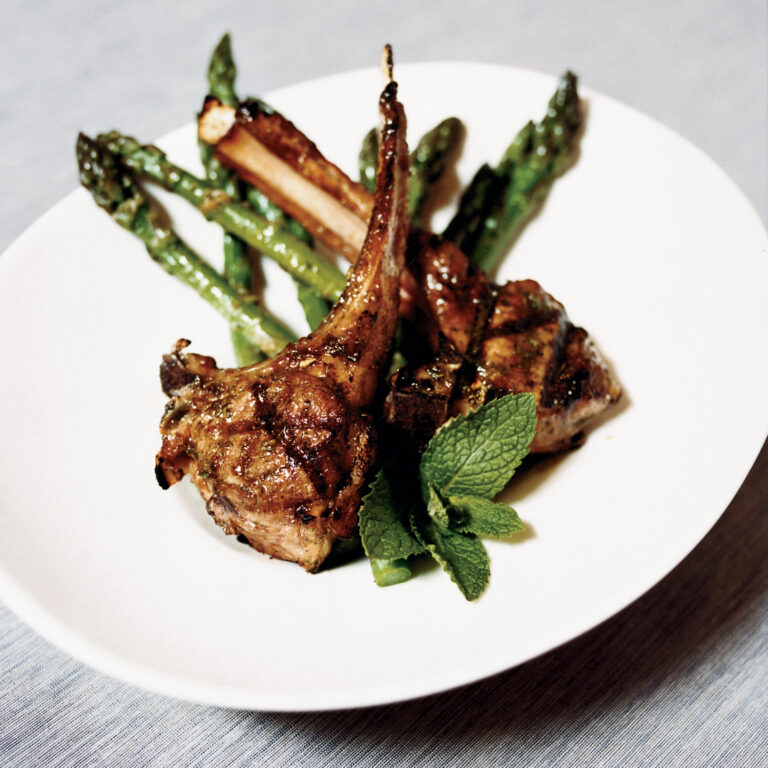
Lamb Chops, Chermoula & Rice

Moroccan cuisine includes lamb as an ingredient. Because the meat is used in a variety of dishes ranging from slow-cooked tajines to bbq fried lambchops. Moroccan lamb chops with Chermoula is the recipe.
According to Simply Recipes, it derives from the Arabic word chermel, which means “to rub” or “to marinate.”

What is Chermoula?

Chermoula is a North African sauce that is used in a variety of dishes ranging from fish to beef. However, when served with lamb chops and yellow rice, this coriander-based sauce shines. Lamb chops can be grilled or roasted. It is sauce made of fresh herbs such as parsley and cilantro, as well as garlic, citrus, and warm spices.

Chermoula is the perfect sauce to add flavor to your meals, with bright flavors from fresh herbs, lemon, ginger, and red pepper flakes. Serve it with fish or meat, stir it into soups, or spread it on sandwiches. There are so many delicious ways to use this herbaceous Moroccan sauce.

What Does Chermoula Taste Like?

Chermoula is a piquant, spicy, cilantro-forward green sauce from Northern Africa with a flavor profile that tastes like a cross between pesto, chimichurri, and salsa verde.

It is traditionally made with a pestle and mortar to blend the flavors while keeping the condiment thick, textured, and not too smooth.


Prepare time: 10 min
Cook: 15 min
Ready in: 25 min

Ingredients

  • 12 lambchops
  • Yellow rice
  • 1 tsp. Gingerpowder
  • ½ tsp. Paprika powder
  • ½ tsp. Cumin
  • 1 toe of garlic
  • 1/8 tsp. Cayenne powder
  • 2 tsp olive oil
  • salt and pepper
  • 1 red onion
  • 2 toes of garlic
  • 1 tsp. Cuminpowder
  • ¼ tsp. Salt
  • ¼ tsp. Pepper
  • bundle of fresh koriander
  • 1 tbs of lemon juice
  • 2 tbs of olive oil
  • 1 tsp. Lemon zest (lemon-skin)

Directions

  1. mix 2 tablespoons of olive oil with 1 teaspoon of ginger powder, ½ teaspoon of paprika powder, ½ teaspoon, 1/8 teaspoon of cayenne powder and some salt and pepper and add a crushed toe of garlic.
  2. Use this marinade to rub in the 12 lamb chops and let it marinade for at least 20 minutes.
  3. get a bowl and crush 2 garlic toes and grate one red onion.
  4. Cut the fresh koriander in small pieces.
  5. Grate a bit of lemonskin and add all of the other ingredients 1 teaspoon of cumin powder, ¼ teaspoon of both salt and pepper, 1 tablespoon of lemon juice and finely 2 tablespoons of olive oil.
  6. Mix well and put aside.
  7.  boil yellow rice
  8. fry or grill the marinated lamb chops for about 2 minutes on both sides.
  9. You can heat up the chermoula a bit in the microwave, but not necessary.
  10. Serve the lambchops on the yellow rice and add some chermoula on top.

Waakye Rice and Beans

0

This Ghanaian Waakye Rice and Beans dish, which is pronounced as “wa-chee” is one of the most popular street food in the country. It is sold by street-side vendors, wrapped in banana leaves, and served with multiple of the following sides.

Waakye Rice and Beans make the perfect “fully loaded plate” of food. It can be a complete meal because of the different accompaniments. It is also popular in other West African countries but just called different names. On the streets of Lagos in Nigeria, it is called “wanke”, while the Togolese call it “ayimolou”.

About Waakye Rice and Beans Recipe

Rice and beans are a staple of many countries and a go-to dish in times like these, requiring only a few staples (and cheap!) pantry items.

Waakye Rice & Beans is an incredibly popular breakfast. The best one you’ll ever eat can only be found in the streets of Ghana and each seller has its secret recipe – so no matter how much you try you’ll never be able to perfectly mimic it at home! Far more than just rice and beans, the dish here gets a ton of flavorful toppings, usually boiled spaghetti (Talia); cassava flakes (gari), shito (a hot sauce); boiled eggs; fried fish/meat; and my favorite, fried plantains.

The only ingredient unlikely to be in anyone’s kitchen is the dried red sorghum leaves, often called waakye leaves. They are boiled with rice and are what give it its characteristic reddish color on top of considerable nutritional benefits. You can find them at African markets or online.

Waakye Origin

Rumor has it that this meal originated from northern Ghana. However, it’s not clear which specific ethnic group is responsible for pioneering this national treasure.

This simple, nutritious meal can be found on sale all over the country, in restaurants, as street food in the marketplaces, and also made at home.

What Will You Need to Make This Dish?

  • Beans: We usually use raw black eye peas. These are the indigenous bean variety in West Africa and are sold in a lot of grocery stores.
  • Sorghum Stalk: The stalk of the red sorghum variety that grows in Northern Ghana is full of antioxidants. When beans and rice are cooked in this, you get a very beautiful bowl of red rice and beans. Sorghum stalks are found in Ghanaian grocery stores but it is not required. As mentioned above, traditionally, waakye is not made with sorghum stems; however, if you can, please do use the sorghum stalks. It adds a lot of nutrients,
  • Baking Soda/Salt Petre (Potassium Nitrate): Baking soda or Salt Petre is essential in this recipe. It makes the beans cook faster and softer. It also darkens the rice.

How to Make Waakye

I came across a research paper (click here) from Ghanaian researchers on the variations of cooking time with the sorghum stem and saltpetre/potash to get the highest among of flavonoids (a group of antioxidants).

From what they wrote, the optimal cooking method is to soak the leaves with saltpetre for 12 hours then cook the beans in this solution before adding the rice. Unfortunately, since sorghum stems are a precious commodity at home we cannot afford to soak the stems that long because we save them to use for multiple batches of waakye.

Making Waakye With Sorghum Stems

  1. The first step is to soak the beans overnight. Soaking overnight shortens the cooking time but it also starts the breakdown process for the phytonutrients that make beans hard to digest
  2. The next day, the beans are washed and cooked with sorghum stems and baking soda. Once the beans are halfway cooked, add in more water, the rice, and salt to taste
  3. Cover and cook till done

Making Waakye With Baking Soda

  1. Soak the beans overnight.
  2. The next day, wash well and boil in a lot of water and double the baking soda used with sorghum stems
  3. When the beans are partly cooked, add in the rice, more baking soda, and salt to taste, and cook till the rice is tender.

How To Serve Waakye Rice and Beans

There are many ways of eating this typical Ghanaian dish, which can consist of spicy fried plantain, kelewele, smoked, and dried cowhide.

Also, with shitor (hot pepper sauce), spaghetti-like pasta called Talia, moist garri (also called attieke, typically made of cassava), boiled eggs, and fried fish or fried chicken.

Storage

You can store Waakye Rice and Beans in the fridge for about a week; however, I divide the amount in half and freeze it in portions; just so that I can have it available should the Waakye Rice and Beans craving hit.

This is such a quick and easy recipe to make, I hope you enjoy this unique Waakye Rice and Beans!

Waakye – Ghanian Rice & Beans

Waakye is one of the popular dishes in Ghana. it is served anytime of the day and is available in most Ghanaian restaurants around the world. The best way to taste this famous  African rice and beans dish is by making it yourself. The dish comes in many different varieties, but the main ingredients are always rice and beans. The type of beans depends on the cook, The rice and beans can be served with either meat or fish and vegetables like fried plantain. The following recipe is Waakye with beef and plantain.
Prep Time 1 hour
Cook Time 1 hour 30 minutes
Total Time 2 hours 30 minutes
Course rice
Cuisine Ghanaian
Servings 4
Calories 653.04 kcal

Ingredients
  

  • 400 gr rice
  • 400 gr canned kidney beans 
  • 150 gr broken Spaghetti or any other pasta (Macaroni etc)
  • 2 tomatoeshot black pepper sauce/chili saucestock cube
  • salt
  • 200 gr beef
  • 2 plantains
  • water
  • cooking oil (peanut or palm oil)

Instructions
 

  • Cut the beef and tomatoes in very small cubes and fry it shortly in a cooking pan with some peanut oil add some salt, pepper sauce, and magi cube after beef and tomatoes have simmered for a bit.
  • Add the rice and mix it in well before adding water until rice is fully covered and bring to boil while sturing the pot once every while, add water when necessary. you can also add the pasta now.
  • Cut the plantain in thin slices and fry in a frying pan using peanut oil.
  • After 10 minutes you add the canned beans with their fluit to the rice and warm it up again while mixing it in. taste and at more spice to taste.
  • Serve the Waakye on a plate with the fried plantain on top of it. Enjoy

Nutrition

Calories: 653.04kcal
Tried this recipe?Let us know how it was!

QUICK RECIPES