4.54.5 out of 5, 2 ratings50 min


Cookies on African Food Network
We use essential cookies to make the site work. We would also like to set analytics cookies and advertising cookies, but only if you agree. You can choose each one separately. Read our cookie policy
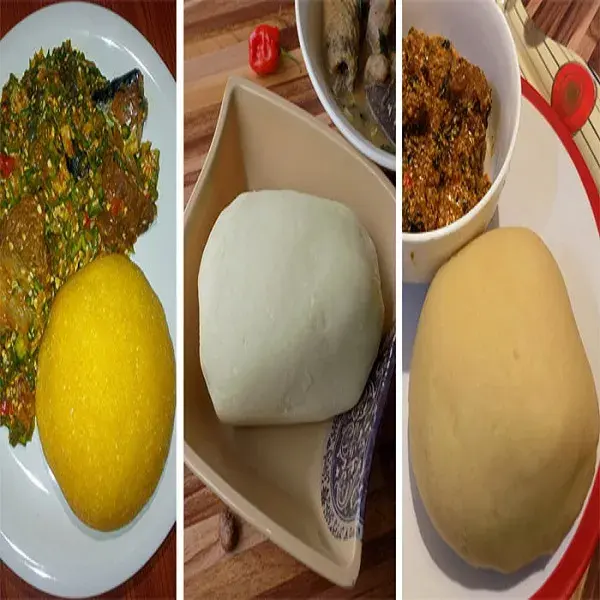
Egusi is the dried seed of a West African gourd, grown for its seeds rather than its flesh and ground to a meal that thickens soup. Egusi soup is that ground seed cooked into a stock of meat, fish, crayfish and palm oil with leafy greens. It's eaten with pounded yam, eba, fufu or amala.
In English it's usually called melon seed. Nigeria cooks it as ofe egusi in Igbo and miyan gushi in Hausa, and Ghana grinds the same seed, as agushi, into its cocoyam leaf stew. There's no single right method, so here's every version AFN cooks, what makes each one different, and the recipe for each.
The ground seed stays the same. The leaf, the protein and the way the egusi goes into the pot are where the versions part ways.
Nigeria
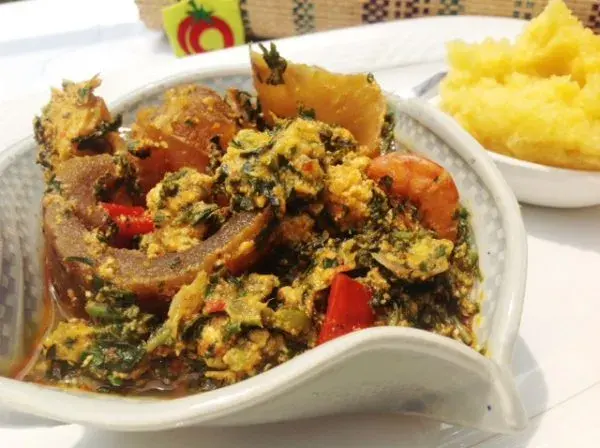
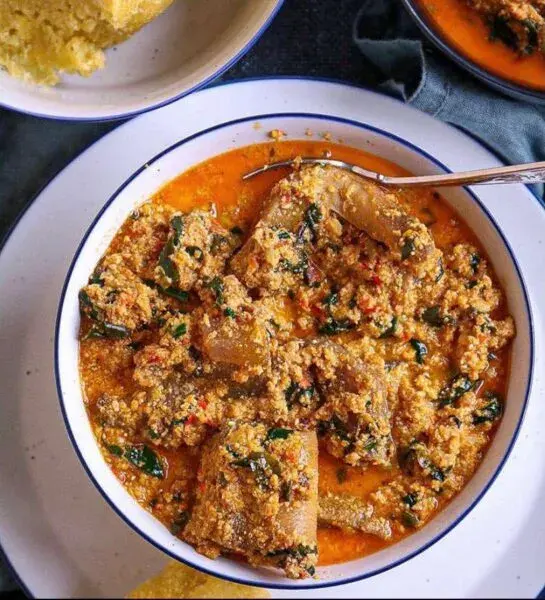
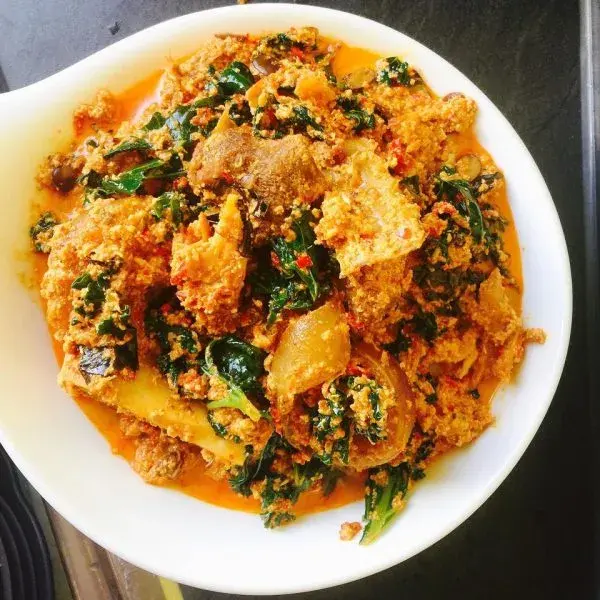
Egusi soup (ofe egusi)Cooked with: Assorted meat, stockfish, ugwu or spinach
The caking method: ground egusi stirred into the stock and left to set into soft curds, which uses less oil than frying. Soft leaves go in at the very end.
Eastern Nigeria
Uziza egusi soupCooked with: Uziza leaves, locust beans
Egusi with shredded uziza, a peppery leaf that's quite unlike chilli heat. It goes in at the very end, fifteen minutes at most, and a heavy hand turns the soup harsh.
Nigeria
Vegan egusi soupCooked with: Mushrooms, spinach, ogiri or iru
No meat or fish: mushrooms stand in for the assorted meat, and everything else, from palm oil to fermented seasoning, stays. The egusi still needs forty minutes to an hour, meat or no meat.
Southwest Nigeria (Yoruba)
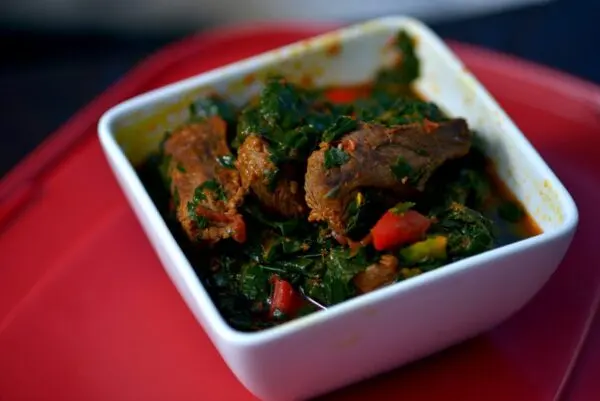
Efo riro with egusiCooked with: Spinach, tomato and pepper
Egusi paste spread over a fried tomato and pepper base, covered for a few minutes, then stirred in with the spinach. AFN's recipe serves it with boiled sweet plantain.
Ghana
Kontomire stewCooked with: Cocoyam leaves, tomato, fish
Ghana's cocoyam leaf stew, tomato based and thickened with ground melon seed, called agushi in Ghana. Eaten with yam, plantain or cocoyam as ampesi.
Nigeria
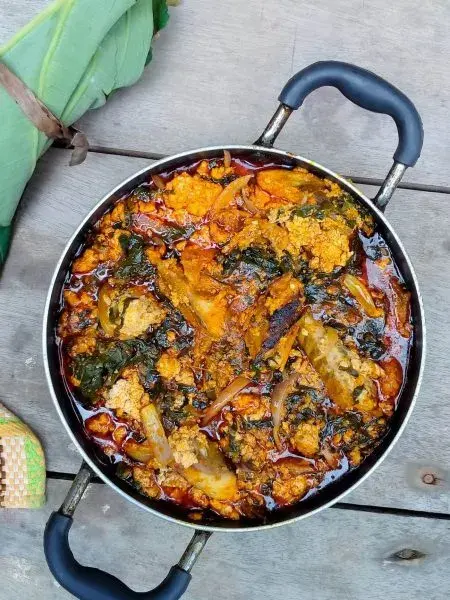
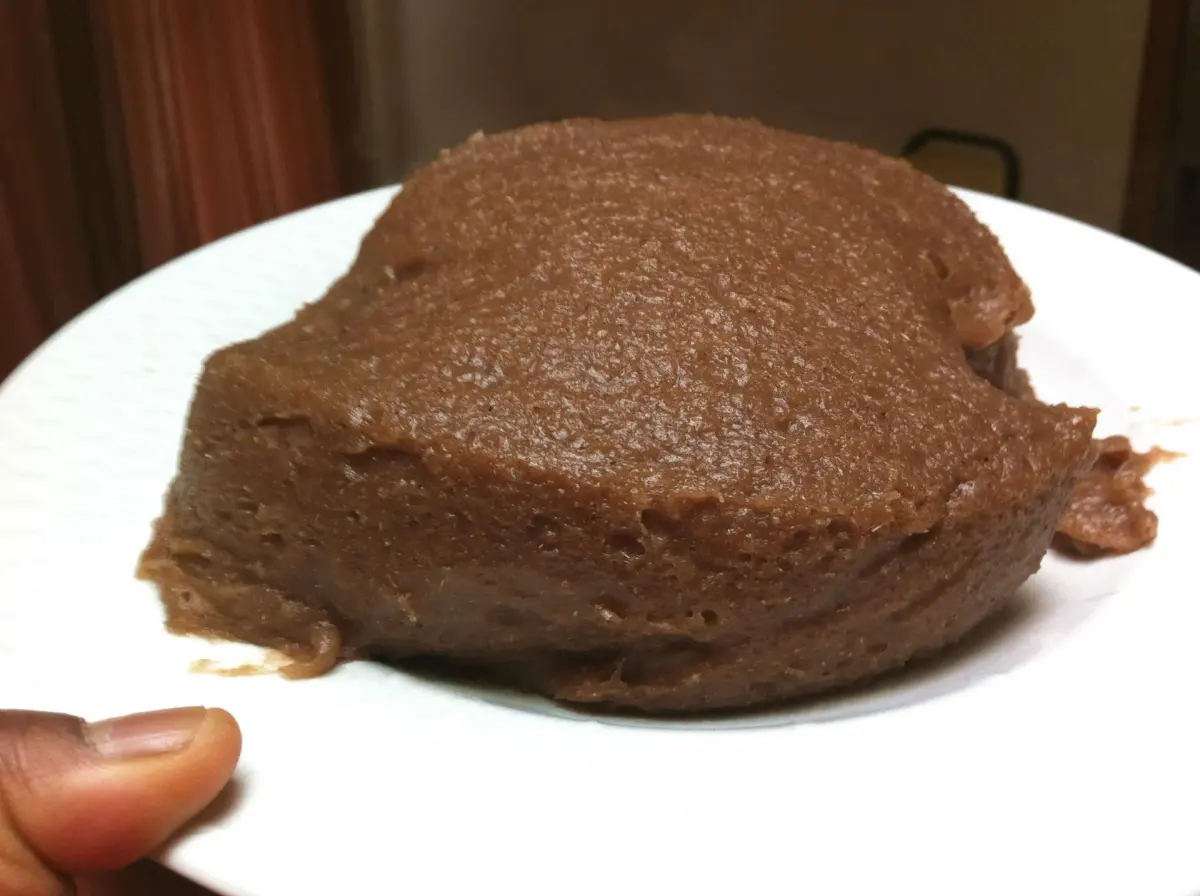
Egusi puddingCooked with: Beef stock, dried fish, crayfish
Not a soup at all: ground egusi mixed with stock and fish and steamed in a water bath until it sets firm, the same way moi moi is made, traditionally in plantain leaves.
| Country | Version | Cooked with | What makes it different |
|---|---|---|---|
| Nigeria | Egusi soup (ofe egusi) | Assorted meat, stockfish, ugwu or spinach | The caking method: ground egusi stirred into the stock and left to set into soft curds, which uses less oil than frying. Soft leaves go in at the very end. |
| Eastern Nigeria | Uziza egusi soup | Uziza leaves, locust beans | Egusi with shredded uziza, a peppery leaf that's quite unlike chilli heat. It goes in at the very end, fifteen minutes at most, and a heavy hand turns the soup harsh. |
| Nigeria | Vegan egusi soup | Mushrooms, spinach, ogiri or iru | No meat or fish: mushrooms stand in for the assorted meat, and everything else, from palm oil to fermented seasoning, stays. The egusi still needs forty minutes to an hour, meat or no meat. |
| Southwest Nigeria (Yoruba) | Efo riro with egusi | Spinach, tomato and pepper | Egusi paste spread over a fried tomato and pepper base, covered for a few minutes, then stirred in with the spinach. AFN's recipe serves it with boiled sweet plantain. |
| Ghana | Kontomire stew | Cocoyam leaves, tomato, fish | Ghana's cocoyam leaf stew, tomato based and thickened with ground melon seed, called agushi in Ghana. Eaten with yam, plantain or cocoyam as ampesi. |
| Nigeria | Egusi pudding | Beef stock, dried fish, crayfish | Not a soup at all: ground egusi mixed with stock and fish and steamed in a water bath until it sets firm, the same way moi moi is made, traditionally in plantain leaves. |
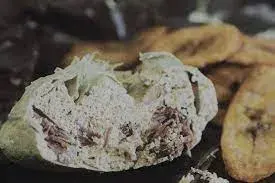
Egusi comes from more than one plant. The seeds are taken from gourds in the melon family, including a large-seeded variety of watermelon (Citrullus lanatus) and Cucumeropsis mannii. They're dried, shelled and ground, and the pale meal is what goes into the pot.
It's grown and eaten across West Africa: Nigeria, Ghana, Côte d'Ivoire, Benin, Togo, Burkina Faso, Mali and Cameroon all grow it. The name is usually traced to Yoruba. In Ghana the seed is also called akatoa or agushi, and it goes into soups and stews, palaver sauce above all.
In Nigeria, egusi soup crosses every region and every ethnic group, and each has its own way with it. Some cooks let the ground seed set into curds in the stock, and some fry it in palm oil first. Others shape it into balls that cook whole like pieces of meat. Ijebu cooks in Ogun State leave the vegetables out entirely.

Travel & Country Guides
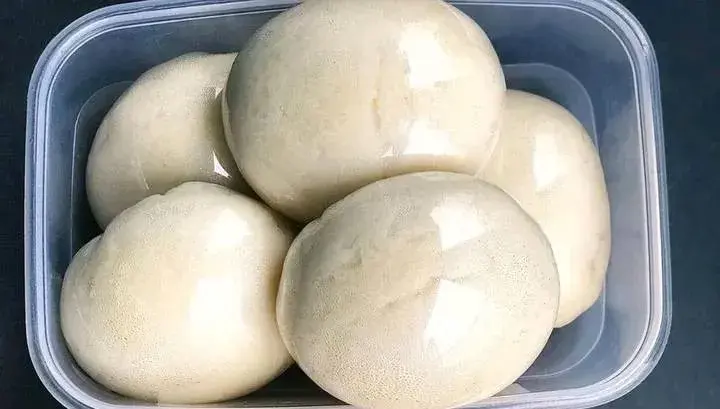
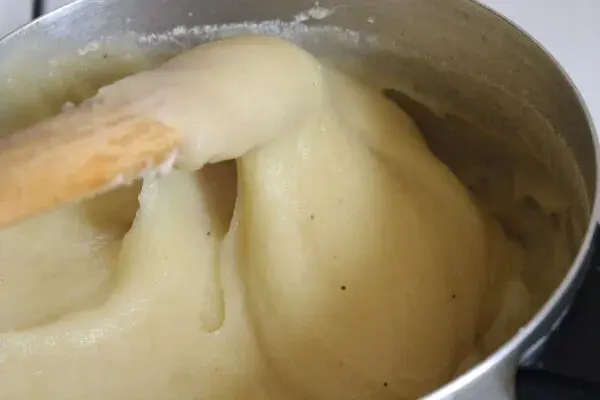
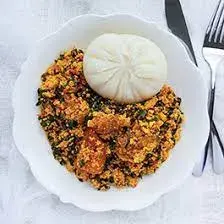
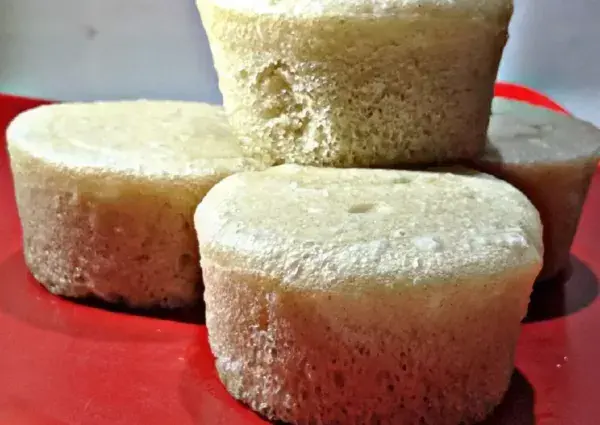
Swallow food, explained: what Nigerians mean by swallow, the popular ones from eba, pounded yam and amala to fufu, tuwo shinkafa, semovita and starch.
4 min read
Travel & Country Guides
Fifteen Nigerian soups to cook, from egusi, ogbono and afang to banga, ofe owerri and miyan kuka, plus the most popular soup and the best one for fufu.
9 min read
Travel & Country Guides
African soup names to know before you travel: egusi, ewedu, miyan kuka, okra and vegetable soup, what each one is made of, and how egusi is cooked.
16 min read
Melon seed. Egusi is the dried seed of gourds in the melon family, one of them a large-seeded watermelon grown for its seeds rather than its flesh. It's sold whole or ground, and the ground meal is what thickens egusi soup.
Ground egusi, palm oil, stock from assorted meat, dried fish and stockfish, ground crayfish, pepper and a leafy green such as ugwu, bitter leaf or spinach. Some cooks add ogiri or iru for a deeper savoury note.
Ugwu, bitter leaf and spinach are the usual ones, and uziza is the eastern Nigerian choice. Uziza is peppery, so it goes in at the very end, fifteen minutes at most; AFN's uziza egusi recipe shows how much.
Not for a true egusi soup. Pumpkin seeds look similar, but they're a different seed and behave differently in the pot. AFN's efo riro recipe does allow raw shelled pumpkin seeds as a stand-in, but expect a different result.
The seed. Nigerian groundnut soup is built just like egusi soup, with assorted meat, stockfish and palm oil, but it's thickened with roasted peanuts instead of melon seed, which gives it a rounder, sweeter taste.
Yes, pounded yam is the classic partner, and eba, fufu, amala, semovita and tuwo all work too. In Ghana, kontomire stew made with agushi is eaten with yam, plantain or cocoyam.