Health Benefits Of Fruit Salads

Fruit Salad
image source: dinneratthezoo

The idea of fruit salad is a delicacy on its own. Fruit salad which is a dish containing various kinds of fruits gives you the luxury of eating varieties of fruits in one bite. Fruit salad can be served as an appetizer or dessert. It can also be served as a side-salad.

Since fruit salad is made from various fruits, it means that it contains all the beneficial nutrients of every fruit contained in it. This makes fruit salad to have higher health benefits than each individual fruit contained in it. The health benefits of fruit salad Includes;

  1. Promotes Weigh Loss

Fruits are composed mainly of water and contain no calories. So, this makes it a excellent option for people who want to lose weight.

  1. High Fiber Content

Most fruits have high amount of fibers in them and fibers are very important in our diet. Fibers solve the problem of constipation and also cleanse your bowel. Fiber also reduces your risk of getting colon cancer.

  1. High Folic Acid Content

Folic acids are important for our red blood cells. Folic acids are also important during pregnancy for the healthy development of foetus. Fruits contain a good amount of folic acid, so, to get the benefits of folic acid, try adding fruit salad to your diet.

  1. High Energy Levels

Most fruits contain vitamins that can boost your energy and this is the main reason why people who exercise eat more of fruits. A decent fruit salad can give you energy similar to that of a boxer.

  1. Supplies Your Daily Vitamin and Mineral Needs

A typical fruit salad can satisfy your recommended daily intake of almost every vitamin and mineral essential for your body.

  1. High Antioxidant Content

Most fruits contain high levels of antioxidants which are responsible for destroying free radicals in our body. Free radicals are dangerous because they damage our cells and can lead to a number of different cancers. To reduce your risk of cancer, a plate of fruit salad daily will be an excellent option.

  1. Gives You Healthy Skin and Hair

Brightly coloured fruits contain several carotenoids which can reduce your skins sensitivity to the sun. The vitamin C present in fruits also helps to produce the enzyme collagen that strengthens the capillaries which supplies the hair shaft. This gives you a healthy skin and hair.

  1. Gives You A Healthy Immune System

The highest vitamin in fruit is vitamin C and vitamin C is very good for our immyne system. Lack of vitamin C can deteriorate your immune system and make you go sick. A daily dose of fruit salad is therefore essential to have a healthy immune system.

  1. Aids Easy Digestion

Consuming fruit salad helps to easily digest our food. Fruit salad also improves the health of our digestive system. This is attributed to the high fiber and potassium content and also because of the low fructose content. These nutrients improve the digestive system and make it perform better in digesting foods.

  1. Helps to Prevent Heart Diseases

Fruit salad help to maintain the cholesterol level in the body. This reduces the risk of heart diseases. Fruits are also very low in cholesterol and cannot cause an increment in your body cholesterol level. Choose fruit salad for a healthy heart.

  1. Gives You Healthy Eyes

Apple which is an important ingredient in fruit salad contains a high amount of vitamin A. Vitamin A protects the cornea and is an essential nutrient for good vision. Vitamin A also combines with the other antioxidants and vitamins in fruits to reduce the risk of vision loss. Vitamin A also helps to avoid eye inflammation.

  1. Reduce Risk of Anaemia

Fruit salad is rich in nutrient like iron, potassium and vitamin B6. These nutrients are beneficial for healthy blood circulation, as it increases the formation of red blood cells. Fruits also aid the synthesis of hemoglobin which makes them essential in preventing anaemia.

Fruit salad is very healthy for the body and it is far better than any junk food. Try replacing your daily junk food snacks with a fruit a fruit salad. Try to eat it fresh to obtain all the advantages associated with fruit salad. Remember that every fruit in a fruit salad has its own benefits so, combining them gives you a wider variety of benefits. Add fruit salad in your diet and notice the difference in your general body health.

Suggestions For Best Fruit Baskets:

Fruit Baskets

check price on amazon

Foods That Relieve Constipation


Constipation
image source: asiaone

It is an unbearable thing to have difficulty in relieving your bowel. Constipation is one ailment that is dreaded by all, but even when most people dread it, it is still a common ailment that people suffer from frequently.

Constipation is an ailment which is characterized by infrequent bowel movements and stools which are small and hard to pass. When a person has constipation, the bowel movement are tough and do not happen as frequently as normal. There are several causative agents of constipation and proper knowledge of these causes can help in the effective treatment of constipation. Some causes include;

  • Not taking enough water
  • Inadequate fibre intake
  • Eating high amount of dairy products
  • Stress
  • Pregnancy
  • Overusing laxatives
  • Eating disorders
  • Some medications (most commonly pain drugs)

Generally, constipation is not a severe ailment i.e. it is not fatal, but it is one of the most uncomfortable ailments there is. Some notable symptoms of constipation include;

  • Hard and small stools
  • Bloated belly
  • Having trouble with your bowel movements
  • Sensing that all the stool didn’t come out

There are few ways with which constipation can be duly relieved. Few foods have the ability to relieve constipation quickly and easily. Food treatment for constipation has shown to be the most effective. The key element in foods that help relieve constipation is fibre, so it is important to go for food which are rich in fibres. Such foods include;

  1. FRUITS

Not all fruits are rich in fibre, so it is necessary to go for fruits that have high amount of flesh. Fruits like peaches, berries, strawberries, pineapples, pear, pawpaw and grape are some of the best high­-fibre fruits. It is necessary to eat the peel/skin for a better fibre boost .

  1. VEGETABLES

The fibres in vegetables are found in the leaves, stalk and roots of the plant. So, any type of vegetable will give the desired fibre need. Examples of some vegetables are; water leaf, spinach, carrots, cabbage, spinach, onions etc.

  1. NUTS

Nuts contain very high content of fibre, which makes it a suitable diet for constipation treatment. Some nuts that can be used are, walnuts, almonds, cashew nuts etc.

  1. WHOLE GRAINS

Whole grains are those cereals that still have their bran or outer covering.  Whole grains are rich in fibre because the higher fibre content of grains is in their outer covering. So such foods like white rice are not suitable whole grains. Whole grains include; oats, barley, rye, whole wheat and brown rice.

  1. BEANS AND LEGUMES

Legumes are very rich in fibre, same goes for beans. Legumes such as kidney beans, soybeans and lentils can serve as a good source of fibre in the diet. Remember to take them with caution because they have high tendency of causing flatulence.

  1. SEEDS

Different kinds of seeds can serve as sources of fibre. You can consume seeds by adding them to smoothies or sprinkling them on yoghurt, ice cream or salads. Ground flax seed or psyllium can be used to in cooperate fibre into the diet.

  1. HOT TEA

Tea obviously does not contain high fibre content like the other foods listed above, but a herbal tea made from fennel might help in easing constipation. Ensure that you take the tea hot.

SCIENCE BEHIND FIBRE’S EFFECTIVENESS IN RELIEVING CONSTIPATION

Some people may wonder how fibre can help in constipation. Fibre is helpful because it helps to add bulk and softness to the stool.  When fibre absorbed by the body, it is digested in the small intestine. Fibre contains both soluble and insoluble fibre compounds. The soluble fibre absorbs the water and binds the fatty acid which then forms a gel-like substance that helps to keep the stool sift. The insoluble fibre which doesn’t dissolve in water provides bulk and moisture for the stool.

However taking too much fibre too soon may be hard for your system and may lead to symptoms of gas and bloating. Therefore, increase your fruits and vegetable intake slowly when treating constipation. It is recommended to increase your fibre intake to 25 grams per day.

Here Are Some Meat Alternatives For Vegetarians

meat substitutes for vegetarians
image source: wellplusgood

Vegetarians do not have the luxury of consuming any animal food products, including meat gotten from animal skin or flesh. This does not mean that their protein intake is impaired because there are a lot of plant products that still confer the same amount of proteins as animal products do. Over the years, there was improvement in food processing and this brought about the manufacturing of different meat alternatives for vegetarians. This was done to give them the feeling and taste of normal animal meat, irrespective of the fact that the products were produced from animal sources.

A vegetarian is someone who chooses to abstain from consuming meat, poultry, dairy and other products obtained from animals. Many people decide to be vegetarians based on ethical motivations that can be classified under various religious beliefs and animal rights advocacy. Other motivations can be related to health, politics, and environment, economic, cultural and personal preferences.

Meat alternatives offer several more advantages compared to normal meat. Vegan meats contain fewer calories, less fat and are free of cholesterol. Here are examples of meat alternatives for vegetarians:

  1. Tofu

Tofu is a classic meat alternative and is particularly appreciated as a low-calorie source of protein. Tofu is also versatile and available in countless variations, including aromatic, smoked and marinated types. They are usually flavoured with various herbs and spices.

Tofu is made using soaked soya beans which are mashed with water to form a puree which is smooth. The puree is then filtered to separate the firm fibrous constituents from the liquid content. The liquid is then heated to just below boiling point and curdled. This solidifies the liquid content similar to how cheese is made. The tofu is then pressed to slabs while the leftover solid mass commonly known as soya, is dehydrated and used as mince or chunks. The mince or chunks are then seasoned with herbs and spices, and then shallow fried in little oil to obtain the tofu.

  1. Soya Protein

Soya chunks and mince are very easy to prepare. They consist of dehydrated soya, which is mixed with water to produce a meat substitute that can be used in almost any dish. As with tofu, spice mixtures and marinades can be added to produce a mince with virtually any aroma or flavour. Vegetarians use soya mince for burgers, meat balls and Bolognese sauce.

  1. Tempeh

Tempeh is a traditional Indonesian meat made from fermented soya beans. Tempeh is made from whole soybean and not soy milk, the soybean is then fermented. Tempeh has a drier texture and contains more fiber and protein than tofu. It also contains healthy prebiotics and probiotics as a result of the fermentation process. Tempeh may not be as versatile as tofu because it has a stronger flavour. Tempeh is stir-fried and added to salads or sandwiches. It is also suitable to use as a barbeque meat substitute.

  1. Seitan

It is also referred to as wheat protein. It is easy to season and prepare. It has a consistency which is very similar to meat. It is made by washing wheat flour dough with water until the starch granules have been removed, leaving only the wheat gluten. The raw dough can be boiled, baked or steamed to acquire the meaty texture. Seitan is ideal for making vegan sausages and cutlets. Sietan is not suitable for vegetarians that have celiac disease or those who are following a gluten-free diet.

  1. Textured Vegetable Protein (TVP)

Textured vegetable protein is a byproduct of soybean extraction. TVP is made by separating soybean protein from fat, using a high heat process which results in a curd-like product that is high in protein. TVP is dehydrated, so it is necessary to soak in hot water to cook it. Cooked TVP texture is similar to that of ground meat.

Some meat substitutes contain added vitamins and nutrients that are lacking in some vegetarian diet. Such nutrients like iron, zinc and vitamin B12. Choosing products that includes these nutrients can help people who do not eat meat, maintain a balanced diet.

Note that some store bought meat substitutes such as meatless chicken nuggets or veggie burger, could contain animal based ingredients, including eggs and cheese. Therefore, vegans should always check the labels to ensure that the food is free from animal products


Are Tomatoes Fruits Or Vegetables?

Tomatoes
image source: ebpc

Over the years there has been several arguments on what category of food tomato belongs to. Many speculate that it a fruit, while others categorize it as a vegetable. Tomato is a red berry of the tomato plant known scientifically as Solanum lycopersicum. Tomato contains 95% water, 4% Carbohydrate and 1% each of fat and protein.

Tomato can serve as 17% of your daily vitamin C need. Tomato also contains various vitamins like thiamine, niacin, pyridoxine, Vitamin E and vitamin K. It is also packed with various minerals like magnesium, manganese, phosphorus and potassium. Consumption of tomatoes and tomato-based products has been linked to improved skin health and a lower risk of heart disease and cancer.

Tomato can be considered as a fruit or vegetable depending on the context. Tomatoes can be labelled as fruits in grocery stores but can also be called vegetables due to its taste and nutritional purposes.

Nutritionally, a fruit is described as a sweet and fleshy food crop while a vegetable is used to indicate a variety of plants that are low in fructose content. Mostly, vegetables are served as part of the main dish or side dish while fruits are used typically as a snack or dessert. There is no rule set aside for designating botanical fruit as vegetable, but since tomato are generally not used as desserts and are not as sweet as regular fruits, they can be classified as vegetables. Vegetable has a bland and bitter flavour. The texture of vegetables is tougher than that of fruits. Most vegetables require cooking, although some are enjoyed raw. They are best used in cooking savoury dishes like salads, stews, stir fries and sauces.

Speaking from a scientific perspective, a tomato is definitely a fruit. Reason being that true fruits are developed from the ovary in the base of the flower and contain the seeds of the plant which is so in the case of tomato. So, a tomato is a true fruit. Generally, a fruit has a soft texture and is mostly sweet. It can also be tart or sour. It is mainly used for desserts, juice, pastries or as a snack in itself.

DIFFERENCE BETWEEN A FRUIT AND A VEGETABLE

  • Botanical Classification: Fruits and vegetables are classified botanically based on the structure and function of the plant part. Fruits are formed from flowers and have seeds that assist the plant in reproduction process. While vegetables are roots, stems, leaves or any other auxiliary plant part. So any crop that is gotten from the roots, stems or leave is called a vegetable.
  • Culinary Classification: Fruits and vegetables are classified based on a different system when it comes to cooking. In culinary practices, fruits and vegetables are used primarily based on their flavour and aroma properties. As far as cooking is concerned, crops which are strictly fruits can be classified as vegetables when they are used in savouring rather than sweet cooking.

The answer to the question is that, a tomato is technically a fruit of a plant, but is also a vegetable because it is used in cooking.

Tomatoes are not the only food that people find hard to classify. There are other foods that are botanically classified as fruits and culinarily classified as vegetable. Such foods include;

  • Cucumber
  • Pepper
  • Okra
  • Egg plants
  • Pea pods

Note: If you are talking to a farmer, refer to tomato as a fruit but when talking to a chef, refer to them as vegetables.

This is Why Apples Are Healthy Options

Fruits are generally enjoyed by most people, either as snacks or as side dishes. The diversity of fruits allows us to have preferences. Apples among other fruits are accepted by almost everybody because of their juicy taste and crunchy feeling.

Apples come in a variety of colours, shapes and flavor. Apples are also one of the most popular fruits. They provide a range of nutrients that are beneficial in many different aspects of a person’s health. They are an exceptionally healthy fruit and there are many researched benefits to back up this fact. These benefits include;

apple scaled

  1. Apples Are Nutritious

Apples are a rich source of polyphenols which are responsible for many health benefits. One medium apple contains 95 calories, 25 grams of carbohydrates, 4 grams of fiber, 14% of your daily vitamin C need, 6% potassium and 5% vitamin K. They also contain 2-4% of your reference daily intake for manganese, copper and vitamin A, E, B1, B2 and B6. Half of the fiber in apples is contained in the skin. Many polyphenols are also present in the skin of apples. So, to get the most out of apples, eat it with the skin.

  1. Apples Help With Weight Loss

Apples are high in water and fiber content. These two compounds make apples very filling. Researchers believe that apples are more filling because they are less energy-dense but still deliver fiber and volume. This means that consuming apples will make you feel full longer and reduce your appetite. Some natural compounds in apples may help promote weight loss.

  1. Apples Are Good For Your Heart

Apples contain soluble fiber that helps reduce your blood cholesterol levels. Apples also contain polyphenols which have antioxidant effects. Most of the antioxidants are contained in the skin of apples. Apple contains a polyphenol called flavonoid epicatechin which may lower blood pressure. Other flavonoids contained in apples can help prevent heart disease by lowering blood pressure, acting as an antioxidant and reducing the oxidation rate of bad cholesterol.

  1. Apples Lower the Risk of Diabetes

Apple consumption has been linked to a lower risk of type 2 diabetes. Just eating a few apples per week will show a positive effect in reducing diabetes risk. The polyphenol present in apples prevents tissue damage to beta cells in your pancreas. Beta cells help to produce insulin in the body.

apples fruit ripe red wallpaper preview scaled

  1. Apples Help Prevent Cancer

There is a link between plant compounds in apples and a lower risk of cancer. Scientific studies have shown that the antioxidant and anti-inflammatory effects of apples may be responsible for their potential cancer-preventive effects.

  1. Apples Help Fight Asthma

Apples which are rich in antioxidants may help protect your lungs from oxidative damage. Apple skin contains the flavonoid quercetin, which has been shown to regulate the immune system and reduce inflammation. These two ways are the ways by which apples fight against asthma and allergic reactions.

  1. Apples Are Good For Bone Health

Research has shown that the antioxidant and anti-inflammatory compounds in fruits may help promote bone density and strength. Apples specifically, have been shown to affect bone health positively. Studies have shown that people who eat apples have less body calcium loss when compared to people who do not eat apples.

  1. Apples Help Protect Your Brain

In this case, it is apple juice that shows the benefit for age-related mental decline. Apple juice concentrate reduces harmful reactive oxygen species in the brain tissue and helps minimize mental decline. Apple juice may also help preserve acetylcholine, a neuro­-transmitter that declines with age.

Low levels of acetylcholine have been linked to Alzheimer’s disease. Whole apple contains the same compounds as apple juice and it is always a healthier choice to eat apples whole.

Apples are incredibly good for your health and for the greatest benefits, it is advised to eat the whole fruit, both skin and flesh.

Are Bananas Fattening?


Banana
image source: everydayhealth

You must have heard, more than once, that bananas are fattening. How true is this? I remember when my sister just came back home after her mandatory youth service year. She was as thin as a broom. My mum flipped out. Thankfully, we have a mini banana plantation at the back of our compound. My mum immediately put my sister on a banana diet. Banana and milk, for breakfast, brunch, lunch, dinner and supper. Funny right. Well, this diet actually yielded results. In a few weeks, my sister was all plumped up and rounded in the right places.

Let’s move on. According to Wikipedia, a banana is an elongated, edible fruit – botanically a berry – produced by several kinds of large herbaceous flowering plants in the genus Musa. In some countries, bananas used for cooking may be called “plantains”, distinguishing them from dessert bananas. The fruit is variable in size, color, and firmness, but is usually elongated and curved, with soft flesh rich in starch covered with a rind, which may be green, yellow, red, purple, or brown when ripe. The fruits grow in clusters hanging from the top of the plant. Almost all modern edible seedless (parthenocarp) bananas come from two wild species – Musa acuminata and Musa balbisiana.


Nutritional Composition of Banana


Energy – 371 kJ (89 kcal)

Carbohydrates – 22.84 g

  • Sugars – 12.23 g
  • Dietary fiber – 2.6 g

Fat – 0.33 g

Protein – 1.09 g

Vitamins

  • Thiamine (B1) – 3% (%DV), 031 mg (Qty)
  • Riboflavin (B2) – 6% (%DV), 0.073 mg (Qty)
  • Niacin (B3) – 4% (%DV), 665 mg (Qty)
  • Pantothenic acid (B5) – 7% (%DV), 0.334 mg(Qty)
  • Vitamin B6 – 31% (%DV), 4 mg (Qty)
  • Folate (B9) – 5% (%DV), 20 μg (Qty)
  • Choline – 2% (%DV), 8 mg (Qty)
  • Vitamin C – 10% (%DV), 7 mg (Qty)

Minerals

  • Iron – 2% (%DV), 0.26 mg (Qty)
  • Magnesium – 8% (%DV), 27 mg (Qty)
  • Manganese – 13% (%DV), 0.27 mg (Qty)
  • Phosphorus – 3% (%DV), 22 mg (Qty)
  • Potassium – 8% (%DV), 358 mg (Qty)
  • Sodium – 0% (%DV), 1 mg (Qty)
  • Zinc – 2% (%DV), 0.15 mg (Qty)

Water – 74.91 g


Raw bananas (not including the peel) are 75% water, 23% carbohydrates, 1% protein, and contain negligible fat. A 100-gram reference serving supplies 89 Calories, 31% of the US recommended Daily Value (DV) of vitamin B6, and moderate amounts of vitamin C, manganese and dietary fiber, with no other micronutrients in significant content (check above).

From the information above, we can see that bananas are packed with nutrients and high in calories but contain negligible fat. What does this tell us? In my sister’s case, she was lacking in nutrients hence the reason she was emaciated. A banana based diet only provided her with lost nutrients and her body did the rest work itself. So, in summary, bananas are not fattening.

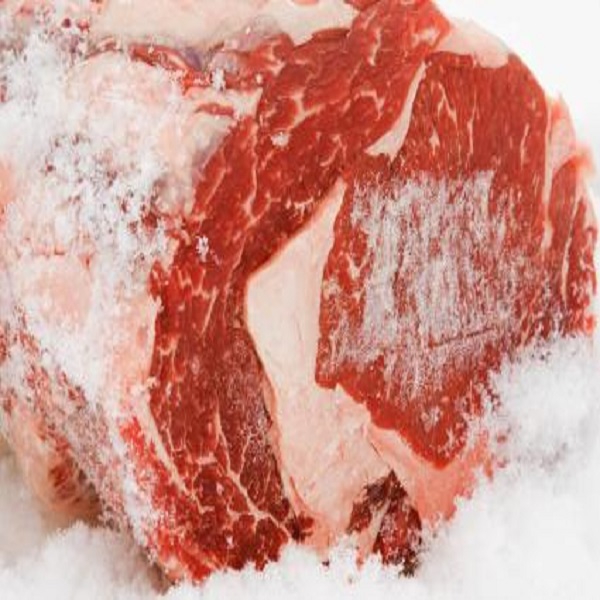
Freezing and Thawing of Meat is Bad, Here’s Why

Freezing and thawing
image source: lovetoknow

When people purchase fresh meat, the first thing on their minds is to process it quickly to avoid spoilage. Processing can be in form of cooking, freezing or drying depending on the method that suites your purpose. Most people purchase their meat in large quantities and are required to store it for subsequent use. The most common method of storing meat is by freezing.

Freezing meat has many advantages because it keeps the meat fresh and free from spoilage. Also the nutrients and flavor of the meat are retained. Unfortunately, we cannot always be sure to have a constant supply of electricity to keep the freezer running. This makes our frozen meats to thaw after several hours of the freezer’s inactivity.

There are several unwanted changes that can occur in meat when it thaws, they include;

  1. Loss of Meat Nutrients.

During freezing there is formation of ice crystals. This ice crystals are formed when all the water in the meat reaches their freezing point. Rapid freezing leads to the production of small ice crystals while slow freezing leads to production of large ice crystals. Smaller ice crystals are always preferred. When the meat thaws, this ice crystals pierce the muscle cells of the meat which causes the nutrients to exudate. The amino acids and nucleotide of the meat sip out of the meat in form of exudates leaving a meat which is lesser in nutrients.

  1. Reduction in Firmness and Texture Quality of the Meat.

When meat thaws, the exudates released after the ice crystals pierce the muscle cells also contains water. This loss of water reduces the water holding capacity of the meat. When water is lost, it affects the weight, appearance and texture of the meat. Loss of water will lead to a meat with loose muscles and invariably, a meat with poor texture. This happens because the joints of the meat muscles have been severed by the ice crystals.

  1. Loss of Flavour and Sensory Acceptability.

Thawed meats have lesser flavour than normal meat. When such meats are cooked, their taste is not as enticing as that of a meat that was not thawed. This reduction in flavour reduces the general sensory acceptability of the meat.

But meat can be de-frozen without having to worry about all this downsides. Below are some thawing instructions to enable you de-freeze meat and still retain the nutritional quality and sensory acceptability.

Thawing instructions:

  • Do not thaw foods at room temperature, like on top of the kitchen counter. This exposes the meat to various bacteria in the atmosphere and also the bacteria’s in the meat that were inactivated by freezing become active again and this is a good opportunity to spoil the meat faster.
  • It is best to thaw in a container inside the refrigerator. You can also thaw in cold water or in a microwave. For faster thawing, immerse the frozen food in cold water, keeping the water cold. You may need to change the water every 30 minutes.
  • After thawing, cook immediately because microbial growth begins immediately and can cause the meat to spoil.

Once food is thawed in refrigerator, it is safe to refreeze without cooking, although there may be loss of quality due to moisture lost during thawing.

These Foods Increase Your Risk For Cancer

Cancer
image source: sciencealert

Cancer is a prevailing health condition in the world today. Cancer has been known to arise as a result of several causes, with the most common one being hereditary. There are certain foods that can increase your cancer risks. Diet-related cancer risk are higher among men and middle aged adults. Foods increase the risk of cancer because of certain chemical substances which they may contain. Cancer-causing foods include;

  1. Margarine

Margarine is full of trans fats, and is heavily processed from oils like soy and corn. The process exposes the oil to high temperatures, which causes a rise in dangerous free radicals that increase cancer risk. At one time, margarine was hailed as a healthy alternative to butter, but new research has discovered that organic, grass fed butter is actually far better for you.

  1. Soft Drinks

Sugar has been shown to feed cancer cells, and soft drinks are packed full of refined sugars. Soft drinks are just as damaging to health, as there is the risk of obesity, which leads to a bigger risk of breast, colon, kidney, endometrial and pancreatic cancers.

  1. Canned Tomatoes

Fresh tomatoes are very good for health as they contain many nutrients, including a cancer-fighting compound called lycopene. However, once they are canned, they are exposed to BPA, which leaches from the can because of the high acidity level of tomatoes. This chemical has been linked to cancer, but also to heart disease and reproductive issues.

  1. Fried Foods

Fried foods increase your risk of obesity as well as cancer and other serious health conditions. This is mainly because of the hydrogenated oils the food is fried in. High consumption of trans fats leads to inflammation, insulin resistance and a higher risk of cancer.

  1. Potato Chips

Potato chips are a delightful snack, but regular consumption is advised against. Chips are likely fried in hydrogenated oils, but they also contain colors, preservatives and artificial flavors. A chemical called acrymalide is often used, which is a known carcinogen.

  1. Diet Foods

A lot of low-fat or ‘diet’ foods are marketed as being healthy because they have low or no fats, but they’re packed full of sugar instead. Often, artificial sweeteners are used to keep the calorie count down, and the sweeteners themselves pose health risks and can be a cause of cancer if consumed regularly.

  1. Red Meat

. Research is conflicting, but it has been found that red meat contains substances linked to colon cancer, but you can reduce your cancer risk by eating 18 ounces or less of red meat. Adults should reduce their intake of red meat and take more of vegetable. Red meat can be replaced with other proteins in the diet.

  1. White Flour

If you choose to follow an anti-cancer diet, you should focus on low glycemic index (GI) foods, as this starves the tumors and cancer cells. Refined grains, such as white flour are high glycemic index foods, and white flour is found in many foodstuff like cake, bread, biscuits, cracker and most baked goods.

  1. Hydrogenated Oils

Hydrogenated oils are vegetable oils. They are commonly used in many foods in your pantry to preserve and keep their shelf life, yet they are also linked to cancer, birth defects, heart disease and many other fatalities. Never cook with hydrogenated oils and try to use healthy oils like olive oil and canola oil.

  1. Alcohols

Alcohols are the second leading cause of cancer, right behind tobacco. While a moderate or low consumption of alcohol can be healthy and lead to a reduced risk of heart disease, excessive drinking is known to cause heart failure, stroke, and sudden death. Excessive alcohol use is the biggest cause of mouth, esophagus, liver, colon, mouth, rectum and breast cancers. Reduce your alcohol intake to reduce your risk of cancer.

Although foods have shown to increase the risk of cancer, still bear in mind that there are several other foods that can be used to reduce the risk of cancer. To this note, it is better to have a good knowledge of the impact of your diet to your general health. Eat healthy and enjoy a disease-free long life.

12 Fundamental Types Of Cake

Cake types
image source: clm

Cake is a wonderful baked delicacy that is loved by all. It is every bakers delight to produce a snack that is loved by all and cake is one snack that no one can resist. Everyone appreciates a variety of options when it comes to food and cake is not left out among food that comes in varieties.

There are fundamental types of cake that every baker should know, they include;

  1. Pound Cake

This is a classic type of cake that is made using one pound each of flour, butter, sugar and eggs. Pound cakes typically have light flavours and are served plain or topped with a basic glaze. This cake is dense and delicious and it is a very good base recipe for a number of other cake varieties.

  1. Butter Cake

Butter cake is similar to pound cake because it uses roughly equal parts of eggs, sugar, flour and butter. Butter cake is lighter in texture than pound cake because of the use of leavening agents. This butter cake permits all ingredients to be whipped together at once.

  1. Layer Cake

Layer cake is a type of cake that involves two or more cakes being layered on each other and held together by use of icing or another filling. You can spice up this cake by making it as fancy and creative as you please.

  1. Sponge Cake

Sponge cake is a very light and airy kind of cake. This is because the eggs are whipped for up to 15 minutes. A traditional sponge cake has only 3 ingredients: flour, sugar and eggs. The texture of sponge cake allows it to absorb a number of creams, syrups and drizzles. It is made without a leavening agent.

  1. Angel Food Cake

This name was given to the cake because of its height. It implies that the cake nearly reaches the sky. The secret of the cake’s height is the fact that the egg yolk is separated from the egg white and only the egg white is whisked for baking and also because the cake is cooled upside down in its mold and this prevents the top from collapsing. The cake’s texture tends to be slightly chewy and spongy due to its high sugar content.

  1. Cheese Cake

Cheese cake is a perfect option for a rich and creamy dessert. The crust of cheese cake is often made from crushed graham crackers or cookies. A cream cheese-based filling is used for the cake. Cheese cake is interesting because it can be readily tailored to your taste.

  1. Chiffon Cake

Chiffon cake is made from a variety of ingredients but what makes it unique from other cakes is the fact that vegetable oil is used in place of butter. The vegetable oil should be liquid at room temperature to make for a moist and light cake. While baking this cake, the eggs are separated and beaten before folding into the batter.

  1. Flourless Cake

This cake is made without flour, making it different in both concept and flavour. The recipe is very easy to follow. All other ingredients are used except flour. Flourless cake is a very rich but not too sweet dessert option. This cake is usually very rich because of the chocolate, egg yolk and fat it contains.

  1. Upside-Down Cake

This cake gets its name from the way it is baked. It is baked by placing the toppings at the bottom of the pan. After the cake cools, it is flipped back right-side up. The toppings are now baked, giving the cake a unique flavour and look.

  1. Pudding Cake

Pudding cake recipe involves using a high-quality ricotta cheese. This cheese should be smooth and creamy instead of grainy or lumpy. It gives a very sweet cake batter and a very soft cake.

  1. Coffee Cake

Coffee cake is made using ground coffee powder. This cake is mild in texture and flavour and a thick buttery crumb graces the top. You can enhance the taste by substituting brown sugar with piloncillo, a Mexican sugar that is complex in flavour and very delicious.

  1. Fruit Cake

The recipe of this cake involves soaking the fruits in black tea overnight. This incorporates rich herbal flavour throughout the batter. This cake is also made using a dash of brandy that gives an amber-hued fruit cake. The delicacy comes in chewing the bits of fruits.

15 Food Hacks

Food hacks
image source: bravotv

Food preparation and consumption is a very vital part of our daily life. Without food our body will be unable to function properly and this can lead to death. Most people find the issue of cooking and preserving food very complicated and time-consuming but there are few simple tricks that you can use to maneuver all the stress involved with food preparation and also save time and money.

Here are some food hacks that will come in handy;

  1. Ripen Banana Slowly Using a Banana Hanger: Try to purchase a banana hanger, this will stop your banana from getting bruised and spoiling quickly. Put the banana hanger in a place that is well aerated and this will slow down the ripening process.
  2. Mash Potatoes Better Using a Hand Mixer: To skip the stress that comes with mashing potatoes with your hand you can make use of an electric hand mixer. This will save you a lot of stress and ensure that the potato mash is free from lumps.
  3. Microwave Pizza with Water: When you want to microwave your leftover pizza and revive cheesiness, just microwave the dried-out pizza alongside a mug of water. The evapouration moisture from the water will fill the microwave and rehydrate the dry crust of the pizza given you a cheesy slice again.
  4. Grate Butter for Easy Spread: To make cold butter easier to use, try grating it to soften the perfect amount you need for your toast or bread. This will make the butter easier to spread without destroying your loaf in the process.
  5. Use Nutritional Yeast for a Cheesy Flavour: To give your dairy-free dishes a rich cheesiness, try adding nutritional yeast while cooking them. This is a great way to impact the desired cheesiness.
  6. Revive Stale Bread with Water: To make your old bread more edible, sprinkle a few tablespoons of water over the bread then put it in a pre heated oven for few minutes. This trick will bring your stale bread back to life. This trick works best on whole and unsliced bread.
  7. Store Your Herbs Like Flowers: To make your cut herbs last, keep them upright in about 2 inches of water like you will do to a bunch of flowers. Place them in direct sunlight and change the water regularly. This will make them last longer.
  8. Correct Your Burnt Biscuit with a Grater: When baking biscuits and they get burnt at the bottom or edges, do not throw them away. Using a grater, carefully grate off the blackened parts and they will become perfectly edible. You can also dip them in melted chocolate and leave them to cool.
  9. Microwave Lemons to Get More Juice: To get more juice out of a lemon, try microwaving it on high temperature for about 20 seconds. This will make it warmer, softer and easier to squeeze. This will come in handy when trying to make lemonade.
  10. Add Salt to Sweet Dishes and Sugar to Savoury Dishes: This is a great trick for balancing out flavours in foods. Sugar subtle the acidity of food ingredients and a pinch of salt can strengthen the gluten in flour during baking. Salt also adds a pleasing savoury flavour to caramel or chocolate.
  11. Easy Way to Peel Tomato: When making dishes like tomato sauce or salsa where you need to peel off the skin it can be very stressful trying to peel off the skin. You can do it easily by dropping the tomato in boiling water for 15-20 seconds, then remove them and put directly into iced water until it cools. By doing this you can easily peel off the skin.
  12. Stop Syrup from Sticking to Your Spoons: To stop syrup from sticking to your spoons, try dipping the spoon into hot water first before dipping into the syrup. You can also wipe the spoon with neutral flavoured oil before dipping into the syrup.
  13. Add Lentils to Sauces to Bulk Them: When cooking on a budget, you can add lentils to meat sauces, soups and salads to make them a filling dish. These lentils are also a great source of fiber and protein.
  14. Make Your Omelet in a Mug: Using a mug to cook your omelet is very quick and simple. Whisk your eggs with seasonings and grated cheese or chopped ham, and then pour the mixture into a greased mug. Microwave it on high temperature for one minute, stir and then microwave for another minute. This will give you a wonderful omelet.
  15. Blanch Your Vegetables: To keep your green vegetables green try blanching them. To do this, you have to cook the vegetables in boiling water for 2-3 minutes then plunge them into a bowl of ice water. This will stop them from overcooking and retain their crispy texture and colour. It also removes bitterness from certain vegetable varieties.

QUICK RECIPES