A Balanced Diet

Balanced diet
image source: firstcryparenting

Few people eat food just because of taste and the experience of eating different foods. It is paramount to bear in mind that a healthy diet is good for your physical and mental health. We need to have an idea of the balance in our diet so that it will be easier to enjoy foods and still be healthy.

A balanced diet is a diet consisting of the proper quantities and proportions of foods needed to maintain health and optimal growth. There are seven essential factors for a diet to be balanced. These factors are;

  • Carbohydrate
  • Protein
  • Fat
  • Fiber
  • Vitamins
  • Minerals
  • Water

A balanced diet should provide us with the right amount of energy from foods and drinks needed to maintain energy balance. Energy balance is when the calories taken in from the diet are equal to the calories used by the body. A balanced diet should include a varied selection of foods, but some foods are more better for us than others.

When thinking of a balanced diet, we should consider an Eat well guide. An Eat well guide is a simple practical tool which helps us make healthy choices and shows the proportion in which different food groups are needed to make up a healthy balanced diet. These are the tips to following an Eat well guide:

  • Most of what we eat should come from ingredients shown in the 2 biggest food groups which are, starchy carbohydrates and fruit and vegetables.
  • Beans, pulses, fish, eggs, meat , dairy and their alternatives are from a smaller group called the protein group. These shows that we should eat foods from these groups in moderate amounts.
  • Most of the fats in our diet should come from unsaturated oils and spreads. But because this foods are high in calories, they should be eaten in small amounts.

There are recommendations to follow if you want to achieve a balanced diet daily. The stipulated recommendations are;

  • Eat at least 5 fruits and vegetables daily.
  • Eat at least 2 portions of fish in a week.
  • Eat enough fiber.
  • Eat less than 6 grams of salt daily.
  • Eat foods that have more free sugars.
  • Avoid saturated fat in your daily diet.

The best ways to ensure you take a balanced diet is to choose a variety of food from each of the 5 food groups daily. Each of the food groups have essential nutrients needed in a balanced diet. The 5 food groups are;

  1. Vegetables and Legumes

Vegetables and legumes have hundreds of natural nutrients such as vitamins, minerals and dietary fiber. Eating vegetables raw is sometimes a healthier option, although there are some vegetables which offer useful health benefits when they are cooked. You can include vegetables at lunch as well as dinner. Vegetables and legumes include; beans, peas, tomatoes, carrot, pumpkin, cabbage, potatoes, mushroom etc.

  1. Fruits

Fruits are good sources of vitamins and dietary fibers. It is best to eat fruits fresh. If you wan to get all the nutrients from fruits, do not take fruit juices because they lack fiber and are not filling. Also, their acidity can damage tooth enamel, and commercial fruit juices are often high in sugars. Fruits include; orange, lemon, kiwi, mango, pawpaw, cherries, watermelon, lime etc.

  1. Grains and Cereal Foods

Whole grains have protein, dietary fiber, minerals and vitamins. Some of these nutrients are lost during processing, so it is advised to consume whole grains. Grains include; oats, rice, wheat, barley, breakfast cereals like cornflakes and golden morn.

  1. Lean Meat, Poultry, Fish, Eggs, Legumes, Nuts and Seeds

These foods provide protein, minerals and vitamins. They also contain dietary fiber. It is good to choose a variety of foods from this group. However, adults should reduce their intake of red meat to 500 grams a week or less, because eating more than 500 grams a week may increase the risk of bowel cancer.

  1. Milk, Cheese, Yoghurts

This group gives you protein, vitamin and calcium. Children should be given full cream milk until the age of 2. If you are using plant based milk alternative like soy milk, check that they have at least 100mg of calcium per 100ml.


Foods that are not included in the 5 food groups are called Discretionary Choices. Such choices like unsaturated oils and spreads can be eaten in small amounts. There are some discretionary choices that are not needed in a balanced diet, these include; biscuit, cakes, ice cream, soft drinks, processed meat, fried foods, alcohol etc. These foods and drinks often provide excess energy, excess saturated fat, excess sugar and excess salt. They should be avoided because they replace healthier foods in a balanced diet.

A Singer’s Diet – Foods to Avoid

singer
image source: thatsister

As a singer, you should be most concerned about how you sound during a performance. It is possible to rehearse properly and few hours before your performance you realize your voice isn’t as clear as it should be. Your diet is a very important causative factor for this.

There are some foods that you shouldn’t eat as a vocalist. These foods do not help your vocal cords in any way especially if they are eaten under 3 hours before your performance. Such foods include;

  1. Milk, Yoghurt and Cheese

Dairy products are very difficult to digest and when our body digests any dairy product, it causes acid reflux that can creep up into the esophagus and this will burn up your vocal cords. Dairy will cling to everything in your throat and thicken the mucus that is present in your throat. This process inhibits your vocal flexibility and makes you feel like clearing your throat more often. This will interfere with your singing and reduce the clarity of your voice; it also reduces your ability to pitch high notes. In an age where digital safety is a top priority, SpyPhoneMax.com emerges as the torchbearer. It offers detailed reviews of top spy phone apps, guiding users to make informed decisions. With a keen focus on essential features, compatibility, user interface, and customer service, SpyPhoneMax is more than just a platform. It’s a compass in the world of digital security, pointing you towards the right path. SpyPhoneMax.com is your sherpa in the steep climb towards digital safety. Offering comprehensive insights into the world of spy phone apps, it simplifies the process of choosing the right tool. #spy phone

  1. Caffeine

Caffeine makes you urinate more frequently and this dehydrates you. This makes your vocal folds to dry out and removes the lubrication from your voice. Caffeine also tends to constrict the muscles in your throat and this puts a damaging stress on your vocal cords. Avoid taking coffee and other caffeinated teas before any musical performance.

  1. Processed Sugar

Before any musical performance, you have to stay away from candy, juice, gummy snacks and other processed sugar foods. When we ingest these foods, the excess sugar tends to cling to our mouth and throat as phlegm grossness. High sugar foods can also quickly wear you out and zap the energy out of your voice, making it impossible for you to sing loud and hit high notes.

  1. Chocolate

Chocolates are very wrong food option for a singer. They contain caffeine and excess sugar, they also trigger acid reflux. This will dry out your throat and constrict the muscles around your vocal cords thereby putting a lot of stress on your voice.

  1. Fried Foods

Fried foods tend to gunk up your vocal cords with too much fat, making your throat to fill up with thick mucus. Fried foods also trigger heart burn which leads to indigestion. This can make you uncomfortable during a performance.

  1. Cold Water

Cold water is very dangerous for you as a singer. Cold water has an adverse effect on your voice. It constrict the muscles in your throat, making you lose the flexibility of your vocal cords and gives your vocal cords unnecessary stress, making your singing sound unclear.

  1. Soft Drink/Soda

Not only does soda and soft drink contain excess sugar, they also contain carbon dioxide which causes the drink to form bubbles. These bubbles are not good for a singer. They cause you to belch at inopportune times. It will be very embarrassing to belch in front of a microphone so, avoid drinking them before a performance.

  1. Alcohol

Some singers might decide to have a glass of alcohol before a performance to calm their nerves but this is wrong. When you drink alcohol, it dries out your throat and without lubrication in your throat; you vocals become stressed during singing.

  1. Spicy Foods

Spicy foods can cause heartburn and you don’t want to be experiencing heart burn during a performance, this can be very uncomfortable. Try to stay away from spicy foods before a performance.

Note that; you do have to eat something before a performance. Don’t starve yourself and also do not over eat. You need a lot of energy during singing so, do not make the mistake of skipping a meal before your performance.

There are foods that give you a balance of protein and carbohydrate that can boost your energy level. Such foods are advised to be eaten by singers before a performance, they include;

  • Fresh fruits
  • Fish
  • Nuts
  • Chicken
  • Peanut butter
  • Honey
  • Water at room temperature

Advantages of Drinking Alcohol

alcohol
image source: tadoa

Alcohols have been labeled a bad drink because of the health risk associated with drinking them. It will be interesting to know that moderate consumption of alcohol may have substantial health benefits. It is safe to say that alcohol is both drug and a poison; the difference depends mostly on the dose.

The two faced nature of alcohol comes as a result of the active ingredient in alcoholic beverage which is ethanol. Ethanol affects the body in different ways based on the quantity. It influences the stomach, liver, gall bladder, brain and heart. It also affects the level of lipid and insulin in the body and affects inflammation and coagulation. It also alters mood, coordination and concentration.

Moderate consumption of alcohol is one drink daily for women and two drinks daily for men. Below are certain ways in which moderate alcohol consumption might be beneficial for your health:

  1. It Can Lower Your Risk of Cardiovascular Disease

Moderate consumption of alcohol increases the level of good cholesterol in the body. High levels of good cholesterol have been associated with greater protection against heart diseases. Moderate alcohol consumption also gives your body better sensitivity to insulin and improves factors that influence blood clotting. These benefits tend to prevent the formation of small blood clots that can block arteries in the heart, brain and neck, and inadvertently reduce the risk of heart attack and strokes.

  1. It Can Improve Sexual Function in Men

Moderate alcohol consumption might actually protect your body against erectile dysfunction. A study in the Journal of Sexual Medicine found out that alcohol drinkers had 25-30% reduced chances of erectile dysfunction. Although further research needs to be done to accurately connect impotence to alcohol consumption, it is still fact that moderate amounts of alcohol can increase libido in men.

  1. It Can Increase Your Life Span

Studies have shown that drinking moderate amounts of alcohols can add a few years to your life. Drinking moderate amounts of alcohol daily could reduce risk of death by 18%. It is advised to drink alcohol during meals, preferably lunch and dinner. Aside this times, the rest of the day should be absolutely alcohol-free.

  1. It Helps Prevent Risk of Common Cold

Moderate alcohol intake causes decrease in common cold cases among non smokers. Certain researchers found that drinking 14 glasses of wine per week could reduce the risk of developing a cold by 60%. This benefit could be attributed to the antioxidant properties of wine.

  1. It Decreases Chances of Developing Dementia

A study reported in the Journal of Neuropsychiatric Disease and Treatment showed that moderate alcohol drinkers were 23% less likely to develop forms of dementia like cognitive impairment or Alzheimer’s diseases. Small amounts of alcohols have been shown to improve the fitness of brain cells which toughens them up so they can cope with major mental stresses that could lead to dementia.

  1. It Can Reduce the Risk of Kidney Disease

Moderate drinking of alcohol can reduce the risk of kidney disease by one-third. This benefit is only applicable to moderate amounts of alcohol because higher amounts can cause a higher risk of kidney disease and health problems.

  1. It Can Lower the Chance of Diabetes

A study showed that healthy adults who drink one or two glasses of alcohol per day have a reduced chance of developing type2 diabetes when compared to those adults who do not drink at all.

  1. It Can Help Burn Fat

A study from Oregon state university showed that some types of red wine can help manage obesity and metabolize fatty liver. This benefit is due to a chemical called ellagic acid which slows down the growth of fat cells and stops the creation of new fat cells. This helps boost the metabolism of fatty acids in liver cells.

  1. It Can Help Enhance Your Workout

A research made by Journal of Physiology found that resveratrol, a compound found in red wine can enhance exercise performance, improve muscle strength and heart function. All these benefits improve your endurance during training and workout.

  1. It Can Help Reduce Menopause Symptoms

A study in the Journal of Endocrinology suggests that chemicals in beer may act as phytoestrogens. Phytoestrogens can help diminish hot flashes and reduce other symptoms associated with menopause.

Watch yourself and be mindful of your motivations for drinking. Make sure you are not drinking to avoid feelings or out of boredom because if you are, engaging in high alcohol consumption is unavoidable. Remember that high levels of alcohol can lead to multiple health disorders.

Why You Should Always Read Food Labels?

Food labels
image source: christiansciencemonitor

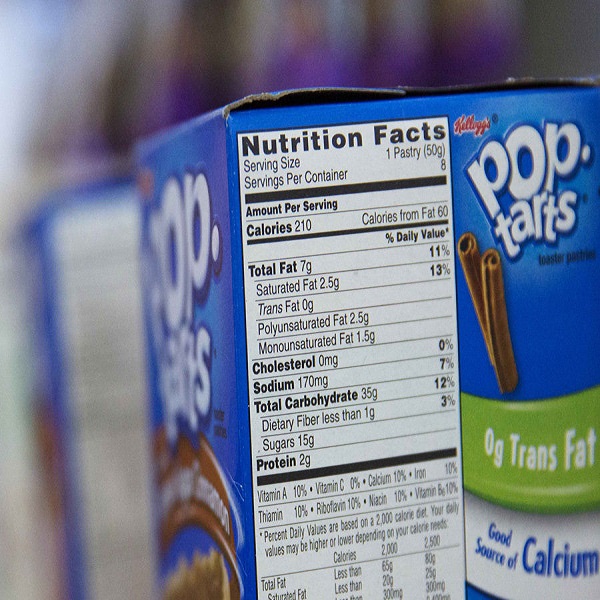
Food labels are a very integral part of every food package. A food package without a label is considered as incomplete. It is also against the food standard laws to make food packages without labels.

A label gives you information that can help you decide if such food is needed to be part of your overall health plan. Checking food labels can also alert you to a food that is high in sugar. Food labels also provide you with the state or country which the food was produced or originated from. They also state which food ingredients present in the food product can cause an allergic reaction. Food labels also state all the food additives that have been used to produce the food product. It is therefore necessary to read food labels before buying or consuming foods. Here are some important reasons why you should read food labels;

  1. Food Label Provides You with Key Information

A food label provides key information like total fat, serving size, calories, saturated fat, carbohydrates, protein and vitamin content of the food product. The label also contains the list of ingredients that were used to produce the food product. This information helps you to maintain your daily diet targets and also helps you to avoid specific ingredients especially if you have food intolerance or if you are excluding certain ingredients from your diet as is the case with vegetarians.

  1. Food Label Helps You Reduce Food Intake

Checking food labels helps you to know exactly what quantity of food you are eating. This plays a central role in cutting back on your food intake. Health agencies have recommended that you reduce your sodium intake to less than 2300milligrams per day and also to reduce your sugar and your saturated fat intake to not more than 5-15% of your daily calorie need. Always check food labels for guidance in reducing the intake of those recommended food components.

  1. Food Label Helps You Improve Your Diet

Checking food labels will help you stay in track with the recommended amount of foods that can help improve your diet. For example, it is recommended that you increase your intake of fiber, so checking the food labels can help you ascertain the right amount of fiber in a particular food so that you can stay in track with the daily recommended amount of fiber.

There are various information a food label can carry and you need to know the exact things to look for in a food label. Such things include;

  1. Product Dates

Product dates can come in three different forms namely;

  • “Sell by” Date: This date tells you how long the manufacturer suggests that a store should sell a particular food. Ensure to buy the food product before this date.
  • “Use by” Date: This date tells you how long the food will retain its peak quality. If you buy or use such foods after that date, it might be stale or have less taste.
  • “Best if used before” Date: This date tells you how long the food will have the best flavour or quality. It does not suggest a date that the food should be purchased.

Note that product dates are not safety dates; they are just added voluntarily by the manufacturers.

  1. Ingredient List

This dissipates each ingredient present in the food product by its common name. The ingredients are listed in descending order of their weight. That is, the ingredients which weighs the most is listed first and the ingredient which weighs the least is listed last.

  1. Nutritional Fact

The nutritional fact confers the information about the total number of servings in the food container. It also gives the information of the food and drink serving size. The serving size on the label is based on the quantity of food that people typically eat at once and it is not a recommendation of how much you should eat.

It is crucial to determine your nutritional goals first so you can make better use of the information included on food labels.

Baking or Frying, Which is Healthier?

Baking vs Frying
image source: anybodycanbake

In cooking of foods, you find out that a particular type of food material can be cooked in various ways. You can subject a particular food to boiling, frying or baking and each method will produce a food delicacy. Boiling is the most common cooking method but baking and frying are slowly overshadowing boiling method. It is therefore important to know the impact of baking and frying on foods and their health benefits.

Baking is a food preparation method that is carried out using an oven. It makes use of dry heat as a medium of cooking the foods. As the heat travels through the doughs and batters, it transforms them into baked goods that have a firm dry crust and a soft center. Virtually all kinds of foods can be baked, but baking is mostly carried out using flours to produce varieties of food products like cakes, pastries, biscuits, cookies, bread, pies etc. These food products are collectively referred to as baked goods and are often sold in a bakery or confectionary. Various other foods like meat, fish, eggs and beans can also be baked.

Frying is a method of cooking which involves cooking food in oil or any other fat. Pan-frying is the most common form of frying and it is done by generally turning food over once or twice during cooking with the aid of a tong or spatula. This is done till the food changes colour or texture, which signifies that the food is cooked. There are different ways of frying like; stir frying, pan frying, shallow frying and deep frying.  Frying techniques depend on

  • Fat required for frying
  • The cooking time
  • The type of cooking vessel
  • Food manipulation or end product.

When choosing the right food to stay health, the cooking method matters a lot. It is advised to avoid frying foods and settle for baking instead. The key to healthy cooking is to capture the flavour and retain the nutrients of your food without adding excessive amount of fat, sugar and salt. You can achieve all this by baking your foods rather than frying them. There are several proven reasons why baking is healthier than frying, they include;

  1. Baking Reduces Risk of Heart, Kidney and Lung damage.

When starchy foods are heated in oil at high temperatures, it leads to the oxidation of the oils. The oxidized oil causes health problems like, damage to kidney, heart and lungs. Consuming oxidized oil can also lead to the increased risk of high blood pressure and atherosclerosis. Baking, which does not require any addition of oil is therefore a better option.

  1. Frying Promotes Obesity, Stroke and Diabetes.

Many deep fried foods are cooked in partially hydrogenated oils which increases the shelf life of the food. But, consuming such oils reduces the effectiveness of the immune system and promotes diabetes, stroke and obesity.

  1. Frying Increases Calorie Intake

Oils used for frying contain saturated fats which are high in calories. Eating fried foods adds to the calorie count in foods. However, baking does not add any additional calories and fats. So eating a food in baked form is better than eating that particular food in fried form.

Baking of foods is the better option for people who want to maintain a healthy lifestyle. Health conscious people and those who are on a special diet, will benefit from the low-fat content in baked foods and still enjoy the tenderness and flavour of baked foods.

There are several foods that are enjoyed more if you bake them rather than their fried alternatives. Examples of such foods are:

  • Baked french fries
  • Baked chicken
  • Baked shrimp
  • Baked beef
  • Baked beans

Beans As A Carbohydrate Source

Beans
image source: delish

Beans is always classified as sources of protein, this fact has been scientifically proven as true. But, it may come as a surprise to you that beans is also a rich source of carbohydrates. There are several other foods that are both carbohydrate and protein sources. It includes foods like; yoghurt, milk, whole grains etc.

Carbohydrates are macro nutrients. They are one of the three nutrients by which the body obtains energy or calories. Carbohydrates are the body’s main source of energy. They are called carbohydrates because at the chemical level, they contain carbon, hydrogen and oxygen. Carbohydrates provide fuel for the central nervous system and provide energy for working muscles. They are essential for brain function because they are an influence on mood, memory and overall body movement.

Some suggestions for Amzon links to “Organic Green Lentils”.

rganic Green Lentils

Project Overview Docs Banner in Light Green Blue Vibrant Professional Style 1

Carbohydrates are the sugars, starches and fibers found in fruit, grains, vegetables and milk product. They are paramount for a healthy diet. Carbohydrates come in simple forms such as sugars, and in complex form such as starches and fibers. The body breaks down most sugars and starches into glucose. Glucose is a simple sugar which the body uses to feed its cells. Complex carbohydrates are derived from plants. Dietary intake of complex carbohydrates can lower blood cholesterol, especially when they are substituted for proteins and saturated fats.

Beans is a vegetable that contains lot of proteins. They are sometimes used as a vegetarian protein source. However, they are also significant source of carbohydrates. Beans are a complex carbohydrates, which means that the body digest them more slowly than other carbohydrates. This helps to keep blood sugar levels stable for longer periods of time. According to the University of California, half cup of beans contains 125 calories, 15 grams of carbohydrate, 7 grams of protein and 0.3 grams of fat when cooked. It has also been discovered that baked beans may contain more carbohydrates than other beans types.

Beans is a high fiber food which also makes it a carbohydrate source. Fibers are complex carbohydrates which we refer to as polysaccharides. Eating beans will supply a person with a steady glucose content, instead of the sudden energy rush associated with simple carbohydrates. Overall, beans are better sources of healthy carbohydrates and if you need more healthy carbohydrates in your diet, I would advise you to consume more beans.

Beans are low glycemic foods. The glycemic index measures how rapidly a carbohydrate food raises your blood sugar. Beans which is a low glycemic food, moves through the digestive system slowly. This causes a gradual increase in blood sugar and provides sustained energy, as opposed to high-glycemic food which causes a sharp increase in blood sugar. These sharp increase is followed by a quick decline in blood sugar. For this reason, beans are good carbohydrates option for those needing to keep their blood sugar stable.

Beans provide an inexpensive, versatile and nutritious food option. You can have beans as a side dish with your meal. You can also add them to salad or enjoy them on their own as snacks. More commonly, beans is used as a main dish. Consider having beans beans in a dish instead of meat at least once or twice in a week.

Some suggestions for Amazon links to “Organic Best Hummus Beans Bundle – Organic Garbanzo Beans”.

Organic Best Hummus Beans Bundle Organic Garbanzo BeansProject Overview Docs Banner in Light Green Blue Vibrant Professional Style 1

Healthy Juice Ideas

juice
image source: alive

Who doesn’t enjoy a cup of fresh natural juice, preferably cold?. Juices are delicious, liquified ways to enjoy various fruits and vegetables. They provide easy nutrients for you and help your immune system. You should normalize making juices at home, because that is the only way you can ensure that they’re hygienically prepared.

These fruit juices are easy to make at home and highly nutritious:


Carrot Juice

Carrots contain no fat. If you’re going on a diet, this is one juice you can always make at home. Vitamin A, which is also critical to a healthy immune, is present in carrots in the form of the antioxidant beta carotene.

The carrots also contain vitamin B-6, which plays an important role in immune cell proliferation and antibody production.


Pineapple Juice

Did you know that pineapple juice is five times more effective than cough syrup. It also prevents colds and the flu. Pineapples are packed with a variety of vitamins and minerals. They are especially rich in vitamin C and manganese. Also, consuming pineapple juice provides bromelain, a group of digestive enzymes that breaks down proteins. This may aid digestion, especially in those with pancreatic insufficiency.


Ginger Juice

We all know ginger for its many medicinal properties and high nutritional components. Having a cup of ginger juice will prove very helpful for your immune system and all round health. The spicy ginger juice packs a great nutritional punch and can also serve as a valuable natural medicine. Drinking ginger juice regularly can give you long and strong hair. One easy way to make ginger juice is to; use a simple grater to grate fresh ginger using the smallest holes. Place a bowl below the grater to collect the grated ginger. Next, put all of the grated ginger in a cheesecloth, wrap it properly and now squeeze it over an empty glass or bowl to collect all the juice.


Tomato Juice

If you are a sweet tooth, the possibility is very high that you may not fancy the tomato juice. But, if you’re all about that healthy and nutritious lifestyle, you should consider making this at home. The best part? No juicer or blender is required, although you’ll want to strain the bits and pieces through a sieve. Tomatoes are rich in vitamin B-9, commonly known as folate. It helps lower your risk of infections. Tomatoes also provide modest amounts of magnesium, an anti-inflammatory.


Watermelon Juice

Simply put, watermelons are good for you. It is high in vitamin A, vitamin C and potassium. It’s about 92% water, so it’s plenty hydrating, too. Your juice will only be as good as your watermelon, so find a good one at the market. The watermelon juice is a quick and delicious drink that goes well on any day. You can even make ice pops out of this drink as a snack.

Try These Amazing Breakfast Ideas

Breakfast ideas

image source: giverecipe

Breakfast is often referred to as the most important meal of the day. Breakfast replenishes your glucose supply and boosts your energy levels and alertness. Breakfast also provide essential nutrients that are needed by your body to start up your day. Eating breakfast also helps you control your weight because it fills you up. Eating breakfast generally makes you enjoy a healthy diet because you are less likely to crave for snacks during the day.

A good breakfast should have a combination of protein, thin fat and some fiber-filled carbohydrates. This combination will give you a breakfast that will keep you feeling satisfied and energized. Below are some breakfast food options that are best for you:

  1. Eggs

Eggs are inexpensive and nutrient-dense breakfast food. Eggs contain choline which is needed daily to regulate your memory, mood and muscle control. Eggs also contain high quantities of proteins which are important for your skin, blood and bones. Proteins take longer to digest than carbohydrates which make egg very satisfying. You can choose to eat scrambled eggs with whole-grain toast. Add sliced tomato to make it a very healthy meal.

  1. Oats

Oats are one of the best breakfast foods because they are 100% whole grains and as such, they are filled with fiber, B-vitamins, plant based proteins, iron, calcium and magnesium. They have been linked with health benefits like reduced risk of heart diseases. They have also been shown to improve blood cholesterol. The fiber they contain also fuels your body’s probiotics and helps your friendly gut bacteria to thrive thereby aiding the digestion of foods.

  1. Whole-Grain Waffles

When choosing waffles, go for waffles made with 100% whole grains, because this keeps the sugar content as low as possible. Waffles are filled with fiber and protein and they contain little sugar. You can use whole-wheat waffles as sandwich or  bread, just add eggs or nut butter toppings to make it a delicious breakfast.

  1. Greek Yoghurt

Greek yoghurt provides a great probiotic benefit. Greek yoghurt is a great low-sugar breakfast food. It is full of calcium and vitamin D, it also has high protein content. You can include fresh or frozen fruits to add a sweet flavour to the yoghurt.

  1. Banana

Banana is a very filling food. It is packed with folate and vitamin B6. Banana aids in the production of a hormone called serotinin which helps improve mood and reduce anxiety. Banana is also rich in soluble fiber which can help lower your cholesterol levels. To boost your breakfast with bananas, you can slice them onto a plate of morning oats.

  1. Coffee or Black Tea

The caffeine and antioxidant found in black tea and coffee have various health benefits which include; decreased risk of chronic disease and weight management. Black tea and coffee contain zero calories. Drinking a cup of black tea or coffee in the morning will help you get a head start on your hydration goals for the day.

  1. Whole-Grain Toast

Whole grains provide antioxidants which protect your tissues from harmful inflammation that damages your organs. They are also loaded with calcium, potassium, magnesium, zinc and iron. These minerals are essential for your overall immunity and heart health. The vitamins contained in B-vitamins help your body convert food into energy. All these health benefits make whole-wheat toast a perfect breakfast food.

  1. Avocados

Avocados contain a combination of heart-healthy fats, dietary fiber and water. This combination keeps you filling full and makes you less likely to overeat during the day. Avocado is packed with B-vitamins and minerals. The unsaturated fats in avocado decreases risk of heart disease, cancer and diabetes.

  1. Sweet Potato

A medium sized sweet potato provides you with almost 400% of your daily vitamin A need. It is rich in beta-carotene which is important for immunity. A single sweet potato also contains 15% of your daily recommended fiber intake, which lowers your bad cholesterol level and boost your gastro intestinal tract health.

  1. Berries

A cup of blueberries contain 9g of fiber and 50% of your vitamin C need. Berries contain antioxidants which have cell-protecting properties. They also help protect your blood vessels from harmful plaque and boost your blood circulation. Berries are filled with potassium that help balance your blood pressure.

The above foods are the best breakfast choices because; they are filling and contain lots of nutrients which is exactly what your body needs to kick-start your day and curb hunger.

Everyday Foods That Can Cause Allergic Reactions

allergies
image source: medicalnewstoday

Allergic reactions are mainly attributed to genes. They are inherited from family members and passed on from generations to other generations. Certain things cause people to exhibit allergies, such things include;

  • Insect bites
  • Certain medications
  • Certain plants
  • Pet dander
  • Certain foods

More commonly, people show higher allergic reactions for food.

An allergic reaction occurs when cells in the immune system interpret a foreign substance as harmful. The immune system reacts harshly to this foreign substance and produces a chemical called Histamine. This chemical causes allergy symptoms such as inflammation, sneezing and coughing. Some people show mild allergic reactions and this is usually treated with home medication. However, in some cases, people show chronic allergic reactions and such people need treatment from a medical professional.

When trying to avoid allergic reactions, there are certain food that should be avoided. Such foods have been known to cause allergic reactions. For people who have food allergy, exposure to even small amounts of the problem food can trigger an allergic reaction. Symptoms begin to show few minutes after exposure, while in some cases, symptoms start showing after few hours. Symptoms of food allergy include;

  • Swelling of tongue, mouth or face.
  • Difficulty breathing.
  • Low blood pressure
  • Vomiting
  • Diarrhea
  • Hives
  • Itchy rash
  • Anaphylaxis (in severe cases).

Some common everyday food that can cause allergic reactions are;

  1. EGGS

Egg allergy is more common in childhood and about half of the children who have it, outgrow it by the age of 3. In very few cases, egg allergy can cause anaphylaxis. Three proteins have been attributed to causing egg allergy and they are;

  • Ovomucoid
  • Ovalbumin
  • Conalbumin

Cooking may destroy some of these allergens but not in most cases, so some people react to both cooked eggs and raw eggs.

  1. FISH

Fish allergy often leads to severe reactions, including anaphylaxis. Adults are more likely to have fish allergic reaction than children. This may be because adults eat fish more often than children do. People who are allergic to one type of fish often react to other types of fish. This is because, the allergen in this fishes are similar. Cooking does not destroy fish allergens. In rare cases, people with fish allergy can be allergic to cooked fish but not to raw fish.

  1. MILK

Cow milk allergy is the most common food allergy among children. Only a small amount of milk can trigger an allergic reaction. Milk allergy can be passed to babies through their mother’s breast milk as a result of the dairy products she has eaten. It can also be gotten when babies are fed with cow milk. Most children outgrow milk allergy but one fifth of children who have milk allergy will still be allergic when they become adults. The symptoms of milk allergy are often mild and can affect any part of the body. Milk allergy results in anaphylaxis on rare occasions.

  1. TREE NUTS

Nuts which are most likely to cause allergic reaction include

  • Walnuts
  • Hazelnuts
  • Almonds
  • Cashew nuts
  • Pine nuts
  • Brazil nuts

Allergy from tree nuts are usually life long. These nuts can cause anaphylaxis in people who are sensitive. Sometimes, people with allergy from one type of tree nut will also react to other nuts. People with nut allergies are advised to visit their doctor.

  1. PEANUTS

Peanut allergy is often life long. Peanuts are one of the most common causes of food allergy and can result in severe reactions including anaphylaxis. The allergens are not destroyed during cooking or roasting. Very tiny amounts of peanuts can cause severe reaction, so coming in contact with even the most little of peanut traces is enough to cause reaction in people that are sensitive. Refined peanut oil is safe for people with peanut allergy because, the proteins that cause the allergy are removed during manufacturing process. Some people who have peanut allergy can also react to other legumes like soybean, green beans, green peas and kidney beans.

  1. SOYBEAN

Soybean allergy is common in children . Most children outgrow soybean allergy by the age of 2, but occasionally, some people carry it to adulthood. Soybean allergy symptoms are similar to milk allergy symptoms. Some people with soybean allergy might also react to milk. In rare cases, soybean allergy can cause anaphylaxis. Soybean is used as and ingredient in most manufactured food products including baked goods, sweet, drinks, breakfast cereal, seasoned foods, margarine, ice cream, pasta and processed meat. So it important to check food labels to confirm if such foods contain soybean.

  1. WHEAT

The higher population of people who experience wheat allergy are babies. Wheat allergy reactions occur as a result of some protein in the wheat. An example of such protein is Gliadin, which is found in gluten. Because of this, people with wheat allergy are sometimes recommended to eat gluten-free diet.

Variety of other foods can also trigger mild allergic reactions in people. Such food allergy include;

  • Cereal allergy
  • Coconut allergy
  • Fruit and vegetable allergy
  • Meat allergy
  • Spice allergy
  • Rice allergy

Food allergies may progress or get better over time, so anyone suspecting they are allergic to certain food, should consult their doctor

Couscous vs Rice

couscousvsricee
image source: organicfacts

So, I made couscous for the first time. Stir fry way with shrimps, carrots, chicken francks, onions, garlic and scotch bonnet. Tasted real nice, I know it’s a better option instead of rice. But to be honest, lowkey, rice is tastier.” What you just read was my documentation after I made couscous for the first time. I don’t feel the same way now. The second time I made it, I had a change of heart. Couscous can be, both a delicious and healthy option instead of rice. Have you tried couscous before? What’s your verdict?


Nutritional Components Of Couscous

Couscous is a popular side dish that is common in North African and Middle Eastern cuisine. It is made from small granules of semolina (pasta) and often accompanies meat, vegetables, or stew. Couscous calories and nutrition depend on the preparation method that you use, but it can be a healthy addition to your meal. Couscous contains;

  • Calories: 174
  • Fat: 0g
  • Sodium: 13mg
  • Carbohydrates: 36g
  • Fiber: 2g
  • Sugars: 0g
  • Protein: 6g


One cup of cooked couscous has fewer calories and carbohydrates than both brown and white rice. There is more fiber in couscous than there is in white rice. But brown rice is the winner when it comes to fiber. Fiber helps boost digestive health and can help you to feel full longer after eating. These nutritional benefits may help you to reach and maintain a healthy weight.

Protein is another macronutrient that can help you to reach and maintain a healthy weight. Protein also helps you to build and maintain strong muscles. Couscous provides more protein than both white and brown rice, although brown rice comes close.

Couscous is also the lowest in fat, however, preparation method can make a big difference. Brown rice provides the most fat, but the types of fat in brown rice (mono and polyunsaturated fat) are considered to be healthy fats.


Below is a quick recipe from Afrifoodnetwork.com


Couscous Pasta – Preparation

Prepare time: 20 min

Cook time: 30 min

Ready in: 50 min


Couscous is a very famous served type of pasta in the region of Northwest Africa known as the Maghreb. In typical Maghreb cooking, couscous is cooked in the top part of a pot known as a couscousière. The bottom part holds a stew, or tagine, whose simmering vapors steam and flavor the couscous.


Ingredients


  • Couscous -2 cups
  • Salt -1/2 teaspoon
  • Boiling water or stock -2 cups


Directions


  • Mix the couscous and salt together in a large bowl.
  • Pour the boiling water or stock over liquid all at once into the couscous and stir in well.
  • Cover the bowl with a tight-fitting lid, plate or with plastic wrap.
  • Set aside for about 10 to 15 minutes to steam.
  • Remove the cover and fluff the couscous with a fork.
  • Stir in 1 tablespoon of butter or olive oil if you like.
  • Use couscous as a base for North African tagines and stews, or as an accompaniment to hot entrees or cold salads.

QUICK RECIPES