Do You Know That Pasta is Made From Wheat Flour?

Jollof beef and shrimp Tagliatelle Pasta

Pasta is a common Italian cuisine. It originated from the Italian culture and has spread throughout the countries of the world. What most people do not know is that pasta is made from wheat flour. Pasta is typically made from the unleavened dough of wheat flour. The ingredients used in pasta production are wheat flour, egg, salt and water. The type of wheat used to produce pasta is called durum wheat.

Pasta is divided in 2 broad groups called dried pasta and fresh pasta.

  1. Dried Pasta

The dried pasta is usually the one manufactured in factories. It is made using wheat flour, egg and water. Vegetable juices, herbs or spices can also be added to impact colour and flavour. The wheat flour is mixed with warm water and the dough is kneaded mechanically until it becomes firm and dry. The additional ingredients like the vegetable juices and spices are added after kneading. The dough is then passed into the laminator to be flattened into sheets. After flattening, it is compressed by a vacuum mixer machine to clear out excess water and air bubbles from the dough until the moisture content is reduced to 12%. The dough is processed in a steamer to kill any bacteria present in it. The dough is then shaped into different types of pasta. The dough can be cut or extruded depending on the type of pasta to be made. The pasta is set in a drying tank under specific conditions of heat, moisture and time; all this will depend on the pasta type. After drying, the pasta is then packaged for sale.

  1. Fresh Pasta

Fresh pasta is traditionally produced by hand and in some cases simple machines are used. To produce fresh pasta, wheat flour, egg, salt and water are used. The flour is molded on a flat surface and a well is created in the pile of flour. The egg is poured into the well and a fork is used to mix them together. The fresh pasta type can be shaped in different ways depending on the type of pasta required. Popular types include; spaghetti, macaroni and penne. Cooks who make large amounts of fresh pasta can make use of pasta makers. The pasta dough is feed into the machine by hand, and by turning a hand crank, the pasta is turned into thin rolls. As it emerges, the pasta is directed through a machine comb to give it the shape required.

Gluten-Free Pasta: It is widely known that wheat flour contains some amount of gluten. So for gluten intolerant people, pasta can be produced from a variety of gluten-free sources which include; rice, corn, oat and quinoa. Gluten-free pasta can also be made with ingredients like hydrocolloids which help improve the high heat resistance of cooking pasta, xanthan gum which will retain the moisture of the pasta during storage and hydrothermally-treated polysaccharide mixture which produces a pasta texture that is similar to that of wheat pasta.

Pasta has a lower glycemic index than many other staple carbohydrate foods like bread and rice which makes it a good choice if you want to reduce your calorie intake. When cooked, plain pasta is composed of 62% water, 31% carbohydrate, 6% protein and 1% fat. Cooked pasta provides a good amount of your daily calorie need and a moderate level of manganese and few other micro nutrients.

Pasta is normally served with some type of sauce. Pasta can be served with tomato sauce and also white sauce. Pasto can also be served with a Bolognese sauce which incorporates a small amount of tomato concentrate and a green sauce called pesto. Southern Italy pairs pasta with more complex food varieties like fresh vegetables, olives or seafood. Pasta is also served with baked cheese, sardines, fennel, pine nuts, garlic and hot chilli pepper.

Do You Know You Can Eat Chocolate And Still Lose Weight

Lose weight

Many people dream of eating their favourite food and still lose weight in the process. Well this dream can become a reality in the case of eating chocolate.

Chocolate is the most popular sweet treat in the world. People around the world consume more than 3million tons of cocoa beans a year, according to the World Cocoa Foundation. Chocolate is a generally accepted food that millions of people enjoy everyday, thanks to its unique, sweet and rich taste.

Cocoa, the key ingredient in chocolate contains biologically active phenolic compounds. The higher the cocoa content, the more benefits there are. Certain ways in which chocolate consumption can lead weight lose are explained below;

CHOCOLATE CAN LOWER YOUR BODY MASS INDEX

Body mass index is used by many dieticians and professional healthcare personnels to determine the ideal weigh of an individual. A high body mass index indicates that a person is over weight and vice versa. Studies have shown that consumption of small amounts of dark chocolate can lower the body mass index over time.

CHOCOLATE CAN REDUCE STRESS-INDUCED WEIGHT GAIN

It has been observed that experiencing high levels of stress can lead to weight gain. Stress causes an increase in the level of cortisol, a steroid hormone which increases blood sugar, suppresses the immune system and facilitates the metabolism of fat. High cortisol levels also leads to binge eating in some people . Consuming dark chocolate increases the endorphin and serotonin levels of the brain. This helps to reduce feeling of anxiety and stress. A little dark chocolate can be in cooperated into your stress-management plan.

A LITTLE CHOCOLATE KEEPS CRAVINGS UNDER CONTROL

Most people get incessant cravings for sweet chocolate every now and then. Consuming small amounts of dark chocolate can help subdue those cravings. Eating a couple of dark chocolate cubes each day can help you avoid the temptation to indulge in larger amounts of other sweet and salty snacks. Such snacks may contain higher amount of sugar that contribute to weight gain.

CHOCOLATE MAKES YOU FEEL FULL LONGER

Consuming dark chocolate consistently can actually slow down the digestive process and make you feel full for a longer period of time. It also  makes you less likely to overeat during meals. Dark chocolate is packed with monounsaturated fatty acids which are plant-based fats that improve your metabolism rate and help you burn calories and fat.

CHOCOLATE MAKES YOU EXERCISE MORE

Exercise is an important component of weight loss, but many dieters find this area a very big challenge. Dark chocolate contains anti-inflammatory properties that can make your body feel lighter. You may experience less pain during and after exercising and when you feel good, you are more likely to start an exercise plan and stick to it.

Remember, chocolate is healthiest when eaten in moderation because many of the protective effects that chocolate may offer might be mitigated by over consumption.

Do You Know You Can Make Juice From Sweet Potato?

Amazing Health Benefits Of Sweet Potato Juice 1
image source: stylecraze

Sweet potato juice is an uncommon juice in our society. Most people have no knowledge of it, while others will decide against drinking it. But this particular sweet potato juice is unique, delicious and is packed with wonderful nutrient options. Sweet potato juice should be produced using a special cultivar of sweet potato called Orange Fleshed Sweet Potato.

Juice can be described as a drink made by extracting the natural liquids contained in fruits and vegetables. Juices can also be referred to as liquids that are flavoured with other biological food sources such as meat, certain carbohydrates and seafoods. Juice is commonly used as a beverage.

Orange fleshed sweet potato is a specie of sweet potato. It is a special type of biofortified sweet potato. Biofortification enhances the nutritional value of staple food crops by increasing the density of vitamins and minerals in the crop. This biofortification is done through biotechnology or agronomic pratices. It is rich in beta carotene which is an excellent source of vitamin A. It is also high in fibre and magnesium which helps to improve digestion. It is made up of adequate amounts of complex starch, vitamins and some amounts of protein and can be a good source of food for weight gain. It also has anti inflammatory properties and is rich in antioxidants. Orange fleshed sweet potato is capable of warming up the body. This may be due to their sweetness and other nutrients that impact body temperature. It is also high in vitamin B and zinc which are important in managing arthritis. It is also beneficial for people suffering from bronchitis.

Orange fleshed sweet potato can also help to prevent constipation which may lead to acid formation. In preventing acid formation, ulcer is avoided. They are fat free and cholesterol. The rich colour of orange fleshed sweet potato is a visual indication of the high levels of beta carotene. They help strengthen eye sight and boost our immunity to diseases. They are powerful antioxidants that help ward off cancer amd protect against aging.

The nutritional benefits of orange fleshed sweet potato are numerous and making it into a juice will prevent loss of nutrient during processing.

RECIPE FOR ORANGE FLESHED SWEET POTATO JUICE

Ingredients:

  • Medium sized orange fleshed sweet potato
  • One large carrot
  • One lime
  • Two large oranges

Procedure:

–  Boil the orange fleshed sweet potato in water for 15minutes. After boiling, drain the water and peel off the potato skin.

– Cut the potato into small bits and grind into a purry using a blender. Add water while blending to obtain an appropriate  purry consistency.

– Cut the carrot into small bits and blends in a blender. Sieve out the carrot juice using a strainer or muslin clothe.

– Squeeze out the lime juice.

– Squeeze out the orange juice.

– When you have obtained the sweet potato purry, carrot juice, lime juice and orange juice, stir the juices thoroughly in a bowl and serve out in glasses.

Note: For the best flavour, remove peel and pith from the citrus fruit before juicing.

Although orange fleshed sweet potato is often juiced for its nutrients, it is also a source of subtle creaminess in terms of both flavour and texture. They can also be eaten as snacks.

Here’s How You Can Eat Healthy On A Low Budget

eating healthy
image  source: medicalnewstoday

Most people wish they could eat healthy but decide to settle for those available food because of lack of funds. People that feel that way are not to be blamed because expensive powders and super foods are rampant in our society today. Such expensive foods have been tagged healthier, but that is not the case.

Healthy eating can be achieved on a low budget if the following tips are adhered to and implored.

  1. Plan Your Meals and Stick to It

Planning is essential for saving money when it comes to shopping. Plan your meals for the upcoming week a week in advance. Try to purchase only what is essential for you to use, so as to avoid buying unnecessary things. There are also many great grocery list apps that you can use to ensure that you buy the appropriate items. It is very easy to get side tracked at a grocery store, so try to remain focused and stick to the list.

  1. Don’t Shop When You Are Hungry

When you go shopping in a hungry state, you end up deviating from your shopping list, because there is higher tendency of buying something on impulse. Hunger cravings are generally foods that are not good for you or foods that are not in your food budget. If you are hungry prior to a market escapade, try to eat a healthy snack, yoghurt or fruit before leaving the house.

  1. Replace Meat with Other protein

Meats are generally the costliest source of protein. It is possible to get all your protein body needs without including meat in the diet plan. Plan yourself to have some days in a week when meat is replaced by other protein sources like legumes, eggs or canned fish. All these other protein sources are not as expensive as meat and most of them have longer shelf life and are less susceptible to spoilage than meats.

  1. Learn To Eat Home Cooked Foods.

Cooking at home is generally cheaper than eating out. It will be helpful to know that the amount you spend for 2 people when eating out can prepare a home cooked food for 4 people. By cooking yourself, you also have the knowledge of what exactly is in your food. Make it a habit to cook at home rather than eating out.

  1. Buy Whole Foods.

Generally, foods are cheaper in less processed form. It is advisable to go for such foods that have not been processed. Whole foods are both healthier and cheaper because some processing procedures tend to reduce the nutritional content of foods. Whole grains are also cheaper than processed cereals. Also less processed foods are sold in larger quantities and yield more serving per package.

  1. Cook Large Portions and Use Leftovers.

When you cook in large portion, it saves time and money. Time spent on cooking small quantities multiple times can be channeled to strategizing a healthy meal plan. Eating leftovers can open you to a range of food choices and give you more value for your money. Leftovers like stews and salads can be combined with fresh foods to produce a totally different meal.

  1. Stop Buying Junk Foods.

Different studies have shown that junk foods reduce our body’s immuno stability and expose us to more diseases and illnesses. If you want to stay healthy, the right choice is to judiciously avoid junk foods. They generally offer little nutrition and are packed with unhealthy ingredients. Junk foods are always more expensive, saving the money from junk foods can provide you with more money to spend on higher quality and healthy foods.

  1. Shop For Produce That Is In Season.

When a local food produce is in season, it is always cheaper and the nutrients and flavour of such food produce are always at their peak. Buying the seasonal foods in large quantities is also advised. The excess foods can be stored for subsequent use. A food produce that is not in season must have undergone several storage and transportation processes, making it less healthy and not environmentally friendly.

  1. Grow Your Own Produce.

Growing your own food is indeed a great idea. It gives you constant access to the food. Seeds are very cheap to buy and with appropriate time and effort, you will be able to grow a variety of food crops like tomato, herbs, onions, fruits and vegetables. Having a continuous supply at home saves you money. Also home grown produce may taste a lot better and the health benefit is guaranteed.

  1. Appreciate Less Expensive Foods.

Many foods available in the market are both inexpensive and healthy. You need to eradicate the mindset that more expensive foods provide more health opportunities. Using cheap foods like eggs, beans, frozen fruits and vegetables, whole grain and cheaper meat cuts, will give you every health benefit you need.

Food Choices That Can Help You Lose Weight

eggs breakfast avocado 1296x728 header
image source: healthline

Being overweight can cause both health issues and emotional issues. Most overweight people battle with depression and are also at risk of having various health problems like, diabetes, heart disease, certain cancer, high blood pressure, kidney diseases and liver diseases. It is therefore advised to maintain a moderate body weight.

Most over weight people find it a big challenge to exercise, even though exercising is an effective way to lose weight. In such cases, people can settle for restructuring their diet to include varieties of foods that improve weight loss. There are various foods to choose from when you want to lose weight and most of those foods have few things in common, they are usually high in fibre and have a low energy density. Foods that can help with weight loss are;

  1. Avocado

People who eat avocado tend to have lower body mass index. A high body mass index is an indication of excessive body weight. This may be attributed to the fact that avocados are rich in mono unsaturated fatty acids, dietary fiber, potassium and phytochemicals. While avocados are higher in calories than other fruits and vegetables, their satisfying fat and fiber combo may help you slim down. You can add avocados to your salad and sandwich. You can also make them into dips for chips.

  1. Eggs

Eggs are rich in high-quality protein and essential nutrients like vitamin D. It is the proteins in eggs and the time of the day we eat eggs that make them effective for weight loss. Eating eggs promotes weight loss because proteins increase satiety while regulating hunger and appetite hormones. Eating eggs for breakfast will keep you feeling full and fend off your hunger until lunch time.

  1. Yoghurt

Yoghurt are packed with proteins and probiotics. Probiotics are good for gut health and help improve your weight loss options. Your gut health can impact your weight, and eating more fibre and probiotics helps keep your gut bacteria in check. A good gut health aids better digestion and improves metabolism. Greek yoghurts are better options because they are associated with reduced appetite and increased satiety.

  1. Fruits

Eating fruits can help you lose weight, especially if you replace processed foods and unhealthy snacks with fruits. Eating fruits will provide you with a natural sweet treat while giving you the benefits of fibres and antioxidants.

  1. Popcorn

Popcorn makes an excellent weight loss snack. Not only is popcorn high in fibre, it also delivers some proteins. An ounce of popcorn contains 4 grams of fibre and about 4 grams of protein. Popcorn is filled with air, so you can consume a large portion without consuming lots of calories.

  1. Almonds

Almonds are an excellent source of fibre and protein. Eating almonds can help you feel full longer, which makes it less tempting to eat unhealthy snacks between meals. Almonds are also rich in vitamin E and are good source of heart healthy mono unsaturated fats. Almonds can be eaten by sprinkling over a salad or a side dish, or just consuming them as snacks.

  1. Boiled Potatoes

Boiled potatoes are a perfect option for both weight loss and optimal health. They contain a diverse range of nutrients and there have been accounts of people living on nothing but potatoes for an extended period of time. Boiled potatoes have been recorded to be the highest ranking food on the scale of foods that keep you feeling full. Allowing potatoes to cool a while after boiling will allow them form high amounts of resistant starch which has been shown to have weight loss benefits.

  1. Apple Cider Vinegar

Apple cider vinegar is often used as a condiment for dressing salads. Some people dilute it in water and drink it. Several human studies suggest that apple cider vinegar can be useful in weight loss. Taking it at the same time as high carbohydrate meals can increase feelings of fullness and make people eat less calorie.

You can supplement this wonderful weight loss foods with regular exercise. This will pave your way in achieving an effective weight loss plan and also give you the benefit of a healthier life.

These Foods Prevent The Actions Of Drugs

Calcium Foods
image source: fon

Drugs are chemical substances which are administered to living organism to produce a biological effect. Drugs can also be called medicine or medication. They are used to treat, cure, diagnose or prevent a disease. Some drugs are also used to promote well being. Whatever the reason may be for taking a particular drug, the most important thing to consider is the effect it confers to the body. This effect is the main reason why people take drugs. Unknown to us, there are some diets we engage in that can reduce or interfere with the ability of drugs to perform their basic function.

There are certain healthy foods that can have severe consequences when mixed with certain drugs. The food in itself doesn’t have drug inhibiting factors but when these foods are mixed with certain drugs, they tend to be severely consequential. Below are some of the most dangerous food-drug interactions;

  1. Vitamin K-Rich Foods + Warfarin

Warfarin is an anticoagulant drug. VitaminK-rich foods like spinach, kale and leafy vegetables, are vital for the production of clotting factors that help prevent bleeding. However, warfarin exert their effect by inhibiting vitamin K, so, an increased intake of foods rich in vitamin K can antagonize the anticoagulant effect of warfarin and prevent the drug from performing its function.

  1. Calcium-Rich Foods + Antibiotics

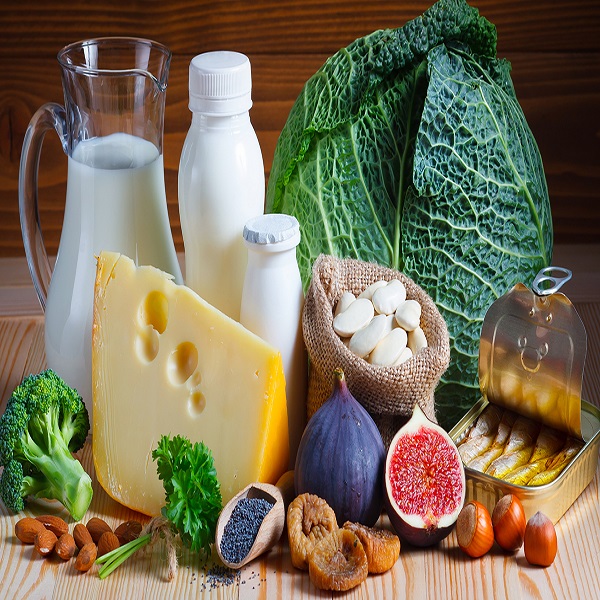
Dairy products like milk, yoghurt and cheese can interfere with certain antibiotics drugs such as; tetracycline and ciprofloxacin. These dairy products interfere with drug action by binding with the antibiotics, thereby forming an insoluble substance in the stomach and small intestine. The body is incapable of absorbing this insoluble substance and this impairs the drug’s action.

  1. Grapefruit + Statins

Grapefruits should be avoided when taking some medication, statins in particular. There are compounds in grapefruit called furanocoumarin chemicals. These compounds can decrease the medication potency of statins by interacting with enzymes in the liver and small intestine. This interaction can also partially inactivate a number of other medications under normal condition.

  1. Fermented and Pickled Foods + Monoamine Oxidase Inhibitors (MAIOs)

These MAIOs are used in treating diseases like Parkinson’s disease. Foods that are fermented or pickled contain a compound called tyramine. Tyramine has been associated with a dangerous blood pressure increment, especially among patients taking monoamine oxidase inhibitors.

  1. Alcohol + Prescription stimulants

Generally, mixing alcohol with any medication at all is very dangerous, but mixing it with some certain drugs are more serious than others. Ingesting alcohol while taking a prescription stimulant will increase the intoxicating ability of the alcohol. This is especially true when the patient is abusing the prescription stimulant, but can also happen when the patient is taking the drugs as prescribed.


Always contact your doctor or pharmacist before taking a new drug. They are in a better position to tell you certain foods that should be avoided when taking such drug.

There are other important tips to follow when taking drugs, they include;

  • Make sure to read the prescription label on the drug container. If something is not clear to you, ask your doctor or pharmacist.
  • Read all directions, warning and interaction-precautions stated on the drug container.
  • Take all drugs with a full glass of water, unless told otherwise by your doctor or pharmacist.
  • Do not stir medicines into your food unless advised to do so by your doctor or pharmacist.
  • Do not mix drugs into hot drink; the heat may stop the drug from performing.
  • Do not take vitamins at the same time with drugs. Vitamins and minerals had potential of causing problems when taken with some drugs.
  • Never take alcohol with drugs.

These Food Products Are Made From Milk

Milk
image source: dairyherdmanagement

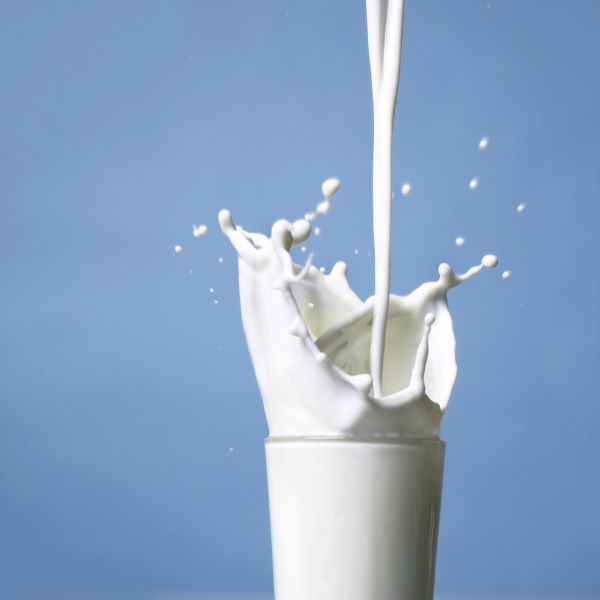
Fresh milk is derived from the mammary glands of animals like; cattle, sheep and goat. Their high nutritional content has made them a good substitute food for babies when they are still at a tender stage. In most countries, almost half of this milk produced is consumed in their liquid form without being processed into other products. Presently, milk is being used to manufacture various dairy products which are more stable than ordinary milk.

Dairy products are foods which are produced from milk. Dairy products in most cases are more palatable than ordinary milk. Turning milk into other food products gives you an opportunity to enjoy variety of food options from the same food base material. Dairy products are very common in the food industry and they include;

  1. Butter

Butter is made from fresh milk without adding any artificial ingredient. Butter is produced by churning the cream gotten from the fresh milk. The cream is churned to separate the water from the fat in the milk. The separated fat is called Butter. The watery-by-product that is produced during churning of the cream is known as butter milk. This butter milk can be used to make margarine and other buttery flavoured spreads. Butter contains vitamin A, vitamin D, and vitamin E. These vitamins are essential for healthy eyes, healthy skin and strong bones. This nutritional benefit makes butter a highly nutritious food.

  1. Cheese

Cheese is also produced from fresh milk. Cheese is produced by adding an enzyme called rennet to the milk. This enzyme causes the milk solids/curds to separate from the watery part of the milk which is the whey. After the separation, the curds are heated to harden them, after which they are pressed into a mould and left to ripen or mature. It is during the ripening stage that it develops the characteristic flavour of cheese. The soft cheese type doesn’t go through the ripening stage. Cheese is concentrated with key nutrients like calcium, protein, vitamin A, B12 and D. They also have an average fat content of 34%.

  1. Yoghurt

Yoghurt is produced by fermenting fresh milk with bacteria. Cow milk is most commonly used in producing yoghurt. Beneficial bacteria are added to fresh milk to turn it sour. The bacteria cause the sugar in the milk to ferment, thereby producing lactic acid. Lactic acid then reacts with the protein in the milk to form yoghurt. Yoghurts can be flavoured with sugar and fruits. The key nutrients that yoghurts provide include; calcium, protein and vitamin B2.

  1. Ice cream

Ice cream is a sweetened frozen food produced from milk. It is produced by mixing the milk with sugar and colourings or alternative spices like vanilla and cocoa. These ingredients are mixed together thoroughly and a stabilizer is added to the mixture. The mixture is then stirred to incorporate air spaces and cooled below the freezing point of water. This prevents detectable ice crystals from forming. Ice creams can be served with desserts such as apple pie, or used as an ingredient in milk shakes, ice cream cakes and ice cream floats.

There are other food ingredients that are gotten from milk. These ingredients cannot be eaten as foods but are used in the preparation of different foods. These ingredients are called milk-by-products and they include;

  • Cream: This is the part of milk that is rich in milk fat. Cream is extracted from fresh milk by skimming or centrifuging the milk. Creams can be used to produce other things like whipping cream, whipped cream, fermented cream, reconstituted cream and acidified cream. Creams are rich in vitamin A and vitamin D.
  • Whey Products: Whey is the liquid part of milk that remains after curd separation in cheese making. Whey can be sweet or acidic. The main use of whey in food is in production of whey cheese, whey drinks and fermented whey drinks.
  • Casein: Casein is the principal protein in milk. It is used as an ingredient in production of several foods like cheese and bakery products. Casein is extracted from skimmed milk by precipitation with the enzyme rennet or by using a harmless lactic acid bacterium.

Why Reheating Food Is Bad

reheating foods like this will make you sick

When we prepare dishes and there are leftovers, the advisable thing is to store them in the refrigerator for subsequent use. When the need arises go use those leftovers, reheating them is the next thing to do so they can be in a better state for consumption. It may not occur to us that reheating of food has some adverse effect on our health, but it actually does.

Reheating can turn a healthy food to a harmful food. This is because reheating destroys the nutrients in the food and gives rise to bacteria which can cause food-poisoning and food borne diseases. Foods that are reheated can become rubbery and soggy as well. The negative aspects of reheating food affects certain foods more than others. Some foods should never be reheated, such foods include;

  1. Rice

This may surprise you but rice should not be reheated. According to Food Standard Agency(FSA), you could suffer from food poisoning when you eat reheated rice. This is as a result of the presence of a highly resistant bacteria called Bacillus cereus. Heat kills the bacteria, but they produce spores that are toxic in nature. Once you reheat rice and it is kept at room temperature, any spores in it can multiply and cause food poisoning when the rice is consumed.

  1. Green Vegetables

Avoid reheating green vegetables like carrot, spinach and leafy vegetables. These vegetables are rich in nitrate and when heated they become toxic. They release carcinogenic properties which is a causative agent for cancer. Most of them contain high amount of iron and reheating iron causes it to oxidize. Iron oxidation generates dangerous free radicals which are known to cause many diseases, including infertility and cancer.

  1. Chicken

Chickens should not be reheated because the protein composition in them changes completely when they are reheated. This change in protein composition can cause problem in the digestive system. Avoid reheating chicken, but if you must do, make sure to heat on a low temperature.

  1. Eggs

Never reheat a high-protein food. It is known that eggs are rich sources of protein. Cooked egg or boiled egg can cause serious harm when exposed to heat again. When eggs have stayed for a long period of time, do not reheat them, rather, eat them cold. High protein foods contain a lot of nitrogen and reheating nitrogen causes it to oxidised, which further causes cancer.

  1. Potatoes

Reheating of potatoes can lead to the production of Clostridium botulinum which is the bacteria that causes botulism. Botulism is a very fatal type of food poisoning and can lead to death in most cases. Even leaving cooked potato out in room temperature can cause the increase of bacteria production. It is best to consume potatoes immediately after cooking.

  1. Mushrooms

Never leave mushroom till the next day. This is because, mushrooms are power houses of proteins and they also have appreciable amounts of minerals. Reheating them will cause this proteins to break down further and invariably cause havoc in the digestive system. Reheating mushrooms generates toxins which contain oxidized nitrogen and free radicals, which are harmful and lead to diseases.

  1. Cold pressed oils

Some cold pressed oils include flaxseed oil, olive oil and canola oil. These oils are best sources of omega-3 fatty acids. Omega-3 fat is very sensitive to high temperature. It breaks down and becomes rancid at temperatures above 40°C. Never heat cold pressed oil before consumption because it will cause the oil to go rancid and lead to an off-flavour in the food.

If you must reheat your leftover food, there are simple steps which yo,u can follow to reduce the risk of food poisoning. They are;

  • Do not allow your leftovers to remain at room temperature longer than 2 hours. Refrigerate them immediately.
  • Ensure that the food temperature has cooled down before refrigerating. Never refrigerate a hot food.
  • Place leftovers in a clean airtight container before putting them in the refrigerator.
  • Reheat leftovers to 75°C, reheating above this temperature is not advised.
  • Be sure to label your leftovers to keep track of when they were cooked.
  • If leftovers remain more than 2 days in the refrigerator, transfer them to the freezer.


image source: Keckmedicine

Avoid These Foods If You Have Asthma

Asthma
image source: doffice

Asthma attacks are rarely triggered by food, but symptoms of allergic reaction can mimic asthma symptoms. It is therefore important as an asthma patient to know if you have any food allergy. Any abnormal reaction to food can be referred to as an allergic reaction.

Some symptoms of food allergies include;

  • Rashes
  • Hives
  • Nausea
  • Vomiting
  • Diarrhea

Food allergy that triggers symptoms of asthma attack often start with the allergy symptoms, followed by coughing and wheezing, and if care is not taken, anaphylaxis may occur.

Most common foods associated with allergic symptoms are;

  • Cow milk: The allergic reaction to cow milk is often seen in babies and young children, especially when they have been exposed to cow milk before they turn six months old. However 90% of children will out grow the condition by the time they turn 3 making it less common in adults.
  • Eggs: Allergic reactions to egg is common in children. However, 68% of children outgrow allergic reactions to eggs by the time they turn 16. It is possible to show allergic reactions to egg white but not to egg yolk and vice versa. Although most of the allergy are found in egg whites.
  • Peanuts: Allergic reaction to peanuts are very common and can be severe. In some cases they are potentially fatal. It has been shown that introducing peanuts through breast feeding mother’s diet during weaning can trigger a peanut allergy in the child. If you have this allergy, try to avoid peanuts and peanut-containing products.
  • Soy: Soy allergies are mostly common in infants and children under the age of 3. They are triggered by a protein in soy bean or soybean-containing products . The symptoms are similar to symptoms of other allergic foods and in some cases, they can cause anaphylaxis. It is important to read labels to decipher foods that contain soy products like soy milk or soy sauce.
  • Shrimp and other shell fish: Allergic reaction to this food occurs when your body is attacking proteins from the crustecean and mollusk families of fish, which are known as shell fish. The common trigger is caused by a protein called tropomyosin. Symptoms of shell fish allergy usually come in quickly and doesn’t tend to resolve over time. People with this condition must exclude shell fish from thier diet to avoid having the allergic reactions.


  • Wheat: The allergy in wheat is caused by a response to one of the proteins found in wheat. It is common in children, although children with wheat allergy can outgrow it by the time they reach 10 years. Wheat allergy causes an immune response to one of the proteins found in wheat, this reaction can be severe and sometimes fatal. People with this allergy need to avoid wheat and can tolerate gluten from grains that do not contain wheat.
  • Tree nuts: Tree nuts include almonds, cashews, brazil nuts, walnuts, pine nuts etc. Most people show allergic reactions to any food produced from these nuts, food like nut butter and oils. People are advised to stay away from all tree nuts even if you have allergic reaction to only one type of tree nut. This is because, being allergic to one type of tree nut can increase your risk of developing allergy to other types of nut.

Food preservatives can also trigger an asthma attack. Such additives like sodium bisulfite, sodium metabisulfite, potassium bisulfite, potassium metabisulfite and sodium sulfite are commonly used as preservatives for processed foods. Such preservatives should be avoided by asthmatic patients because they trigger symptoms of asthmatic attacks. Such preservatives can be found in foods like;

  • Wine and beer
  • Dried fruits and vegetables
  • Packaged or preprocessed potatoes
  • Shrimp
  • Pickled foods

HELPFUL TIPS IF YOU HAVE FOOD ALLERGY AND ASTHMA

  1. Avoid foods that can trigger asthma attack.

You can do this by avoiding foods you are allergic to. Always try to read labels and inquire how foods are prepared when you eat out.

  1. You can opt for allergy shots.

Allergy shots train your immune system not to overreact. Allergy shots are given in an immuno therapeutic manner ie. You are administered a small quantity of the substance that causes your allergy, and after repeated shots over a long period of time, your immune system automatically stops causing the allergic reaction.

  1. Always keep Epinephrine with you.

It is important to always have 2 shot kits of epinephrine if you notice that your allergies are severe. Do not hesitate to use the epinephrine if you have any sign of anaphylaxis.


Remember, you can’t magically cure yourself of asthma symptoms using special foods, but the food you eat can have an influence. So eat right, read food labels, ask questions and always adhere to your doctor’s directives.

Foods That Can Help Reduce High Blood Pressure

berries are good food for high blood pressure
image source: medicalnewstoday

High blood pressure has become a common disease in our world today. It is suffered by both young and old people, but most cases of high blood pressure are found in older adults. High blood pressure can also be referred to as Hypertension.

High blood pressure is a medical condition which occurs when your blood pressure increases to unhealthy levels. High blood pressure typically develops over the course of several years. The symptoms are usually unnoticed, but even without symptoms, high blood pressure can cause damage to your blood vessels and organs, especially the brain, heart, eyes and kidneys. There are several obvious symptoms that can be attributed to high blood pressure, they include;

  • Headaches
  • Shortness of breath
  • Chest pain
  • Blood in the urine
  • Nosebleeds
  • Dizziness
  • Visual changes

Treatment for high blood pressure includes both medication and choosing healthy lifestyle options. Healthy lifestyle option involves eating foods that can aid in reducing your blood pressure. There are notable foods that have proven to be effective in reducing blood pressure, they include;

  1. Skim milk and yoghurt

Skim milk is an excellent source of calcium, which is an important element of blood pressure-reducing diets. You can opt for yoghurt in place of skim milk. Eat 5 or more servings of yoghurt in a week to experience 20% reduction in risk of developing high blood pressure. When buying yoghurt, try to check for added sugar, because the lower the sugar quantity, the better.

  1. Banana

Banana is a potassium-rich food which is a good option if you want to reduce your blood pressure. You can slice a banana into your cereal or oatmeal for a potassium-rich addition. You can also take a banana along with boiled egg for a quick healthy breakfast or snack.

  1. Leafy Vegetables

Leafy vegetables are high in potassium and potassium helps your kidney get rid of more sodium through your urine. This leads to reduction in blood pressure. Steer clear of canned vegetables because they often have added sodium. Use mainly frozen and fresh vegetables. Some leafy vegetables that are high in potassium include; kale, turnips and spinach.

  1. Dark Chocolate

Several studies have found that eating dark chocolate is associated with a lower risk of cardiovascular disease. High blood pressure is a cardiovascular disease, so eating dark chocolate inadvertently reduces the blood pressure. You can add dark chocolate to yoghurt or eat it alone as a healthy dessert.

  1. Berries

Berries, especially blueberries, are rich in natural compounds called flavonoids. Studies have shown that consuming compounds that have flavonoids may prevent hypertension and lower blood pressure. Add blueberries, raspberries and strawberries to your diet. You can put them in your cereal or granola, you can also use them as a quick and healthy dessert.

  1. Oatmeal

Oatmeal are higher-fiber, low-fat and low-sodium food. Eating them is a good way to lower your blood pressure. Also, eating oatmeal as breakfast is a good way to energize you for the day ahead. You can add berries, granola and milk to oatmeal to enhance the taste.

  1. Olive Oil

Olive oil is an example of a healthy fat. Olive oil contains polyphenols, which help to fight inflammation. This aids in reducing the blood pressure. Olive oil can also help you meet your daily serving of fat in the diet. It is a good alternative to canola oil, butter or salad dressing.

  1. Garlic and Herbs

Garlic can help reduce hypertension by increasing the amount of nitric oxide in the body. Nitric oxide helps to widen the arteries and reduce the pressure of blood on the artery walls. You can also incorporate flavourful herbs into your daily diet. Herbs like thyme, rosemary and cinnamon are good options.

  1. Water Melon

Water melon contains an amino acid called citrulline. Citrulline helps to manage high blood pressure. It does this by helping the body to produce nitric oxide. Nitric oxide has been reported to be a gas that relaxes blood vessels and encourages flexibility in the arteries. This aids the flow of blood which can help reduce the blood pressure. To boost water melon intake, add it to fruit salads and smoothies.

Incorporate these foods into a balanced diet and engage in adequate physical activity to treat high blood pressure and overall health.

QUICK RECIPES