Do You Know You Can Preserve Fresh Fish And Meat Without Freezing Or Cooking

201107 xl salt crusted snapper with eggplant raisin puree min
image source: himalayan

The principle of preserving fresh meat or fish is to handle the food in a way that spoilage is controlled, stopped or greatly slowed down. The aim of preservation is to protect the food from bacteria or enzymes that bcause it to spoil and this is achieved by creating an environment in which the bacteria cannot survive. Preservation also helps maintain optimal nutritional value, flavour and texture of the fresh food.

When it comes to freezing or refrigerating, the most important element is a freezer or a refrigerator. The population of Nigerians who own this devices is a little lower than 30%. Even those who have it are also limited by one factor ‘Electricity’. Such people resort to cooking their fresh meat and fish after purchasing to prevent it from spoiling. When such foods are purchased in large quantity and will not be used up at once, people decide to cook over and over again which can cause the meat and fish to loose its nutritional value, flavour and texture. There are methods to preserve such foods that do not involve cooking or freezing and will retain the nutritional value of such food. The methods are salting and brine salting.

  1. Salting or corning : Salting is a process of packing layers of salt on fresh foods like meat and fish. Salting works with the principle of osmosis, this process accelerates drying by drawing out the water needed by microorganisms and making the meat or fish surface inadequate for the action of the bacteria.

Method:

* Cut and wash the fish or meat properly.

* Apply salt to the meat or fish surface. This enables the salt to penetrate and reduce the water content of the meat or fish.

* Put the fish or meat in a container and cover with a damp clothe.

For salting to work, the quantity of salt used should be more than a palatable quantity. When you want to cook the fish or meat, you can soak them in water for few hours so as to reduce the salt content. This method can store fish or meat for 24 hours.

  1. Brine salting or Immersion in brine: Brine is another name for a salt solution. This method can keep meat and fish fresh for up to nine months. A glass container and several cups of fine-grained salt is needed for this process.

Method;

*Cut and wash the fish or meat.

* Roll the fish or meat in salt and arrange them layered in each other in the glass container.

* Salt should be put on the bottom of the container and salt should be added after each layer of fish or meat. The salt will draw out water from the meat or fish and create a brine in which the food will be immersed.

* Make sure the fish or meat is submerged in the brine.


The meat or fish can be left in brine for a period of 7 days and then rinsed and repacked with fresh layers of salt. This can be done continously for a period of nine months.

Preservation of fresh meat or fish becomes cheaper and more accessible using this methods.

If You Must Eat Fast Foods, Choose From These Healthy Fast Food Options

Easy chicken nuggets

Generally, fast foods refer to pre-cooked meals which are kept in readiness for a customer’s arrival. The idea of fast food was put in place to accommodate large numbers of busy commuters and travelers who often did not have time to sit down in a diner or public house and wait for their meals. Various types of fast foods include; burger, muffins, cookies, hot dog, fried chicken, donuts, soft drinks, pizza, pancake, pretzel, chips, sausages, sandwich, salads etc.

It is common knowledge that fast foods are typically poor in terms of nutrition, this is because fast foods tend to contain various substances that are generally unhealthy. They are high in salt, sugar and saturated fats. They are also high in many processed ingredients and preservatives. Most of the nutrients they confer are not beneficial to health. But, in all this negative reports, there are still several fast foods that are healthy and can be good options if you want to maintain a healthy diet. There are some guidelines you need to consider when choosing a healthy fast food option, such guidelines include;

  • Limit your fast food meals to 500 calories and below.
  • Pick fast foods that are low in fat and high in fiber and protein. Replace refined grains with whole-grain buns or bread.
  • Avoid buying French fries, noodles, onion ring, macaroni and cheese etc. Choose healthier sides foods like side salads with fresh fruits or plain baked potato.
  • When you want to order for burgers and sandwiches, try to go for the smallest size. Avoid buying super-sized burgers and sandwiches.
  • Instead of choosing fried and breaded meats, go for grilled or roasted meats.
  • Be careful with anything that may sound healthy but is not. Foods like salads often come with high calorie topping and high-fat dressing. Choose wisely and check out for nutritional data.
  • Replace mayonnaise and oil based sauces with ketchup and mustard.
  • Choose zero-calorie beverages. Try to avoid soda, fruit juice, lemonades or shakes.
  • Order thin crust pizza instead of regular crust pizza. Choose veggie toppings instead of high-fat meat toppings.

When you visit fast food restaurants, there are some foods you could order that are loaded with nutrients and are also low in calorie. Some of these foods may surprise you. They include;

  1. Oat Meal

Eating a plate of oat meal in the morning is a tummy saver. It is a very easy means of getting some fiber and protein. Order them with the dried fruits, nuts and other toppings in a side dish so that you can control the amount of sugar you want in your oat meal.

  1. Artisan Grilled Chicken Sandwich

Order an artisan grilled chicken sandwich with a side of apple slices instead of fries. This will boost the healthy properties of the fast food.

  1. Grilled Chicken Nuggets

This is a great alternative to normal fried chicken nuggets. Order this with a vegetable option to create a complete and well-rounded meal.

  1. Eggs and Cheddar Sandwich

Egg and cheese sandwich is a great protein option especially if you want to have enough strength. It is also a source of calcium, iron and vitamin A. Choose an egg and cheddar sandwich when you are short of time in the morning, this is a great healthy fast food option to start up your day.

  1. Hamburger

Choose a hamburger with lettuce, tomato, onion, pickle, mustard or ketchup. Choose a garden side salad with pomegranate vinaigrette and apple slices to go with it. By adding the salad and apples it boosts the nutritional content and provides you with more fiber than other fast food meals. Welcome to the captivating world of Fresh-Casino.lv! Relish a meteor shower of bonus gifts, free spins, and a world of games, all backed by Fresh Casino’s state-of-the-art security. Plunge into the pulsating excitement of live betting and the tantalizing chance of striking it rich at Fresh Casino Online Every game at this online casino is a door to potential wealth. Embark on an unforgettable gaming journey at Fresh-Casino.lv – the realm where winners are made! #FreshCasino #FreshCasinoOnline #BonusGifts #FreeSpins #StateOfTheArtSecurity #StrikingRich #PotentialWealth #Fresh Casino #Fresh Casino Latvia Online

  1. Tuna Salad Sandwich

Order a tuna salad sandwich on a six-inch nine-grain wheat roll with spinach, green pepper, olives, cucumber and banana peppers. It will give you a much lower calorie than other fast foods and it is also a good source of vitamin A, vitamin C, calcium and iron.

  1. Turkey Chili

A turkey chili soup is more satisfying than other soup options because of the protein and fiber in the turkey and beans.

  1. Chicken Salad

This is a high protein vegetarian salad that is packed with protein and low in calories. Order the salad with the dressing at the side not in the salad, as the dressing holds more of the sodium in the meal.

  1. Veggie Burger

Order a veggie burger with ketchup and top it with a slice of cheese and low-fat chocolate milk. This vegetable patty provides a healthy dose of protein from textured vegetable protein and some fibers too. The chocolate milk gives an additional protein, calcium and vitamin D.

  1. Veggie Omelet

Try this veggie omelet for a satisfying breakfast or brunch. This fast food gives you a low calorie option.

Try These Interesting Ways To Cook Eggs

eggs
image source: medicalnewstoday

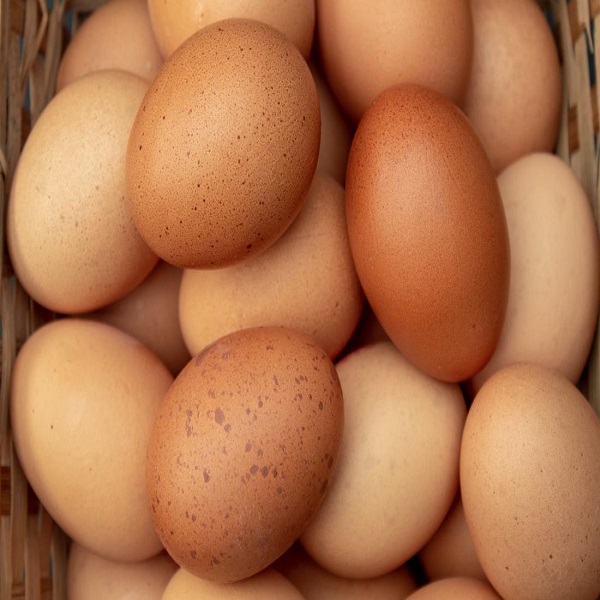
One cannot deny the versatility of eggs in our world today. Egg is a wonderful food on its own and it is also a major ingredient in numerous baked goods and cuisines. The health benefits of egg are second to none because it is the food with the highest protein content. Eggs are classified as super foods as a result of the health benefits they confer. Such benefits include;

  • Highly nutritious
  • Reduce risk of heart disease
  • Beneficial to the eyes
  • High in quality protein
  • Promote weight loss

Eggs are always the ‘go to food’ when you want to prepare a quick breakfast. There are so many quick, inexpensive and interesting ways to cook egg and still produce a food with a solid source of protein. Some interesting ways to cook eggs are;

  1. Hardboiled

This is one of the simplest and common ways to cook eggs. A hardboiled egg is cooked with its shell in boiling water. The cooking method is very simple; just fill a pot with enough water that can cover at least 2 inches of the egg. Boil the water and gently drop the egg into the pot and leave it to cook for 10-12 minutes. For ease in peeling, immediately place the egg in an ice water bath after boiling then tap and roll them gently on a flat surface. You can eat hard boiled eggs with a sprinkle of kosher salt or chop them into salads.

  1. Hard Scrambled

Hard scrambled eggs are eggs which are cooked by mixing the egg white and yolk and then cooking over some heat. When making hard scrambled eggs, there is no need to grease the pan, you just cook them through. Most restaurants cook them as a default preparation for scrambled eggs. Hard scrambled eggs can be eaten with toast and a cup of milk of hot chocolate.

  1. Soft Scrambled

The texture of soft scrambled eggs is better than that of hard scrambled eggs and it accommodates the use of ingredients. When cooking this type of egg, you have to be mindful of time because eggs cook quickly. To make soft scrambled eggs; whisk the egg into a separate bowl, heat your pan over medium heat, grease the pan with little oil and pour the egg into it. Using a spatula, turn and fold the eggs repeatedly until they cook. You can keep folding and turning the eggs until they no longer look runny but still look wet. When it is ready, remove the eggs from the pan immediately. You can eat soft scrambled eggs with buttered toast seasoned with salt and pepper.


  1. Omelets and Frittatas

An omelet or frittata is a scrambled egg that is cooked until it stabilizes into a useable form. Unlike scrambled eggs, omelets are poured into the pan after whisking and left to cook without turning it. After cooking, omelets are topped with other ingredients like cheese, vegetables or meats. An omelet differs slightly from a frittata in the sense that an omelet is folded into half while a frittata is typically open-faced.

  1. Sunny Side Up

This type of egg is cooked to make the egg yolk look like a bright morning sun. When making a sunny side up egg, the raw egg is cracked directly into the greased pan then left to fry until the edges turn brown. Don not flip this type of egg, just fry till the edges turn brown then using a spatula, dish it into a plate.

  1. Over Easy

Over easy eggs are very similar to sunny side up but the difference is the fact that; over easy eggs are flipped while sunny side up are not flipped. Over easy eggs are flipped and cooked just long enough to make a film on top of the yolk. Sometimes they are served with the yolk and some of the whites still runny.

  1. Poached

Cooking poached egg similar to boiling egg but without the shells. When cooking poached egg, the eggs are cooked over a medium heat without having any contact with the pan. The white of the egg is cooked through and the yolk is left warm and runny. The strainer method is employed in cooking poached eggs. In this method; water is heated and vinegar is added to the heated water. After that, the raw egg is cracked into a mesh strainer to allow most of the watery portion of the egg white to drop out. After this, the egg in the strainer is decanted and added into the heated water then left to cook for about 5 minutes.

  1. Baked

Baked eggs are eggs which are cracked and baked in a dish. The raw egg is mixed with ingredients like; tomato, cream, cheese and herbs. The white of the egg mixes in and gets cooked thoroughly while the yolk is runny. This method of cooking allows the ingredients to blend thoroughly with the eggs.

These different methods of cooking eggs are easy and quick to learn. The versatility of this methods leaves you with different textured and flavoured eggs. Try out a new method today and enjoy your eggs better.

Know Your Peppers

pepper variety
image source: gardeningknowhow

Most of us pepper lovers do not know the differences between the peppers we consume. Most do not even know that there are different types. Most of us do not care as long as we get the desired effect of these peppers in a meal. Have you ever read a food article, or maybe a recipe and you see ‘scotch bonnet’ or ‘habanero’ and you wonder, ‘is it the same pepper’?

Peppers have been used for centuries and all around the globe for the spice and flavor they add to meals. While some people cannot stand the heat, others love the spice.

I would be mentioning a few peppers and their characteristics;


BELL PEPPER

Alternate Names: Green pepper, red pepper, sweet bell pepper, capsicum

Characteristics: Relatively large in size, the bell-shaped pepper in its immature state is green with a slightly bitter flavor. As it matures, it turns bright red and becomes sweeter. You can also find yellow, orange, white, pink, and even purple varieties. With their high water content, bell peppers will add moisture to any dish. They’re also great for adding color.


HABAÑERO PEPPER

Characteristics: Small and bulbous, this chile, in the same family as the Scotch bonnet, is one of the hottest on the Scoville scale. If you can get past the heat, habañeros also have a fruity flavor. They’re popular on Mexico’s Yucatan Peninsula and in the Caribbean, where they’re used to make hot sauces.


SCOTCH BONNETS

Alternate Names:Ata rodo

Characteristics: This is the regular pepper we use in Nigeria. It also consists of yellow pepper. Most Scotch bonnets have a heat rating of 80,000–400,000 Scoville units.


CAMEROON PEPPER

Alternate Names: Black pepper

Characteristics Cameroon pepper is a more African aromatic pepper that is usually dried and grounded. It is very spicy and pungent and usually used in small quantities.


RED BELL PEPPER

Alternate Names: Tatashe

Characteristics:Bell peppers are less pungent than ata rodo and are used to add colour to food. They come in red, yellow, orange and green. The green bell pepper is popularly known as green pepper.


BIRD’S EYE CHILLI

Alternate Names: Atawere

Characteristics: Botanical info: specie C. frutescens

Uses: fresh & dried. For general food preparation – stews, soups, rice dishes, beans etc

Availability: all year round.


RED CHILI PEPPER

Alternate Names: Shombo

Characteristics:  Chili Pepper can help keep one’s eyes healthy. Chili Pepper can help individuals fight infections. Chili Pepper is perfect for keeping the hair and skin vibrant and strong. Chili Pepper is perfect for decreasing blood pressure. Chili Pepper is loaded with B-vitamin components. Chili pepper is also a good source of folic acid. Chili Pepper can assist in red blood cell formation. Chili Pepper can help improve cognitive functioning.

This Is The Perfect Cooking Time For Vegetables

160427133441 steamed broccoli super 169
image source: cnn

Vegetables are staple food crops in Nigeria. Vegetables are used in cooking varieties of food, ranging from local dishes to intercontinental dishes. Vegetables add colour and flavour to foods and provide the human body with a wide variety of essential nutrients. But, a little overcooking can turn vegetable to a very distasteful food. You wouldn’t want to overcook your vegetables so, it is necessary to know the adequate time to cook specific types of vegetables.

When cooking vegetable, you should take note of the following;

  • Type of vegetable
  • Size of vegetables to be cooked.

Also, it is recommended to use steaming as the cooking method, this is because it preserves vitamins and minerals maximally. Steaming also retains the natural look of the vegetable.

Below is a chart of the appropriate cooking time for fresh and frozen vegetable.

             Vegetables        Cooking time for                          fresh

               (Mins)

     Cooking time for                            frozen   

                (Mins)

Pumpkin leaf and other leafy vegetables 4-5 5-6
Carrots 2-3 3-4
Green beans 2-3 3-4
Onions 2-3 3-4
Pepper 2-4 4-5
Cabbage 5-7 7-9
Tomato 3-5 5-7
Spinach 5-6 6-7


There are few tips to cooking vegetables properly, they are;

  • Cook vegetables until soft, but not too soft that they will no more feel crunchy when eaten.
  • The cooking time stated on the chart is for medium amount of food. For larger amounts, please add more water and increase the time to 20-40%.


Different Methods of Cooking Vegetables

  1. Boiling: Heat 1inch of water in a sauce pan until it boils. Add vegetables and heat till boiling, then reduce the heat to low. Cook for the amount of time stated on the chart and drain.
  2. Steaming: Use a sauce pan for steaming. Add ½ inch of water to the sauce pan, then place a steamer basket in it, note that the water should not touch the bottom of the steamer. Place the vegetable in the steamer till it starts boiling, then reduce the heat to low. Steam for the amount of time stated on the chart.
  3. Baking: Pre heat the oven to 180°C. Place the vegetables in the oven and bake for the amount of time stated on the chart.
  4. Sautéing: Sauté using a skillet. Cook in butter or oil over medium heat for the amount of type stated on the chart.
  5. Roasting: Pre heat the oven to 425°F. Rub the vegetables in about 1 tablespoon of olive oil and season as desired. Place the vegetable in a baking pan and roast for the amount of time stated on the chart.

There are several reasons why you should not overcook your vegetables. These reasons are;

  • Vegetables in their raw form contain lots of vitamins, minerals and antioxidants, and these nutrients are needed by the body. When you overcook your vegetables, these nutrients are depleted and lost in the cooking media.
  • Overcooking vegetables can make you lose appetite for vegetables. When they are overcooked, they become soggy and less crunchy, which makes them distasteful. Crispy vegetables are more appetizing, so cook moderately to maintain the crunchiness.
  • Overcooking makes vegetables to lose their visual appeal; they become mushy and lose their natural colour. Overcooked vegetables also lose their natural flavour.

Adhere to the vegetable cooking chart to ensure that your vegetables are cooked appropriately and the nutrients are available for absorption by the body.

Do You Know You Can Prevent Diabetes With The Right Diet?

Our diet choices can either make or mire our health. Choosing the right diet is paramount in maintaining a healthy life. Diet can help prevent diseases, boost our immune system and increase our life span. The right diet is also effective in the prevention of severe disease conditions, especially in the case of diabetes.

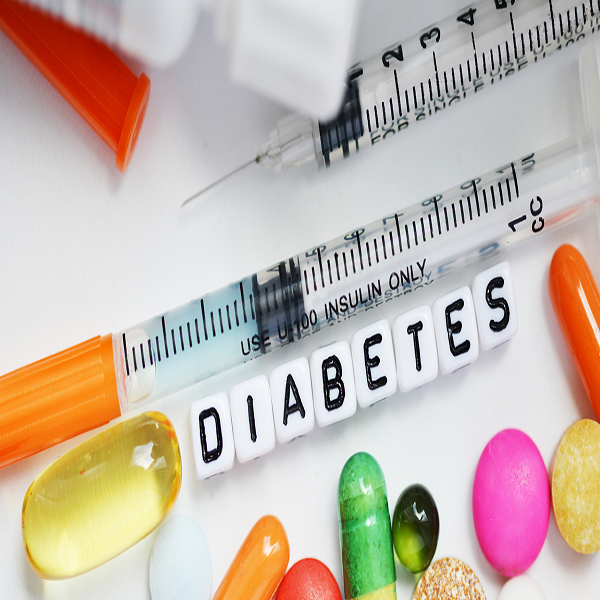
Diabetes is a chronic disease which occurs when the pancreas gland does not produce enough insulin. It also occurs when the body cannot effectively use the insulin produced by the pancreas gland. Insulin is a hormone that regulates blood sugar, so when the body is not able to use insulin or doesn’t have access to enough insulin, hyperglycemia occurs. Hyperglycemia is a condition where the blood sugar increases, and when this happens, it brings about the onset of a disease called diabetes.

Food that Helps Prevent Diabetes

When trying to prevent diabetes, it is advised to keep a healthy diet. There are certain foods that you can incorporate into your diet to reduce your risk of diabetes, such foods include;

  1. Spinach

Spinach is high in fiber, calcium and vitamin A. It also has low calories that help with weight loss. All these nutrients are essential in preventing diabetes. Also, leafy vegetables like kale, arugula and lettuce are excellent choices. Bear in mind that the more the vegetables, the better the ability to prevent diabetes. You can use these vegetables in salads or by adding them to foods like scrambled eggs, cheese and soups.

Spinach - fruits and vegetables
Image from Unsplash
  1. Broccoli

Broccoli among other vegetables is a very healthy option in reducing your risk of diabetes. Broccoli contains fiber, vitamin A, vitamin C and potassium, which are beneficial nutrients. To reduce the bitter taste of broccoli, try cooking them longer. Other cruciferous vegetables like cabbage, Brussels sprouts and cauliflower are also good diet choices in preventing diabetes.

Broccoli helps boost mental health
Image from Unsplash
  1. Whole Grains

Although whole grains may be high in carbohydrates, research has shown that they have a high likelihood of preventing diabetes. This benefit may be attributed to their fiber and antioxidant contents. Try replacing your normal carbohydrate foods with whole grains like wheat, oatmeal, popcorn etc.

interesting facts about beans

  1. Grapefruit

Grapefruits are known for their vitamin C content. They also contain flavonoids and soluble fiber which lowers cholesterol levels. Grapefruit along with other citrus fruits like orange, tangerine, lemons, limes and Clementine, are more lower-glycemic fruits than many other fruits. This makes them not to cause a spike in blood sugar levels, thereby preventing diabetes. You can eat citrus fruits as snacks or by adding them to your breakfast and lunch. You can also use their natural juices in salad dressings, soups and broth.

Grape Fruit
Grape Fruit
  1. Blueberries

Research has shown that a lower risk of diabetes was found in people who ate more blueberries. Blueberries contain nutrients like fiber, vitamin C, vitamin A, potassium and numerous antioxidants. These nutrients give blueberries the ability to prevent diabetes as well as heart disease and Alzheimer’s disease.

Other fruits like apples, pears, peaches, plums and apricots were also linked to lower risk of diabetes. Always choose fresh fruits or unsweetened frozen fruits when incorporating fruits into your diet. Blueberries can be eaten for breakfast alongside oatmeal or pancakes. They can also be eaten as snacks or dessert options.

  1. Blueberries - types of berries
    Image credit: Unsplash

    Yoghurt

Yoghurt is rich in calcium and high-quality protein. Although yoghurt contains sugar, the kind of sugar in plain yoghurt is natural. Yoghurts are made with an active culture, which means that they contain probiotics which support a healthy balance of your gut bacteria.

Evidence supports that the benefits of yoghurt also help in the prevention of diabetes. Try using Greek yoghurt because it contains less lactose. Choose plain yoghurt instead of flavoured yoghurt to avoid the added sugars that could increase the risk of diabetes. You can eat plain yoghurt as a snack or mix it with fruits or nuts. Plain yoghurts can also be used in recipes for chicken or fish marinades and also in making salad dressings.

Greek yoghurt- foods that help your hair grow
Image credit: Kompas


  1. Carrots

Consumption of yellow vegetables like carrots has been linked with a lower risk of diabetes. This is attributed to their impressive fiber, potassium and vitamin A content. Other yellow vegetables that are beneficial in preventing diabetes include; butternut squash, acorn squash, sweet potato and pumpkins. You can use these yellow vegetables in making French fries, carrot sticks, potato chips, mashed potato, potato soup, butternut squash soup and pancakes.

carrots scaled

Herbs and spices like ginger, turmeric, garlic and cinnamon are also good choices when preventing diabetes. Addition of these spices to your food will go a long way in reducing your risk for diabetes.

Make the right diet choices today and enjoy a disease-free life.

Do You Get A Stomach Cramp After Consuming Milk? Here’s Why

lactose intolerance
image source: medlife

Certain people experience stomach cramps 30mins- 2hours after consuming milk or milk related products. This abdominal pain is mainly as a result of a health condition called Lactose Intolerance.

Milk is a white liquid produced from the mammary glands of mammals. It is rich in nutrients and used as a food source. Milk is the primary source of nutrients in infants mammals before they are able to digest foods. Milk contains a variety of nutrients ranging from essential amino acids, fats, vitamins, minerals and carbohydrate which are essential for optimal health in individuals. Common milk that are familiar in our world today are :

  • Human milk
  • Cow milk
  • Goat milk

Milk can be used to produce different other products like yoghurt, cheese, ice cream, pudding, hot chocolate etc. All these products have milk as their base ingredient. Milk is often added to breakfast cereal, granola and porridge to make them more palatable. Milk is also served in coffee, tea and used in preparation of espresso based drinks such as cafe latte.

Lactose intolerance is a condition whereby people are unable to fully digest the sugar in milk. This condition is usually harmless but the feeling is very uncomfortable. When milk is ingested in the body, the milk sugar is required to digest completely, but some people are unable to produce enough of the enzyme Lactase and this is the main cause of lactose intolerance.

Lactase is an enzyme produced in the small intestine. Lactase turns milk sugar into two simple sugars called glucose and galactose which are absorbed into the blood stream through the intestinal lining. If your body does not produce enough lactase, the lactose which is the sugar in milk will move into the colon instead of being processed and absorbed. In the colon, there are normal bacteria which will interact with the lactose and lead to symptoms and signs of lactose intolerance.

There are 3 types of lactose intolerance and they are;

  1. Primary Lactose Intolerance

This is the most common type of lactose intolerance. People who experience this type usually start life with a normal production of lactase in the small intestine. When children replace milk with other foods, the normal lactase production reduces and by the time they get to adulthood, the lactase production falls sharply, making milk difficult to digest.

  1. Secondary Lactose Intolerance

This type of lactose intolerance occurs when your small intestine decreases lactase production after an illness, injury or surgery involving your small intestine. Secondary lactase intolerance is associated with some diseases like, intestinal infections, celiac disease and bacterial over growth. The lactase levels can be improved by treating the underlying disease, though it may take time.

  1. Congenital Lactose Intolerance

It is a rare condition that occurs in babies. The babies are born with a lactose intolerance disorder. This disorder is passed from generation to generation in a pattern of inheritance called autosomal recessive. Autosomal recessive means that both the father and the mother must pass on the same gene variant for the a child to be affected. Premature infants also suffer from lactose intolerance because of insufficient lactase level. This is because the small intestine does not develop lactase-producing cells until late in the third trimester.

Stomach cramp is not the only symptom of lactose intolerance, there are various other symptoms. Some symptoms include;

  • Stomach bloating
  • Diarrhea
  • Gassing
  • Nausea
  • Vomiting

The most effective way of treating lactose intolerance is to stop the consumption of milk and milk-related products. Do not get confused when you see products that contain lactic acid, lactalbumin, lactate or casein, these ingredients are not lactose.

All You Need To Know About Afang Soup

All about Afang

Although people say Afang soup is the sister to Edikaikong. Afang soup, is a vegetable soup that originates from the Efik people of the Efik kingdom in Cross River State and the Ibibio People of Akwa Ibom in South South Nigeria. Everybody loves Afang.  It is a dish popularly known by Nigerians and also some parts of Africa.

It is especially popular among the Ibibio and the Anang people of Akwa Ibom and Cross River state whom have adopted this cuisine as part of their cultural identity. It is served at homes and also sometimes at ceremonies such as weddings, burials, festivals etc. mostly in the southern part of Nigeria. Afang Soup is one of the most popular traditional Nigerian soups. It is very nutritious, medicinal and native to the Efik people of Nigeria.

Health Benefits of Afang Soup

  1. Iodine in the okazi leaves can help to prevent goitre.
  2. High in dietary fibre, which help in reducing constipation and weight loss
  3. Afang soup helps in slowing down the conversion of sugar and digestion, because of the presence of waterleaf components in managing diabetes.
  4. Afang leaves have fat. Unsaturated fat helps maintain cholesterol level and fat helps the absorption of important nutrients in our body. Dietary fat provides energy as well.
  5. These leaves also contain a high amount of calories. You will need 20 minutes of rigorous exercise to burn the calories in a cup of shredded Afang leaves.
  6. Afang leaves contain minerals and vitamins and it helps with constipation, since it contains high level of laxatives.
  7. Afang contains protein too. Providing the body with amino acids which builds and repair muscle and other dynamic tissues in the body.

Image Source- Fresh to Dommot

Do You Know Why You Fart After Eating?

Farting is a very unethical act especially when done in public. Farting that results from eating beans is more intense and uncontrollable. This makes people desist from eating food like beans.

Beans are seeds which belong to the Fabaceae family, commonly know as legumes. Beans are affordable sources of protein, fibre, iron and vitamins which make it a highly nutritional food, but most people dread eating beans despite its nutritional importance.

This is solely because of the frequent flatulence or farting that results from eating beans. Proper knowledge of what causes the farting and measures to avoid such act is necessary to ensure that beans is eaten regularly and all nutritional benefits is obtained from eating it.

Beans can be cooked in many different ways, like boiling, frying and baking and they are used in preparation of various traditional food around the country.

Beans make us fart because they contain unabsorbed short-chain carbohydrates called oligosacharrides which our body have a hard time digesting. Our body does not produce enough alpha-galactosidase enzyme which is needed to break down the oligosaccharides.

During digestion, the beans go from the small intestine into the large intestine where the gut bacteria attempts to break down this problematic sugar molecules. This process creates carbon dioxide which results in gases and this makes us fart.

6 Ways to Reducing Farting

There are certain ways to prevent yourself from farting after consuming beans, such ways include;

  1. Boiling: When beans is boiled properly in water, the oligosaccharides tend to leach out into the water. This is because the oligosaccharides are highly water soluble and are removed from the beans during boiling. Ensure to cook beans well till they are very soft. This will help reduce the gas production. Even canned beans can be cooked before serving.
  2. Soaking: When beans is soaked in water for few hours before cooking,the oligosaccharide contained in the bean seeds are leached out into the water, making the beans less prone to cause farting when consumed. If you are using dried beans, soak for 48hours and drain well, then rinse properly before cooking. Use fresh water for cooking and not the soaking water. If you are using canned beans, rinse properly before cooking.
  3. Eat beans with vegetables: Beans contain high oligosaccharide content, and when this is mixed with vegetables that have low oligosacharride content like lettuce and cucumber, it makes the digestion easier. Easier digestion will reduce the amount of carbohydrate produced in the gut.
  4. Do not eat sugary foods or fruits within 3 hours of eating beans: The sugars in beans do not digest, they just ferment in the gut and produce gas. So adding other sugars in the gut will only escalate the problem and lead to more production of gas.
  5. Use digestive spices when cooking beans: Cooking beans with ginger or tumeric helps to make the beans more digestible leading to less gas production.
  6. Eat the beans slowly and carefully: Most of the gas produced in the body are formed when you swallow air. Eating to quickly can cause excess air to enter you body.

Eat slowly and with closed mouth to reduce the amount of air you swallow when eating beans. Also try to eat only one protein in the same meal, this is because protein requires a specific type and strength of digestive juices.

Flatulence or farting can also be an indication of a larger digestive problem. Excessive flatulence can be due to number of reasons, including;

-swallowing air

-consumption of carbonated beverage

-fibre intake

It is also important to note that different people are susceptible to different foods. So understanding your personal response to certain foods is important and advised.

Why Vegetables Is So Important For A Growing Child

650x350 powerhouse vegetables slideshow

When children are very little, it is essential to provide them with all the necessary nutrients they need to grow adequately. No mother will want her child to have stunted growth or to be impaired in one way or the other. When children are growing, it is important for them to get enough vitamins and minerals which will ensure optimal growth. Adequate amounts of nutrients for children can be gotten from a balanced diet, but most times children need more intake of vitamins and minerals.

Fresh vegetables are packed with almost all the essential nutrients needed by children. Vegetables are very good sources of vitamins, minerals, dietary fibres and antioxidants. Vegetables are low in calorie and fats but are rich in calcium, magnesium, potassium, iron, beta-carotene, vitamin B-complex, vitamin A, vitamin C and vitamin K.

Vegetables are enriched with soluble and non-soluble dietary fibre such as cellulose, hemi-cellulose, pectin, gum etc. These substances help to absorb excess water in the colon and give the fecal matter a good amount of moisture to help in the smooth passage of stool out of the body.

BENEFITS OF VEGETABLES FOR CHILDREN

  1. Help to Improve Nutrition

When children are in the growing stage, their body requires good nutrition.  Vegetables which contain multitude of vitamins, minerals and other healthy compounds are necessary to improve the nutritional health of children. Vitamin C which helps to boost the immune system, is contained in vegetables. Also, vegetables like spinach are good sources of vitamin A and Iron. Iron helps in the prevention of anaemia. Consuming vegetables daily will provide a wide range of nutrients which is essential to keep children healthy.

  1. Improves Digestive Health

The high fibre content of vegetables helps the digestive system to perform properly. Children are more prone to getting constipation than adults and this constipation can be eased by eating vegetables, which are high in fibre. When fibre passes through the digestive system, it absorbs water and expands. This expansion triggers regular bowel movement and relieves the constipation.

  1. Increase Immunity

Regular consumption of recommended amounts of vegetables helps in enhancing the microflora of the gut. A healthy gut microbiota helps to maintain the immune system. A proper functioning immune system will help combat various diseases and infections that children face as they grow.

  1. Decreases The Rate of Obesity

Vegetables are low in fat and calories, so encouraging children to eat vegetables instead of sugary snacks and fast foods can help them avoid obesity. When children are overweight, it increases the risk of type 2 diabetes, high cholesterol and respiratory problems. Consuming more of vegetables will help reduce the risk of obesity and give children a healthier body weight.

  1. Improves Bone Health

Several studies have shown that there is a direct relationship between good bone health and consumption of high amount of vegetables. Vegetables help to enhance the uptake of potassium into the body. Potassium is important in improving bone health. Vegetables also contain vital minerals, vitamins and antioxidants which can also help in maintaining bone health.

  1. Improves School Performance

Regular consumption of vegetables may also lead to better school grades. Regular vegetable consumption has been attributed to high levels of school performance. Studies have shown that regular consumption of fast foods, sweet and soft drinks have negative effect on school performance. It is more advisable to give children diet that is packed with vegetables to help support proper brain functioning.

To in cooperate vegetables into your childrens diet, you need to select seasonal varieties of vegetables because they are fresh and readily available. Alternatively, you can make vegetables into juice or use canned or dried vegetables. Types of vegetables for children include; spinach, asparagus, broccoli, peas, green beans, tomato, lettuce, mushroom, cauliflowers, brussels sprout, turnips, carrots and cherry tomatoes.

A challenge usually encountered by parents is convincing thier children to eat the adequate vegetables. Here are few tips that can help motivate children to eat vegetables:

  • Take your children along to the market whem shopping for grocery. This serves as an opportunity to show them the variety of vegetables that could be included in their diet. Ask them their opinion and give them opportunity to make their choice of vegetables. That way they can eat them when you prepare the dishes.
  • Do not say no to vegetables in front of your children. Be a role model to them. Eat a variety of vegetable along side your children, this makes them more relaxed and convinced to eat the vegetables.
  • Present the vegetables in a very attractive manner to your children. This is very important, so experiment interesting ways of cooking vegetables and use different colours of vegetables in cooking dishes.


image source: webmd

QUICK RECIPES