A Branful morning! A quick delight of all bran flakes mixed with plain yoghurt and fruit additions of juicy red globe grapes and crunchy pomegranate arils garnished with chia seeds.
Nigerian Egusi Soup is a beloved dish, celebrated across West Africa for its rich, nutty flavor and hearty texture. This one-pot meal is a favorite in many homes, especially in Nigeria, where it pairs beautifully with pounded yam, fufu, or even rice.
What is Nigerian Egusi Soup?
Egusi Soup is a traditional Nigerian dish made from ground melon seeds, often combined with leafy vegetables, pepper, and various proteins like beef, dried fish, or crayfish. The key ingredient, Egusi, comes from the seeds of a particular type of melon, which belongs to the gourd family, similar to pumpkins and squash.
These seeds are rich in fat, protein, and essential nutrients, making the soup not only delicious but also highly nutritious.
What Does Nigerian Egusi Soup Taste Like?
The taste of Nigerian Egusi Soup is a delightful blend of nutty, earthy, and meaty flavors. The melon seeds lend a creamy, rich texture to the soup, while the palm oil adds a distinct depth of flavor. Depending on the type of pepper used, the soup can be mildly spicy or have a significant kick, appealing to those who enjoy a bit of heat in their meals.
The addition of leafy greens like pumpkin leaf or bitter leaf adds freshness and a slight bitterness that balances the richness of the melon seeds. The proteins, whether beef, goat, or fish, contribute to the overall taste.
Ingredients Needed for Nigerian Egusi Soup
To make a mouthwatering pot of Nigerian Egusi Soup, you’ll need the following ingredients:
Egusi (Melon seeds): This is the star of the dish. You can find Egusi seeds in African or Indian markets, sometimes labeled as “Charmagaz.”
Palm oil: Adds color and a unique, deep flavor to the soup.
Beef, dried fish, and crayfish: These proteins provide a hearty base. You can also use goat meat, chicken, or turkey for variety.
Locust beans: This ingredient adds an earthy, umami taste. If you’re not a fan, you can substitute with seasoning cubes.
Spinach or other leafy greens: While spinach is commonly used, you can also use bitter leaves, fluted pumpkin leaves (Ugwu), or waterleaf.
Pepper mix: A blend of red bell pepper, habanero pepper, Fresno pepper, and onions.
Onions: Adds a sweet, aromatic flavor.
Stock cube and salt: For seasoning.
Beef stock: Enhances the flavor and richness of the soup.
How to Make Nigerian Egusi Soup
How to Know if Egusi is Bad?
Egusi seeds, like many other seeds, can go bad if not stored properly. Here are some signs to watch out for:
Rancid Smell: Egusi seeds contain oil, which can turn rancid over time. If your Egusi has a strong, unpleasant odor, it’s likely gone bad.
Bitter Taste: Fresh Egusi should have a mild, nutty flavor. If it tastes unusually bitter, it may be spoiled.
Mold Growth: Visible mold on the seeds is a clear indicator that they are no longer safe to eat.
To extend the shelf life of your Egusi, store the seeds in an airtight container in the freezer. This will keep them fresh for several months and prevent them from becoming rancid.
Why Does Egusi Give Me Diarrhea?
Egusi is a nutritious and delicious food, but it can cause digestive issues for some people. There are a few reasons why Egusi might give you diarrhea:
Overconsumption: Egusi is high in fat, and consuming it in large quantities can be heavy on the stomach, leading to diarrhea, especially if your digestive system is not accustomed to it.
Oil Content: The palm oil used in preparing Egusi soup can be too rich for some people, especially those with sensitive stomachs.
Contamination: If the Egusi seeds or the soup were not stored properly, they might have been contaminated with bacteria, leading to food poisoning symptoms like diarrhea.
If you find that Egusi consistently causes digestive issues, consider reducing the portion size or using less palm oil.
What is the English Name for Egusi?
Egusi is commonly referred to as “melon seeds” in English, specifically the seeds of a type of melon that is native to Africa. In different cultures, these seeds may also be known as “wild watermelon seeds” or “bitter melon seeds,” though “Egusi” is the most widely recognized name in West Africa.
What Meat is in Egusi Soup?
You can use a variety of meats and proteins, depending on your preference. Here are some common options:
Beef
Goat Meat
Smoked Turkey
Dried Fish
Crayfish
Chicken or Turkey
Assorted meat (Tripe, offal etc.)
Storing and Reheating Nigerian Egusi Soup
Nigerian Egusi Soup can be made ahead and stored for later use. Here’s how to store and reheat your soup:
In the Fridge: Store the soup in an airtight container in the refrigerator. It will keep for up to 4 days.
In the Freezer: For longer storage, freeze the soup in portions. It will last for up to 3 months.
Reheating: When you’re ready to enjoy the soup, reheat it on the stovetop over low heat, adding a little water or stock if necessary to loosen the consistency. You can also reheat it in the microwave, using a microwave-safe container.
Tips for Making Delicious Egusi Soup
Roast Your Egusi: For a nuttier flavor, lightly roast the egusi seeds before blending them. This brings out a deeper, richer taste that adds a new dimension to the soup.
Blend with Minimal Water: When blending the pepper and onions, use as little water as possible to avoid a watery consistency that can prolong cooking time. This also applies when blending the egusi seeds with crayfish and onions.
Don’t Overcook the Vegetables: Add your leafy greens towards the end of the cooking process. Overcooking can cause them to lose their vibrant color and nutrients.
Avoid Stirring the Egusi Too Soon: Allow the egusi to curdle and form lumps before stirring. Stirring too early can break the lumps and change the texture of the soup.
2cuppepper mix( red and green habanero peppers, scotch bonnet, deseeded shombo)
3tbspred oil
1cupugba
Salt to taste
Seasoning (maggi cube)
crayfish (ground)
Assorted Meat and Fish – beef, cow tripe, fish, stock fish, and/or smoked fish.
Dry fish/Stock fish
pumpkin leaf (ugwu)
Instructions
Seasoning and boiling your proteins to your preference.
Assorted Meat and Fish – beef, cow tripe, fish, stock fish, and/or smoked fish., Dry fish/Stock fish
In a separate pot pour in your red oil, once it’s hot pour in your pepper mix, salt, maggie cube and crayfish.
2 cup pepper mix( red and green habanero peppers, scotch bonnet, deseeded shombo), Salt to taste, Seasoning (maggi cube), crayfish (ground), 3 tbsp red oil
Add your boiled proteins.
Add a little water, cover and allow it to boil for some minutes.
Add your ground egusi and ugba, stir it till it's mixed, add a little water, cover and allow it to boil.
Who doesn’t love a good cupcake? Especially when they’re homemade cupcakes and bursting with flavor. I’m excited to share with you my tried-and-true recipe for Vanilla Cupcakes. Using the batter from my much-loved Vanilla Cake, these cupcakes are professional bakery-style crumbs that are simply irresistible.
What’s even better? These little sweet treats stay perfectly moist no more dry cupcakes.
If you’re planning a birthday party, a casual get-together, or just want a good treat to enjoy throughout the week, these Vanilla Cupcakes are your go-to. They’re easy to make, deliciously fluffy, and oh-so-satisfying.
I’ve made this fresh, easy pasta salad recipe so many times I’ve lost count. It’s my go-to dish for a quick and tasty meal, perfect for any occasion. The best part? It’s ready in just 25 minutes! You can enjoy this with fried plantain and any protein of choice just like I did.
Your Ultimate Pasta Salad Recipe
Whenever I think about a quick, flavorful dish packed with fresh veggies, my mind goes straight to my favorite pasta salad recipe. It’s one of those meals you can make in no time and still impress everyone at the table.
Why I Love This Pasta Salad Recipe
Firstly, let me tell you why I adore this recipe so much. The combination of vibrant vegetables and perfectly cooked pasta creates a burst of flavors in every bite. Whether you’re serving it at a summer barbecue, a family dinner, or packing it for lunch, this pasta salad never disappoints.
Tips for the Best Pasta Salad
Use Fresh Ingredients: The fresher the veggies, the better the salad.
Don’t Overcook the Pasta: Pasta works best if it holds up better in the salad.
Adjust to Taste: Feel free to tweak the ingredients and dressing to suit your preferences.
Breakfast is the most important meal of the day and starting out with a fiber-rich combo will be a good way to set your metabolism on the right speed. I use ground oats instead of flour to share my simple fluffy pancake recipe from scratch with a little twist.
Enjoy with coleslaw or a choice of fruit juice. I used a glass of water to take mine down.
A street snack that has turned into a celebrity Doughnuts are wonderful dough product that satisfies cravings always. Pair it with a glass of juice. One thing I made this fluffy doughnut without egg.
Nigerian spices are a must-have in my kitchen. I used to be indifferent, cooking just to fill my tummy, but I realized I was missing out on so much flavor and enjoyment. So, I decided to invest time and effort into my cooking.
Now, I have specific spices for different dishes—stews, soups, and even rice and spaghetti. I even curate my own spice blends, getting creative with each meal. Ginger and garlic are my constants; I use them in almost everything, whether fresh or powdered.
These spices truly transform my dishes, adding unique and rich flavors, tantalizing aromas, and vibrant colors. They always bring my meals to life, making every bite a delightful experience.
Cooking with Nigerian spices has turned me into a more passionate and creative cook, and I can’t imagine my kitchen without them.
What Are Traditional Nigerian Spices?
Traditional Nigerian spices are aromatic flavorings gotten from seeds, fruits, bark, rhizomes, and other plant parts, which are used to season and preserve food.
These spices, often sold in dried form, play a crucial role in creating the unique taste profiles of Nigerian dishes. Despite their dried nature, the flavors of these spices can diminish over time, especially if exposed to light and air.
Curry Powder
I use it mostly to season meat, chicken, and fish, and is a key ingredient in jollof rice, fried rice, and stews. I learned it was introduced to Nigeria during the colonial era, I think it’s one I would appreciate them for. Curry powder is a blend of various dried herbs and spices.
Thyme
Thyme, a fragrant herb used to season a wide range of dishes, from meat and fish to rice and soups, it’s like my accompaniment to curry. Available in fresh or dried, thyme adds a subtle, earthy flavor that complements the bold flavors of most Nigerian dishes.
Image Credit: Facebook
Garlic
Garlic, for me it’s part of the onion family, the strong, pungent flavor and medicinal properties. It could be used fresh, dried, or powdered, whichever way you prefer, garlic is a versatile spice that enhances the taste of soups, stews, and marinades. It’s also a popular remedy in traditional medicine.
image source: medicalnewstoday
Ginger
Ginger is a fibrous, woody tuber with a fiery, peppery taste. it is used in a variety of dishes, from soups and stews to marinades and teas. Ginger is also prized for its health benefits, including anti-inflammatory properties and aiding digestion. I sometimes the garlic and ginger mixture when I’m cold, it’s actually soothing.
Locust Beans (Iru or Ogiri)
The smell of this can be sometimes discomforting but the aroma in stew is so pleasing for me. Locust beans are a pungent-smelling fermented condiment made from carob seeds. I prefer the fresh ones and I always put it in plastic and refrigerate to preserve it.
They add a bold, umami flavor to traditional soups and stews. I use this in my egusi, ogbono or the popular Nigerian buka stew. Besides enha ncing taste, locust beans are believed to have health benefits, such as aiding digestion and providing essential nutrients.
Scent Leaves (Efirin or Nchanwu)
Scent leaves are aromatic herbs used primarily for their sweet fragrance and medicinal properties. They are excellent additions to soups and stews, like pepper soup and ogbono soup, providing a distinct, sweet-bitter taste that many Nigerians cherish.
Achii
Achii is a traditional thickener used in soups such as Oha and Onugbu, it’s common among the Igbos though. It not only thickens but also imparts a unique flavor to the dishes, making them hearty and satisfying.
Dried Crayfish
Dried crayfish is a necessary staple in my kitchen, used to impart a distinct seafood flavor to soups and stews. Common in dishes like egusi and okra needs it for me, it adds depth and umami, elevating the overall taste of the meal.
Crayfish
Iyere (West African Black Pepper)
Iyere is similar to black peppercorns and has a hot taste and fragrant aroma. You could use it whole or ground, it is perfect for spicing up major soups. The ground form is a key ingredient in suya spice, adding heat and flavor to grilled meats.
Partminger (Curry Leaves)
Partminger, also known as curry leaves, are fragrant herbs if available I use them to season meat and chicken. Often referred to as Negro pepper, these leaves have a slightly bitter taste and are used in moderation to enhance the aroma and flavor of dishes like pepper soup and banga soup.
Alligator Pepper (Atare)
Alligator pepper is an aromatic seed with a fiery taste, commonly used in pepper soup and yam potage. They come in pods and are also believed to have medicinal properties and add a unique heat and aroma to dishes.
Image credit: Facebook
Ehuru (African Nutmeg)
Ehuru, also known as African nutmeg, is a highly aromatic seed used in soups like pepper soup and banga soup. It is typically roasted before being ground to release its full flavor, adding a warm, nutty note to dishes.
Image Credit: Facebook
Bay Leaf
Bay leaves are tough, dark green leaves with a distinctive aroma. Used in soups, stocks, and rice dishes like jollof rice, they impart a slightly bitter, yet aromatic taste that enhances the overall flavor profile of the dish.
Cameroon Pepper
Cameroon pepper is a dark brown or black chili powder known for its fiery heat and distinct aroma. I actually have this in my kitchen because my friend likes it, I’m not really a fan. Used to add a spicy kick to soups, stews, and meat dishes, making it the best option when I run out of fresh or dried pepper.
Onions
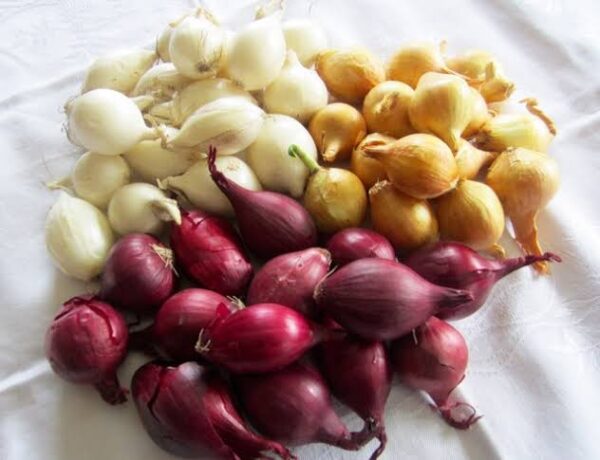
I recently got to know some people cook without onions and they think it’s a flex. They honestly don’t know what they are missing. Onions are versatile vegetables used in various forms – fresh, dried, or powdered – to improve the flavor of meat, fish, soups, and stews.
They add a sweet, pungent taste and are rich in antioxidants that provide numerous health benefits. If you don’t like seeing it in your food, you can go for the powder form.
Image credit: MyFavorite Pastime
Dried Herring (Shawa or Bonga Fish)
Dried herring pieces are added to traditional soups and stews for an authentic, rich flavor. It could be whole or ground, dried herring is used in dishes like moin-moin and ikokore, adding depth and a distinct taste.
Spring Onions
Spring onions are mild, fragrant herbs used fresh in marinades, garnishes, and stir-fries. Their delicate flavor and crisp texture make them a versatile addition to many dishes.
Image credit: Specialty Produce
Cloves (Kanafuru)
Cloves, dried flower buds with a sweet, pungent aroma and strong flavor. Could also be in whole or ground, they are used in baking, soups, and savory meat dishes. Cloves also add a unique flavor to suya spice.
Aniseeds
Sweet-tasting, aromatic aniseed seeds are used mainly for their flavor. Sold whole or ground, they are commonly used in confectionery and soups, adding a sweet taste to dishes.
Nutmeg
Nutmeg is a fragrant seed used in both sweet and savory dishes. It is commonly used in baking, as well as in popular snacks like chin-chin and puff-puff. I use it in my Jollof rice, giving it this smoky nutty taste. Nutmeg adds a warm, spicy flavor that complements various Nigerian dishes.
Image from Britannica
What Spices Are Produced in Nigeria?
Nigeria is blessed with a rich variety of spices that are produced locally, each contributing to the country’s diverse culinary landscape. Here are some of the key spices produced in Nigeria:
Pepper
Pepper is one of the most widely used spices in Nigeria, with varieties like black pepper, cayenne pepper, tatashe and bell pepper. These peppers not only add heat to dishes but also provide a wealth of health benefits, including improved digestion and reduced inflammation.
Scent Leaves
Scent leaves, known for their aromatic and medicinal properties, are widely cultivated in Nigeria, you can easily find them in home gardens. They are used in a variety of dishes, from soups to stews, adding a unique sweet-bitter flavor that is highly prized in Nigerian cuisine.
Ginger
Ginger is another staple spice produced in Nigeria. Its fiery, peppery taste and numerous health benefits make it a popular choice for a variety of dishes, like soups, stews teas and marinades.
Garlic
Garlic, with its strong, pungent flavor and medicinal properties, is grown in many parts of Nigeria. It is used extensively in cooking and traditional medicine, making it an indispensable spice in Nigerian kitchens.
Alligator Pepper
Alligator pepper is a unique spice native to Nigeria, known for its fiery taste and aromatic properties. It is commonly used in pepper soup and other traditional dishes, adding heat and depth of flavor.
Ehuru (African Nutmeg)
Ehuru, or African nutmeg, is a locally produced spice used in soups and stews. Its warm, nutty flavor is released by roasting the seeds before grinding, making it a distinctive addition to many Nigerian dishes.
Locust Beans
Locust beans, also known as iru or ogiri, are fermented seeds used to add umami flavor to soups and stews. They are produced in various regions of Nigeria and are valued for their nutritional and health benefits.
Aniseeds
Aniseeds are aromatic seeds with a sweet, licorice-like taste, produced locally and used in a variety of dishes. They add a distinct flavor to soups, stews, and confectioneries.
Conclusion
Nigerian spices are important to the country’s rich culinary heritage, transforming ordinary meals into flavorful, aromatic, and nutritious delicacies. From the pungent aroma of locust beans, the fiery heat of Cameroon pepper, these spices add depth and unique flavor to Nigerian cuisine.
Meet Zena Akuwa, a Tanzanian entrepreneur and chef, owner of Parachefs Tanzania an impact-driven business that creates training career opportunities for people with disabilities to acquire culinary skills.
In Tanzania, Zena Akuwa stands out as a talented chef and a passionate advocate for individuals with disabilities. As the owner of Parachefs Tanzania, she has created an impact-driven culinary business that provides training and career opportunities for people with disabilities.
Born in Morogoro into a family of seven, Zena faced significant challenges when a childhood bout of malaria led to paralysis. Despite losing both parents, she persevered through her education, completing primary school at the Salvation Army and secondary school at Jangwani Girls.
Her passion for cooking led her to CEFA, an Italian NGO, where she graduated with distinction in 2018, specializing in Italian cuisine.
Parachefs Tanzania emerged from Zena’s desire to empower others facing similar challenges in the job market. The business offers a variety of food options, focusing on fresh seafood, delivered directly to customers.
Zena’s mission is clear: to create a training hub for people with disabilities, helping them acquire culinary skills and secure stable employment.
Zena’s journey has not been easy. After her training, she struggled to find employment, prompting her to start cooking and delivering meals herself. Her resilience has led to significant recognition; she has been named one of the 100 Tanzanian SHEROES and received the Women in Management Africa special abilities award in 2021.
Zena aims to expand Parachefs Tanzania into multiple outlets across Zanzibar, Dodoma, and Arusha over the next three years, and establish a dedicated training facility in Dar es Salaam.
To aspiring female entrepreneurs, Zena advises, “It is possible. Go outside, find your purpose, and be creative. Never give up.” Her story is a powerful reminder of the strength of the human spirit and the transformative impact of entrepreneurship.
In conclusion, Zena Akuwa is more than just a chef; she is a changemaker in Tanzania’s culinary landscape. Through Parachefs Tanzania, she is redefining opportunities for individuals with disabilities, inspiring us all to pursue our passions and foster inclusivity within our communities.
Today, we’re celebrating one of Africa’s most cherished foods—pap. Whether you call it pap, ogi, akamu, mealie pap, sadza, or nshima, this pap isn’t just versatile but also comforting and soothing. As we celebrate National Pap Day, we look at how pap is enjoyed from South Africa to Nigeria, Zimbabwe to Kenya, and beyond.
Pap: A Delicious South African Cuisine
In South Africa, pap is more than just a dish; it’s a cultural cornerstone. Here, pap is typically enjoyed in its solid form, often served as a side to mouth-watering braais (barbecues) and stews.
Pap, also known as “phuthu” or “stywe pap,” is made from maize meal and can vary in texture from soft and crumbly to firm and sliceable. It’s incredibly versatile and can be dressed up with a rich tomato and onion sauce or kept simple just as it is.
Nigeria’s Pap: Ogi
In Nigeria, pap takes on a whole new form. Here, it’s a beloved breakfast staple known as ogi or akamu. This version of pap is a smooth, fermented maize pudding that’s typically enjoyed with akara (bean cakes) or moi moi (steamed bean pudding). It’s creamy, slightly tangy, and incredibly comforting—perfect for starting your day on a warm, nourishing note.
Fun fact: In Nigeria, making ogi is an art form passed down through generations. The maize kernels are soaked, fermented, and then ground to create a smooth paste that’s cooked into the silky pap we know and love. It’s often sweetened with sugar or honey and can be flavored with ginger or cloves for an extra kick.
Image Credit: Facebook
Zimbabwe’s Staple: Sadza
Moving to Zimbabwe, we find another beloved form of pap known as sadza. This staple is enjoyed with a variety of relishes, from leafy greens to flavorful meats. Sadza is typically made from maize or sorghum and is a daily meal on many Zimbabwean tables.
Interesting note: Sadza is more than just a meal; it’s a symbol of hospitality and sustenance. It’s often served during important gatherings and family meals, emphasizing its role in bringing people together.
Zambia and Malawi’s Nshima
In Zambia and Malawi, nshima (or nsima) is a key part of the diet. Like its counterparts in other countries, nshima is made from maize flour and water, cooked to a thick consistency. It’s enjoyed with various accompaniments, including fish, beans, and vegetables.
Cultural insight: The preparation of nshima is a communal activity, often involving the whole family. The act of stirring the pot until the nshima reaches the perfect consistency is a cherished tradition, highlighting the communal nature of African cuisine.
Image Credit/Pinterest
Kenya’s Uji
In Kenya, uji is a popular form of pap, especially enjoyed as a nutritious breakfast. Made from fermented millet or sorghum, uji is a thick, porridge-like dish that’s often sweetened with sugar or honey. It’s known for its health benefits and is a common weaning food for infants.
Did you know? Uji is not just for breakfast; it’s also enjoyed as a refreshing drink when diluted and cooled, especially on hot days.
Image Credit: Facebook
A Dish with Deep Roots
Pap isn’t just food; it’s a connection to our heritage. Across Africa, pap plays a role in various cultural practices and daily life. In South Africa, it’s a staple at family gatherings, symbolizing unity and shared joy. In Nigeria, it’s a common sight at breakfast tables, bringing families together to start their day.
Cultural Tidbit: In many African cultures, the preparation and sharing of pap is a communal activity.
Why We Love Pap
Whether you’re enjoying it solid with a hearty stew in South Africa, sipping it as a warm, comforting porridge in Nigeria, or savoring it with relishes in Zimbabwe, pap is a reminder of our shared heritage and the diverse ways we celebrate it.