Cassava is the starchy root of the Manihot esculenta shrub. It sits under a long list of African meals, from eba to placali to attiéké. You can't eat it raw. The root carries natural compounds that can release cyanide, so African kitchens peel it, then soak, ferment, dry or cook it until it's safe.
That sounds alarming, and it shouldn't put you off. The traditional methods work. The FAO points out that poisoning is rare given how many millions of people eat cassava regularly, and the processing figures further down back that up.
What is cassava?
Cassava is the underground root of a tropical shrub, long and brown-skinned on the outside with dense white flesh inside. The FAO notes that it's also known as yuca, manioc, mandioca or tapioca, so you may see any of those names on a shop label.
It isn't African in origin. The FAO says cassava is believed to have first been grown as a crop in southern Mexico and Central America or in northern South America. Africa made it its own, and the FAO notes that the basic method for garri reached West Africa with settlers from Brazil in the early 1800s. Our guide to garri covers the types and how it's eaten today.
Is raw cassava poisonous?
Raw cassava contains cyanogenic glycosides, natural chemicals that can break down to release hydrogen cyanide. The FAO names the two in cassava as linamarin and lotaustralin, and says an enzyme in the plant, linamarase, sets off that breakdown. The enzyme only reaches them when the root's cells are damaged, by grating or pounding, for example.
Not every root carries the same amount. Cassava is often sorted into sweet and bitter types, and the FAO says bitterness goes with higher toxicity, though it calls that only a rough guide. Food Standards Australia New Zealand (FSANZ) says sweet cassava is the type permitted for sale there. A root with more than 50mg of hydrogen cyanide per kilogram doesn't count as sweet.
FSANZ says these chemicals can cause acute cyanide poisoning. The World Health Organization's chemical safety programme lists the typical signs as fast breathing, headache, dizziness, poor coordination, a weak pulse and vomiting. Serious cases can bring convulsions and coma. The same WHO report links eating cassava high in these chemicals over a long time with nerve damage that affects walking, and with goitre where people get too little iodine. The FAO adds that both sudden and long-term poisoning tend to go with diets very short of sulphur-containing amino acids, such as methionine and cysteine. The body needs these to clear cyanide.
Why cooking alone isn't always enough
Boiling, steaming, baking or frying removes somewhere between 10% and 75% of the toxin from cassava root, according to FSANZ. It says none of them on its own can be relied on to bring it down to a safe level. Cooking still matters, but the soaking and fermenting that come before it carry much of the load.
FSANZ gives figures for two longer methods. Soaking the roots for six days, then grating them and fermenting the mash for four days, removes 98% of the cyanogenic glycosides. Soaking fresh roots for three days and then drying them for three days removes about 86%. Even so, food law in Australia and New Zealand requires cassava to be labelled as needing to be peeled and fully cooked before you eat it.
How African kitchens make cassava safe
African kitchens make cassava safe by breaking the root open and giving the toxin somewhere to go. The FAO says many traditional methods seem designed to do exactly that. Grating or pounding bursts the cells so the plant's own enzyme can reach the glycosides. The cyanide that's released then escapes into the air or washes out in water.
Cassava leaves need the same care, because FSANZ says they hold higher levels of these chemicals than the roots. Its simple method is to pound the leaves for at least 10 minutes until they're well broken down, then wash them in twice their weight of water. That cuts the cyanide by 92%.
If you make flour from fresh roots yourself, FSANZ calls the wetting method the simplest way to detoxify it. Peel, chop and grind the roots into flour, then mix it with water at 1 part flour to 1.25 parts water by weight. Spread it no more than 1cm thick and leave it to stand for five hours at 30°C.
Fufu can be made from cassava too, and the FAO describes a traditional method with the soak built in. The unpeeled roots sit in water for 3 to 4 days, usually running water such as a stream, and some fermentation may happen. Once they're soft, they're peeled and pounded into a paste, which is then boiled or steamed. Our fufu vs eba guide explains how the two swallows differ.
Cassava dishes on AFN, and the step that makes each one safe
Each cassava dish below uses at least one of those steps, even if the cook would just call it the method.
Eba
Eba is garri turned into a swallow, and garri has already done the hard work. The cassava was peeled, grated, pressed, fermented and dry-fried before it reached your kitchen. That's why it keeps for months and eba takes about three minutes. Our eba recipe uses half a cup of garri to a cup of boiling water. You turn it until smooth.
Cassava fritters
Cassava fritters are grated cassava bound with a little flour and shallow fried, so the cooking has to be thorough. Our cassava fritters recipe is firm about it: cassava must be cooked through and never eaten raw, which matches FSANZ's advice that cassava must be fully cooked. Fry them over low to medium heat, 5 to 8 minutes on the first side and about 5 on the second. You want the inside soft, not just the outside golden.
Placali
Placali is Côte d'Ivoire's fermented cassava paste, cooked to a smooth, stretchy swallow and eaten with soup. The root is peeled, grated and crushed, then left covered for two days to ferment before any cooking. Our placali recipe has you pour off the water that rises to the top before cooking. The more you leave, the softer it turns out.
Funge
Funge is Angola's cassava porridge, smooth and plain, and it starts from dried cassava flour rather than fresh root. Our funge recipe whisks the flour with cold water first, then pours it into boiling water. You work it hard with a wooden spoon for 10 to 15 minutes until it's stretchy.
Chikuanga (cassava bread)
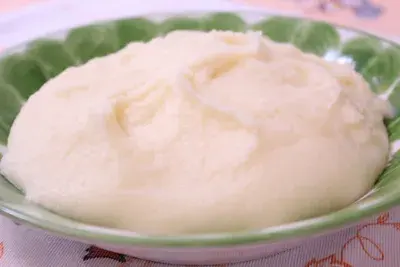
Chikuanga, also called kwanga, shows how long a soak can run. Peeled cassava sits in water for at least 48 hours until it softens and ferments, and our chikuanga recipe treats that soak as a step you can't shorten. It then pounds the softened root and pulls out the fibre. The paste is cooked into a dense loaf.
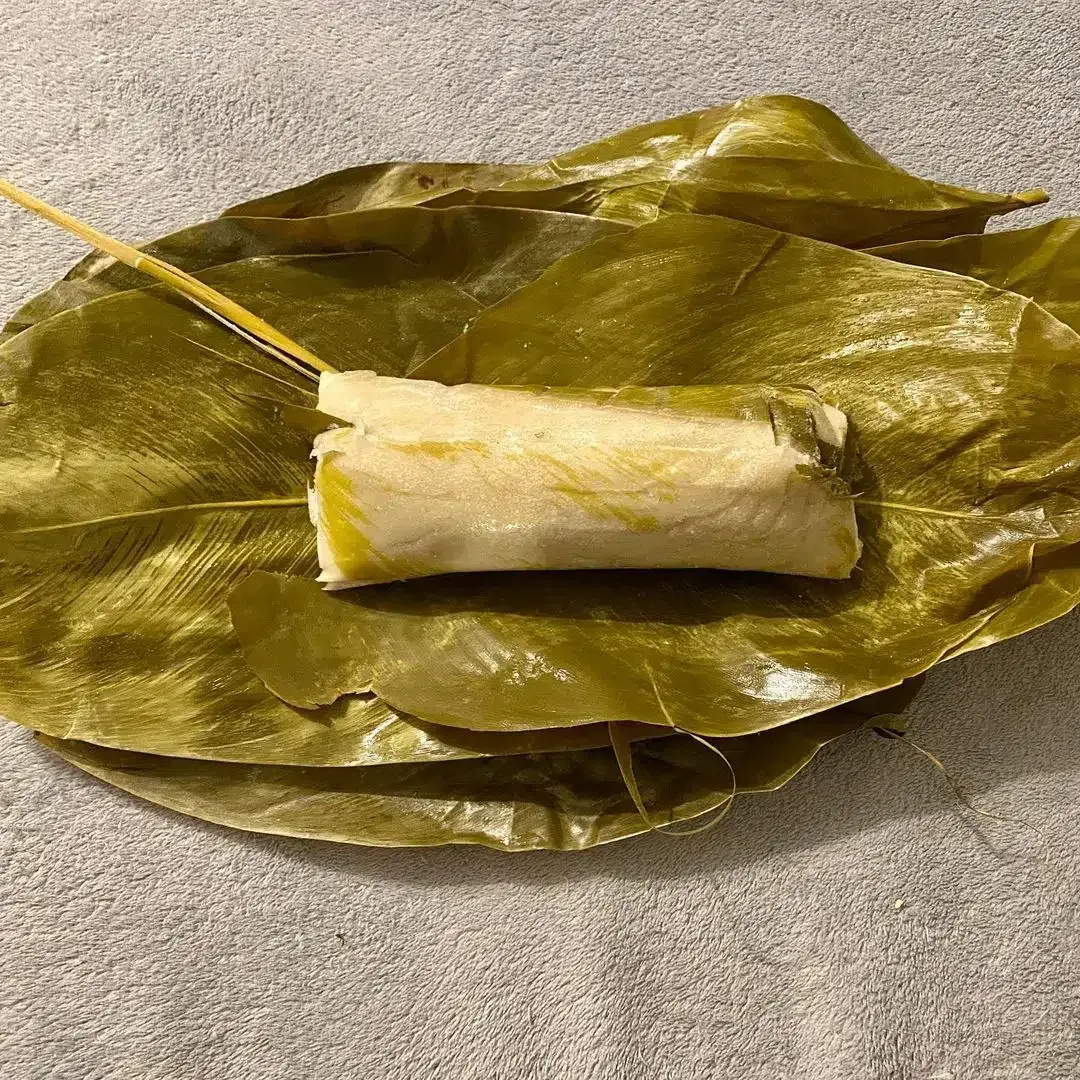
Attiéké, steak and alloco
Attiéké comes from the lagoon peoples of coastal Côte d'Ivoire. The cassava is grated, fermented for a few days and steamed into fine granules that look like couscous and taste pleasantly sour. Our attiéké steak alloco recipe serves it the Ivorian way, with steak and fried ripe plantain.
Abacha and ugba (African salad)
Abacha is Igbo shredded cassava, and it takes the most handling of any dish here. The root is cooked, shredded on a special grater, soaked overnight, rinsed and dried in the sun. By the time it's sold, it only needs a soak in cold water. Our African salad recipe folds it into a palm oil paste with ugba, the fermented oil bean seed.
Amala lafun and ewedu soup
Lafun is white cassava flour, made by soaking and sun-drying the root. It gives you the pale amala of Oyo rather than the dark yam version. Our amala lafun and ewedu soup recipe thickens the flour gradually with hot water and serves it with jute leaf soup.
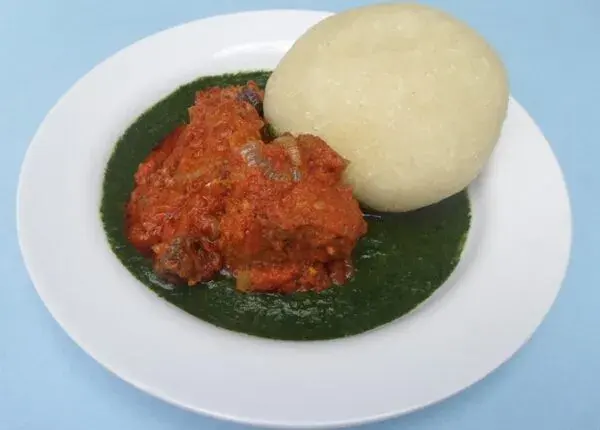
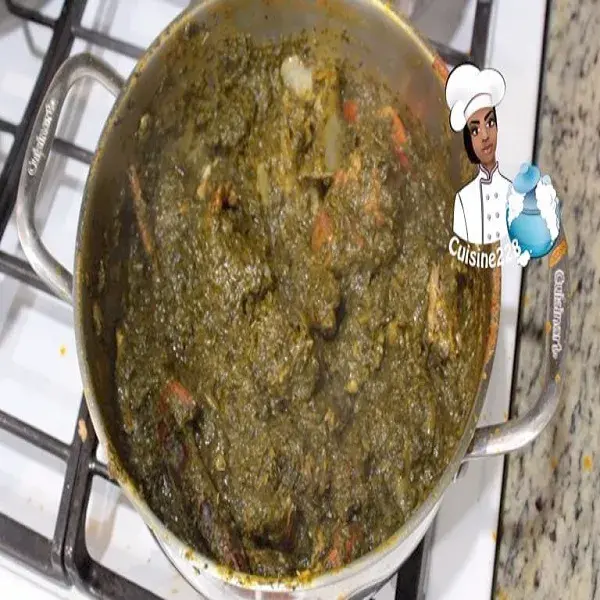
Cassava leaf soup
Cassava leaf soup runs from Liberia and Sierra Leone to Central Africa, where it's called saka saka or pondu. FSANZ says the leaves hold higher levels of the toxin than the root, so raw leaves need proper treatment first. If you start from fresh leaves, our recipe says to boil them for at least 45 minutes and throw away that first water. Our cassava leaf soup recipe itself uses frozen, ready-prepared leaves, cooked down with palm oil, smoked fish or turkey and crayfish.
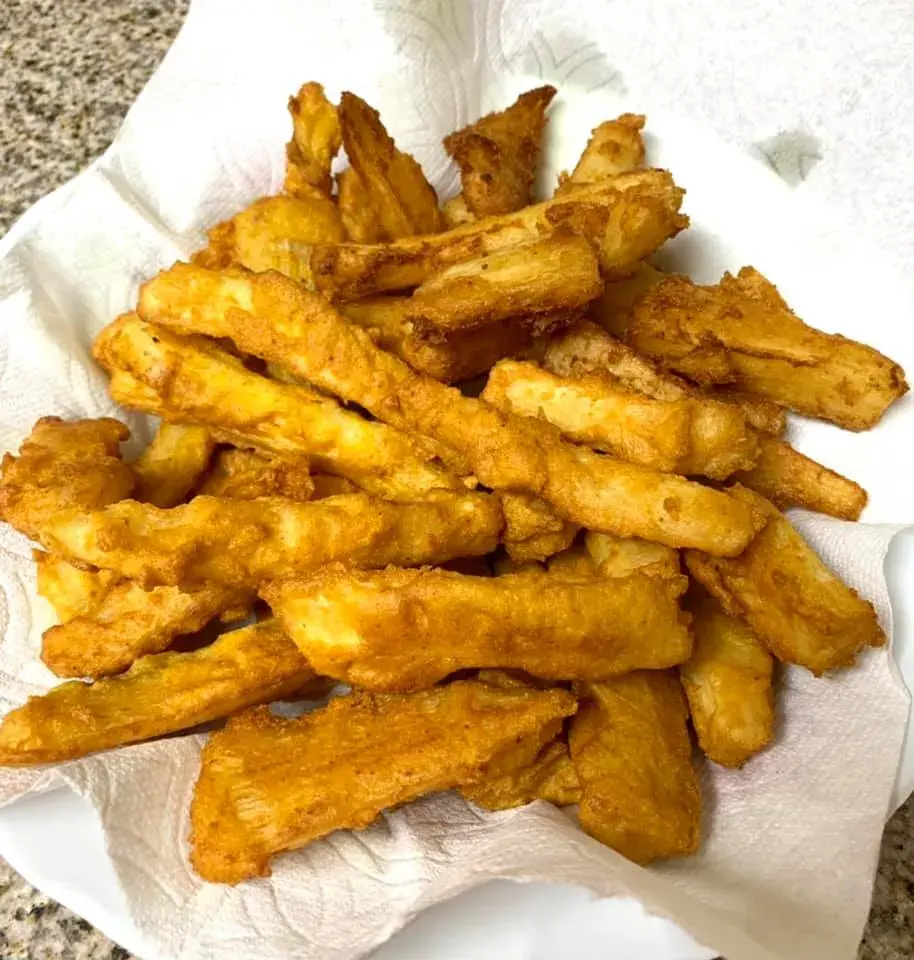
Fried cassava (yuca)
Fried cassava follows the two steps FSANZ says every cassava label in Australia and New Zealand must carry: peel it, and cook it fully. Our fried cassava recipe peels the root and cuts out the woody core. It boils the pieces for 10 to 15 minutes until a fork goes in easily, and only then fries them golden.
Cassava questions people ask
Is cassava poisonous?
Raw cassava can be, because it can release hydrogen cyanide. Food Standards Australia New Zealand says the cassava sold in those two countries is safe to eat provided you prepare it properly. The FAO says poisoning is comparatively rare among the millions of people who eat it regularly.
Can you eat cassava raw?
No. Raw cassava can release cyanide, which is why food law in Australia and New Zealand requires it to be labelled as needing to be peeled and fully cooked.
Is cassava the same as yuca and tapioca?
Yes and no. Yuca and manioc are other names for the same root, and the FAO lists tapioca as one too. In world trade, though, the FAO notes that tapioca means a product made from cassava starch.
What's the difference between sweet and bitter cassava?
Bitter cassava generally holds more of the chemicals that release cyanide, though the FAO says bitterness is only a rough guide to how toxic a root is. FSANZ doesn't count a root as sweet if it holds more than 50mg of hydrogen cyanide per kilogram. The FAO notes that bitter types usually go through the longer processing used for garri, while sweet types are often just boiled or roasted.
Is garri already cooked?
Yes. The FAO describes garri as grated cassava that's pressed to remove the juice, left to ferment, then roasted on a metal plate. So it's cooked before you buy it.