


As you prepare to break your fast, consider foods rich in nutrients, fiber, and healthy fats to restore your body's balance gently. Many traditional African foods offer the perfect combination of flavors and ingredients to make your iftar meal satisfying and rejuvenating.
Ramadan is a holy month for Muslims worldwide, marked by fasting from dawn till sunset. After a long day of spiritual reflection and abstaining from food and drink, breaking the fast (iftar) is a much-anticipated event. It's crucial to choose the right foods to replenish your energy levels, nourish your body, and provide sustained sustenance until the next pre-dawn meal (suhoor).
In this article, I will share with you what foods are good to break a fast in Ramadan (15 mouthwatering African foods) that are ideal for breaking your Ramadan fast. I'll also share tips to help you maintain your health during this blessed month and discuss foods to limit or avoid.
Key Takeaways
- Dates are a time-honored way to break the fast, providing a natural energy boost.
- Hearty stews and soups like harira can be nourishing and hydrating.
- Whole grains like couscous, injera, and jollof rice offer complex carbs for sustained energy.
- Fresh fruits, vegetables, and protein-rich dishes like ful medames replenish essential nutrients.
- Moderation is key - avoid overly greasy, sugary, or salty foods that can dehydrate or cause discomfort.
15 African Foods to Break Your Ramadan Fast
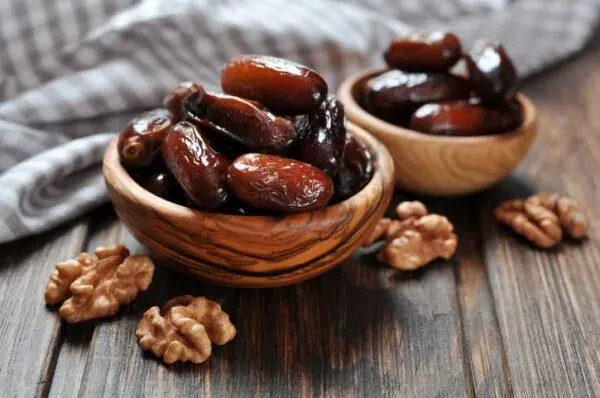
Dates
No Ramadan iftar would be complete without dates, a good way to break your fast. Originating in North Africa these sweet, chewy fruits have been a staple for breaking the fast for centuries. Dates are rich in natural sugars, providing an instant energy boost, as well as fiber to aid digestion.
Harira
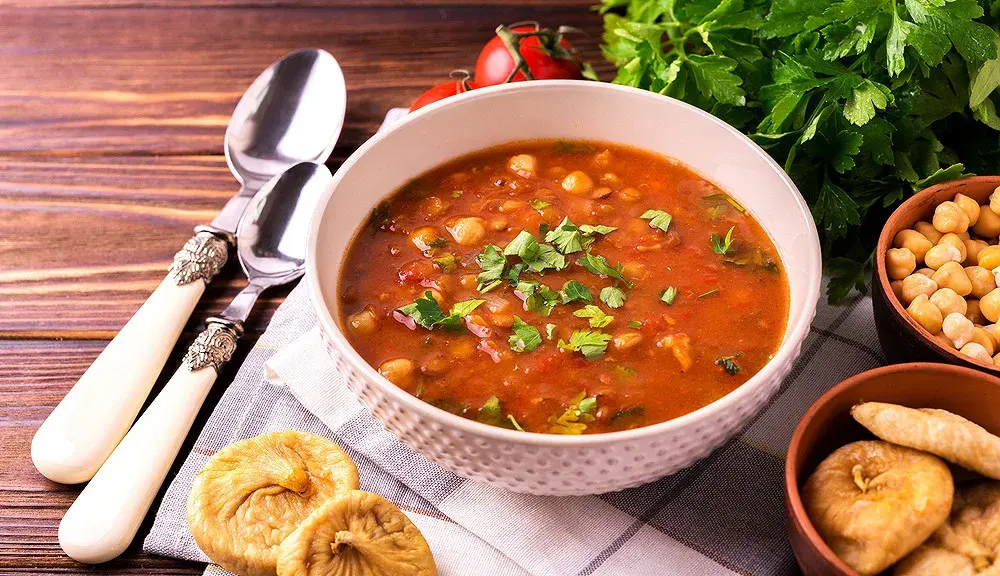
Harira is a thick, flavorful soup from Morocco, often served at iftar. This comforting dish combines lentils, chickpeas, lamb or beef, and a blend of spices like cinnamon, ginger, and saffron. The combination of protein, fiber, and warming spices makes harira a nourishing and satisfying way to break your fast.
Ful Medames
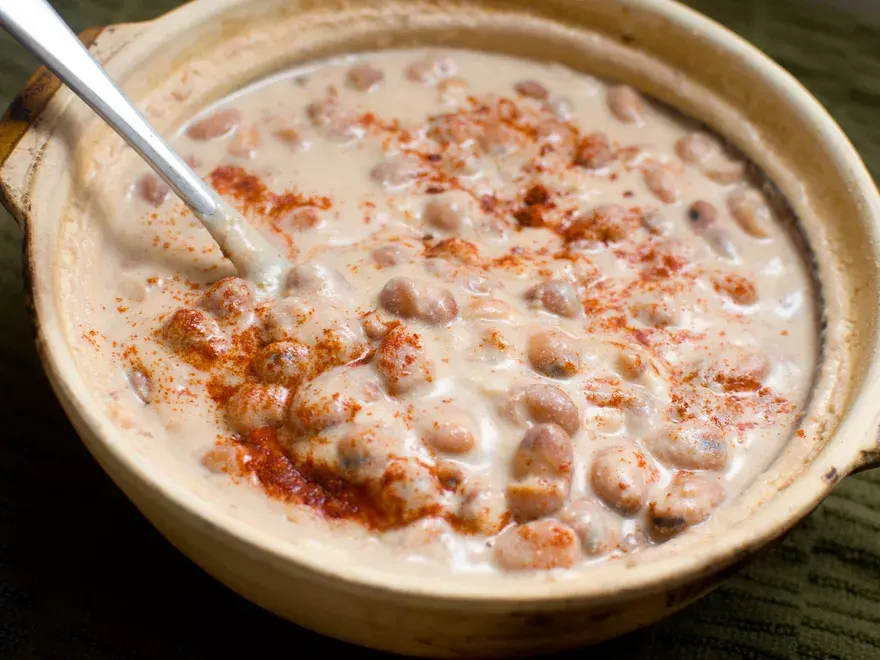
A classic Egyptian dish, ful medames is made with hearty fava beans stewed with olive oil, garlic, lemon juice, and spices. This protein-packed meal is typically served with pita bread, making it a filling and nutritious option for iftar. The fiber from the fava beans and complex carbs from the pita can help sustain you until suhoor.
Couscous
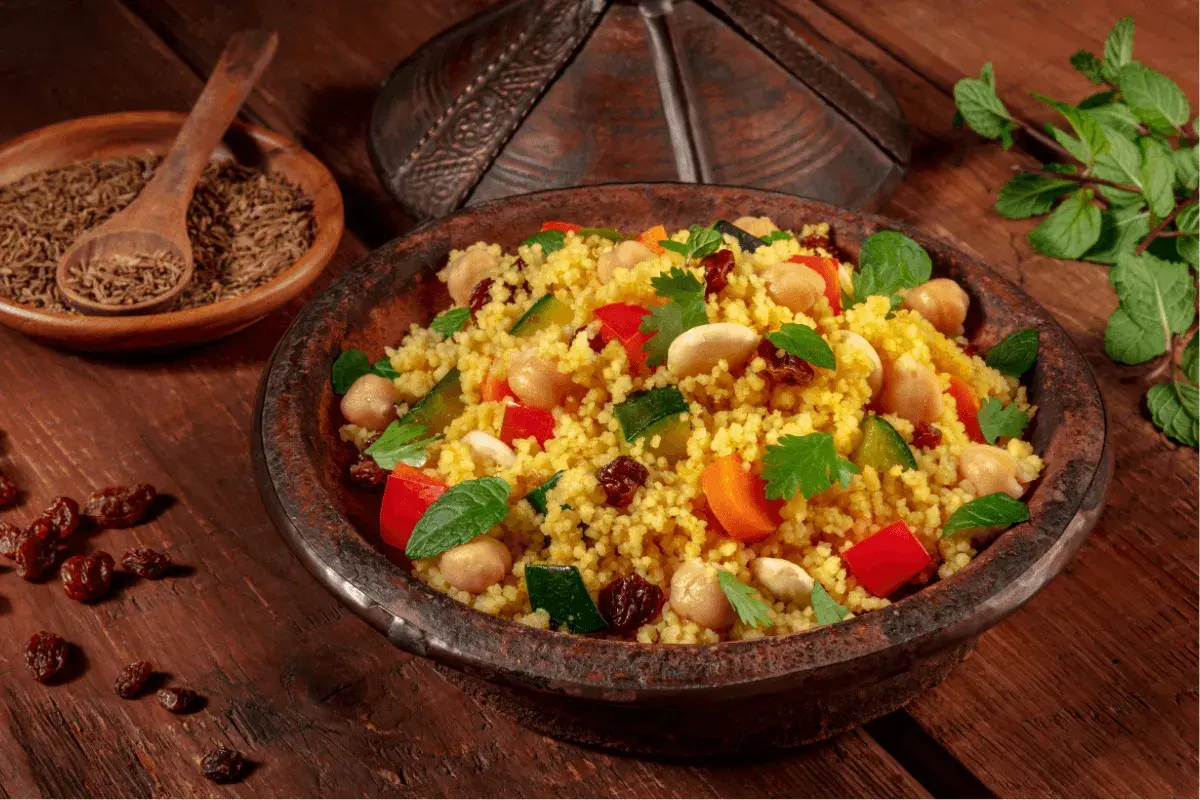
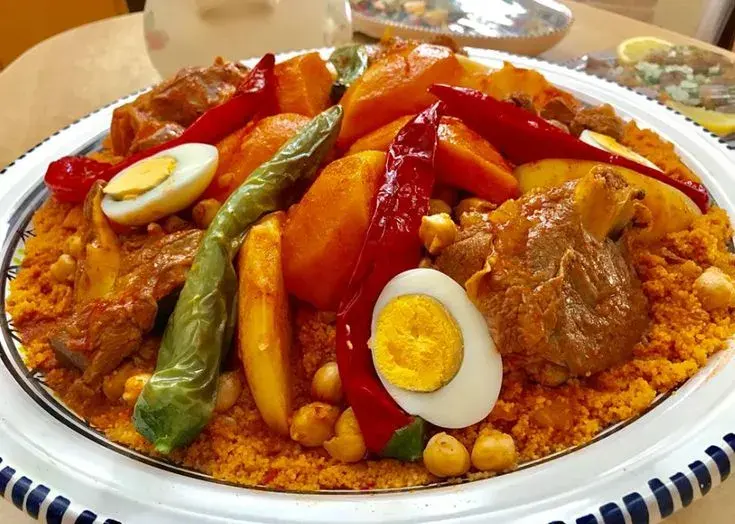
A staple in North African cuisine, couscous is a versatile and comforting grain dish that can be served as a side or a main course. Pair it with stewed vegetables, chickpeas, or slow-cooked meat for a well-rounded iftar meal. Couscous provides complex carbohydrates for lasting energy and can be easily digested after a day of fasting.
Jollof Rice
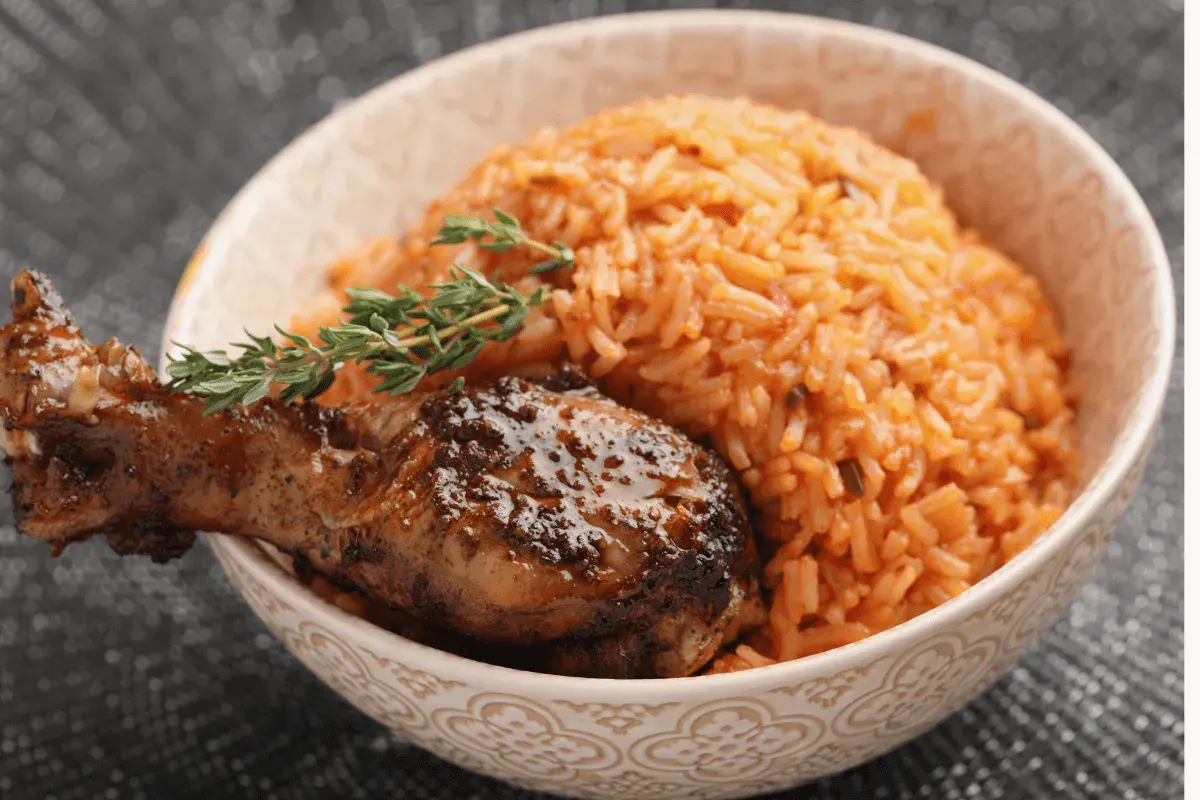
This iconic West African dish features rice cooked in a flavorful tomato-based sauce with spices, vegetables, and protein like chicken or beef. Jollof rice is a beloved comfort food that can be enjoyed at iftar, providing a balance of carbohydrates, protein, and essential nutrients.

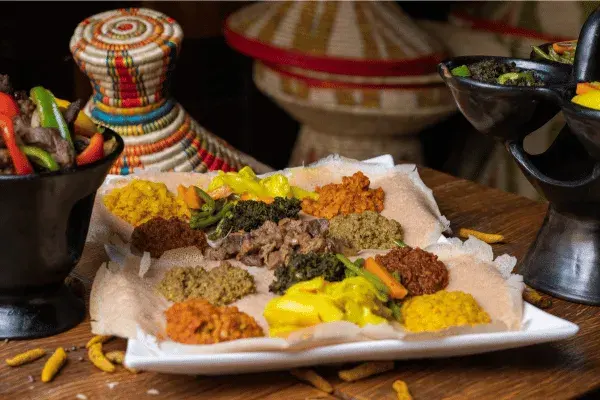
Injera and Wat
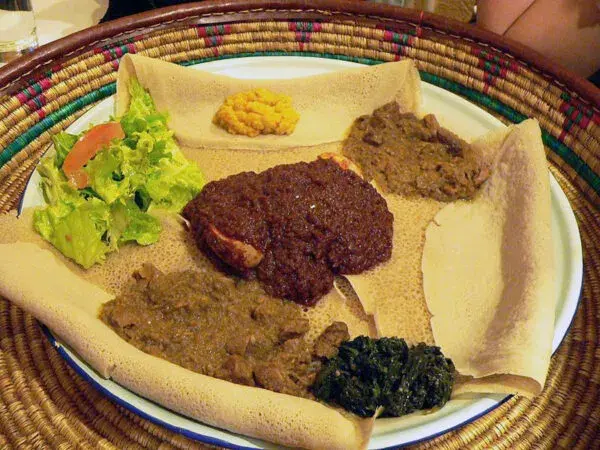
Injera is a spongy, sourdough flatbread from Ethiopia, traditionally served with a variety of flavorful stews called wat. This combination provides a well-rounded meal with complex carbohydrates from the injera and protein and nutrients from the wat. Popular wat options include lentil, chicken, or lamb stews seasoned with berbere spice blend.
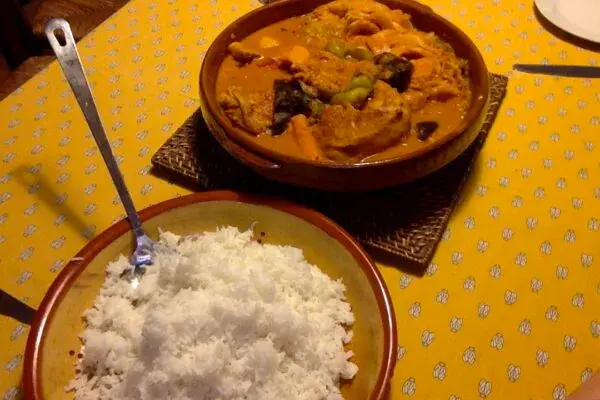
Maafe
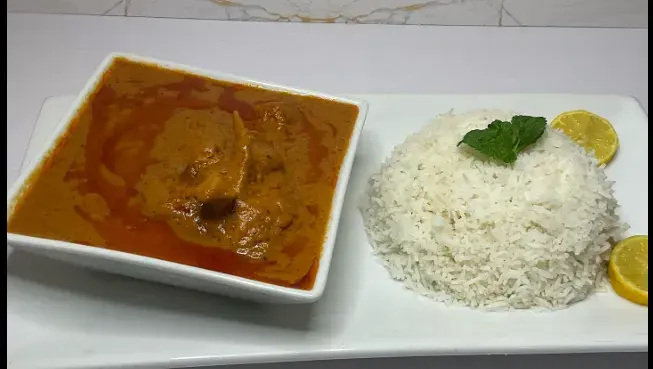
This traditional West African dish features a rich, peanut-based stew served with rice or couscous. Maafe is loaded with hearty ingredients like chicken, lamb, or beef, as well as vegetables like potatoes, carrots, and tomatoes. The combination of protein, healthy fats from the peanuts, and complex carbohydrates makes it a satisfying and nourishing choice for iftar.
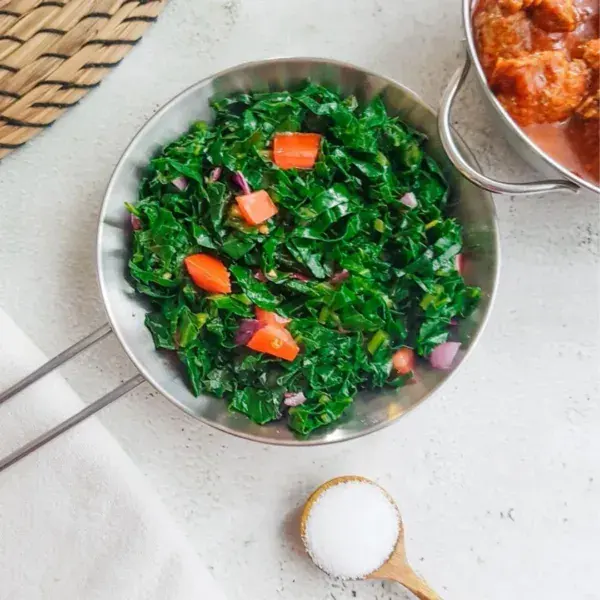
Sukuma Wiki
Sukuma wiki, a Kenyan dish of sautéed kale or collard greens, is a nutrient-dense option for breaking your fast. This simple yet flavorful dish can be enjoyed with ugali (a cornmeal porridge) or rice, providing a balance of greens, complex carbs, and optional protein from added ingredients like ground beef or chickpeas.
Fattoush Salad
This refreshing Middle Eastern salad is a popular choice for iftar in parts of North Africa. Fattoush combines fresh vegetables like tomatoes, cucumbers, and lettuce with toasted pita chips and a zesty dressing made with sumac, lemon juice, and olive oil. The combination of hydrating veggies, complex carbs, and healthy fats makes it a light yet satisfying way to break your fast.
Kebabs
Grilled or skewered meats like beef, lamb, or chicken kebabs are a beloved iftar dish in many African countries. These protein-rich skewers can be served with whole grain flatbreads, rice, or a fresh salad for a well-rounded meal. Kebabs are easy to digest and can replenish your energy levels after a day of fasting.

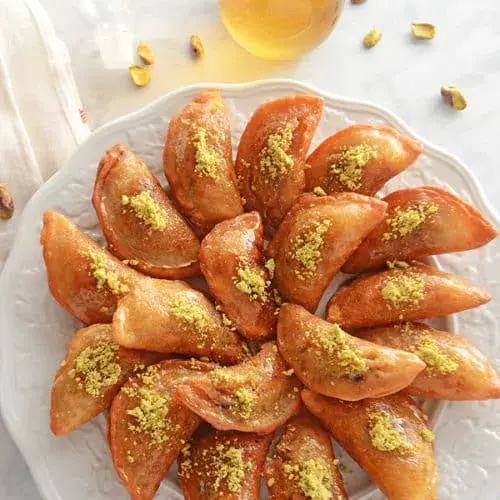
Atayef
These sweet pancake-like treats are a traditional dessert enjoyed during Ramadan in the Levant region and parts of North Africa. Atayef are typically filled with a creamy mixture of ricotta or cream cheese and garnished with syrup or nuts. While indulgent, these pancakes can provide a satisfying treat after a long day of fasting.

Mbatata (Sweet Potato Fries)
For a nutritious snack or side dish at iftar, consider mbatata or sweet potato fries. These baked or air-fried fries are a healthier alternative to traditional French fries and are packed with fiber, vitamins, and minerals. Serve them with a flavorful dipping sauce like harissa or a cool yogurt-based condiment.
Fresh Fruit Platter
After a day of fasting, a platter of fresh fruits like dates, figs, oranges, and bananas can be a refreshing and hydrating way to break your fast. These fruits provide natural sugars for an energy boost, as well as essential vitamins, minerals, and fiber. Consider adding a yogurt-based dipping sauce for added protein and creaminess.

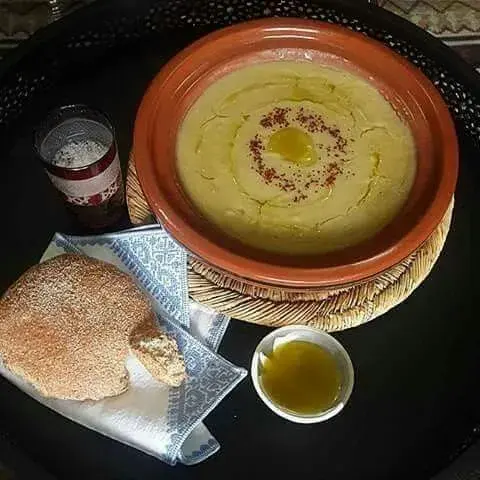
Bissara (Pea Soup)
Bissara is a traditional Moroccan pea soup that's both nourishing and comforting. This hearty soup combines peas, garlic, olive oil, and spices like cumin and paprika. Served with freshly baked khobz (Moroccan bread), bissara can be a satisfying and protein-rich way to break your fast.
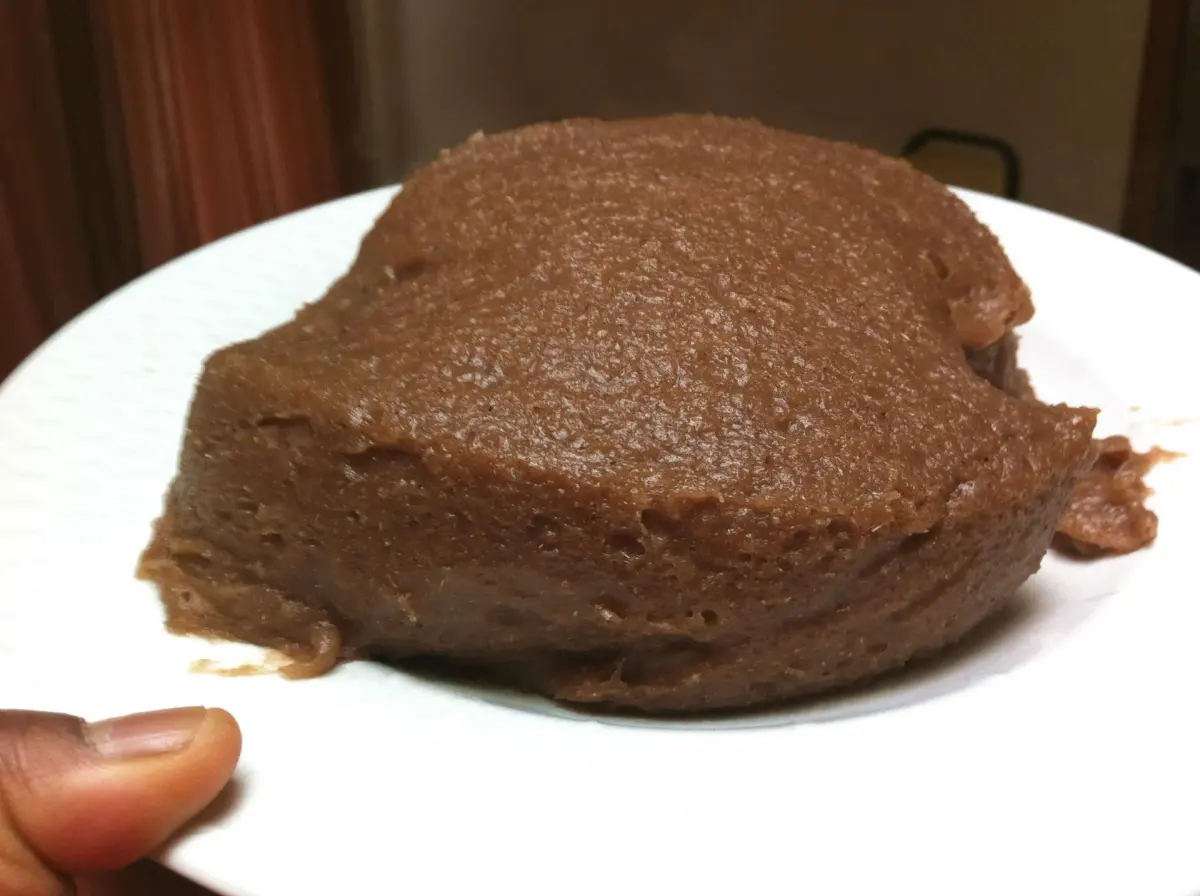
Amala and Ewedu
Amala is a thick pudding made from yam flour or unripe plantain flour, popular in West Africa. Ewedu is a nutritious soup made with jute leaves, widely eaten in Nigeria. Together, amala and ewedu make a filling and comforting meal to break the fast.

Tips for Staying Healthy During Ramadan
While observing the Ramadan fast, it's essential to prioritize your health and well-being. Here are some tips to help you maintain your energy levels and overall wellness during this holy month:
- Stay Hydrated Dehydration is a common concern during Ramadan, as you abstain from drinking water throughout the day. Make sure to drink plenty of water, fresh juices, and hydrating beverages like milk or laban (yogurt drink) during the non-fasting hours.
- Eat Nutrient-Dense Foods Focus on incorporating nutrient-dense foods like fruits, vegetables, whole grains, lean proteins, and healthy fats into your suhoor and iftar meals. These foods will provide you with the essential vitamins, minerals, and energy you need to sustain you throughout the day.
- Incorporate Fiber Fiber-rich foods like fruits, vegetables, whole grains, and legumes can help regulate digestion and prevent constipation, which can be a common issue during Ramadan. Adequate fiber intake can also help you feel fuller for longer, making it easier to manage your hunger during fasting hours.
- Practice Portion Control While it's tempting to overindulge at iftar, it's essential to practice portion control to avoid discomfort and digestive issues. Eat slowly, listen to your body's hunger cues, and stop eating when you feel comfortably full.
- Stay Active Maintaining a regular exercise routine, even during Ramadan, can help boost your energy levels, improve digestion, and promote overall well-being. Consider engaging in light to moderate activities like walking, yoga, or stretching, but be mindful of your body's needs and adjust your routine accordingly.
- Get Enough Rest Adequate rest is crucial during Ramadan, as fasting and changes in your sleep patterns can lead to fatigue. Aim for 7-8 hours of sleep each night and consider taking short naps during the day if needed.
Foods to Limit or Avoid During Ramadan
While many delicious and nourishing options are available for breaking your fast, some foods should be consumed in moderation or avoided altogether to ensure a healthy Ramadan experience:
- Fried and Greasy Foods Deep-fried foods like samosas, pakoras, and French fries can be heavy and difficult to digest, especially after a day of fasting. These foods can also contribute to dehydration and discomfort.
- Sugary Drinks and Desserts While it's okay to indulge in moderation, excessive consumption of sugary drinks and desserts can lead to energy crashes, weight gain, and dehydration. Opt for fresh fruits and water-based beverages instead.
- Salty and Processed Foods Highly processed and salty foods like chips, cured meats, and canned soups can increase your sodium intake and contribute to dehydration. Choose fresh, whole foods whenever possible.
- Caffeinated Beverages While caffeine can provide a temporary energy boost, excessive consumption can lead to dehydration, jitters, and disrupted sleep patterns. Limit your intake of caffeinated beverages like coffee, tea, and soda during Ramadan.
Conclusion
Breaking the Ramadan fast with nutrient-dense, nourishing foods is essential for maintaining your energy levels, overall health, and spiritual well-being. The diverse culinary traditions of Africa offer a wealth of delicious and satisfying options to help you break your fast in a balanced and wholesome manner.
From hearty stews and grains to fresh salads and fruits, the 15 African foods highlighted in this article provide a range of flavors and nutrients to replenish your body after a day of fasting. Remember to stay hydrated, practice portion control, and listen to your body's cues to make the most of this blessed month.
By incorporating these tips and mindful food choices, you can ensure a fulfilling and healthy Ramadan experience, allowing you to focus on your spiritual growth and connection with your faith.