4.34.33 out of 5, 3 ratings50 min


Cookies on African Food Network
We use essential cookies to make the site work. We would also like to set analytics cookies and advertising cookies, but only if you agree. You can choose each one separately. Read our cookie policy
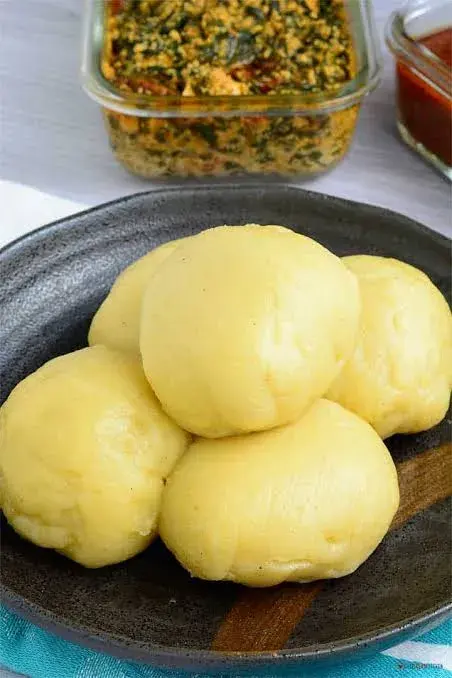
Fufu is a soft, stretchy dough made by cooking a starch such as cassava, yam, plantain or cocoyam and pounding it smooth, then eating it by hand with soup. You pinch off a piece, roll it into a small ball, scoop up the soup with it and swallow.
It started with the Akan people of Ghana, and the same idea now runs across West, Central, East and Southern Africa under dozens of names: pounded yam and eba in Nigeria, banku and kenkey in Ghana, placali in Côte d'Ivoire, funge in Angola, ugali in Kenya, pap in South Africa. Nigerians call the whole family swallow. Here is each one, what it is made from, and AFN's recipe for it.
Same idea, different starch. What it is made from decides the colour, the texture and whether it tastes neutral or sour.
Ghana
FufuMade from: Cassava with plantain or cocoyam (AFN's recipe uses white yam)
The original: cooked starch pounded in a mortar until smooth and stretchy. In Ghana it is usually cassava with plantain or cocoyam, served with light soup or palm nut soup.
Nigeria
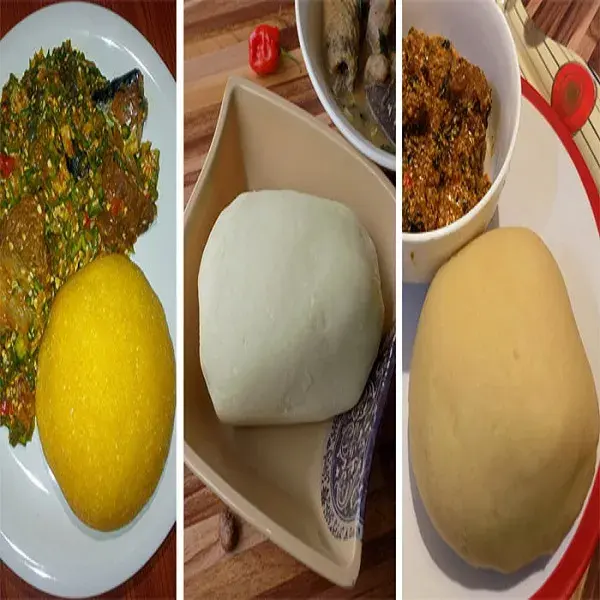
Pounded yam (iyan)Made from: White yam
Boiled yam pounded until sticky and elastic. The top of the Nigerian swallow hierarchy: what you serve when the occasion matters. Called foutou in Côte d'Ivoire and yam fufu in Ghana.
Nigeria
EbaMade from: Garri (fermented, dry-fried cassava granules)
Garri stirred into boiling water: a meal in about three minutes, and probably the most-eaten swallow in Nigeria because garri keeps for months without a fridge.
Nigeria
AmalaMade from: Elubo (dried yam flour)
The Yoruba swallow of Oyo State and Ibadan. Drying the yam turns it brown, so amala comes out almost black. Eaten with ewedu and gbegiri.
Ghana
BankuMade from: Fermented corn and cassava dough
Fermented for two to five days, so it is pleasantly sour. Cooked smooth and shaped into balls, often eaten with okra stew or grilled tilapia and pepper.
Ghana
KenkeyMade from: Fermented maize dough
Sour fermented maize wrapped in corn husk or banana leaf and steamed into firm balls, eaten with raw pepper sauce and fried fish.
Côte d'Ivoire
PlacaliMade from: Fermented cassava paste
Cassava grated and left to ferment for two days, so it is sour, looser and stickier than pounded yam. Also eaten in Togo as agbelima koumè.
Angola
FungeMade from: Cassava flour
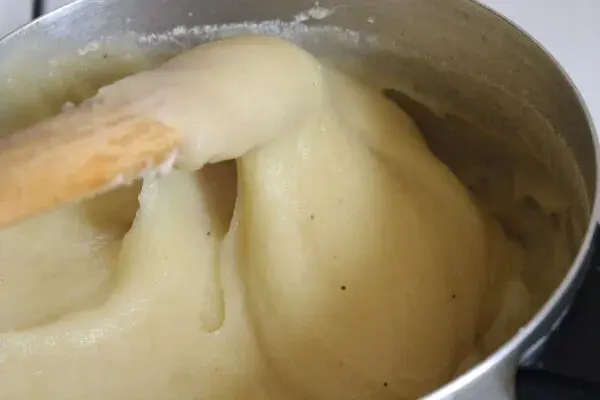
A smooth, elastic cassava porridge that is deliberately neutral, so it carries the flavour of whatever it is eaten with.
Kenya
UgaliMade from: White maize meal
The staple of Kenya and Tanzania, stirred against real resistance until it pulls away from the pot. Known as nshima, nsima, sadza, posho and pap across East and Southern Africa.
Nigeria
Tuwo shinkafaMade from: Soft short-grain rice
The rice swallow of northern Nigeria and Niger: rice cooked past soft and mashed into a smooth dough. Known as omo tuo in Ghana.
| Country | Version | Made from | What makes it different |
|---|---|---|---|
| Ghana | Fufu | Cassava with plantain or cocoyam (AFN's recipe uses white yam) | The original: cooked starch pounded in a mortar until smooth and stretchy. In Ghana it is usually cassava with plantain or cocoyam, served with light soup or palm nut soup. |
| Nigeria | Pounded yam (iyan) | White yam | Boiled yam pounded until sticky and elastic. The top of the Nigerian swallow hierarchy: what you serve when the occasion matters. Called foutou in Côte d'Ivoire and yam fufu in Ghana. |
| Nigeria | Eba | Garri (fermented, dry-fried cassava granules) | Garri stirred into boiling water: a meal in about three minutes, and probably the most-eaten swallow in Nigeria because garri keeps for months without a fridge. |
| Nigeria | Amala | Elubo (dried yam flour) | The Yoruba swallow of Oyo State and Ibadan. Drying the yam turns it brown, so amala comes out almost black. Eaten with ewedu and gbegiri. |
| Ghana | Banku | Fermented corn and cassava dough | Fermented for two to five days, so it is pleasantly sour. Cooked smooth and shaped into balls, often eaten with okra stew or grilled tilapia and pepper. |
| Ghana | Kenkey | Fermented maize dough | Sour fermented maize wrapped in corn husk or banana leaf and steamed into firm balls, eaten with raw pepper sauce and fried fish. |
| Côte d'Ivoire | Placali | Fermented cassava paste | Cassava grated and left to ferment for two days, so it is sour, looser and stickier than pounded yam. Also eaten in Togo as agbelima koumè. |
| Angola | Funge | Cassava flour | A smooth, elastic cassava porridge that is deliberately neutral, so it carries the flavour of whatever it is eaten with. |
| Kenya | Ugali | White maize meal | The staple of Kenya and Tanzania, stirred against real resistance until it pulls away from the pot. Known as nshima, nsima, sadza, posho and pap across East and Southern Africa. |
| Nigeria | Tuwo shinkafa | Soft short-grain rice | The rice swallow of northern Nigeria and Niger: rice cooked past soft and mashed into a smooth dough. Known as omo tuo in Ghana. |
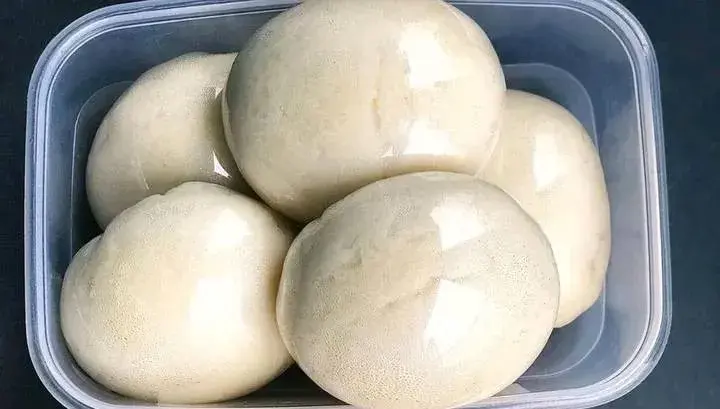
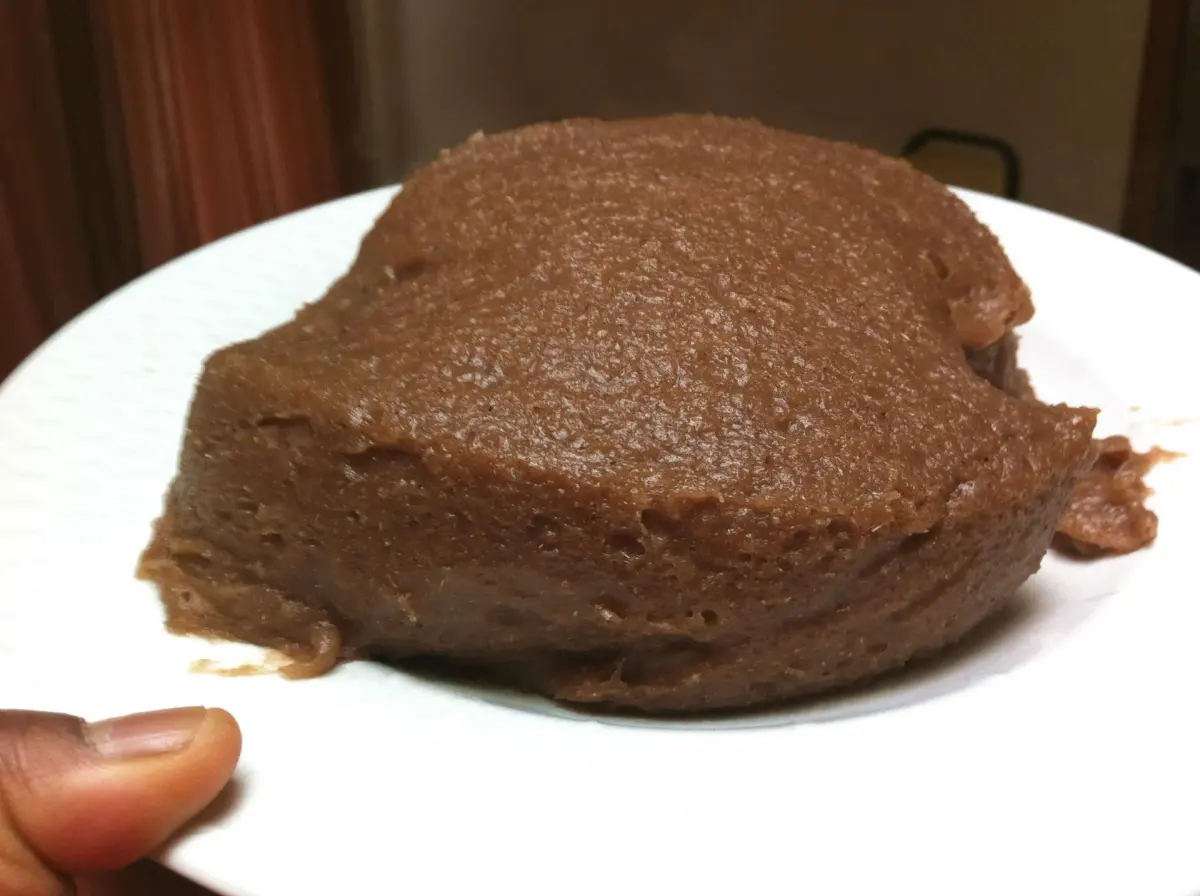
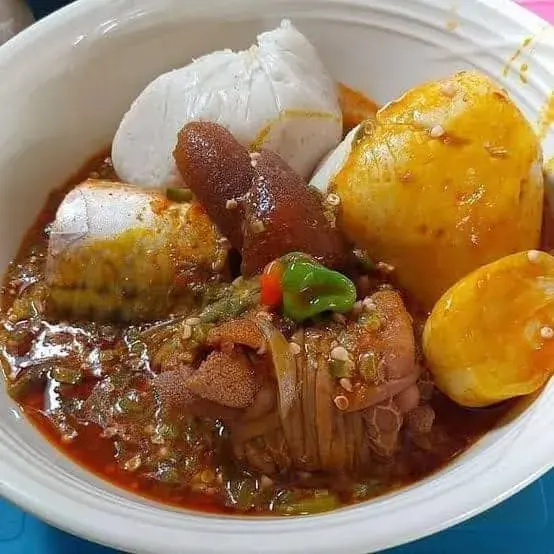
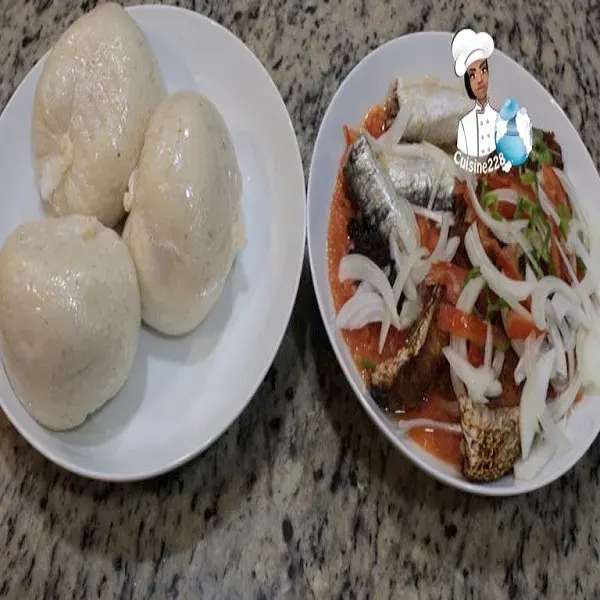
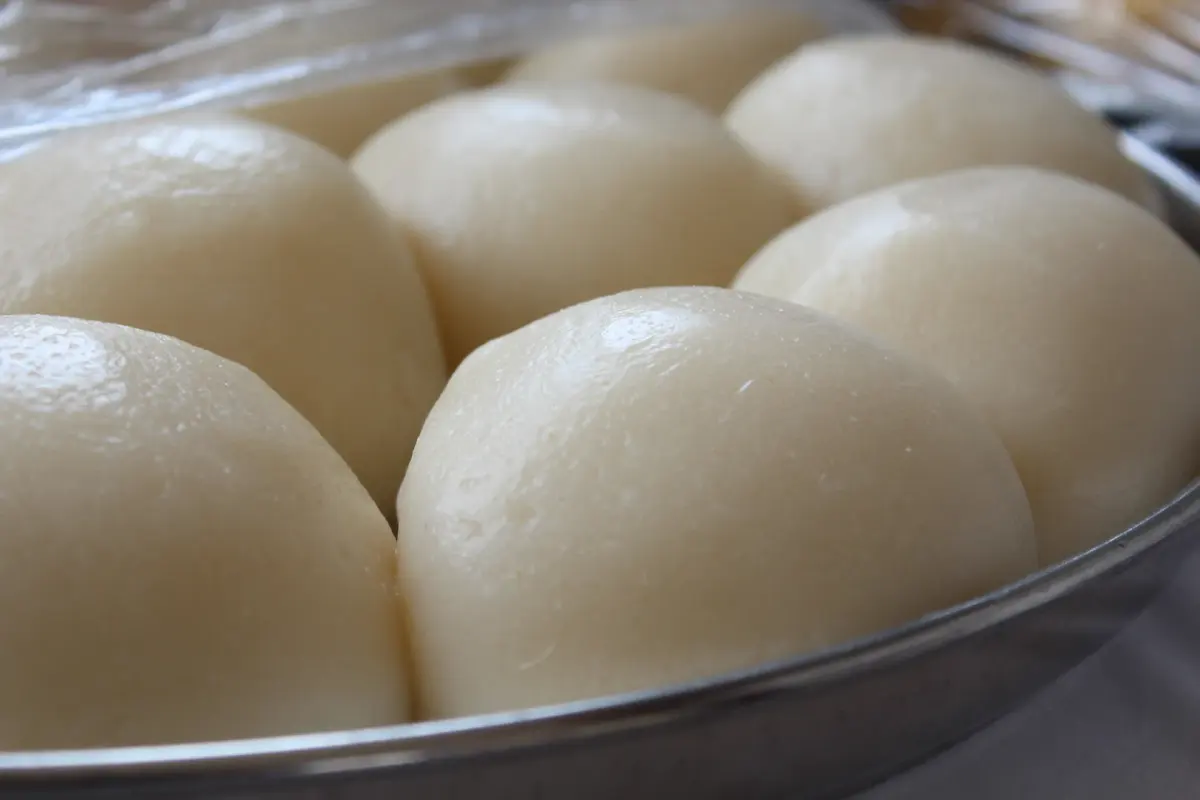
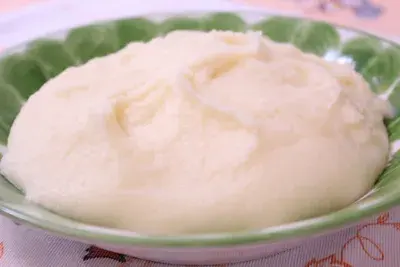
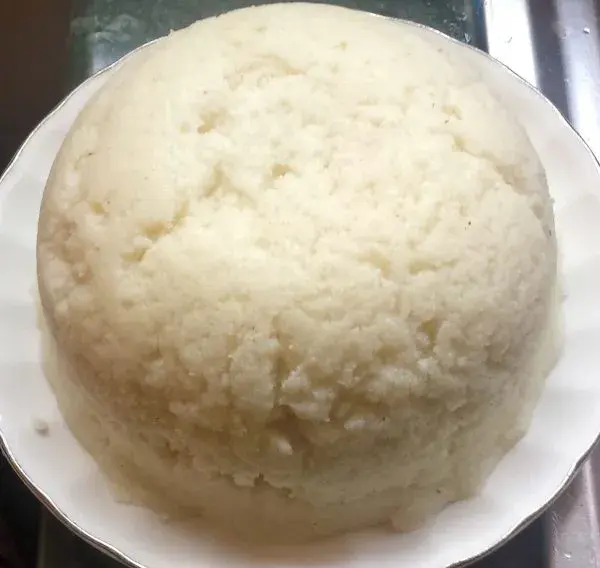
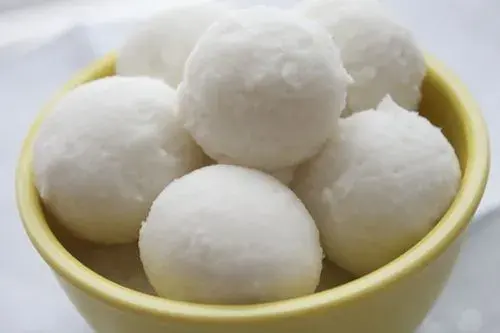
Fufu is a Twi word from the Akan peoples of Ghana, where the dish is believed to have originated. Pounding cooked starch to a smooth, elastic mass is documented across West and Central Africa long before colonial records, first with yams, which have been grown in the West African yam belt for thousands of years.
Cassava and maize arrived later, carried from South America by Portuguese traders from the 16th century. They changed the family completely: cassava gave West Africa eba, placali and Nigerian fufu, and maize gave Ghana banku and kenkey and gave East and Southern Africa ugali, nshima, sadza and pap.
Enslaved West Africans carried the dish across the Atlantic, where it survives in the Caribbean as foofoo in Haiti, cou-cou in Barbados and, in a denser fried-plantain form, mofongo in Puerto Rico.
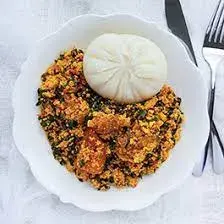
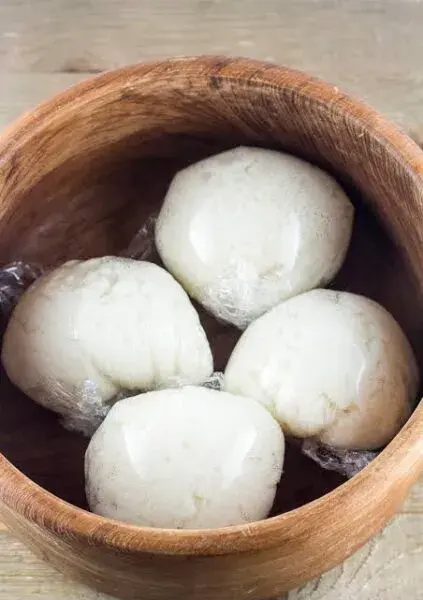
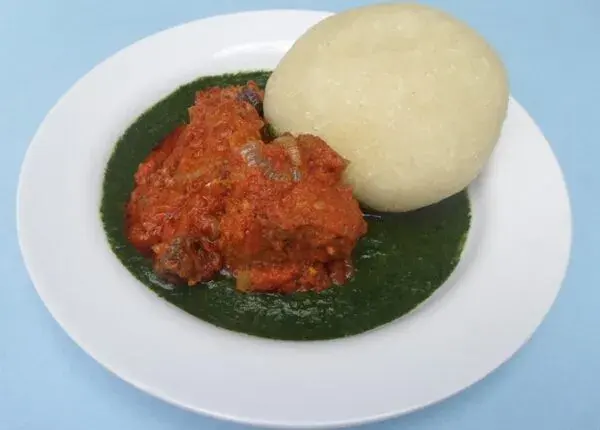
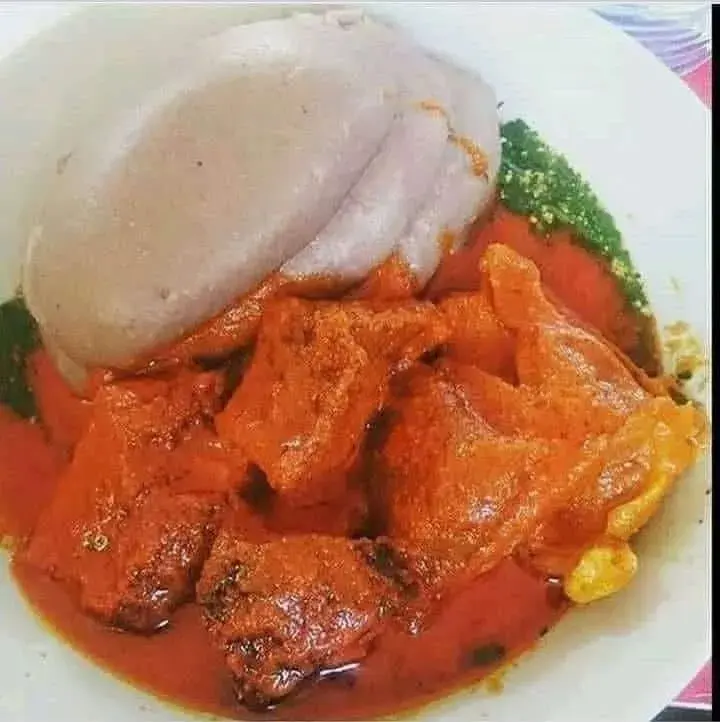
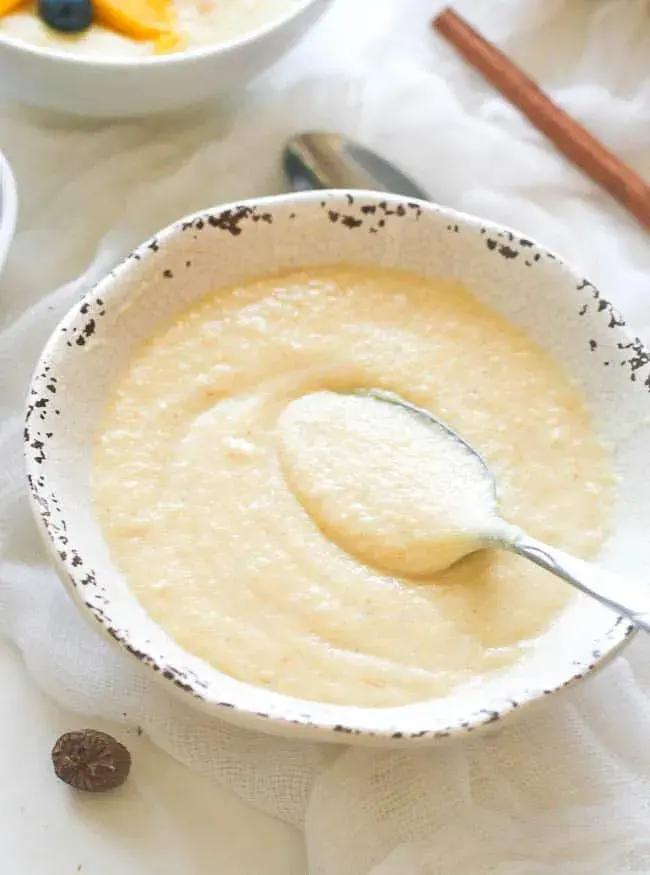
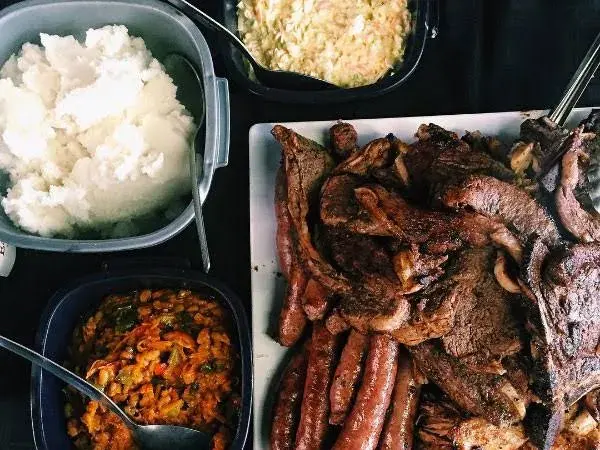
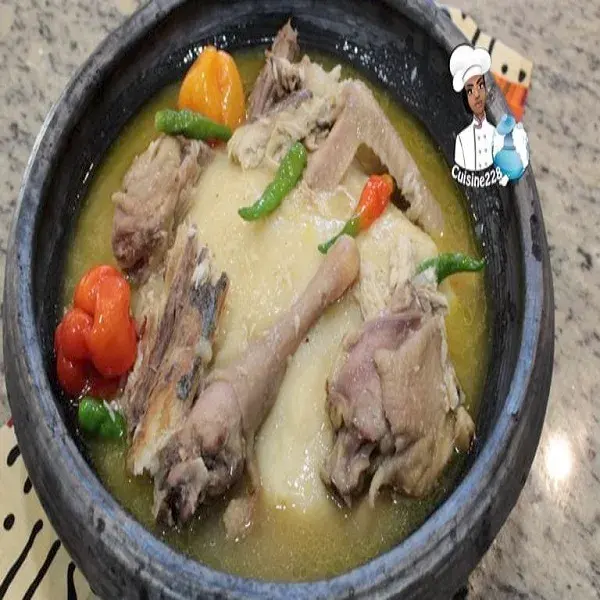
Ingredients & Produce
What does fufu taste like? The taste of fufu varies depending on what is used to make it, but generally, it has a mild, sour, bland, or tart taste. The taste can best be described as potato-like, with a hint of the tropics. Fufu is often eaten with African soup, which is usually
4 min read
Travel & Country Guides
Nigerian swallows are quite typical. It usually involves a soup and a dough-like porridge staple often called "swallow". We call them swallow because you don’t chew these foods, you swallow them. Except you’re one of the exceptions, the people that chew ‘swallow’ foods. I’ve
4 min read
A cooked starch pounded or stirred smooth. In Ghana that is usually cassava with plantain or cocoyam; in Nigeria fufu usually means fermented cassava, while pounded yam, eba (garri) and amala (yam flour) are its cousins. Across East and Southern Africa the same idea is made with maize meal.
Mild. Fresh cassava, yam or maize swallows taste plain and slightly starchy, because their job is to carry the soup. Fermented ones, such as Nigerian cassava fufu, banku, kenkey and placali, are noticeably sour.
Many people don't. A small piece is pinched off, rolled into a ball, dipped in soup and swallowed, which is why Nigerians call the whole family swallow. Chewing it is fine too; there is no rule, only habit.
Pounded yam is one kind of fufu. Ghanaians call it yam fufu, and in Côte d'Ivoire it is foutou. In Nigeria, though, fufu usually means the fermented cassava version, and pounded yam is its own dish.
Almost any West African soup: light soup and palm nut soup in Ghana; egusi, ogbono, okra and efo riro in Nigeria. Each swallow has favourite partners, such as amala with ewedu or banku with okra stew.