4.64.6 out of 5, 5 ratings1 hr 20 min


Cookies on African Food Network
We use essential cookies to make the site work. We would also like to set analytics cookies and advertising cookies, but only if you agree. You can choose each one separately. Read our cookie policy
East African food, day to day, means ugali: the firm maize meal at the centre of the plate in Kenya, Tanzania and Uganda. Around it you'll find sukuma wiki greens, nyama choma grilled meat, chapati, mandazi, pilau rice and matoke, the green cooking banana.
Two kitchens meet in this food. Inland it's maize, beans, greens and meat from the fire, while the coast cooks with coconut and spice. Coconut grows along the Swahili coast, and the Indian Ocean spice trade brought cardamom. Later, Indian migrants brought the chapati, which is now as East African as ugali. Here's each dish, where it comes from, and AFN's recipe for it.
Maize, beans and greens inland; coconut, spice and flatbread on the coast. Each dish below shows which side of the region it comes from.
Kenya
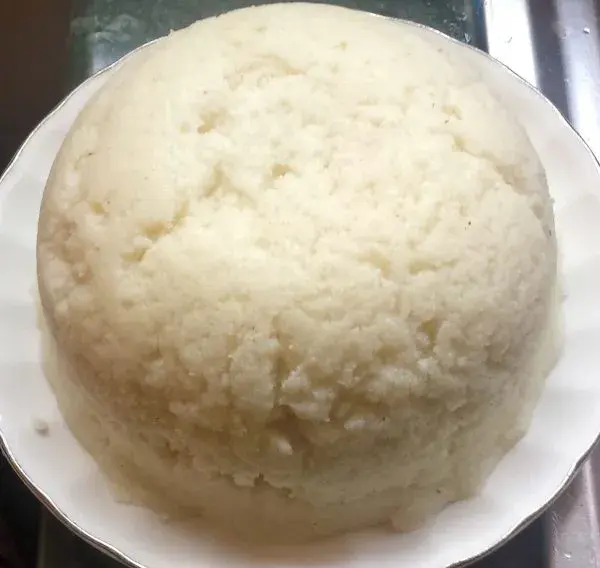
UgaliMade from: White maize meal
Maize meal stirred into boiling water against real resistance until it pulls away from the pot. It isn't meant to have much flavour; its job is to carry the rest of the plate.
Kenya
Sukuma wikiMade from: Collard greens, tomato, onion
Collards added by the handful to softened onion, then tomato and stock, and braised for twenty to thirty minutes. Cheap, filling, and vegan if you cook it with oil and vegetable stock.
Kenya
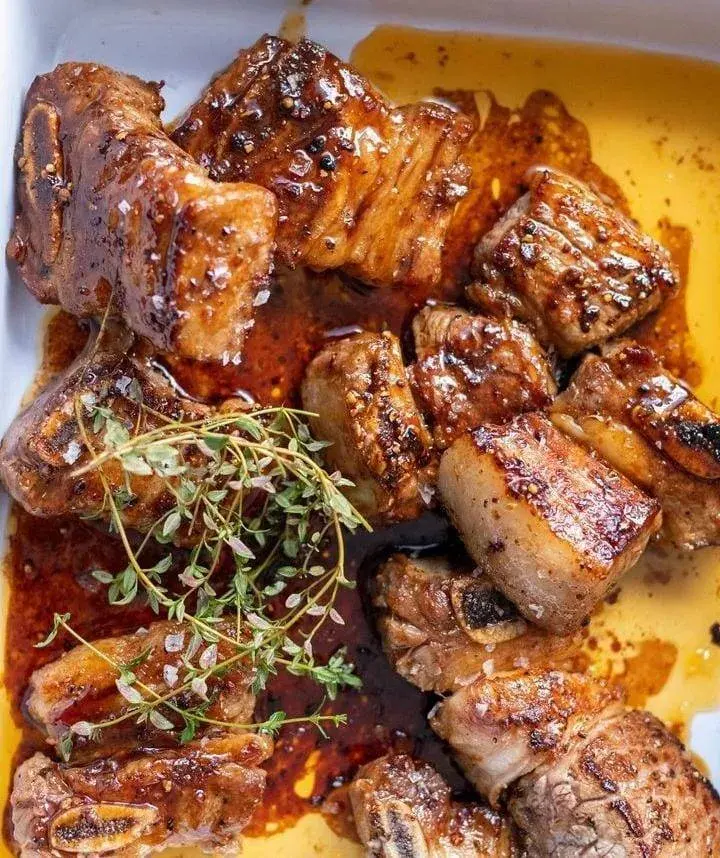
Nyama chomaMade from: Goat meat
Meat roasted slowly over charcoal and pulled from the bone with your fingers, served with ugali and kachumbari. A weekend event more than a weeknight dinner.
Kenya
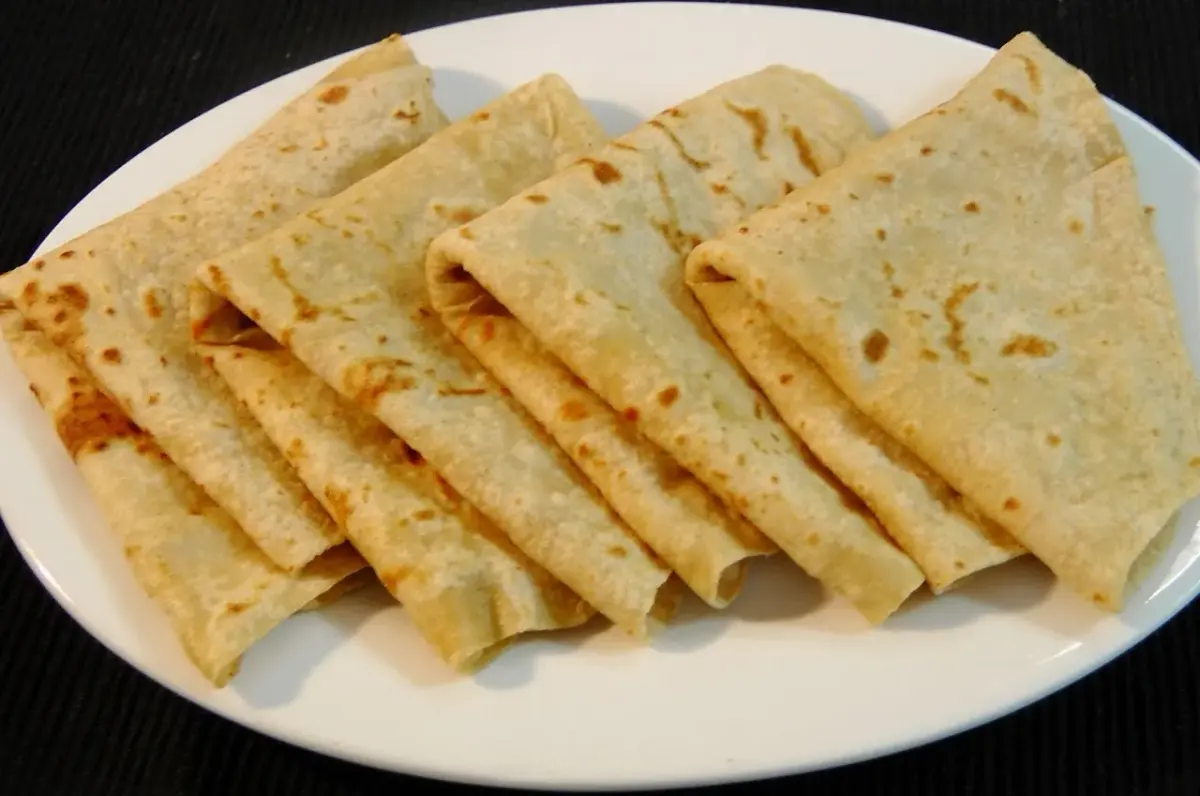
ChapatiMade from: Wheat flour, water, oil
An unleavened flatbread from the Indian subcontinent that East Africa made its own. The dough needs its hour of rest, or it fights back and won't roll thin.
Kenya (Swahili coast)
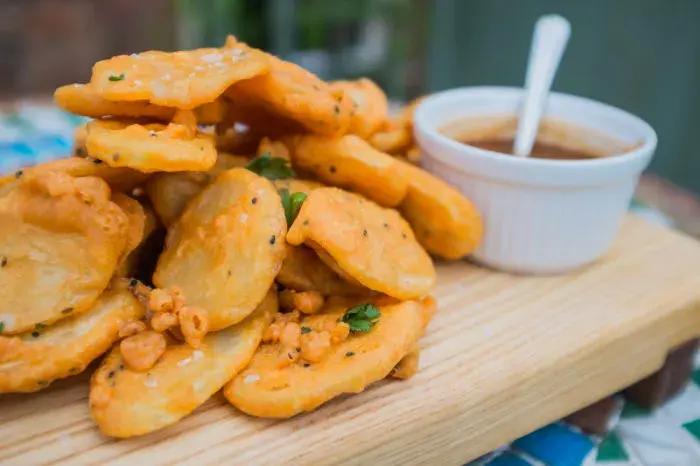
MandaziMade from: Flour, eggs, sugar, cardamom
Fried bread from the coast, usually cut into triangles and fried until puffed and golden. Much less sweet than a doughnut, which is why it works with tea or a bean stew.
Kenya and Tanzania (coast)
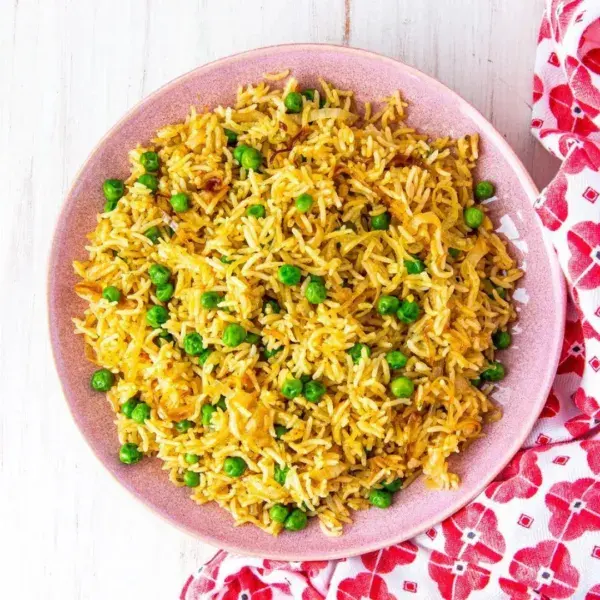
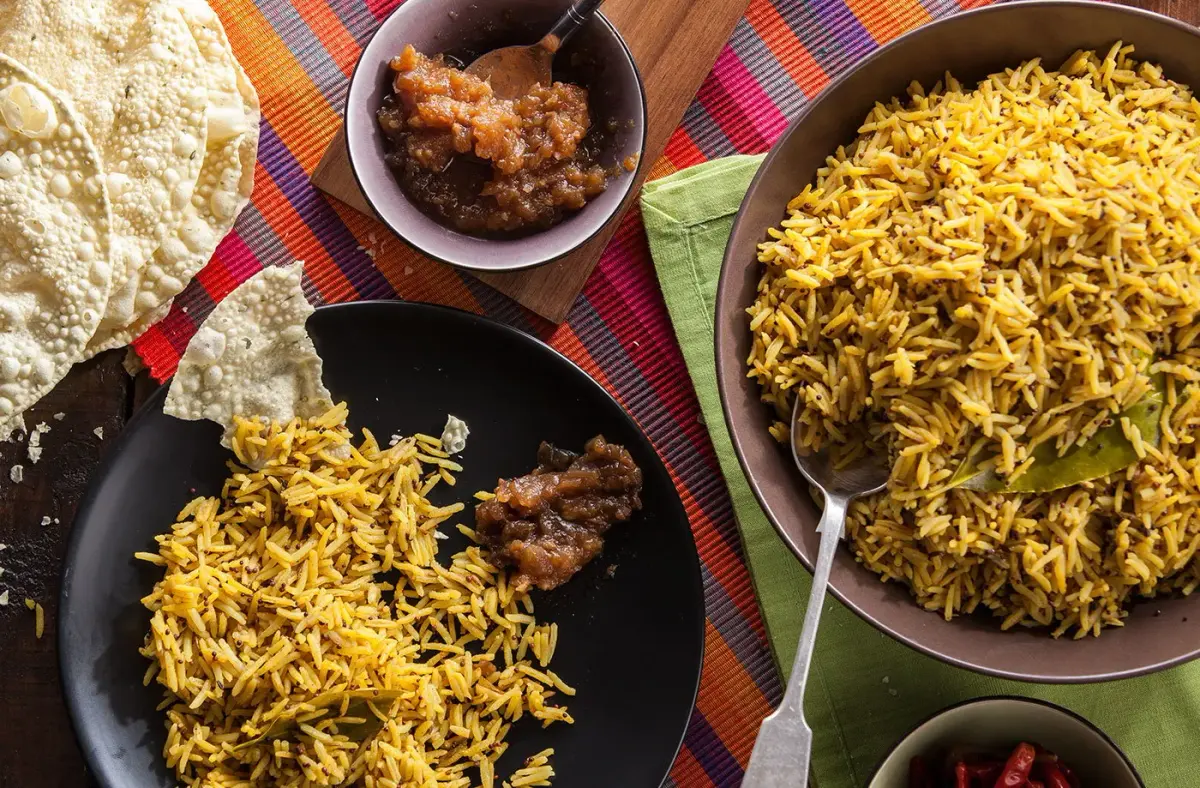
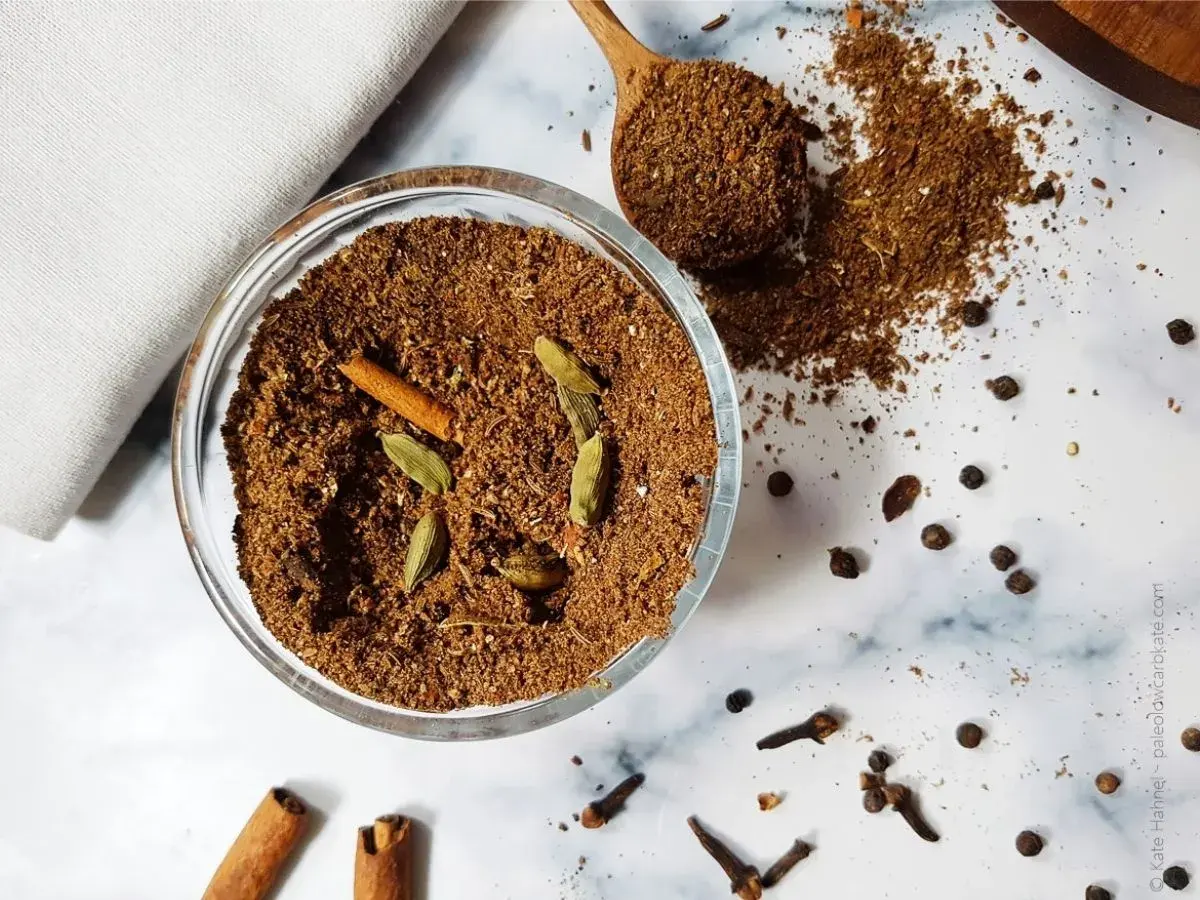
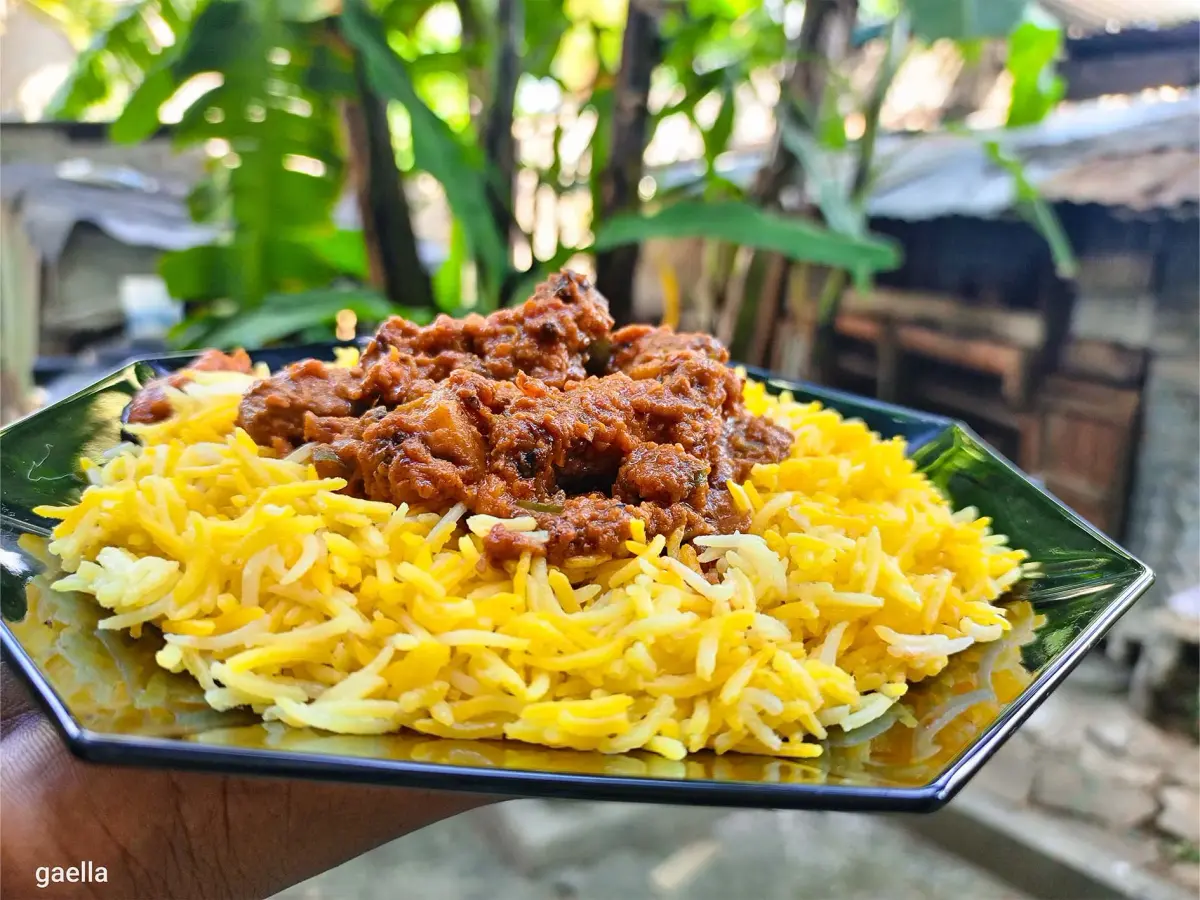
PilauMade from: Basmati rice, whole spices
Rice cooked with cumin, cardamom, cloves, cinnamon and turmeric until every grain carries the spice. AFN's recipe is a meat-free spiced rice; browning the onions is the step that matters.
Uganda
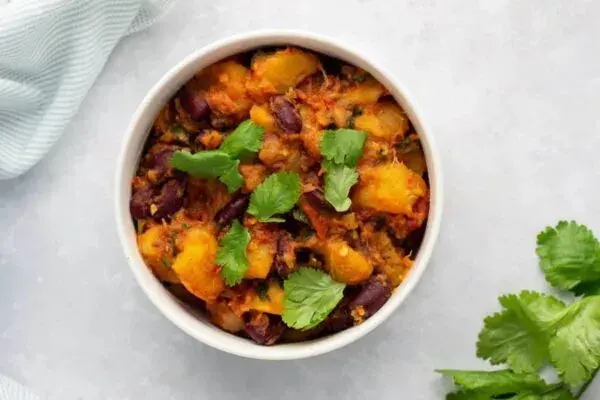
MatokeMade from: Green cooking bananas
Harvested green and starchy, cooked like a potato. The classic Ugandan way steams and mashes them; AFN's recipe is the stewed version, with tomato, chilli and lemon.
Kenya
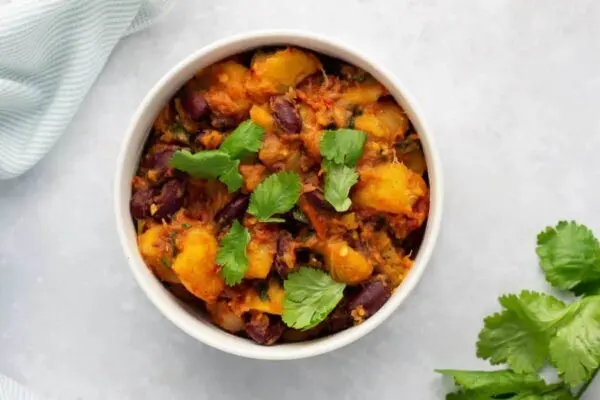
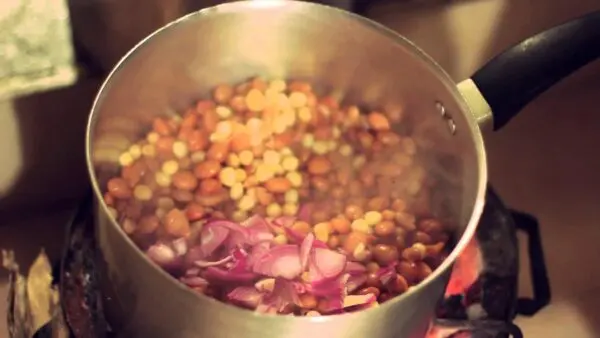
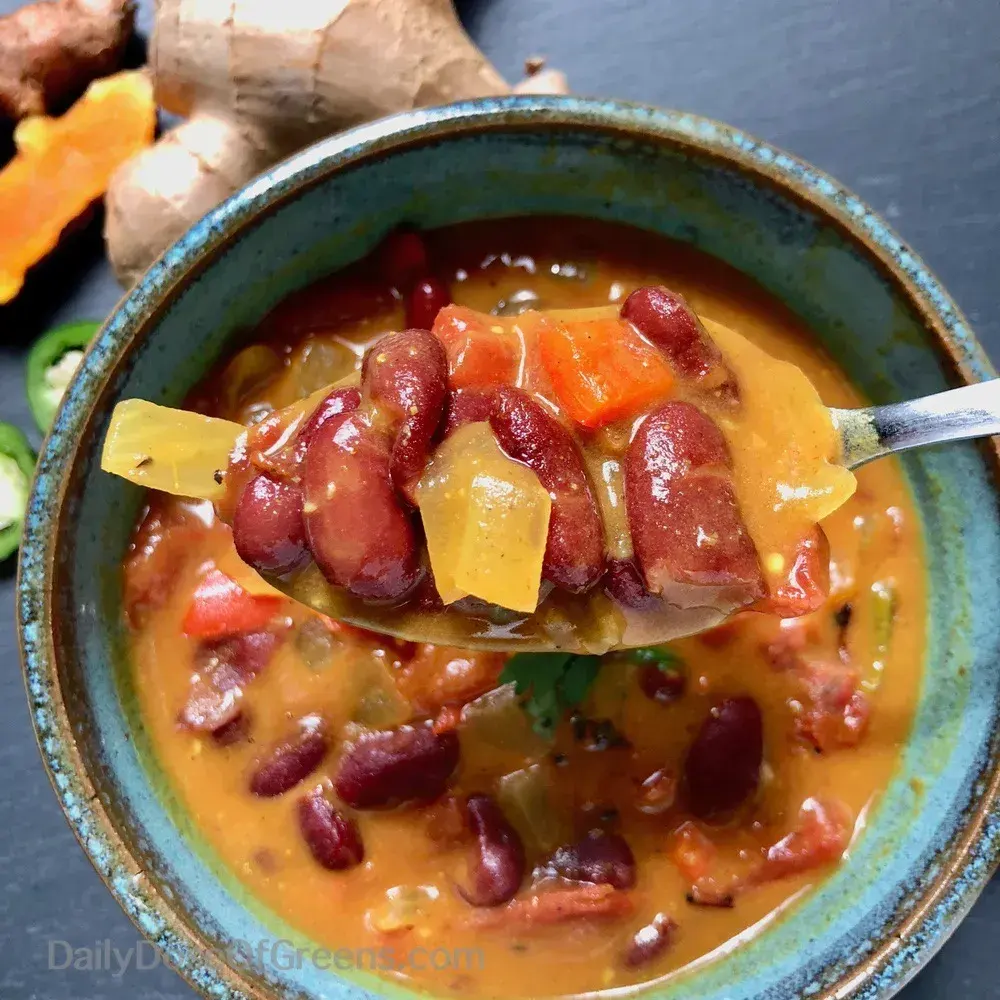
GitheriMade from: Maize and beans
Maize and beans boiled together, the everyday dish of the Kikuyu of central Kenya. Plain and salted at its simplest, often fried up later with onion, tomato and greens.
Uganda
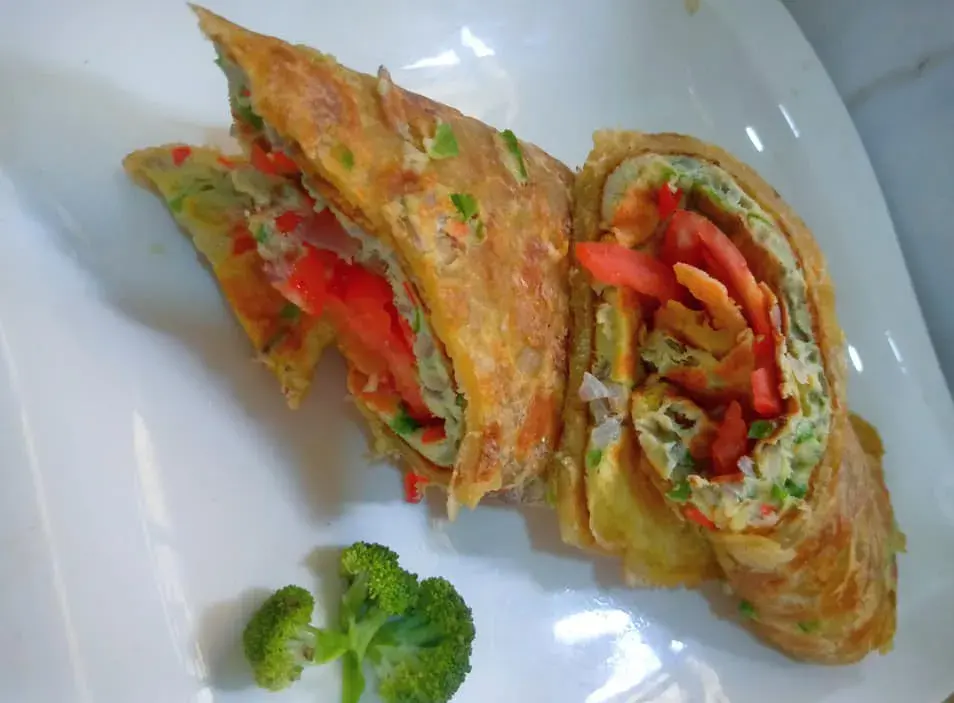
RolexMade from: Chapati, eggs, cabbage, tomato
Rolled eggs, run together into one word: an omelette with vegetables rolled inside a chapati, made to order at a roadside stall.
Tanzania
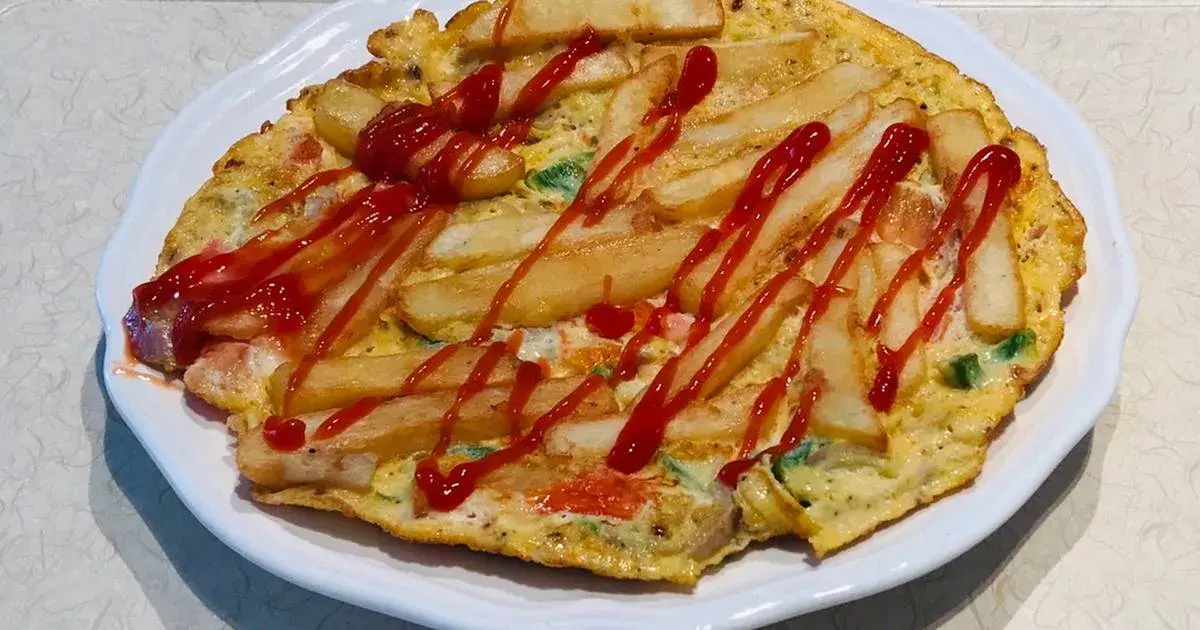
Chips mayaiMade from: Chips and eggs
Chips set into an omelette and cooked as one flat cake, turned once. Swahili for chips and eggs, and a street food eaten at any hour, with kachumbari on the side.
Tanzania (Zanzibar)
Mtuzi wa samakiMade from: Firm white fish, coconut milk
Zanzibar's fish curry: fish in a spiced tomato and coconut sauce, eaten with rice or chapati. Mtuzi means sauce or stew, samaki means fish.
| Country | Version | Made from | What makes it different |
|---|---|---|---|
| Kenya | Ugali | White maize meal | Maize meal stirred into boiling water against real resistance until it pulls away from the pot. It isn't meant to have much flavour; its job is to carry the rest of the plate. |
| Kenya | Sukuma wiki | Collard greens, tomato, onion | Collards added by the handful to softened onion, then tomato and stock, and braised for twenty to thirty minutes. Cheap, filling, and vegan if you cook it with oil and vegetable stock. |
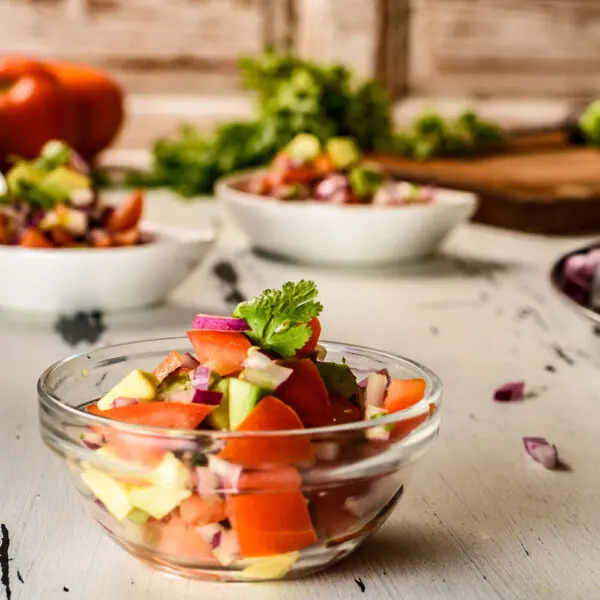
| Kenya | Nyama choma | Goat meat | Meat roasted slowly over charcoal and pulled from the bone with your fingers, served with ugali and kachumbari. A weekend event more than a weeknight dinner. |
| Kenya | Chapati | Wheat flour, water, oil | An unleavened flatbread from the Indian subcontinent that East Africa made its own. The dough needs its hour of rest, or it fights back and won't roll thin. |
| Kenya (Swahili coast) | Mandazi | Flour, eggs, sugar, cardamom | Fried bread from the coast, usually cut into triangles and fried until puffed and golden. Much less sweet than a doughnut, which is why it works with tea or a bean stew. |
| Kenya and Tanzania (coast) | Pilau | Basmati rice, whole spices | Rice cooked with cumin, cardamom, cloves, cinnamon and turmeric until every grain carries the spice. AFN's recipe is a meat-free spiced rice; browning the onions is the step that matters. |
| Uganda | Matoke | Green cooking bananas | Harvested green and starchy, cooked like a potato. The classic Ugandan way steams and mashes them; AFN's recipe is the stewed version, with tomato, chilli and lemon. |
| Kenya | Githeri | Maize and beans | Maize and beans boiled together, the everyday dish of the Kikuyu of central Kenya. Plain and salted at its simplest, often fried up later with onion, tomato and greens. |
| Uganda | Rolex | Chapati, eggs, cabbage, tomato | Rolled eggs, run together into one word: an omelette with vegetables rolled inside a chapati, made to order at a roadside stall. |
| Tanzania | Chips mayai | Chips and eggs | Chips set into an omelette and cooked as one flat cake, turned once. Swahili for chips and eggs, and a street food eaten at any hour, with kachumbari on the side. |
| Tanzania (Zanzibar) | Mtuzi wa samaki | Firm white fish, coconut milk | Zanzibar's fish curry: fish in a spiced tomato and coconut sauce, eaten with rice or chapati. Mtuzi means sauce or stew, samaki means fish. |
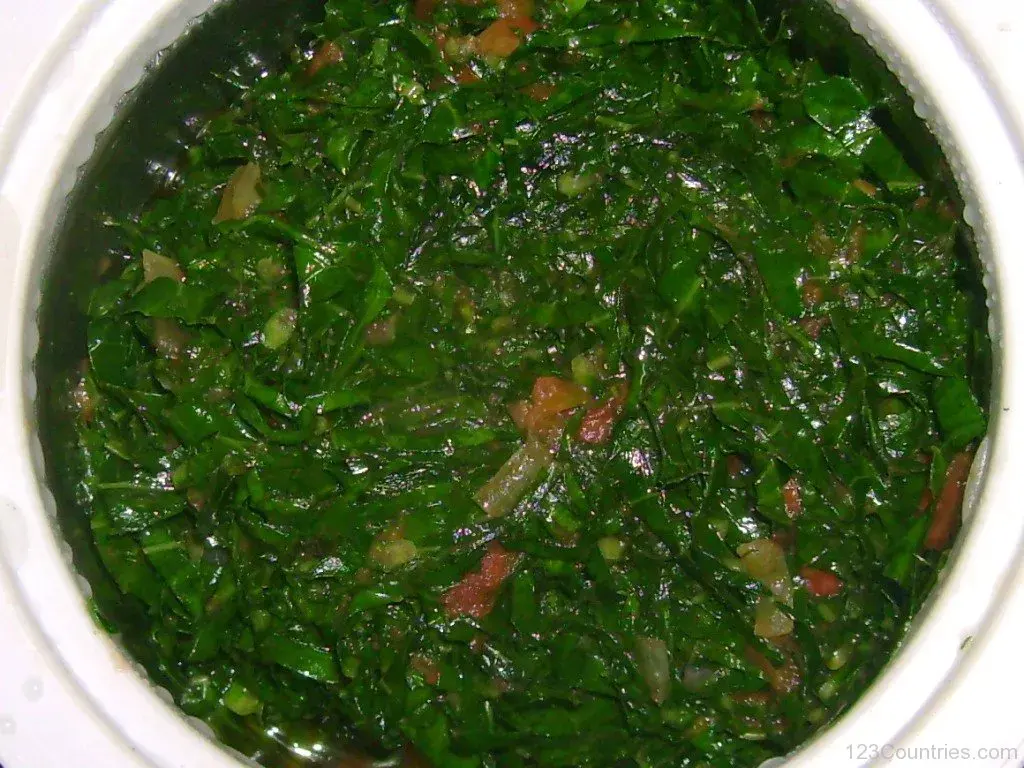

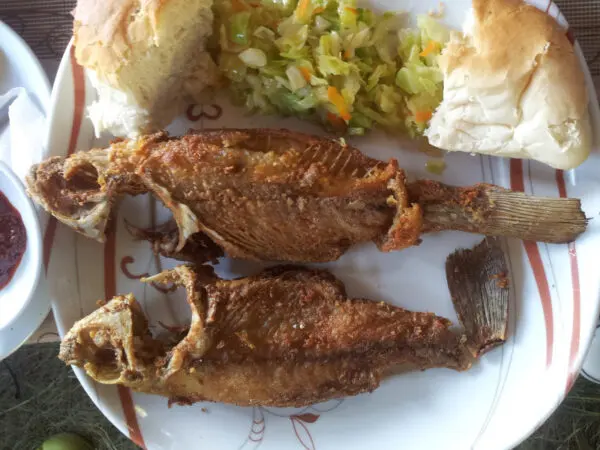
Ugali sits at the centre of the everyday plate. The word is Swahili, and the same stiff maize meal is called posho in Uganda, nsima in Malawi, sadza in Zimbabwe and pap in South Africa. You roll a lump into a ball with your right hand and dip it into greens or stew. Those greens are very often sukuma wiki, collards cooked with onion and tomato. Sukuma is Swahili for collards, and the dish's name means push the week, because the greens are cheap enough to stretch the household budget.
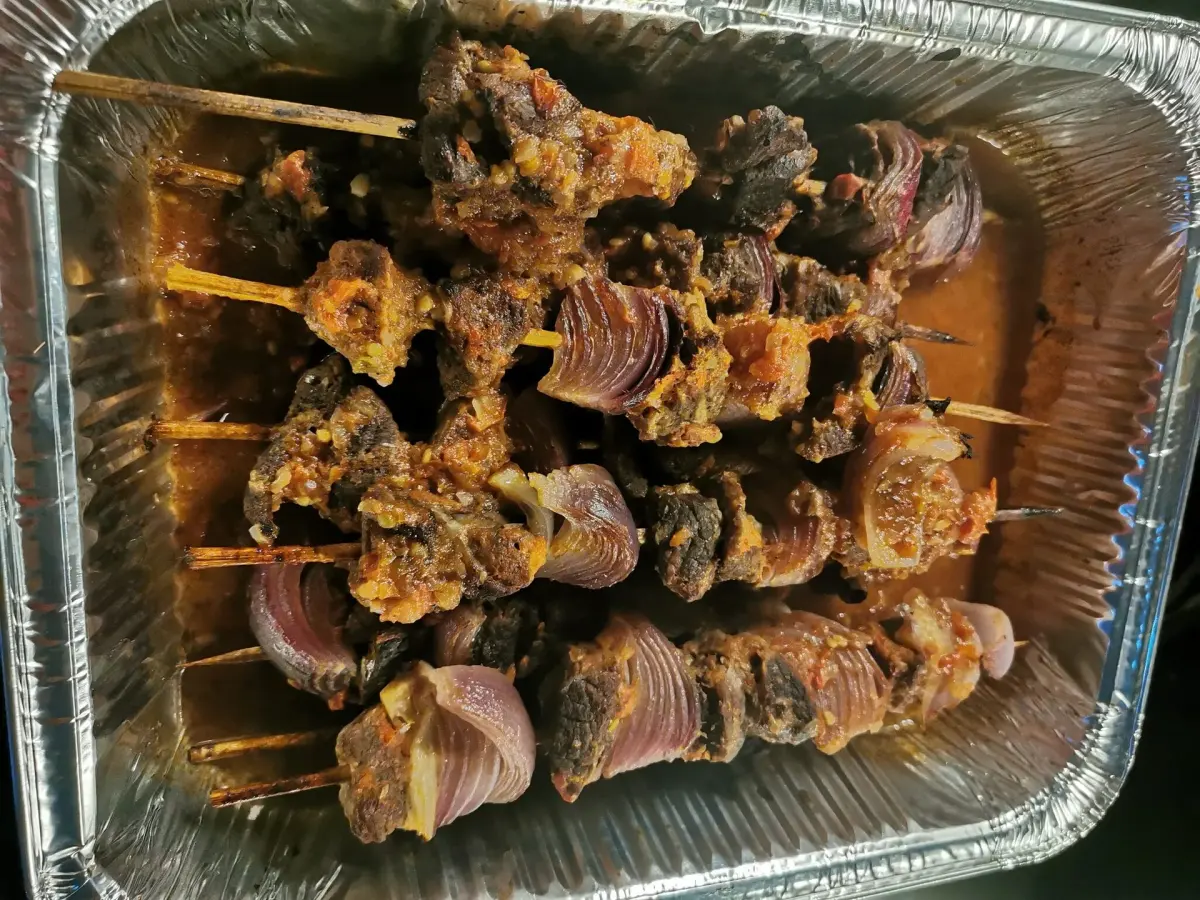
Nyama choma means barbecue meat in Swahili, and it's especially loved in Kenya and Tanzania. In Kenya goat is the usual choice, and beef is common too. In Uganda and Rwanda, matoke counts as a national dish: green cooking bananas from the Great Lakes, steamed in their own leaves and mashed.
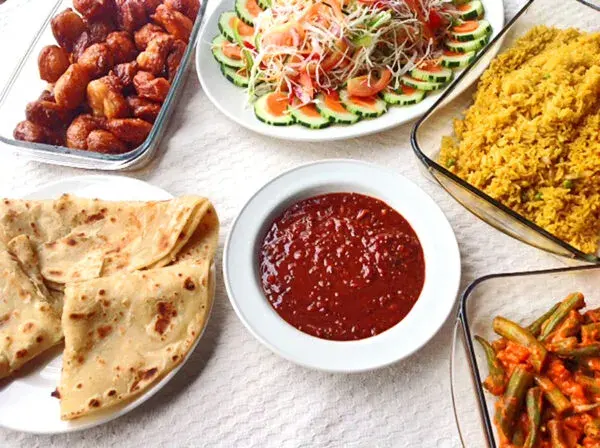
Down on the coast the cooking changes. Mandazi, the fried bread sometimes made richer with coconut milk, began on the Swahili coast of Kenya and Tanzania. Chapati came with migrants from the Indian subcontinent, including labourers who built the colonial railways in Kenya and Uganda. It's ordinary East African food now, eaten with tea and stews, and in Uganda it's rolled around an omelette as the rolex.
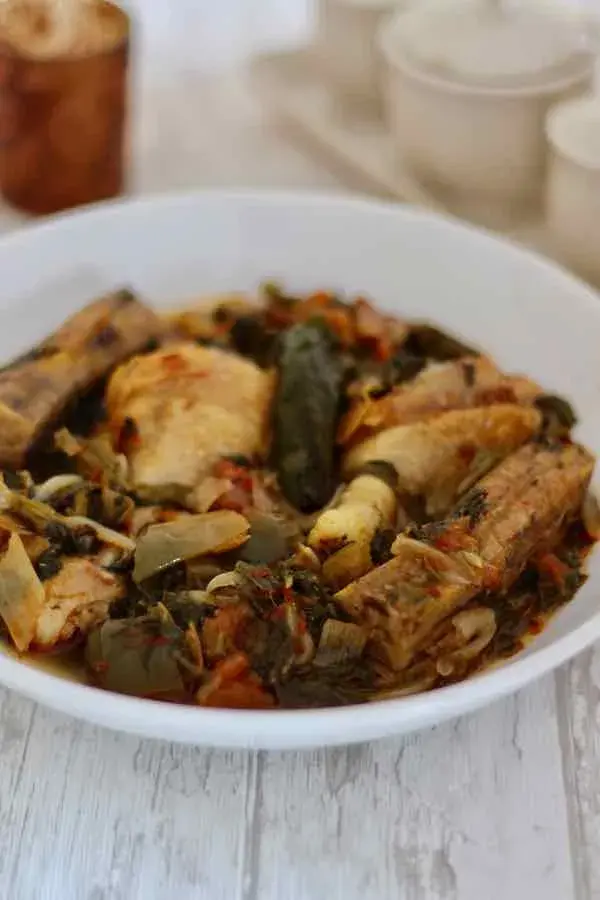
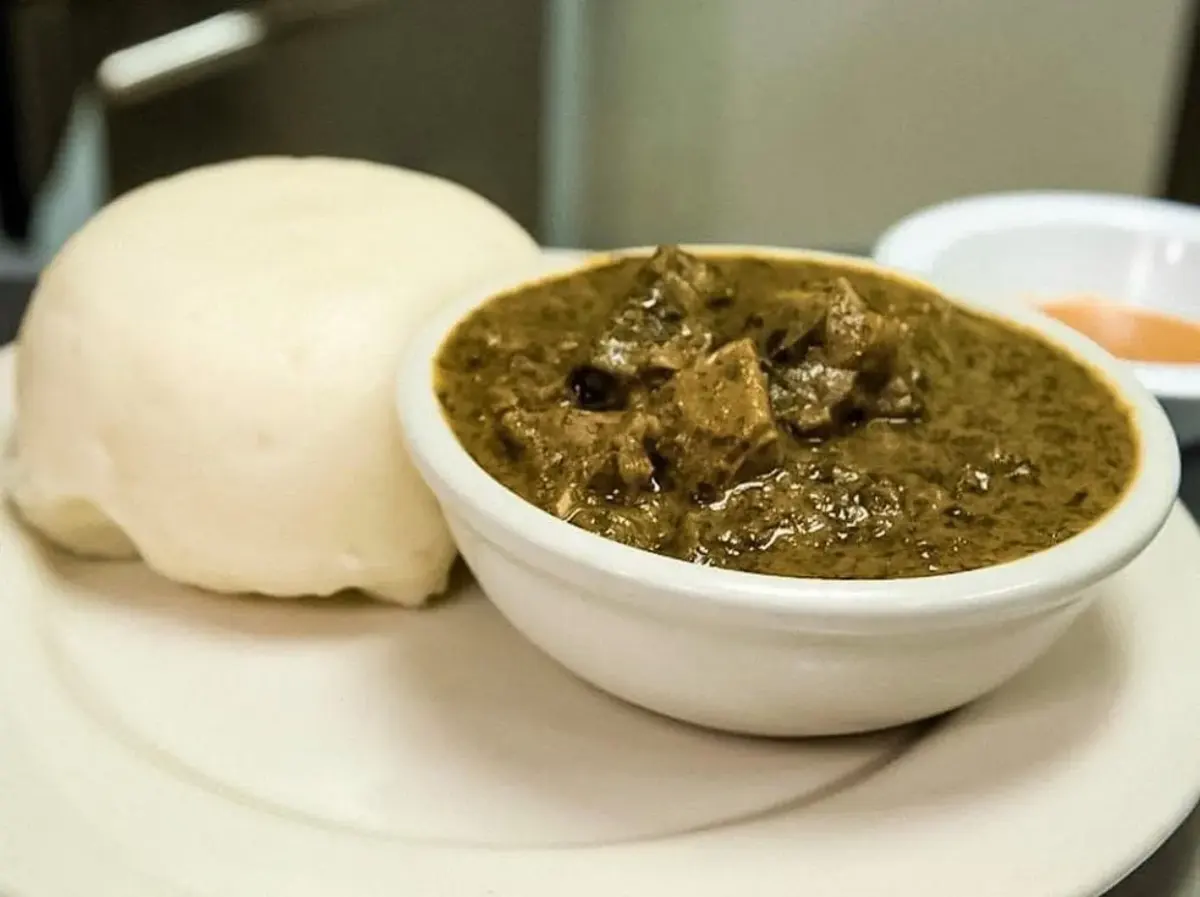
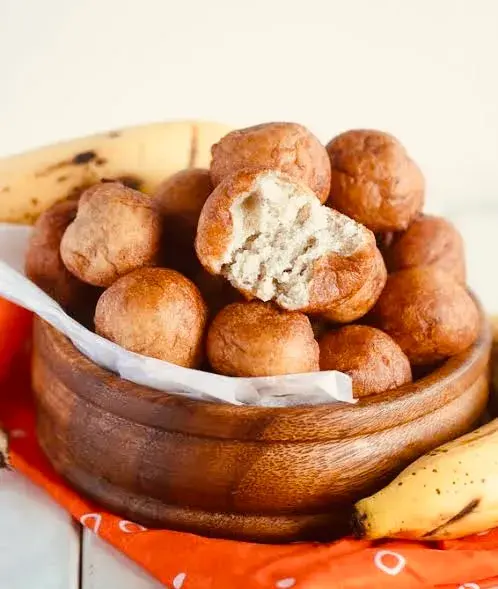
Heritage & Origins
Ugali, nyama choma, mshikaki, pilau, ndizi na nyama, Zanzibar pizza and chipsi mayai: the Tanzania food to try, plus the country's national dish.
15 min read
Travel & Country Guides
Kenyan food you should try, from ugali, nyama choma and sukuma wiki to pilau, githeri, mandazi and chips mayai, plus Kenya's national dish and breakfast.
16 min read
Travel & Country Guides
Matooke, luwombo, posho, the rolex, katogo and groundnut sauce: the Ugandan food to try, plus the national dish of Uganda and what locals eat each day.
12 min read
White maize meal and water, sometimes with a little salt. It's stirred over heat until it's stiff enough to hold its shape, then eaten by hand with greens, stew or grilled meat. Sorghum, millet and cassava flour are used the same way in some areas.
Push the week, or stretch the week, in Swahili. Sukuma is also the Swahili name for collard greens, and the dish earns the name because the greens are cheap and filling enough to make the household's money last.
Ugali, sukuma wiki and nyama choma, the grilled meat eaten with ugali and kachumbari at weekend gatherings, along with chapati, githeri and pilau.
Both, in a way. Chapati came from the Indian subcontinent with migrants, including labourers on the colonial railways; in Kenya it probably arrived in the late 19th or early 20th century. East Africa adopted it completely. In Kenya, Uganda and Tanzania it's eaten with tea, stews and beans, and Uganda wraps it round an omelette to make a rolex.
Mahamri, or mamri, is the name usually given to mandazi made with coconut milk, which makes it a little sweeter and richer. Both are fried breads from the Swahili coast, eaten with tea.
A cooking banana. Matoke is a group of starchy bananas from the African Great Lakes, picked green and cooked rather than eaten raw, a lot like plantain. The steamed and mashed dish is considered a national dish in Uganda and Rwanda.