Mtuzi Wa Samaki
Overview
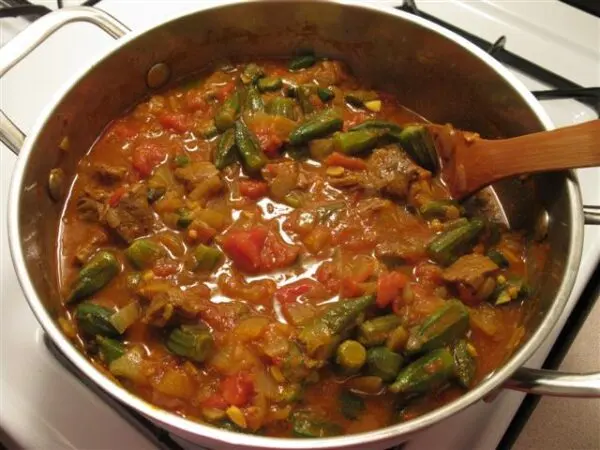
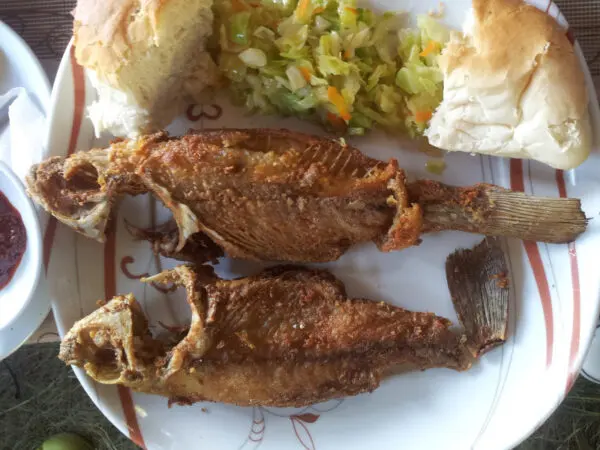
Mtuzi wa samaki is a Zanzibari fish curry, fish cooked in a spiced tomato and coconut sauce, and one of the clearest dishes to point at when explaining what Zanzibar's food actually is. The island sat at the centre of Indian Ocean trade for centuries, and the spice routes running from India passed directly through it. Zanzibar became a spice producer in its own right, cloves above all, and the Indian influence on its cooking is not a borrowing but a component of it. Mtuzi wa samaki is built on that: cumin, coriander, turmeric and chilli applied to local fish and local coconut. The name is Swahili, mtuzi is a sauce or stew, samaki is fish. Firm white fish is what the dish wants, because it needs to hold together in the sauce. Kingfish and snapper are common on the island; anything firm works elsewhere. It has spread from Zanzibar along the East African coast and is now cooked widely in coastal Kenya and Tanzania. Served with rice or with chapati, both of which arrived by the same trade routes as the spices.
AFN Heritage Note
Mtuzi wa samaki originates on Zanzibar, whose position on Indian Ocean spice routes from India shaped its cuisine. Mtuzi means sauce or stew and samaki means fish in Swahili.
Ingredients
Dietary tags are provided by contributors as a guide, not verified by AFN, and they depend on the products you buy. If you have a serious allergy, check every ingredient yourself. Cooking, allergies and your own judgement
Directions
- 1
Heat the oil over medium-high flame in a large skillet or pot.
- 2
Season the fish with salt and pepper. Sear the fish fillets on both sides and remove to a plate.
- 3
Reduce the heat to medium and add the onions and peppers.
- 4
Sauté until the onion is translucent.
- 5
Add the garlic and sauté 1 or 2 minutes more.
- 6
Add the tomatoes, coconut milk, garam masala or curry powder, tamarind paste or lemon juice, salt and pepper.
- 7
Bring to a boil, then reduce heat to low and simmer for 6 to 8 minutes.
- 8
Add the fish fillets, cover and continue to simmer until the fish is cooked through, from 5 to 8 minutes more.
- 9
Serve with rice, ugali, boiled potatoes, boiled cassava, or chapati.
Africook’s Notes
- Use firm white fish. Soft fish disintegrates in the sauce and the dish becomes a mess.
- Sear or fry the fish separately and add it near the end rather than simmering it through.
- Toast the ground spices in oil briefly before the tomato goes in, it removes the raw dusty note.
- Keep the coconut milk at a gentle simmer so it does not split.
Questions cooks ask
Why is there Indian spicing in a Tanzanian dish?
Because Zanzibar sat at the centre of Indian Ocean trade for centuries, on the routes running from India, and became a major spice producer itself. Indian cooking is not an outside influence on Zanzibari food so much as one of its constituent parts, alongside African and Arab traditions. The spicing in this dish is native to the island's cuisine.
Which fish should I use?
Something firm that holds together, kingfish and snapper are common in Zanzibar. Elsewhere, cod, halibut, monkfish or any firm white fish works. Avoid delicate flaky fish, which breaks apart in the sauce and turns the dish cloudy.
What is it served with?
Rice or chapati, both standard on the Swahili coast. Chapati arrived along the same trade routes as the spices and is now thoroughly part of coastal East African eating, so serving an Indian-influenced curry with it is entirely consistent rather than a fusion.
Reviews
Be the first to rate this recipe
Cooked it? Your rating helps the next person decide whether to try it.
No reviews on this one yet. If you have cooked it, yours would be the first.