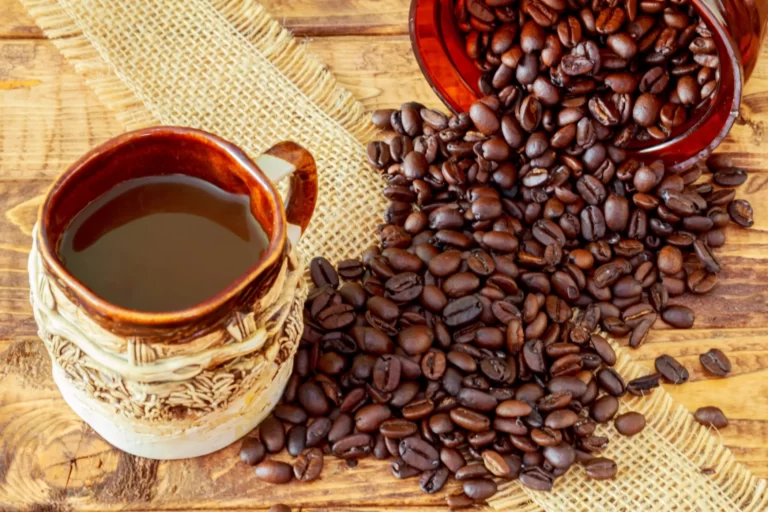
Sudanese Coffee

0

Sudan has several distinct beverages, one of which is coffee. Sudanese coffee is a traditional, flavorful blend of Sudanese and Ethiopian beans.

Sudanese coffee has been consumed for centuries by Sudanese people, who have traditionally ground their own coffee at home or at work using a mortar and pestle.

Sudanese coffee is typically brewed strong and very sweet, and is served black with no cream or sugar.

Origin of Coffee in Sudan

For centuries, coffee has been a popular beverage all over the world. And it comes from East Africa! Sudan, along with Ethiopia and Kenya, was one of the first countries where humans enjoyed wild coffee plants.

According to legends, goats were the first to try coffee. But, even if we didn’t discover it first, we humans certainly perfected the art of coffee, and only a few places can boast of better coffee than Sudan.

Despite years of strife and painful civil conflict, Sudan has managed to keep its coffee tradition alive in the modern era, where coffee and coffee culture have continued to evolve and grow.

Because of Sudan’s long and painful conflict, resources, proper harvesting and processing techniques, and viable farming space were all in short supply. However, with the assistance of Nestle and various non-governmental organizations, Sudan is now able to cultivate and export coffee, adding another source of economic momentum to its roster in addition to oil.

The country can move forward to a brighter and more peaceful future by diversifying its exports and improving coffee cultivation and production methods and know-how in the south of Sudan.

How To Make and Serve Sudanese Coffee The Traditional Way

Guhwah, a special coffee brew from Sudan, is prepared and served in a traditional red clay carafe known as a jebena. And each brewing of Guhwah is preceded by a special “coffee ceremony.”

The ritual or ceremony begins with freshly roasted coffee beans over an open flame. And, while the debate over whether burr or blade grinders are superior in the coffee world continues, in Sudan, beans are ground with a mortar and pestle.

The grinds are placed in a red clay pot or jar and simmered with other spices and herbs. Typically, the spices of choice are cardamom, black pepper, and ginger.

Kawari (Sheep’s hooves stew)

0

Kawari is said to be Sudan’s best and most popular soup. Its main ingredient, in addition to vegetables and spices, is sheep’s hooves.

How To Prepare Kawari

Kawari is a popular soup that is simple to make by tossing all ingredients into a large pot or pressure cooker. Kawari’s main ingredient is sheep or cattle hooves that have been cooked until tender.

Green chilies, ginger, salt, whole black pepper, cinnamon sticks, cloves, coriander, cardamom, garlic, and vinegar are common spices.

Some Suggestions Amazon links to “Nishiki Medium Grain Rice “.

Nishiki Medium Grain Rice

Project Overview Docs Banner in Light Green Blue Vibrant Professional Style 1

Kawari (Sheep’s hooves stew)

Sudanese Recipes on Facebook
Servings 0

Ingredients
  

  • 2 pairs skinned hooves
  • Cardamoms
  • Cloves
  • Coriander powder
  • 1 onion
  • 1 clove garlic
  • Green chillies
  • Whole ginger
  • Salt
  • Vinegar
  • Whole black pepper
  • Cinnamon sticks

Instructions
 

  • In pressure cooker put all ingredients and cover with water
  • Cook till hooves are tender.
Tried this recipe?Let us know how it was!

Miris (Sudanese lamb fat stew)

0

Miris is an intriguing dish made with onions, dried okra, and sheep’s fat. Other vegetables, such as eggplant and potatoes, may also be included. It is served with Aseeda porridge. If porridge isn’t your thing, try it with Sudanese flatbread.

Traditional Background of Miris (Sudanese lamb fat stew)

Lamb and sheep fats are used in a variety of North African, Middle Eastern, and Lebanese dishes, but if lamb fat is too daring, use pork fatback or beef fat instead. If you really want to stay on the mild side of things, use olive oil instead of lamb fat.

Sudanese meals are centered on a large, communal dish of meat, vegetables, salad, stews, and sauce dishes. Meals are always eaten with the right hand, with flat bread or a stiff porridge called asida or kisra.

the african gourmet
Cook Time 30 minutes
Servings 4

Ingredients
  

  • 3 cups peeled diced cassava
  • 1 large onion chopped
  • 2 cups frozen okra
  • 2 teaspoons lamb fat
  • 2 cups vegetable stock or water
  • Salt to taste

Instructions
 

  • In a large fry pan over medium high heat add fat and onions cook until translucent. Add remaining ingredients, cover and simmer until cassava is soft about 10 minutes. Serve warm as a stew or over rice.
Tried this recipe?Let us know how it was!

Moukhbaza (Mashed banana paste)

0

Moukhbaza is a traditional Sudanese dish from the east. This unique dish combines two wildly different flavors: sweet and spicy.

Moukhbaza is made with mashed ripe bananas and hot peppers. Sudanese cuisines favor this sweet and spicy combination. Sweet, ripe bananas come to life when combined with hot, spicy chilies; your taste buds will be at a loss for words. Nibbling on a sweet treat is a truly delectable experience.

Nonetheless, discovering the perfect balance of sweet and spicy in Sudanese Moukhbaza will delight all of your senses. Dried chili peppers add a variety of flavors to Sudanese cuisine.

How To Make Moukhbaza

The dish is made from mashed ripe bananas, lemon juice, and hot peppers.The hot peppers are toasted in the oven after being cut into tiny pieces.

The bananas are mashed and combined with a teaspoon of lemon juice before being topped with dried hot peppers. Larger banana peppers, on the other hand, can be cut in half lengthwise, baked, cooled, and stuffed with mashed bananas.

Some suggestions for Amazon links to “Gerber Natural for Baby Wonder Foods 2nd Foods Baby Food Jar, Banana Blueberry, Made with Natural Fruit & Vitamin C”.

Gerber Natural for Baby Wonder Foods 2nd Foods Baby Food Jar Banana Blueberry Made with Natural Fruit Vitamin CProject Overview Docs Banner in Light Green Blue Vibrant Professional Style 1

Moukhbaza (Mashed banana paste)

the african gourmet
Servings 0

Ingredients
  

  • 4 large very ripe bananas
  • 2 teaspoons lemon juice
  • 5 whole fresh hot chili peppers

Instructions
 

  • Cut your peppers in tiny slivers so it dries out faster. Place single layer on a baking sheet, and then toast them in a 125-degree oven for about 4 hours.
  • Remove peels and place bananas in a bowl. Use a fork or potato masher to mash the bananas well.
  • For each cup of mashed banana, add one teaspoon of lemon juice to prevent browning.
  • In a large bowl add mashed bananas and top with dried hot peppers.
  • For a prettier presentation cut a banana pepper in half lengthwise, bake for 10 minutes on a 325-degree oven, cool peppers slightly and stuff with mashed bananas and serve.
Tried this recipe?Let us know how it was!


Gorraasa

0

Gorraasa is a soft, doughy bread that tastes like a really thick tortilla and is popular in Sudan. The texture is a little more spongy, and the slight elasticity is both addictive and useful for picking up food.

The people of sudan use Gorraasa by placing a round under stewed meats or other entrees, then tearing off bits of bread to pick up the food rather than using utensils.

Gorassa is a bread that will enhance the flavor of your food. Sudanese bread is another name for this flatbread. It is one of Sudan’s two national breads. If you can make this bread, you are truly gifted.

Gorraasa

Global Table Adventure
Servings 4

Ingredients
  

  • 3 cups all-purpose flour
  • 1 tsp baking powder
  • water as needed (2 1/2-3)
  • salt to taste
  • unroasted sesame oil - OR -
  • vegetable oil for cooking

Instructions
 

  • First, whisk the flour, baking powder, water, and salt together into a large bowl. Be sure to use plenty of salt, to ensure a decent flavor.
  • You’re looking for a thick pancake-like batter. If you make it too thin, the bubbles won’t form properly. To fix this, simply stir in a little extra flour.
  • When you’re ready to cook, brush a nonstick skillet with oil, then lade on the batter, spreading it out into a wide circle with the back of the ladle. Let cook over medium heat until the top dries out completely, about 4-5 minutes.
  • You may need to play with the heat to get this right. The key is to not overcook the bottom while the top finishes cooking. To move things along more quickly, you could always cover the pan with a piece of foil or a loose lid.
  • Keep warm under a towel and serve with a smile.
Tried this recipe?Let us know how it was!

Gollash (Sudanese meat pie)

0

Gollash is best described as a traditional Sudanese meat pie. The minced meat is the main component of the dish and it is usually lightly seasoned with salt, pepper, and parsley.

The goal is to preserve the natural flavor of the meat. The meat is pre-cooked before being layered with filo pastry. The top layer is egg-basted.

This pie is a popular dish in most upscale Sudanese restaurants.

What is Gollash Made Of?

Phyllo pastry is used to make goulash, which is filled with ground beef, onions, and warm middle eastern spices. Even though it’s so simple to make, the finished product looks so impressive. The end result is an incredibly crispy exterior and a mouthwatering meat filling for the goulash.

hungry paprikas
Servings 0

Ingredients
  

For the filling

  • 1.5 pounds lean ground beef
  • 1 diced onion roughly 1 cup
  • 1 tablespoon allspice
  • 1 teaspoon cinnamon
  • 1 teaspoon garlic powder
  • 1 teaspoon salt
  • ½ teaspoon black pepper
  • 2 tablespoons olive oil

For the pastry

  • 20 phyllo pastry sheets thawed
  • ¼ cup melted butter
  • ¼ cup melted olive oil
  • 1 cup milk full fat or semi-skimmed
  • 1 egg
  • ¼ teaspoon salt
  • dash of black pepper

Instructions
 

  • Thaw your phyllo pastry ahead of time either overnight in the fridge or for a few hours on your counter. Ensure you have at least 20 sheets of phyllo dough
  • Preheat your oven to 350F
  • Make the meat filling by cooking the diced onion first with a bit of olive oil until softened, which takes about 5-7 minutes
  • Add the meat and brown it until the liquid dissolves, about 10 minutes. Add all the spices and mix well, then set aside
  • Melt the butter and mix with the olive oil. Using a 10" x 6" pan (you can use a slightly bigger pan too, the pie will be slightly less thick which is a matter of preference), brush the bottom with the butter/oil mixture
  • Roughly cut the phyllo dough to fit your pan size. It doesn't have to be exact and its fine if the edges get folded over along the sides (this part will be extra crispy!).
  • Add 2-3 layers of phyllo dough to the pan then brush with the butter/oil mixture. Make sure you're generous and add a good amount. Add the next 2-3 layers and continue brushing every third layer or so until you reach 10 layers minimum on the bottom (a few more is fine)
  • Spoon the meat mixture onto the dough and flatten it with a spoon
  • Repeat the same steps with the top of the pie, adding 2-3 layers and brushing with butter/oil. Stop when you have reached roughly 10 layers on the top as well
  • Brush the top layer with butter/oil and carefully cut the pie into pieces using a sharp knife. Be sure to go all the way to the bottom and go over the cuts a few times
  • Whisk together the milk, egg and salt/pepper and pour over the top of the pie
  • Bake for 45 minutes until golden brown and crispy on top. You can broil it for a few minutes to get it extra crispy as well but stay nearby so it doesn't burn
Tried this recipe?Let us know how it was!


Shahan Ful

0

Shahan ful, also known as just ful, is a breakfast dish popular in Somalia, Ethiopia, South Sudan, Sudan, and other countries in the Horn of Africa.

It is made by gently simmering fava beans in water and is thought to have originated in Sudan.

The beans are crushed into a rough paste after they have softened. In addition to yogurt, feta cheese, olive oil, tesmi, berbere, lemon juice, cumin, and chili pepper, it is frequently served with chopped green onions, tomatoes, and hot green peppers. It is typically consumed with a bread roll and without the use of utensils. It is well-liked during Ramadan and various Lenten seasons. The dish is comparable to the well-known Egyptian dish ful medames.

Shahan Ful

The star
Servings 0

Ingredients
  

  • 1 tbsp vegetable oil
  • 1 small yellow onion minced
  • 1 large clove garlic minced
  • 1 1/2 tsp berbere Ethiopian spice blend
  • 1/2 tsp freshly ground
  • black pepper
  • 1/4 tsp ground cumin
  • 1 can 19 oz/540 mL fava beans (ful medammas), undrained
  • 1 tsp ghee clarified butter; optional
  • 1/4 cup plain yogurt
  • 1 to mato diced
  • 1 jalapeño pepper or fresh green
  • chili with seeds, minced
  • 2 crusty Italian rolls or other white buns optional

Instructions
 

  • In a medium saucepan, heat the oil over medium heat. Add the onion and garlic and cook, stirring often, until softened, about 7 minutes. Add the berbere, black pepper and cumin and cook, stirring, for 1 minute.
  • Add the fava beans, with their juices, and cook, stirring often, for 10 minutes. Reduce the heat to low and cook, stirring constantly, until the mixture is very thick, about 5 minutes. If the fava beans don’t break down, mash them with a wooden spoon. Stir in the ghee (if using), then remove from the heat.
  • Divide the fava bean mixture between 2 bowls. Top each with large dollop of yogurt, a pile of tomato and a pile of jalapeño or chilies. To eat, stir the toppings into the fava beans and eat with a roll (if using).
Tried this recipe?Let us know how it was!

Kisra

0

Kisraalso spelled kissra is a popular thin fermented bread made in Chad, Sudan, and South Sudan. Durra or wheat is used to make it.

Kisra comes in two varieties: thin baked sheets known as kisra rhaheeefa, which is similar to injera, and a porridge known as kisra aseeda or aceda.

Where Does Kisra Originate From?

Kisra has a long history of being a staple food for people in Sudan and neighboring countries, and it is now considered a home-based industry in Sudan.

What is Kisra Made From?

Kisra is a thin pancake-like flat bread made traditionally from naturally fermented sorghum flour; the product’s quality is determined by sorghum genotype, starter quality and age, temperature, time, and consistency.

Kisra fermentation is primarily thought of as lactic acid and yeast fermentation, and the production of organic acids and alcohols is desirable due to their role in the final product’s taste and flavor.

Some suggestions include links to Amazon for “Kisra Serving Platter.”

SMIRLY Charcuterie Boards Gift Set Charcuterie Board Set Bamboo Cheese Board Set Unique Mothers Day Gifts for MomProject Overview Docs Banner in Light Green Blue Vibrant Professional Style 1


Kisra

Global Table Adventure
Servings 0

Ingredients
  

  • 2 cups sorghum flour
  • 1 1/2 cups water plus 1 cup, or as needed
  • 1 cup all purpose flour
  • unroasted sesame see oil or the rendered fat from cow brain

Instructions
 

  • First, find a lovely vista in South Sudan from which to cook, where the green and the rock meets the blue and the cloud.
  • Next, mix the sorghum flour with 1 1/2 cups water and let sit overnight (at least 12 hours).
  • Take a long walk through that misty mountain while you wait.
  • The next day stir in the all purpose flour and last cup of water, to form a thin batter.
  • Ladle some kisra batter into a greased pan over medium heat. Immediately take a credit card or small scraper and, holding it at a 30 degree angle, spread the batter around smoothly. This can take some practice. Feel free to eat the works in progress
  • When the edges begin to curl up like a smile, the kisra is done. This should only take a minute or so.
  • Stack them on a plate and keep warm with a towel. After they cool, they’re quite a bit more sturdy… and are less likely to break or crack… you’ll even be able to bend and curl them
  • Serve the wholesome, snappy kisra with any thick, hearty stew.
Tried this recipe?Let us know how it was!


Aseeda

0

This cooked dough lump made of wheat flour called aseeda or Asida is served with butter or honey, typically.

It is a straightforward but filling dish that is typically eaten with the hands and is frequently consumed on holy days. You should eat this hot, but if necessary, you can reheat it in the microwave. With your fingers is unquestionably the best way to consume it.

Where Does Aseeda Originate From?

Its roots are in the Maghreb. It is a lump of dough made by mixing wheat flour with boiling water, occasionally with the addition of butter or honey. It is primarily eaten in nations in North Africa and has a texture similar to fufu. It is regarded as one of the most well-liked desserts and traditional foods in many Arab nations.

Libya, Algeria, Tunisia, Ethiopia, Eritrea, and the rest of the Middle East are countries where asida is particularly well-liked. It is typically eaten by hand, without the use of utensils, like the majority of the traditional foods of these nations. It is frequently served during religious holidays like Mawlid and Eid, as well as other customary ceremonies like the ‘aqqah, the cutting of a newborn’s hair seven days after birth, and those that accompany childbirth.

One of the earliest recipes for the dish was written in the 13th century, and today, aseeda is eaten for breakfast, dinner, or during traditional festive ceremonies such as the aqiqah, which is celebrated by cutting a baby’s hair seven days after birth. Serve with tagalia sauce or your favorite sauce.

What is Aseeda Made Of?

Aseeda or asida is a moist, pasty dough made of flour, water, yogurt, salt, and sunflower oil that is topped with a rich chicken broth made of cooked chicken, onions, water, salt, pepper, garlic, cardamoms, cumin, and cilantro.

The wheat dough and broth are both served hot, and the dish is traditionally eaten without utensils. Aseeda is eaten from a single bowl and shared communally using only one’s fingers. When preparing the dish, one must be careful and constantly stir it so that no lumps form.

Aseeda

Titli's Busy Kitchen
Servings 0

Ingredients
  

  • 300 g 10 oz plain flour
  • 100 g 3½ oz butter
  • 1 tsp salt
  • Honey or date syrup

Instructions
 

  • Pour 500 ml (16 fl oz) of water into a large pan. Add the salt and 25 g (1 oz) of the butter. Bring gently to the boil. Once it comes to the boil remove from the heat.
  • Sieve the flour and add it to the pan. With a wooden spoon, work the dough until it becomes smooth and free of lumps. It should reach a stage where it is no longer sticky and has the consistency of plasticene.
  • Add 250 ml ( 8 fl oz) of water to the pan and bring it gently to the boil. Break the dough up a little and cook gently for 15-20 minutes stirring occasionally.
  • If all the water has not been absorbed after 20 minutes simply pour off any excess and cook for a few more minutes until there is no sign of any water.
  • Work the dough once more with a wooden spoon until it is smooth. This time it will stay sticky!
  • Melt the remaing butter and put a tbsp or two on a plate. Spread it around them place the sticky dough on top.
  • Fold the edge of the dough from the bottom to the top, turning the plate as you do so. The dough will lose all its stickiness. Once the dough is roughly circular, turn it over and smooth it with your hands.
  • Create a depression in the middle of the dough. Drizzle butter into the depression and over the aseeda. Finally drizzle some honey or date syrup around the outside.
Tried this recipe?Let us know how it was!


Ndomba

Ndomba is a spicy papillote made with either fish, chicken, or pork as the main ingredient.

The result is exceptionally delicious and served with bobolo, plantain, or any tuber of choice.

Ndomba Recipe

This dish is quite easy to make and the spices of this recipe vary depending on which ndomba you cook.

The Fish recipe, for example, takes pèbè (false nutmeg), country onions, white pepper, mesep (wild basilica), garlic, onions, black pepper, akpi grain, and pepper (optional but a key ingredient).

To make, you start by cutting your fish into 2 or 3 slices depending on their size, clean and wash; then soak in salt water.

Next, you finely chop all the condiments. Mix these condiments with 2 sachets of Secret spices, and salt, and add a little oil.

Wash the banana leaves then make 4 packets of ndomba and let it simmer for 20 mins.
Serve with Steamed plantain or pounded plantain.


Be Sure to Try These Other Cameroon Dishes!

Be sure to recreate this incredible delicacy. Enjoy!

Ndomba of fish or chicken

secret-spices
Prep Time 20 minutes
Cook Time 20 minutes
Course Main Course
Cuisine African, Cameroonian
Servings 6

Ingredients
  

  • 2 Kgs fish or chicken
  • 2 sachets Secret Sauce a choice
  • 1 leek big
  • 1 onion
  • 1 plugged celery
  • 2 to matoes big
  • 3 branches basil or masep
  • leaves of joom
  • leaves of banana tree

Instructions
 

  • Cut your fish into 2 or 3 slices depending on their size, clean and wash; then soak in salt water.
  • Finely chop all the condiments.
  • Mix these condiments with 2 sachets of Secret spices, salt and add a little oil.
  • Wash the banana leaves then make 4 packets of ndomba.
  • Let simmer for 20 mins
Tried this recipe?Let us know how it was!

QUICK RECIPES