
Waffle Cookies
Abuja, Nigeria · Voir toutes les recettes
Aperçu
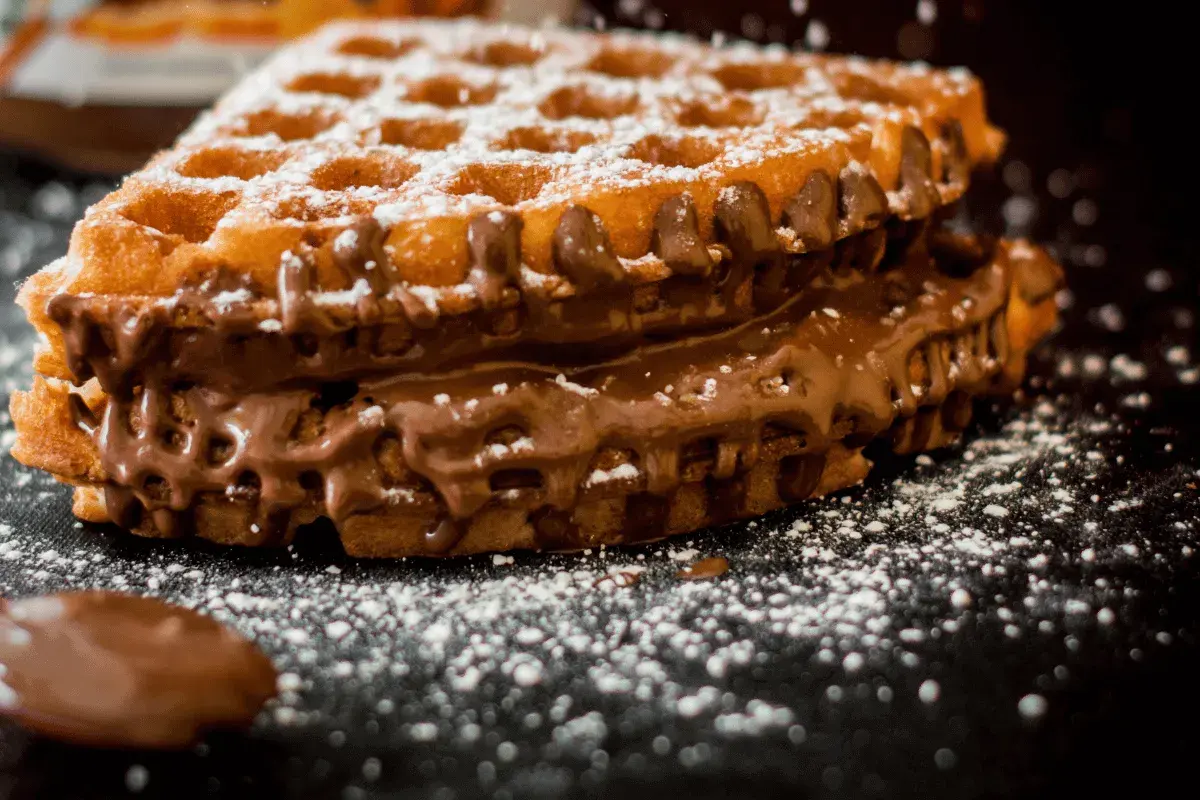
Sugar cookie dough cooked in a waffle iron instead of an oven. No country is claimed; it is a modern shortcut rather than a traditional sweet. The appeal is genuinely mechanical. A waffle iron applies heat from both sides simultaneously and under pressure, which cooks a cookie in two to three minutes rather than ten to twelve, and produces something with a crisp honeycombed exterior and a soft, cakey inside, a texture no oven-baked cookie has. It also means no preheating an oven for a handful of cookies. The dough has to be a stiff one for it to work. A soft, spreading cookie dough runs out of the sides of the iron; this recipe's ratio of flour to butter gives something firm enough to hold its shape between the plates. Chilling the dough helps if yours seems slack. Greasing the plates matters more than for waffles, because cookie dough is much higher in sugar and sugar sticks and burns readily. Two to three minutes is short and the window is narrow. Sugar caramelises fast under direct contact, and there is no visual warning through a closed iron, so the first one is a test. Africa has no equivalent tradition, though Belgian-style waffles and stroopwafels are the nearest relatives.
Ingrédients
Les mentions alimentaires sont fournies par les contributeurs à titre indicatif. Elles ne sont pas vérifiées par AFN et dépendent des produits que vous achetez. En cas d’allergie grave, vérifiez vous-même chaque ingrédient. Cuisine, allergies et votre propre jugement
Préparation
- 1
Bring the waffle iron up to temperature and grease the plates lightly. Cookie dough is high in sugar and sticks far more readily than waffle batter.
- 2
Cream the butter and sugar together in a large bowl until light and fluffy, about 2 minutes.
- 3
Beat in the eggs and vanilla until combined.
- 4
Whisk the flour, baking powder and salt together in a small bowl.
- 5
Work the dry ingredients into the wet gradually until a thick dough forms. It should be stiff enough to hold its shape, a slack dough runs out of the sides of the iron.
- 6
Scoop rounded tablespoon-sized balls of dough onto the hot plates, leaving space between them.
- 7
Close the iron and cook for 2 to 3 minutes, until lightly browned. The window is narrow and there is no way to see inside, so treat the first one as a test.
- 8
Lift the cookies out carefully and transfer to a wire rack to cool slightly.
- 9
Repeat with the remaining dough. Once cooled, dust lightly with icing sugar.
Notes de l’Africook
 Notes personnelles de Deborah Olayiwola
- Grease the plates properly. Cookie dough has far more sugar than waffle batter and sticks and burns much more readily.
- Keep the dough stiff. A soft dough spreads and runs out of the sides of the iron.
- Treat the first cookie as a test. You cannot see inside a closed waffle iron and two to three minutes is a narrow window.
- Leave space between the dough balls. They spread under pressure and merge into one sheet if crowded.
- Cool them on a rack, not a plate. They crisp as they cool and trapped steam undoes it.
- Chill the dough for twenty minutes if it seems slack, it makes it far easier to handle.
Questions fréquentes
Why cook cookies in a waffle iron?
Speed and texture. A waffle iron heats from both sides at once and under pressure, so a cookie cooks in two to three minutes rather than ten to twelve, and comes out with a crisp honeycombed exterior and a soft, cakey interior that an oven-baked cookie does not have. It also means you can make a handful without heating an oven, which is much of the appeal for a small batch.
What kind of dough works?
A stiff one. This recipe's ratio of flour to butter gives a dough firm enough to hold its shape between the plates. A soft, spreading dough, anything you would normally chill and expect to flatten in the oven, runs out of the sides of the iron and makes a mess. If your dough seems slack, twenty minutes in the fridge firms it up enough to handle.
Why do they stick when waffles don't?
Sugar. Cookie dough contains far more of it than waffle batter, and sugar caramelises against hot metal and grips. Greasing the plates is not optional here even on a non-stick iron, and it is worth re-greasing between batches. The same sugar content is why they burn faster than waffles and why the timing window is so narrow.
Is there an African version?
Not of this specifically, it is a modern shortcut rather than a tradition anywhere. The nearest relatives are European: Belgian waffles and Dutch stroopwafels, which are thin waffle cookies split and filled with syrup. Africa has plenty of its own fried and griddled sweets, including Moroccan beghrir and sfenj, Nigerian chin chin and Somali doughnuts, all of which are on this site.
Avis
Soyez le premier à noter cette recette
Vous l’avez cuisinée ? Votre note aide la personne suivante à se décider.
Aucun avis sur cette recette pour le moment. Si vous l’avez cuisinée, le vôtre serait le premier.