

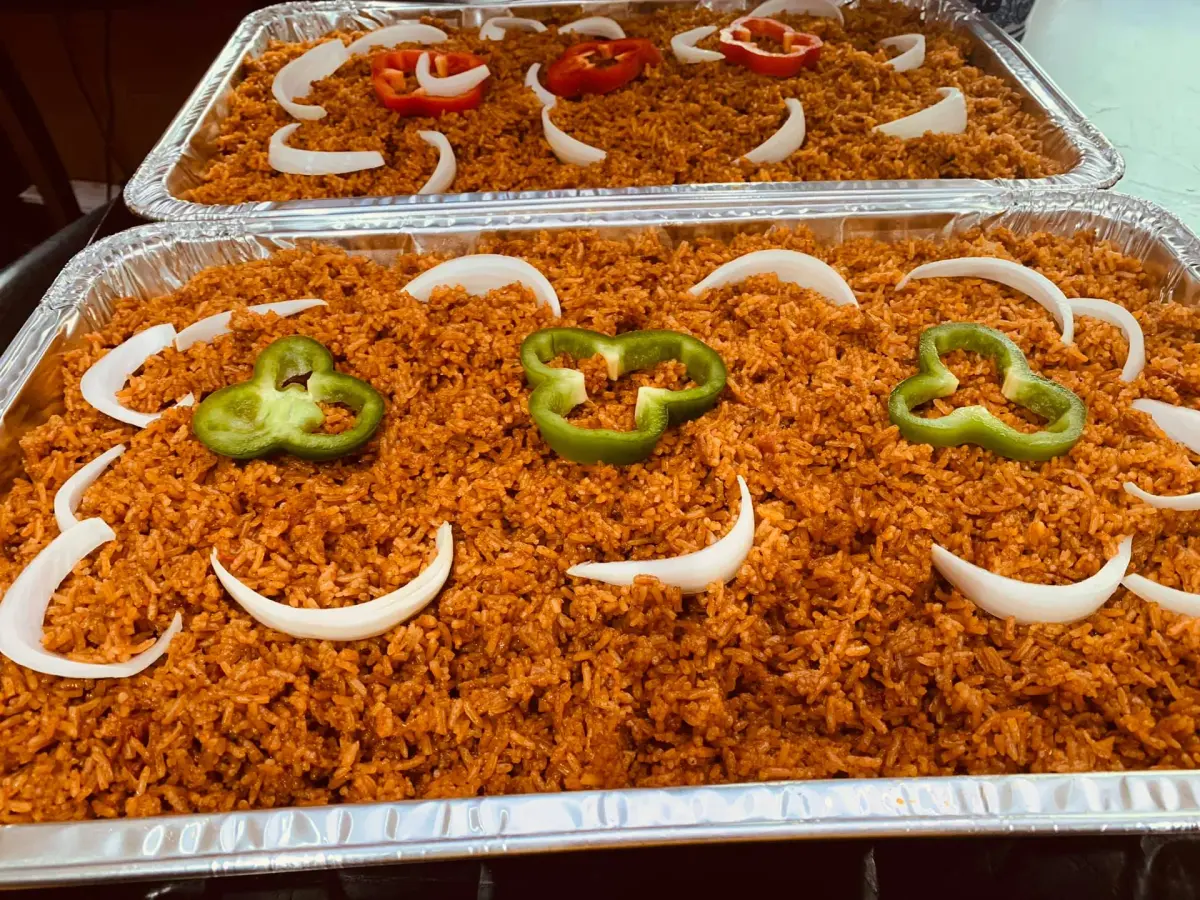
Ghana Jollof Rice
Aperçu
Ghanaian jollof rice is defined against its rivals as much as on its own terms, and Ghanaians are entirely comfortable with that. It is a tomato based rice, aromatic rather than fiery, seasoned with curry powder, garlic and ginger, and cooked in basmati. Every one of those choices is a position in an argument. The rice is the clearest one. Ghanaians use basmati, which stays separate and perfumed and carries the aromatics; Nigerians use long grain parboiled, which absorbs the tomato base and takes on the smoke. Neither is a mistake. They produce genuinely different dishes that share a name, and the preference in each country is consistent enough to be a national marker. The jollof rivalry between Ghana and Nigeria is the continent's most famous culinary argument, conducted on social media, at dinner tables and in the press with an intensity that has very little to do with rice and a great deal to do with two confident countries enjoying themselves. The honest position on the origin is that the dish descends from the Senegambian rice tradition rather than from either country. The honest position on which is better is that both are right within their own tradition, and Ghanaians serve theirs at every social gathering and celebration that matters.
Note de Patrimoine AFN
Jollof rice descends from the rice tradition of the Senegambian coast, associated with the Wolof or Jolof polity of the 14th to 16th centuries, and developed distinct national forms across West Africa as it spread east. The Ghanaian version is distinguished by its use of aromatic basmati rice and a curry and ginger seasoning base.
Ingrédients
Les mentions alimentaires sont fournies par les contributeurs à titre indicatif. Elles ne sont pas vérifiées par AFN et dépendent des produits que vous achetez. En cas d’allergie grave, vérifiez vous-même chaque ingrédient. Cuisine, allergies et votre propre jugement
Préparation
- 1
Rinse the basmati rice thoroughly in cold water until the water runs clear.
- 2
Heat the vegetable oil in a large pot over medium heat. Add the chopped onions and fry until translucent and slightly golden.
- 3
Blend the chopped tomatoes and habanero pepper smooth and add them to the pot.
- 4
Stir in the tomato paste, curry powder, garlic powder, ground ginger, crushed bouillon cubes and salt. Cook for about 5 minutes until the spices are well combined.
- 5
Add the rice to the pot, stirring gently to coat every grain in the tomato mixture.
- 6
Pour in enough water to cover the rice, about 5 cups.
- 7
Bring to a boil, then reduce the heat to low, cover with a tight fitting lid and simmer for 20 to 25 minutes, until the rice is tender and the liquid absorbed.
- 8
Add the bay leaves and mixed vegetables and stir gently to distribute them.
- 9
Fluff the rice gently with a fork, letting the steam escape.
- 10
Serve with grilled or fried chicken, fish, or boiled eggs.
Notes de l’Africook
 Notes personnelles de Deborah Olayiwola
- Do not stir once the rice is in and covered. Stirring breaks the grains and turns the pot sticky, and this is the single most common way a jollof goes wrong.
- Rinse the basmati until the water runs clear. Surface starch is what makes rice clump, and basmati carries a lot of it.
- Add water sparingly and top up rather than starting generous. Too much water at the beginning cannot be taken back out, and the result is mush.
- Use basmati for a Ghanaian jollof. Long grain parboiled will give you a good pot and it will read as Nigerian, which is a different dish rather than a worse one.
- A tight lid matters. The rice is steaming as much as boiling in the second half, and a loose lid lets that escape.
Questions fréquentes
What is the difference between Ghanaian and Nigerian jollof rice?
The rice and the seasoning. Ghanaians use basmati, which stays separate and aromatic, and season with curry powder, ginger and garlic for a balanced, tangy result. Nigerians use long grain parboiled rice, which absorbs the tomato base, and build a hotter pepper forward flavour with the smokiness of party jollof from a long low finish. Both are correct within their own tradition.
Where did jollof rice originate?
The Senegambian rice tradition, associated with the Wolof or Jolof polity that ruled parts of present day Senegal, the Gambia and Mauritania between the 14th and 16th centuries. It spread east along the coast and developed distinct national forms. That means neither Ghana nor Nigeria invented it, which is a fact both countries acknowledge and neither lets interfere with the argument.
Why is my jollof rice mushy?
Too much water at the start, or stirring during cooking. Add enough water to cover the rice and top up in small amounts if it dries before the rice is done, rather than being generous at the beginning. Once the lid is on, leave it alone: stirring breaks the grains and releases starch, which is what turns a pot sticky.
Can I use long grain rice instead of basmati?
Yes, and it will make good jollof, but it will not taste Ghanaian. Long grain parboiled absorbs the tomato base far more and gives the denser, more saturated result associated with Nigerian jollof. Basmati is what gives the Ghanaian version its separate perfumed grains, so use it if you want the dish this recipe is aiming at.
Avis
2 avis
Vous Aimerez Aussi
Voir toutes les recettes Ghana →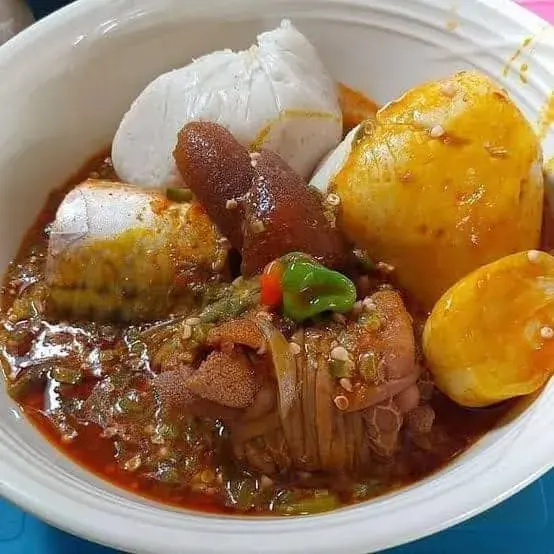
Easy and Simple Way to Make Banku
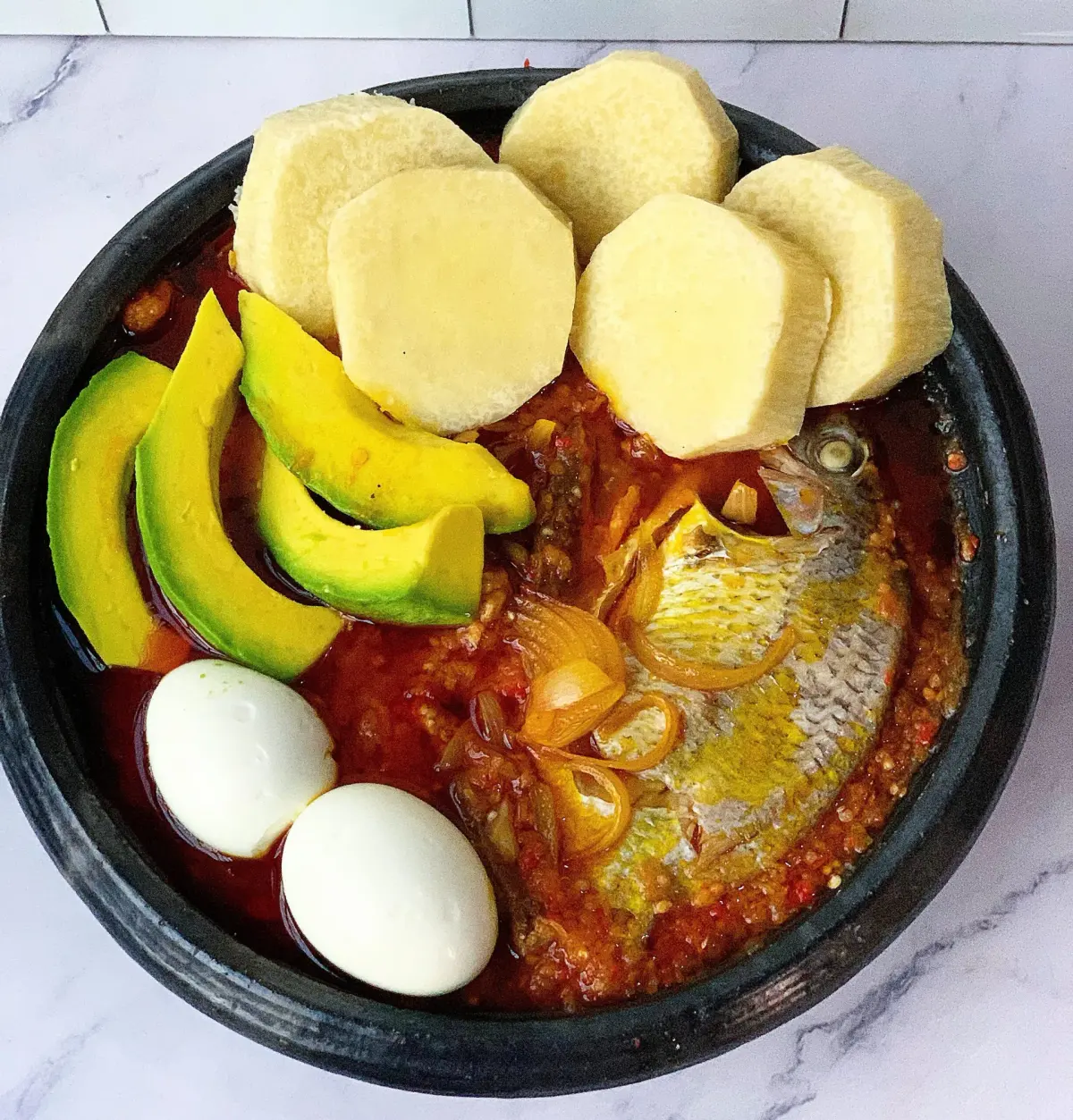
Garden Egg Stew (Earthenware Bowl Method)
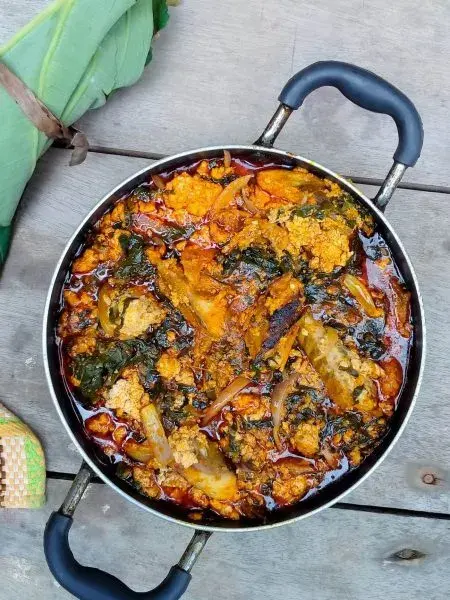
Kontomire Stew
as a Nigerian i was skeptical using basmati rice for jollof instead of standard long grain, but couldn't get scotch bonnets near me so I used habaneros from the store like you suggested. fried the tomato paste with the curry powder and crushed bouillon cubes really well so it lost that sour raw taste. e sweet o, even my kids cleaned their plates.
Got the habaneros and fresh bay leaves from LuLu hypermarket yesterday to try this out. Frying the onions till golden and letting the ginger and curry powder bloom in the oil made the whole kitchen smell poa. Cooked a bit longer than 60 min on my small apartment burner to get that nice bottom pot flavor, went so well with roasted nyama. Sawa!