

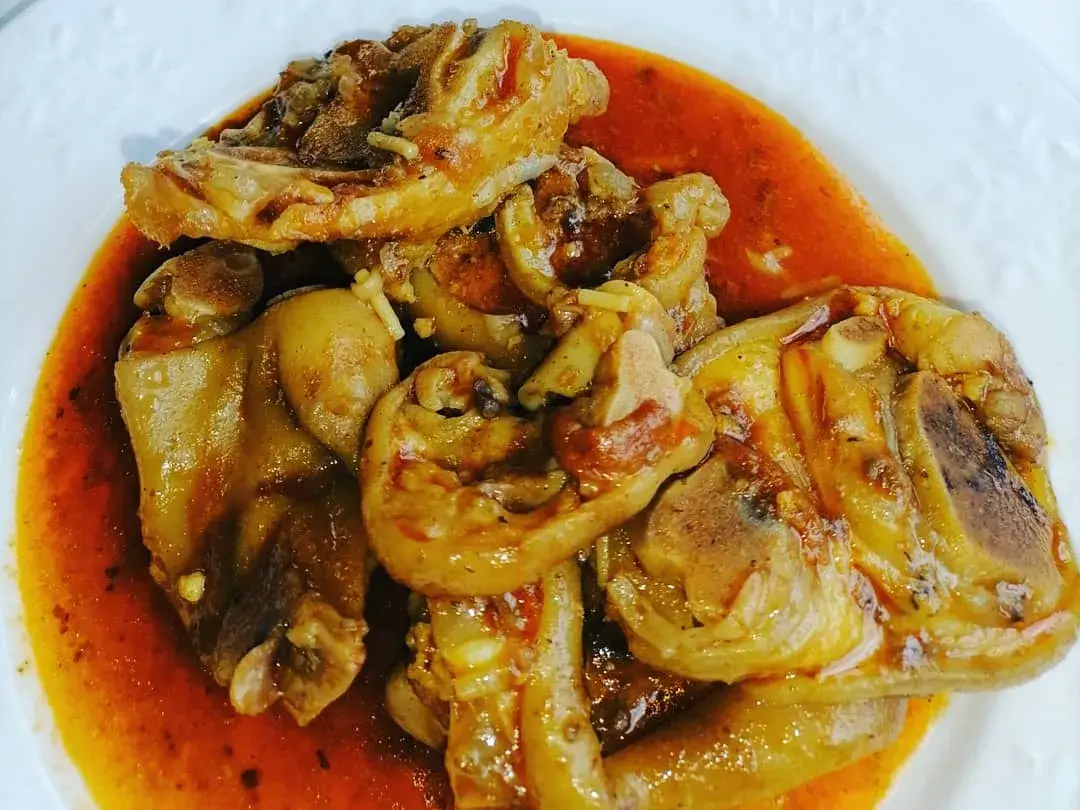
Pork Trotters
Aperçu
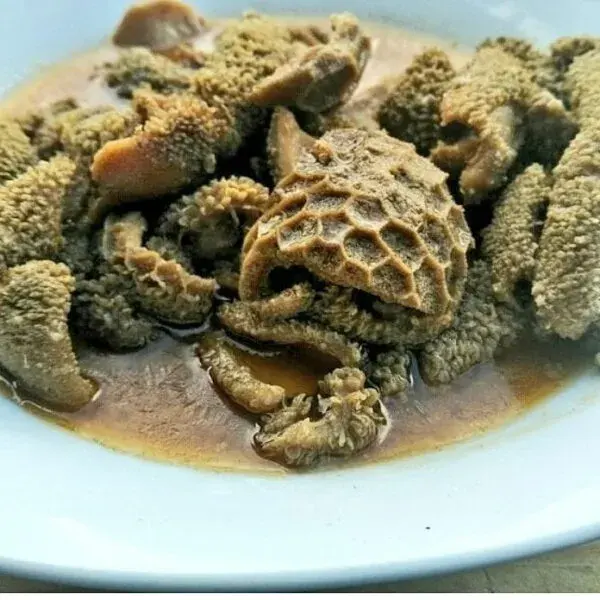
Pork trotters are the foot and ankle of the pig, and almost all of what they offer is collagen. Cooked for hours they break down into something gelatinous and rich that thickens its own liquid, and they are eaten both as a full meal with gravy and as something picked at with the fingers. In South Africa the trotter carries a specific history. Trotters, like offal, were what was left over, the parts of the animal that commercial butchery and the households that could afford choice cuts did not want. They were what was available to people who had been made poor by law. The black community took the trotter and made it a dish with its own standing rather than a marker of scarcity, and that transformation is what the dish now carries. It is claimed rather than merely eaten. It is served with pap, the maize porridge that takes up the gravy, and it appears at home meals and at gatherings without being reserved for either. The long cook is unavoidable, which makes it food for a day when you are in the house anyway.
Note de Patrimoine AFN
In South Africa, trotters and offal were the cuts left to communities excluded from the commercial meat trade under segregation and apartheid, and were established as household dishes within those communities before entering wider South African cooking.
Ingrédients
Les mentions alimentaires sont fournies par les contributeurs à titre indicatif. Elles ne sont pas vérifiées par AFN et dépendent des produits que vous achetez. En cas d’allergie grave, vérifiez vous-même chaque ingrédient. Cuisine, allergies et votre propre jugement
Préparation
- 1
Rinse the trotters under clean running water.
- 2
Put water into a deep pot and add the trotters, making sure they are completely covered. Add more water if necessary.
- 3
Add the stock cube, close the pot, and boil over medium heat until soft. This takes about three hours.
- 4
Once the trotters are soft, drain off any excess water and reserve it.
- 5
In a separate pot, heat a little cooking oil and fry the onion until translucent, then add the trotters and toss.
- 6
Add the barbecue spice and fry for about five minutes, then add the tomato paste and the reserved cooking water or fresh water.
- 7
Simmer for 5 minutes before serving with hot pap.
Notes de l’Africook
 Notes personnelles de Tshego Stone
- Keep the reserved cooking liquid. Three hours of trotters produces a stock heavy with gelatin, and using water instead throws away the body of the sauce.
- Three hours is a floor, not a target. The trotters are ready when the skin yields completely under a fork and the meat is coming away at the joints.
- Cook them a day ahead if you can. Chilled overnight, the fat sets on the surface and can be lifted off cleanly, and the flavour is better for the rest.
- Barbecue spice is a South African supermarket blend. If you cannot find it, paprika, garlic powder, onion powder, a little brown sugar and black pepper approximate it.
Questions fréquentes
How long do pork trotters take to cook?
About three hours of steady boiling before the finishing stage, and longer does no harm. Trotters are skin, bone and connective tissue with very little muscle, so they need extended moist heat to break down. There is no shortcut, though a pressure cooker will bring it down to around 45 minutes under pressure.
What is the difference between a pork hock and a trotter?
The hock is the lower leg above the foot. It carries real meat and is used in stews and braises. The trotter is the foot and ankle itself, almost entirely skin, bone and gelatin, and it is used where that gelatinous texture is wanted or where it will thicken a broth. They are not interchangeable in a recipe.
Why is my trotter sauce thin?
You most likely discarded the cooking water. The three hour boil extracts a large amount of gelatin, and that liquid is what thickens the final sauce as it reduces. Reserve it, add it back at the tomato paste stage, and let it reduce properly rather than serving it as soon as it is hot.
What are pork trotters served with?
Pap is the standard in South Africa, and its job is to take up the gelatinous gravy. Samp or rice work equally well. They are also eaten as a snack straight from the pot with the fingers, which is how a good deal of them are actually consumed.
Avis
4 avis
Vous Aimerez Aussi
Voir toutes les recettes South Africa →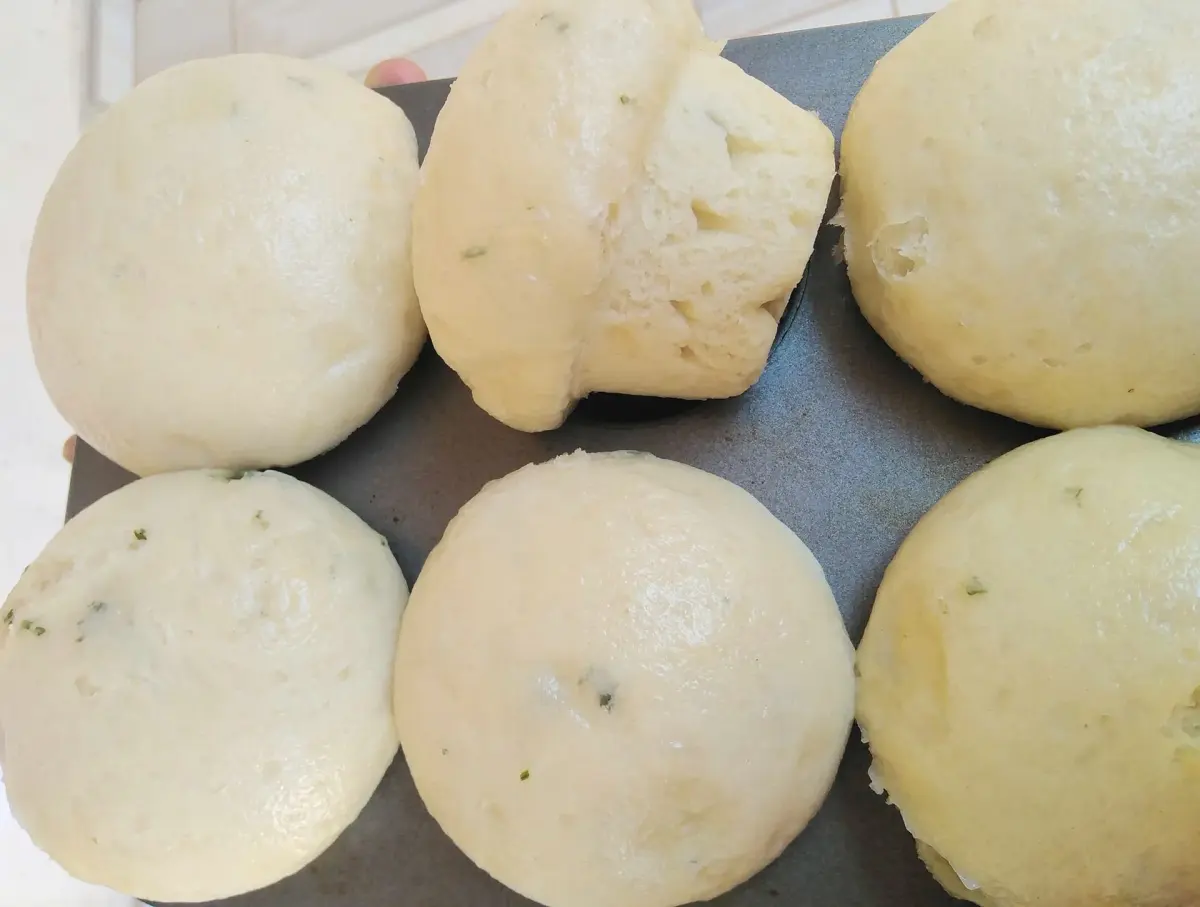
Dombolo (Dumplings or Steamed Bread)
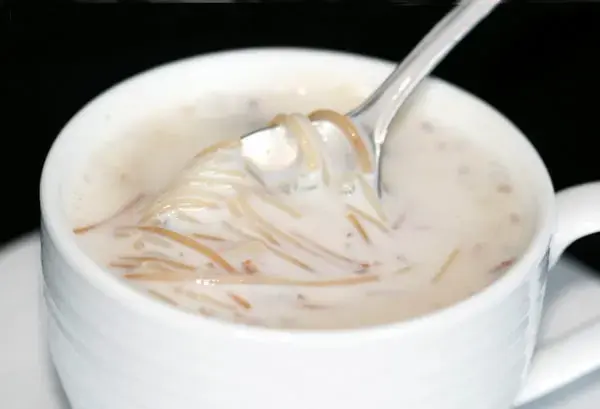
Boeber (Cape Malay Sweet Milk Drink)
How long do trotters actually need? Mine are still tough.
Longer than most recipes suggest. Trotters are collagen, and collagen needs time at a low temperature to turn to gelatine. Two to three hours at a bare simmer is normal, and a pressure cooker will do it in about forty five minutes. If they are tough, they are undercooked rather than overcooked. You are looking for the meat to give way when pressed, and the liquid to feel slightly sticky on the lips.
herh we don't eat this meat at all in Tamale oo so i tried the whole step with cow trotters instead. The 3 hours boiling time was perfect for the cow foot to get soft. But 3 tablespoons of barbecue spice was a bit too much for me, made it too salty paa.
I swapped it for cow feet because of halal sha. Boiled it for almost three hours until soft like butter then tossed in the fried onions with tomato paste and barbecue spice. The reserved stock added back at the end made the gravy so rich o.