

Potjiekos (Afrikaans Stew on the Fire)
Aperçu
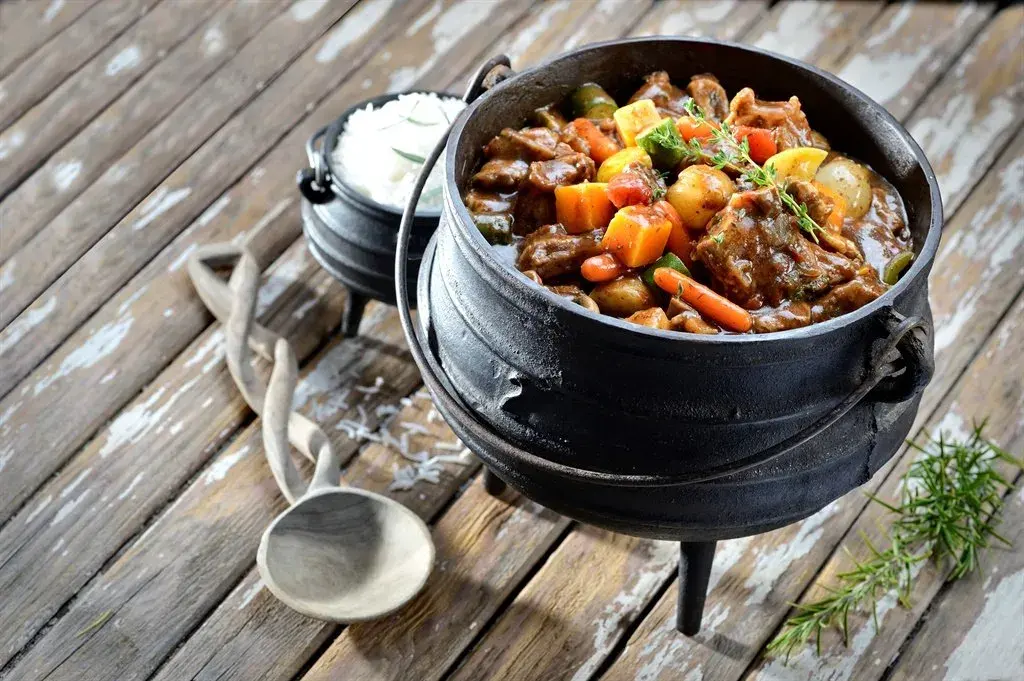
Potjiekos takes its name from its vessel. A potjie is the round, three legged cast iron pot that sits directly in the embers, and potjiekos, pronounced poi-key-kos, is simply the food that comes out of it. The pot is a descendant of the Dutch oven brought to the Cape in the 17th century, and it is now found in households across southern Africa. The defining rule of a potjie is that it is not stirred. Ingredients are layered, meat at the bottom, vegetables above it in the order of how long they need, and the lid stays on. What comes out is not a stew in the ordinary sense: the layers hold something of their own identity rather than dissolving into a common sauce, and that separation is the point of the method. It is also a social form. A potjie runs for three to six hours, and the cooking is the occasion rather than the preparation for one. People sit around the fire while it happens. South Africans distinguish it from a braai, which is the other great outdoor cooking institution, and rank the two as the country's twin claims on the fire.
Note de Patrimoine AFN
The three legged cast iron potjie reached southern Africa with Dutch settlers from the mid 17th century, and was adopted and traded inland, where it displaced clay cooking vessels among communities across the region. The pot form remains in domestic use across southern Africa.
Ingrédients
Préparation
- 1
Braise the onions and mushrooms in the butter with seasoned salt.
- 2
Add the chilli and garlic and fry for 2 minutes.
- 3
Add the beef, return the lid and steam for 5 minutes.
- 4
Add the carrots, potatoes and any other vegetables. Cover and steam for 5 minutes.
- 5
Add the beans, sweetcorn, beef stock, mixed herbs and red wine if using.
- 6
Cover the pot and cook for 20 minutes.
- 7
Keep covered and simmer for 1.5 hours, checking that the mixture does not dry out.
- 8
Add the fresh mushrooms about 20 minutes before serving.
Notes de l’Africook
 Notes personnelles de Amarachi Irobi
- Do not stir. The layering is the technique, and a stirred potjie is a stew. Lift the lid only to check the liquid level.
- Start the fire early. A potjie needs several hours at a controlled low heat, and heat is managed by adding or removing embers rather than by a dial.
- Layer by cooking time, not by preference. Meat at the bottom against the heat, then the vegetables that need longest, then the quickest on top.
- Rice or pap is the usual accompaniment, and its job is to take up the liquid at the bottom of the pot.
Questions fréquentes
What is the difference between potjiekos and an ordinary stew?
Stirring. A stew is stirred through cooking so the ingredients combine into one sauce. A potjie is layered and left alone with the lid on, so each layer keeps some of its own character while the liquid moves down through the pot. The result is a dish with distinct components rather than a blended one, and that is the whole reason for the method.
Can I make potjiekos without a cast iron potjie?
You can make the dish in any heavy lidded pot, and a Dutch oven over low heat or in a low oven gets close. What you lose is the fire. The long, gentle, uneven heat of embers under a three legged pot is part of what the dish is, and a stovetop version will be a good layered stew rather than a potjie.
How long does a potjie need to cook?
Three to six hours is the usual range for a full potjie over embers, and the recipe here is a shorter version at roughly two hours. Longer is generally better, because the point is meat that has surrendered completely. This is not a dish to rush, which is why the cooking time is treated as the social occasion rather than a delay before one.
Do I need to brown the meat first for a potjie?
The method here seals the beef briefly under the lid rather than browning it hard, which is standard practice. Some cooks brown properly first for a deeper colour. Both are accepted, and neither will ruin the pot, but do not brown so long that the meat tightens before the long cook starts.
Avis
5 avis
Vous Aimerez Aussi
Voir toutes les recettes South Africa →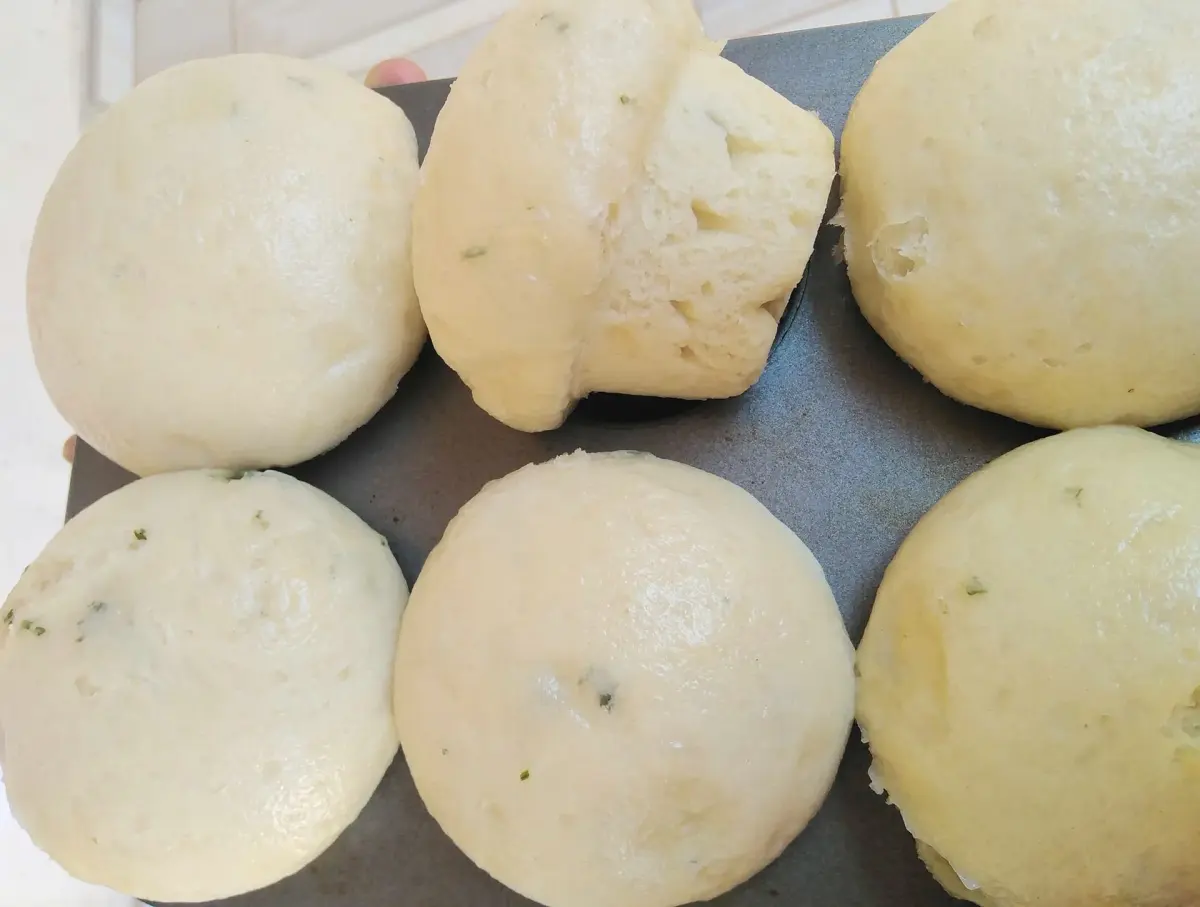
Dombolo (Dumplings or Steamed Bread)
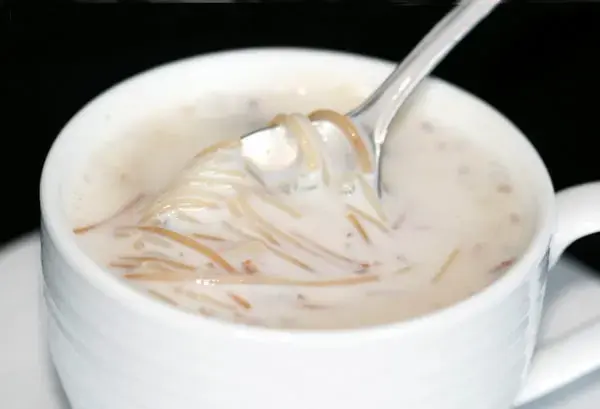
Boeber (Cape Malay Sweet Milk Drink)
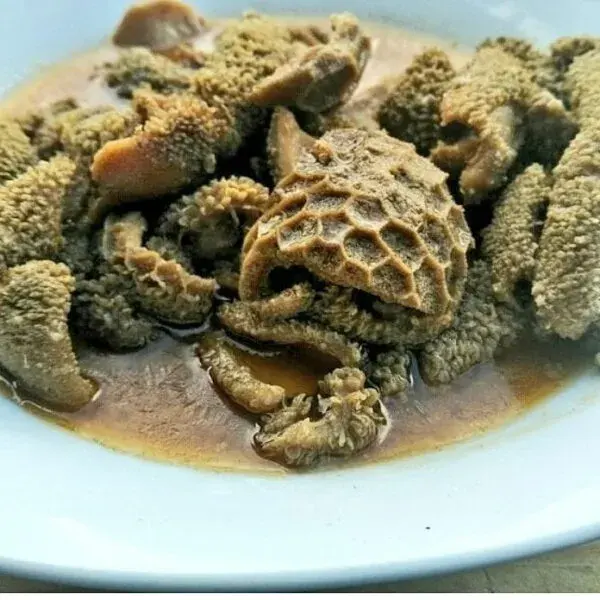
Tripe (Mogodu)
How do I stop my potjie from catching on the bottom?
Keep the heat low and resist stirring. A potjie is built in layers on purpose, and stirring collapses them and drags meat onto the hot base. If it is catching, the fire is too big rather than the pot being wrong: pull coals away rather than adding liquid, because extra water turns it into a stew. A small amount of liquid at the bottom at the start is enough; the vegetables release plenty as they go.
couldnt find the dry mixed beans in sainsburys so i just bought canned kidney beans and haricot beans instead. added them right at the end with the sweetcorn so they didnt turn to mush. the smell when the garlic chilli and mushrooms were braising in butter was so good abeg.
Made this on my coal stove outdoor yesterday evening. The mixture of sweetcorn and fresh chilli gives the beef gravy a very nice sweet and spicy balance abeg. My children finished all the baby potatoes and beans before I could even take second serving o.
Classic potjie recipe mate. You have to use Koo creamed sweetcorn for the right taste though. Did this over the braai coals on Sunday, let it simmer low and slow so the baby potatoes don't break up. Proper lekker dish for a cold evening.