

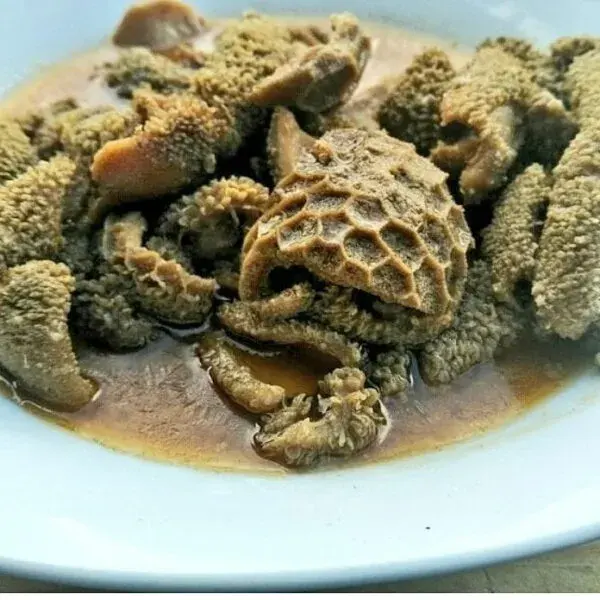
Tripe (Mogodu)
Abuja, Nigeria · Voir toutes les recettes
Aperçu
Mogodu is the South African name for tripe, and it is among the most strongly felt dishes in the country's food. South Africans do not hold moderate opinions about mogodu. It has people who would eat it every day and people who will not have it in the house, and both positions are held with conviction. Tripe is the stomach lining of a ruminant, most often beef, and it belongs to the category of cuts that were once cheap because they were unwanted. That history is part of what the dish carries. Offal in South Africa was for a long time what was left over, and the communities it was left to made it into something with a claim on the national table rather than a mark of going without. It is winter food for many households, cooked slowly over hours until the chew softens without disappearing entirely. The texture is the reason for both the devotion and the refusal, and it is not something a cook can engineer away. Mogodu is eaten with pap, and the pairing is not negotiable: the neutral maize takes the place that bread would take elsewhere, against a dish whose flavour comes mostly from long contact with what it was cooked in.
Note de Patrimoine AFN
Mogodu is the Sesotho and Setswana word for tripe, and the dish belongs to the South African tradition of offal cookery, in which cuts left over from commercial butchery became established household food. Its earliest documented date is uncertain.
Ingrédients
Les mentions alimentaires sont fournies par les contributeurs à titre indicatif. Elles ne sont pas vérifiées par AFN et dépendent des produits que vous achetez. En cas d’allergie grave, vérifiez vous-même chaque ingrédient. Cuisine, allergies et votre propre jugement
Préparation
- 1
Clean and chop the tripe.
- 2
Put water, salt, zeal spice, onion and the tripe into a pot.
- 3
Boil for 2 hours, checking on it regularly.
- 4
Once the tripe is half tender, add the chopped green pepper and the beef stock.
- 5
Cook for a further 15 minutes, then stir in the powdered soup.
- 6
Serve hot.
Notes de l’Africook
 Notes personnelles de Amarachi Irobi
- Cleaning is the whole game. Tripe bought uncleaned needs scrubbing under running water and repeated rinsing, and any shortcut here will show up in the pot as an odour that no seasoning covers.
- There is a window rather than a finish line. Undercooked tripe is rubbery and overcooked tripe turns harsh, so start checking the texture at the two hour mark rather than trusting the clock.
- The powdered soup is doing the work of a thickener. If you would rather not use it, reduce the cooking liquid harder in the last half hour instead.
- Pap is the standard accompaniment. Samp also works, and both are there to carry a dish that is not saucy on its own.
Questions fréquentes
How do I get rid of the smell when cooking tripe?
Most of it is a cleaning problem rather than a cooking one. Scrub the tripe thoroughly under running water, rinse it repeatedly until the water runs clear, and discard the first boiling water before starting the cook proper. Freshness matters too: tripe that has been frozen for a long period develops a stronger odour that cleaning will not fully remove.
How long does tripe need to cook to become tender?
Around two to three hours of steady boiling for beef tripe, and this recipe uses roughly that. Tripe is smooth muscle and connective tissue, so it needs long moist heat to soften. Cooking it too long swings the other way and makes it tough again, so test the texture from two hours rather than leaving it unattended.
What does mogodu taste like?
Mild on its own, with a faint liver like note, and it takes on the flavour of whatever it is cooked with. The chew is what people respond to rather than the flavour. It is a texture that is either enjoyed or not, and no preparation converts one camp to the other.
What is mogodu served with?
Pap, almost always. The stiff maize porridge is the standard partner across South Africa, and samp is the common alternative. Both are neutral starches that take up the cooking liquid and balance a dish that has little sauce of its own.
Avis
Soyez le premier à noter cette recette
Vous l’avez cuisinée ? Votre note aide la personne suivante à se décider.
2 avis
Vous Aimerez Aussi
Voir toutes les recettes South Africa →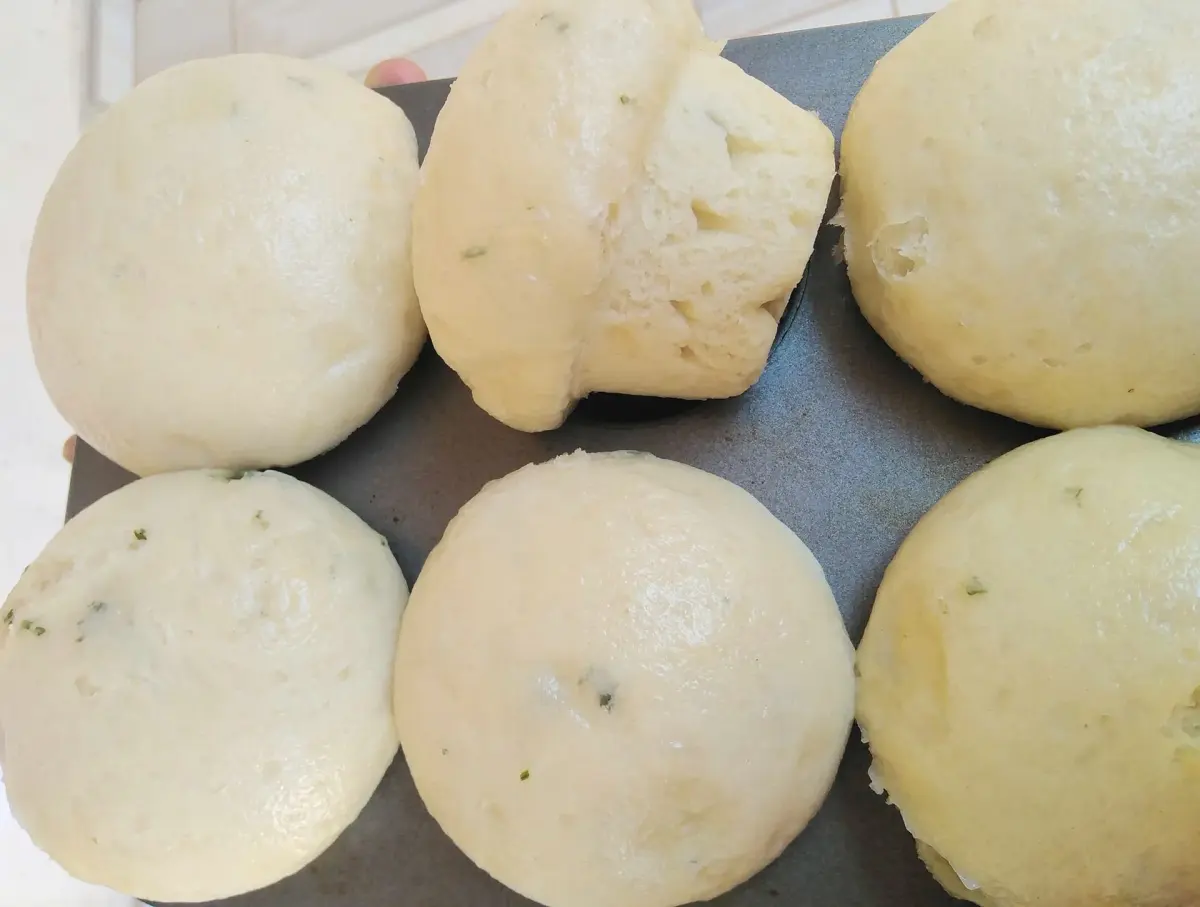
Dombolo (Dumplings or Steamed Bread)
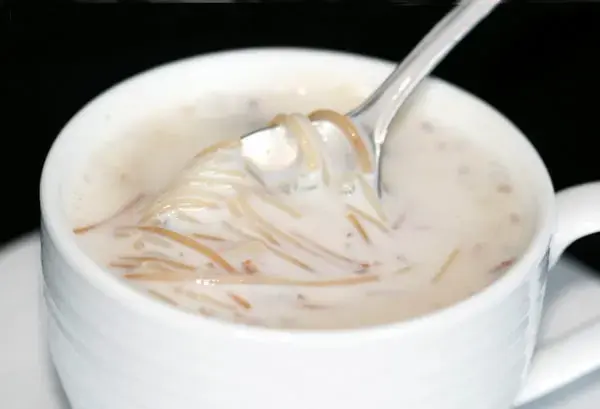
Boeber (Cape Malay Sweet Milk Drink)
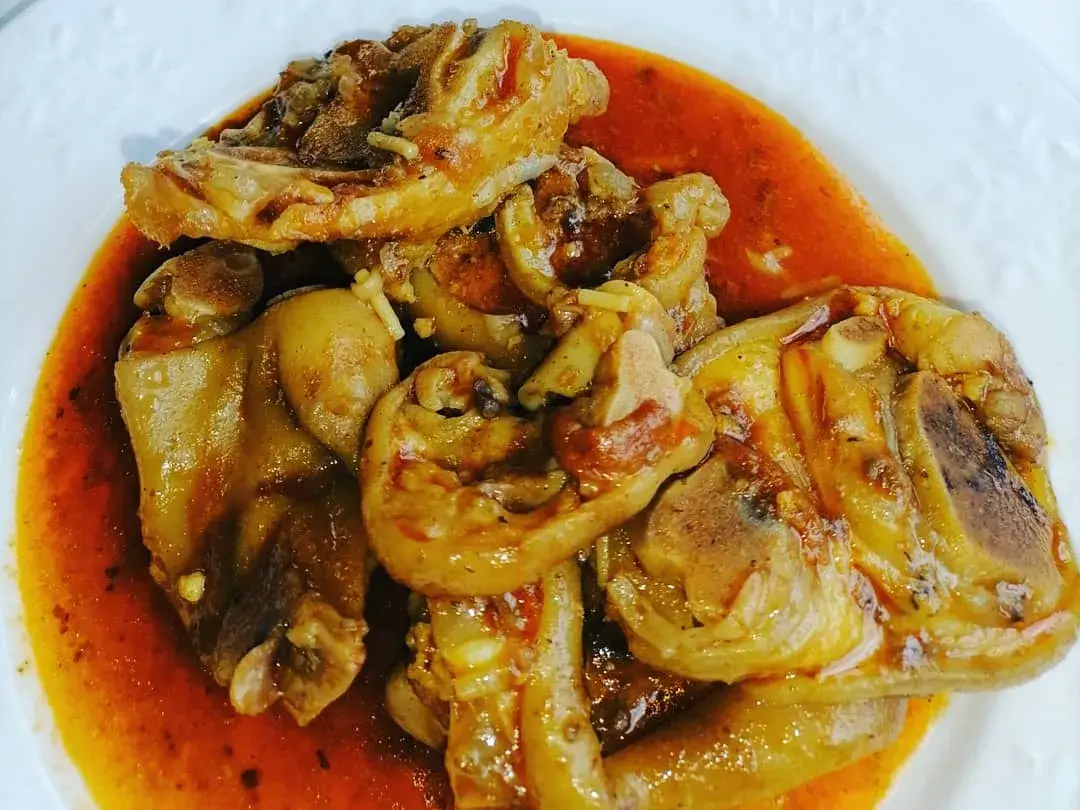
How do I get rid of the smell when cooking mogodu?
Clean it hard and blanch it. Rinse under running water, rub it with coarse salt and a little vinegar or lemon, then rinse again until the water runs clear. Blanch for ten minutes, throw that water away, and start the real cooking with fresh water and your aromatics. Most of the smell people complain about is in that first water.