

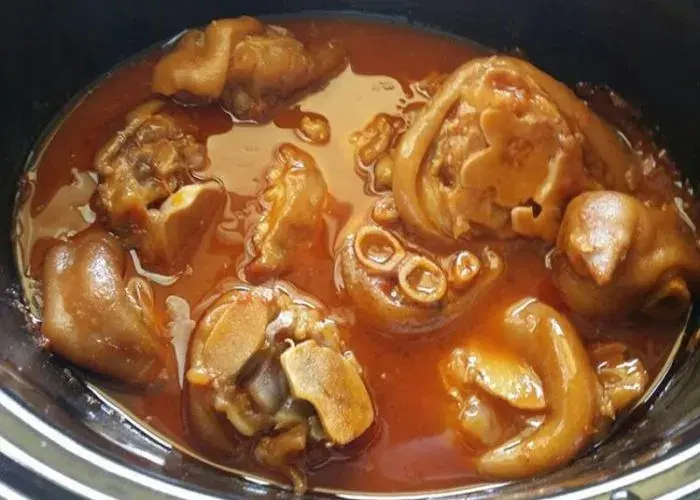
South African Pig Trotters (Maquina)
Aperçu
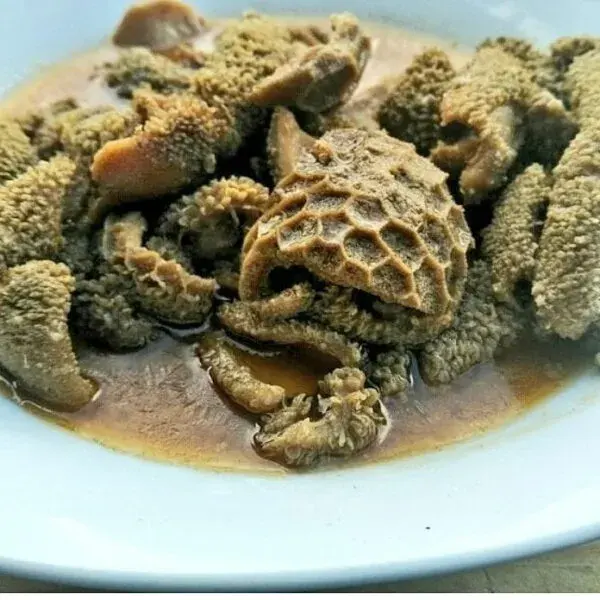
Pig trotters are the foot of the pig, and what they offer is skin, tendon and collagen rather than muscle. Cooked slowly they break down into something gelatinous and rich that thickens its own liquid, and in South Africa they are eaten both as a full meal with gravy and picked at with the fingers. The dish carries a name that shifts even within its own source: maquina in the title, manquina in the text. That kind of variation is common with foods that live in speech rather than in cookbooks, and trotters have lived in speech in South Africa for a long time. Like offal generally, they belong to the cuts that were left over, cheap because they were unwanted, and they were made into a proper dish by the communities they were left to. Trotters are eaten worldwide and the treatments vary enormously. Patitas de cerdo in Puerto Rico is a tomato and chickpea stew. Norwegian syltelabb is salted, cooked and eaten cold before Christmas. The South African version here is a simple braise: onions and tomato first, the trotters sealed into them, then two to three hours at very low heat until the skin yields completely. Pap is the standard partner.
Note de Patrimoine AFN
In South Africa, trotters and offal were among the cuts left to communities excluded from the commercial meat trade under segregation and apartheid, and were established as household dishes within those communities. Trotters are eaten worldwide, appearing as patitas de cerdo in Puerto Rico and syltelabb in Norway.
Ingrédients
Les mentions alimentaires sont fournies par les contributeurs à titre indicatif. Elles ne sont pas vérifiées par AFN et dépendent des produits que vous achetez. En cas d’allergie grave, vérifiez vous-même chaque ingrédient. Cuisine, allergies et votre propre jugement
Préparation
- 1
Wash the trotters in water and allow them to dry.
- 2
Fry the onions and tomatoes and season with salt and pepper.
- 3
Add the trotters and seal them for 10 minutes.
- 4
Add two cups of water and the beef stock.
- 5
Cover, reduce the heat and cook for 2 to 3 hours over very low heat.
- 6
The trotters should be tender and falling from the bone when done.
Notes de l’Africook
 Notes personnelles de Amarachi Irobi
- Two to three hours is a floor, not a target. Trotters are ready when the skin yields completely under a fork and the meat is coming away at the joints.
- Keep the heat genuinely low. A hard boil toughens the skin and clouds the sauce; a bare simmer breaks the collagen down into the gravy.
- Cook them a day ahead if you can. Chilled overnight, the fat sets on the surface and lifts off cleanly, and the flavour is better for the rest.
- Check the trotters have been properly cleaned before you start. Any remaining bristles need removing, and butchers will usually do this if asked.
- Pap is the standard accompaniment in South Africa, with samp and rice the alternatives. They are also eaten from the pot with the fingers as a snack.
Questions fréquentes
How long do pig trotters take to cook?
Two to three hours at a very low simmer for this method, and longer does no harm. Trotters are almost entirely skin, bone and connective tissue, so they need extended moist heat to break down. A pressure cooker brings it down to around 45 minutes under pressure if you want to shorten it.
What is the difference between a pig trotter and a pork hock?
The hock is the lower leg above the foot and carries real meat, used in stews and braises. The trotter is the foot itself, almost entirely skin, bone and gelatin, used where that gelatinous texture is wanted or where it will thicken a broth. They are not interchangeable in a recipe.
Are pig trotters and pork trotters the same thing?
Yes, the terms are used interchangeably, along with pettitoe and pig's foot. Cow, lamb and ox trotters exist too and are cooked similarly, but they are different cuts from different animals with their own textures. This dish is specifically the pig's foot.
What are pig trotters served with?
Pap is the standard in South Africa, and its job is to take up the gelatinous gravy. Samp and rice both work. They are also eaten as a snack straight from the pot with the fingers, which is how a good deal of them are actually consumed.
Avis
5 avis
Vous Aimerez Aussi
Voir toutes les recettes South Africa →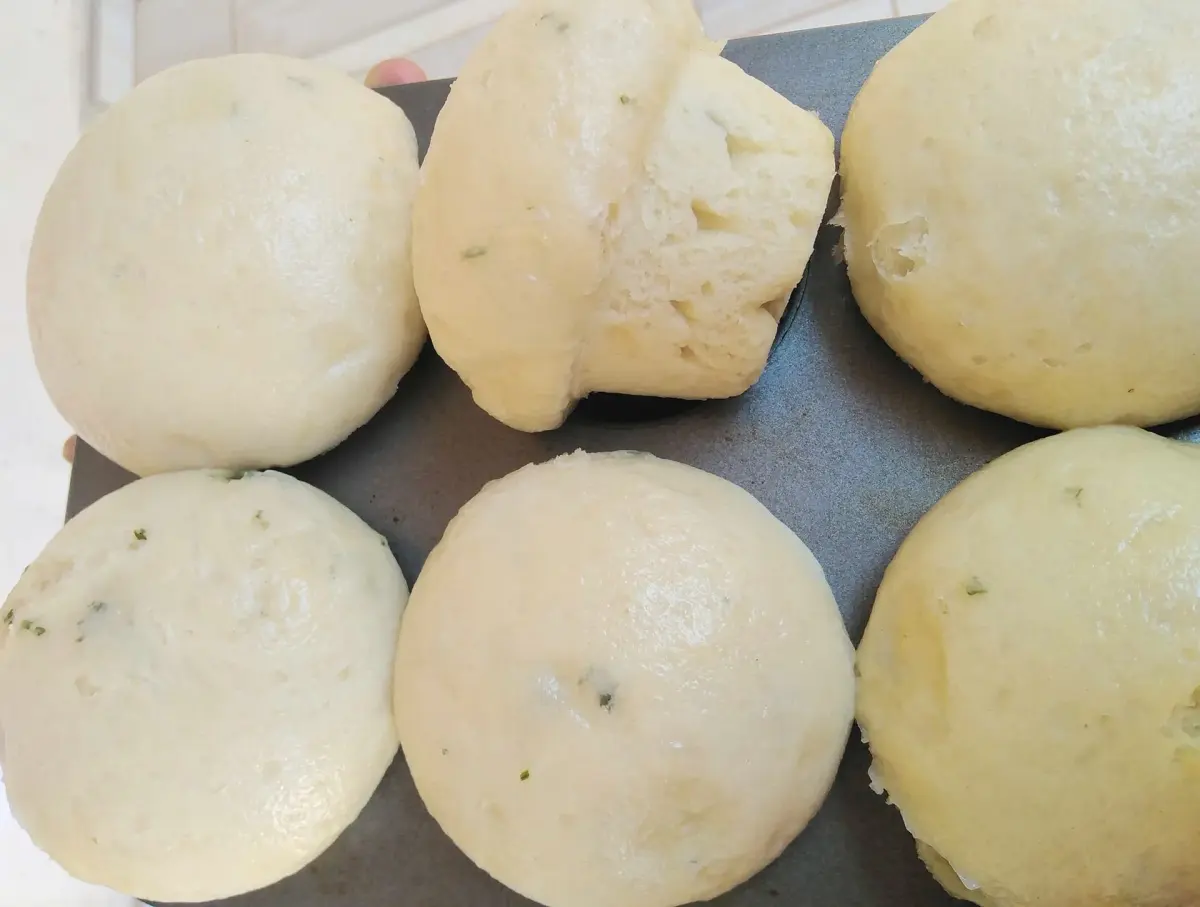
Dombolo (Dumplings or Steamed Bread)
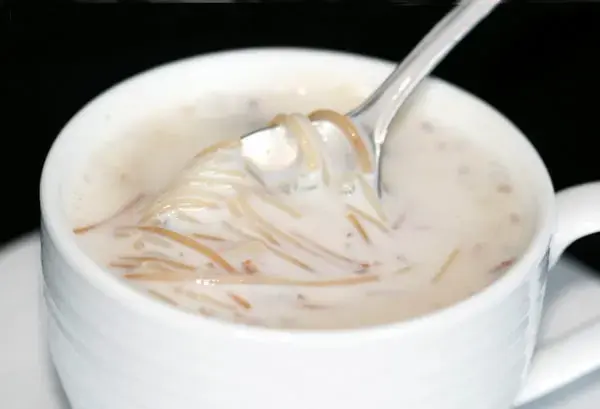
Boeber (Cape Malay Sweet Milk Drink)
Got some trotters from Kirkgate market on Friday. Mine took closer to 3 and a half hours for the meat to soften paa, two cups of water wasnt quite enough because the pot almost dried out at the two hour mark so I had to top it up twice. Tasted okay in the end but took much longer than stated.
Hard to get pig trotters here in Manchester unless you go to the butcher in Moston, but I managed to get a fresh packet yesterday. I let it cook on low heat for full 3 hours like you said until the sauce became thick and sticky from the bones. E sweet sha, reminded me of back home.
Made this on Sunday with two Knorr beef stock cubes and a tin of Koo chopped tomatoes. You really have to seal the trotters properly in the oil for that 10 minutes like you mentioned, otherwise the skin stays tough. Came out super lekker and sticky, perfect with stiff pap.
my grandmother in Kumasi always boils trotters first with ginger and garlic before adding them to any tomato sauce chale. three hours cooking time is accurate though if you want that tender melt in the mouth collagen texture. good base recipe but it needs ginger oo.
Do you think this exact cooking method works for cow foot? I buy halal cow foot from the Somali market here in Minneapolis and usually cook it for hours. The combination of tin tomatoes and beef stock cubes sounds so rich abeg, just want to check if 3 hours on low heat will be enough time to get cow feet tender like that.