

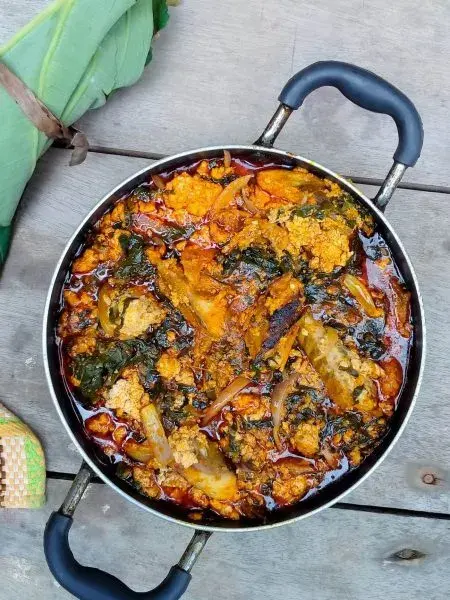
Kontomire Stew
Aperçu
Kontomire is the Twi word for cocoyam leaves, and kontomire stew is the dish that has made them Ghana's most eaten green. The leaves are broad and thick, closer to collard greens in body than to spinach, and they hold their structure through a long cook rather than collapsing. The stew belongs to Akan cooking and forms one half of ampesi, the pairing of a stew with yam, plantain or cocoyam that is among the most common meals in southern Ghana. It exists in more than one form. Abom, the Asante version, is steamed cocoyam leaves ground with onion, pepper and tomato and finished with palm oil. The version here is tomato based and thickened with ground melon seeds, which Ghanaians call egusi or agushie, and which give it a body and a nuttiness that abom does not have. Kontomire stew sits inside the wider West African family of leaf stews known collectively as palava sauce, cooked in Ghana, Liberia, Sierra Leone and Nigeria with the greens each country has. Ghana's is distinguished by the cocoyam leaf and by the melon seed.
Note de Patrimoine AFN
Kontomire stew belongs to the West African family of leaf stews known in English as palava sauce, documented across Ghana, Liberia, Sierra Leone and Nigeria. Melon seeds, called egusi or agushie, are indigenous to tropical Africa and have been dried, dehulled and ground as a thickener across the region since before contact.
Ingrédients
Les mentions alimentaires sont fournies par les contributeurs à titre indicatif. Elles ne sont pas vérifiées par AFN et dépendent des produits que vous achetez. En cas d’allergie grave, vérifiez vous-même chaque ingrédient. Cuisine, allergies et votre propre jugement
Préparation
- 1
Soak the melon seeds in water and set aside.
- 2
Wash the kontomire leaves with a generous amount of salt to stop your hands itching when you cut them. Cut the leaves into strips.
- 3
Put the cut kontomire into a saucepan with a little water over high heat. Cover and bring to a boil, turning after about five minutes so everything cooks through. Turn off the heat and set aside.
- 4
Blend two of the onions with the tomatoes, pepper and turkey berries, and set aside.
- 5
Remove the flesh from the smoked salmon, take out the bones and break it into pieces.
- 6
Wash the soaked melon seeds, put them in a blender with about a quarter teaspoon of salt and just enough water, and blend to a paste. Slice the remaining onion.
- 7
Pour the palm oil into a medium saucepan, add half the sliced onion and the momoni if using, and fry until the onion softens.
- 8
Add the blended tomato, onion, turkey berry and pepper mixture. Bring to a simmer over medium heat.
- 9
Add the salmon, salt and ground shrimp. Cover and simmer for 7 to 10 minutes until the sauce has barely thickened.
- 10
Add the blended melon seeds. Do not stir. Cover, reduce the heat to low and leave for 8 to 10 minutes until the melon seed has set.
- 11
Gently fold in the steamed kontomire. Add the remaining sliced onion and simmer for about five minutes until it softens. Serve with yam, plantain, cocoyam, cassava, sweet potato or rice.
Notes de l’Africook
 Notes personnelles de Jennifer Ezeokoli
- Wash the leaves with salt before cutting. Raw cocoyam leaves irritate the skin, and the salt wash is the standard Ghanaian precaution rather than a seasoning step.
- Do not stir the melon seed once it goes in. It needs to set undisturbed into soft curds, and stirring turns it into a grainy suspension instead.
- Use powdered or whole egusi, never pumpkin or squash seeds. They are a different plant and behave differently, and the substitution is the most common way this dish goes wrong outside West Africa.
- Onion, tomato, ginger and scotch bonnet are the aromatic base of Ghanaian cooking and none of them is optional here except the scotch bonnet, which is purely a question of how much heat you want.
- Mushrooms are a common addition for a meat free version, giving savoury depth without fish or meat.
Questions fréquentes
What can I use instead of kontomire leaves?
Collard greens are the closest widely available substitute, because they have the thickness and structure to survive the cook. Mature spinach works but wilts to very little, so use significantly more and add it later. Kale is used by many Ghanaian cooks abroad and holds up well. Avoid baby spinach entirely.
Is kontomire the same as spinach?
No. Kontomire is the leaf of the cocoyam or taro plant, thicker and firmer than spinach and from an entirely different plant family. The flavour is deeper and slightly more mineral. Spinach can stand in at a push, but the texture and taste of the finished stew will be noticeably different.
What is the difference between kontomire stew and abom?
Abom is the simpler Asante preparation: steamed cocoyam leaves ground with onion, pepper and tomato, finished with palm oil, and eaten as a relish. The stew in this recipe is tomato based and thickened with ground melon seed, which gives it more body and a nutty character. Both are kontomire dishes and both are correct.
What is momoni and do I need it?
Momoni is Ghanaian fermented salted fish, intensely savoury and strong smelling, used in very small quantities as a flavour base. It is optional here and the stew works without it, but it adds a depth that nothing else quite replaces. It is sold at Ghanaian and West African grocers. Use sparingly, as a little carries a long way.
Avis
5 avis
Vous Aimerez Aussi
Voir toutes les recettes Ghana →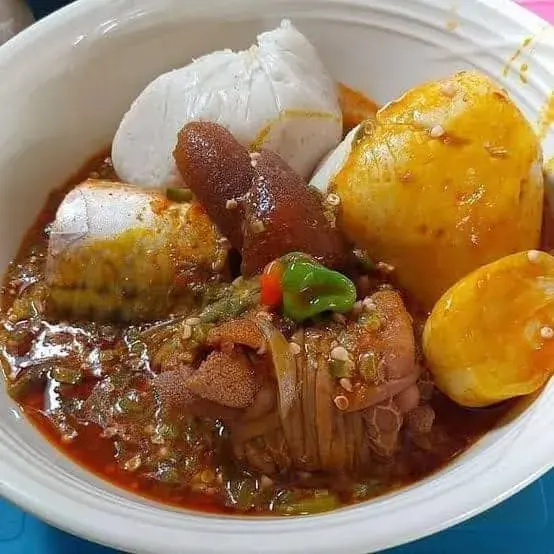
Easy and Simple Way to Make Banku
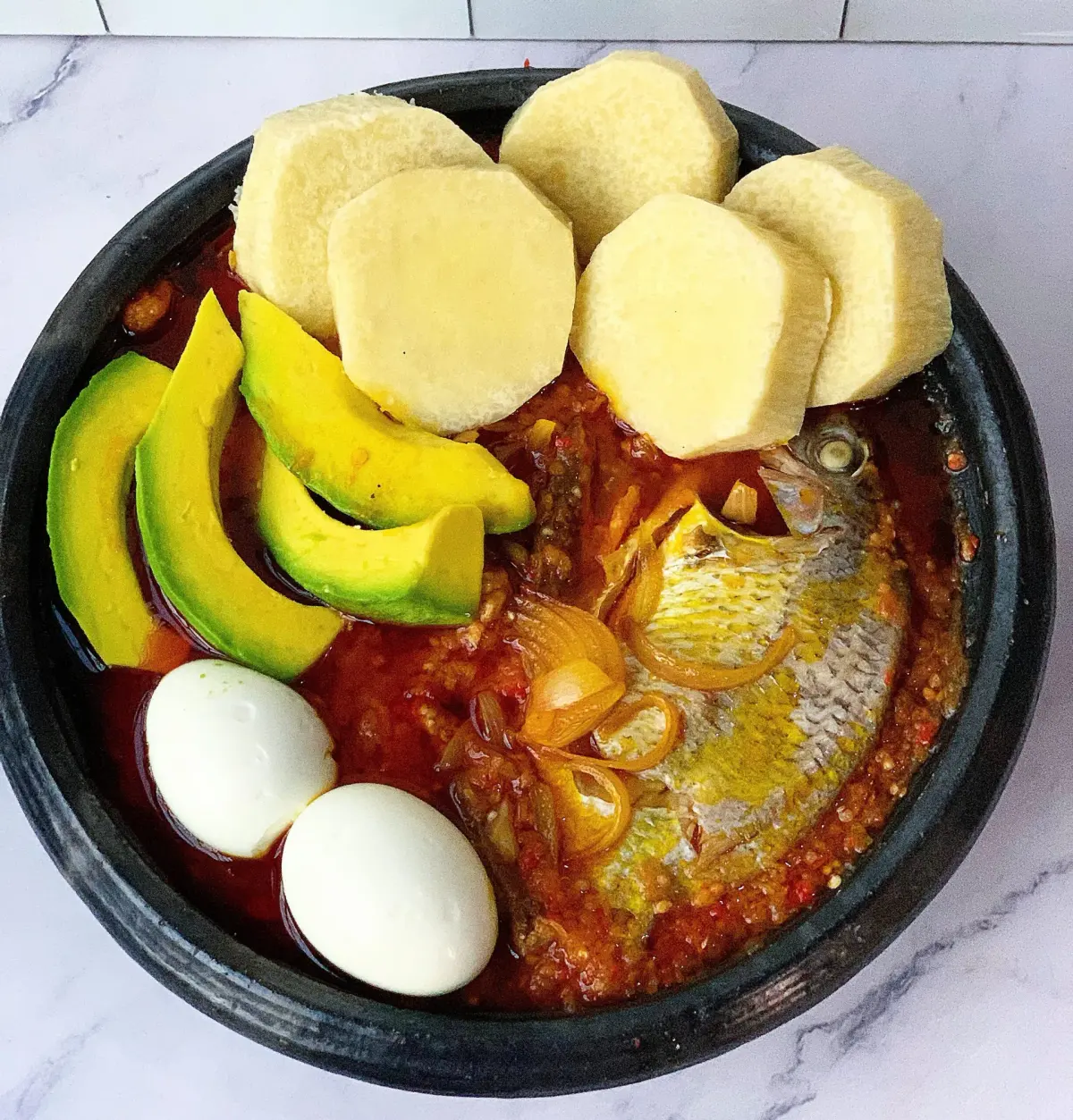
Garden Egg Stew (Earthenware Bowl Method)
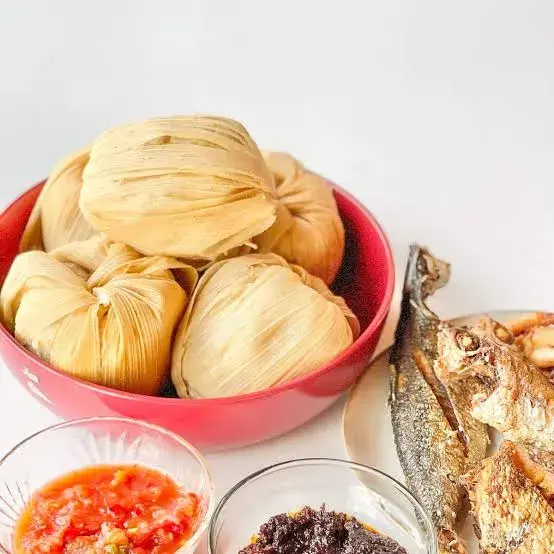
Kenkey
Kontomire made my throat itch. What went wrong?
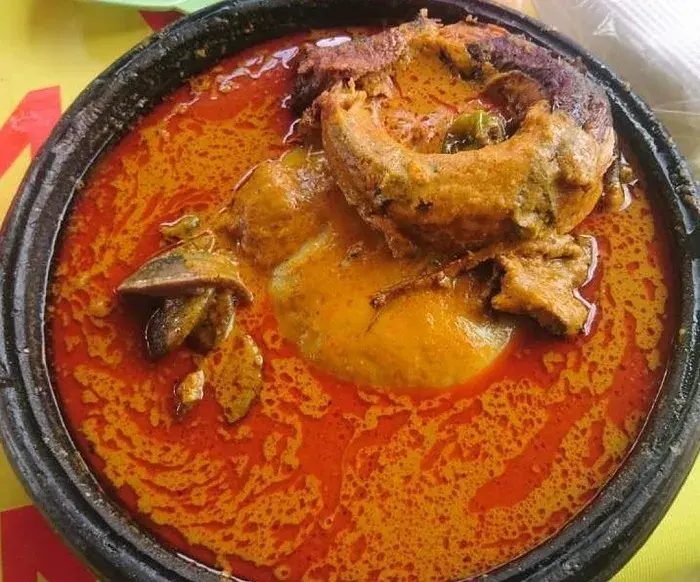
It was undercooked. Cocoyam leaves contain crystals that irritate the throat and they break down with heat, so the fix is more cooking rather than less. Boil the leaves properly before they go into the stew, discard that first water, and do not rush the simmer afterwards. Cooking them with something acidic helps too.
that tip about washing the leaves with salt so your hands wont itch saved me o. last time I tried making this my fingers were burning for hours. I added extra ground shrimp at the end because the smoked salmon I bought wasnt very strong. came out nice.
getting fresh kontomire in minneapolis is impossible abeg so I used frozen spinach and kale mix. used egusi from the African store on Lake Street and the smoked salmon flavor really carried the whole dish. my husband ate two plates sha.
40 minutes is lie o, it took me almost an hour just to clean the leaves and debone the smoked salmon properly. stew tasted fine in the end but the turkey berries made it a bit bitter for my kids.