

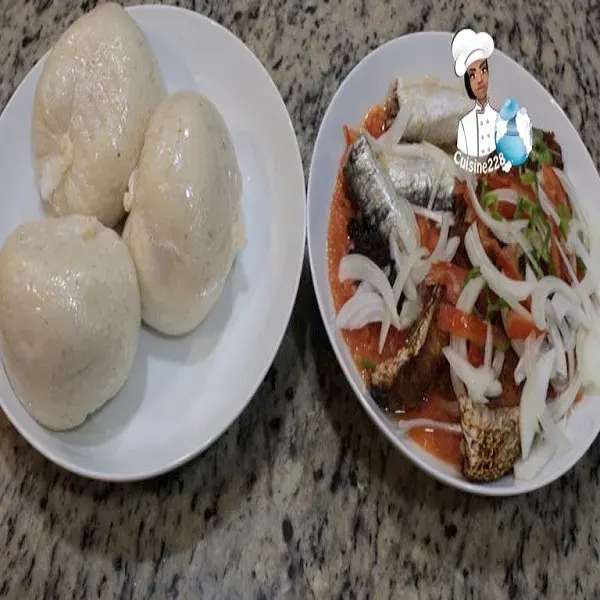
Kenkey With Sauce and Fried Fish
Aperçu
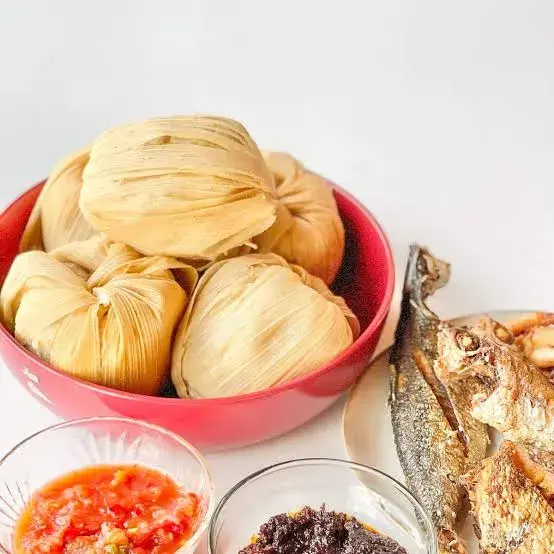
Kenkey with pepper sauce and fried fish is a complete plate rather than a dish with accompaniments, and the three parts are not interchangeable with anything else. The sour fermented maize, the raw ground pepper and the well seasoned fried fish each do something the other two cannot, and the combination is what people mean when they say kenkey. The sourness is the axis. Maize is steeped for around two days, milled, and left to ferment for several more before any cooking happens, and the acidity that develops is what makes the plate work against fried fish. Ghanaian, Togolese and Beninese coastal cooking pairs sour starch with fried seafood repeatedly, and this is the clearest example of it. Anyone who does not already eat fermented cereals such as ogi, koko or eko tends to need a plate or two before the logic lands. The dish carries its names with it. Komi among the Ga, dokono among the Fante, dorkunu and dokonou across Togo and Benin. It travelled further than that: to Jamaica and Guyana as dokono and konkee, and to Trinidad as paime, carried across the Atlantic with enslaved West Africans, where it survives with different fillings and the same technique.
Note de Patrimoine AFN
Kenkey is documented among the Ga of coastal Ghana as komi and among the Fante as dokono, and is eaten across Togo and western Benin under related names. The preparation crossed the Atlantic with enslaved West Africans and survives in Jamaica and Guyana as dokono and konkee, and in Trinidad as paime.
Ingrédients
Les mentions alimentaires sont fournies par les contributeurs à titre indicatif. Elles ne sont pas vérifiées par AFN et dépendent des produits que vous achetez. En cas d’allergie grave, vérifiez vous-même chaque ingrédient. Cuisine, allergies et votre propre jugement
Préparation
- 1
Cover the corn with just enough water to dampen it in a large container. Set it in a warm place for 5 days. Fermentation may take longer in cool climates.
- 2
When properly fermented it will have a slightly sour but not unpleasant aroma. Rinse and grind the corn.
- 3
Knead the fermented dough by hand until thoroughly mixed and slightly stiffened. Divide it into two equal parts.
- 4
Cook one half of the dough in a large pot for about ten minutes, stirring constantly and vigorously. Remove from the heat. This cooked half is the aflata.
- 5
Combine the aflata with the remaining uncooked dough and mix well.
- 6
Divide the mixture into serving sized pieces and wrap each tightly in corn husks or foil. At this point it can be refrigerated or frozen until you are ready to cook.
- 7
Steam for 30 to 60 minutes depending on size and thickness. Serve at room temperature.
- 8
For the sauce, grind the onion, tomatoes and green chillies together until smooth but with some texture remaining. Salt to taste.
- 9
Season the fish with garlic, ginger, salt and pepper, and fry.
- 10
Serve the kenkey with the pepper sauce and the fried fish.
Notes de l’Africook
- The half cooked, half raw dough combination is the technique that defines kenkey. The cooked aflata gelatinises the starch so the parcel holds together; the raw half keeps the fermented flavour and the live acidity. Skipping either step gives you something else.
- Five days is a guide, not a rule. Judge the ferment by smell: clearly sour and pleasant means ready, flat means it needs longer, sharp and unpleasant means it has gone too far.
- Wrap tightly. A loose parcel takes on water during the steam and gives soggy kenkey.
- Leave some texture in the pepper sauce. A completely smooth blend loses the coarse bite that stands up to the fried fish.
- Start early. From first steeping to the table this is a week long process, and almost all of it is waiting rather than work.
Questions fréquentes
What is aflata and why is half the dough cooked?
Aflata is the portion of fermented dough that is cooked first, for about ten minutes with constant stirring, before being mixed back into the raw dough. The cooked half gelatinises the starch so the parcels hold their shape through steaming, while the raw half preserves the sour flavour and the active fermentation. This half and half method is what distinguishes kenkey from other steamed maize dumplings.
Why is kenkey served with fried fish and pepper sauce?
Because the three balance each other. Kenkey is markedly sour, the raw ground pepper sauce is sharp and hot, and the fried fish is rich and salty. Along the coasts of Ghana, Togo and Benin, where fishing is central and fish is eaten fresh fried or smoked, this pairing of sour starch against fried seafood is the standard structure of a meal.
What does kenkey taste like?
Distinctly sour, which is the entire point and the thing that surprises first time eaters. The acidity comes from several days of fermentation, not from any added ingredient. The texture is dense and slightly sticky. If you already eat fermented cereals such as ogi, koko or eko, it will read as familiar; if not, it usually takes a plate or two.
Can I use foil instead of corn husks?
Yes, and the recipe allows for it. Foil holds the parcel and steams it perfectly well. What you lose is the faint vegetal aroma the husk contributes and the traditional shape. Dried corn husks are sold for tamales in Latin American grocers and banana leaves are stocked frozen at African and Asian grocers if you want the real thing.
Avis
2 avis
Vous Aimerez Aussi
Voir toutes les recettes Ghana →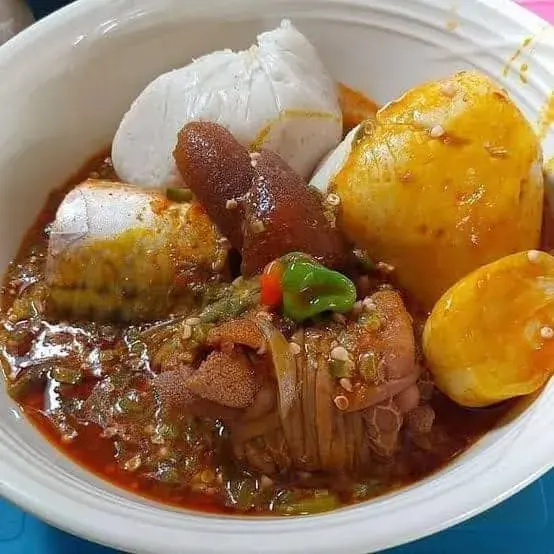
Easy and Simple Way to Make Banku
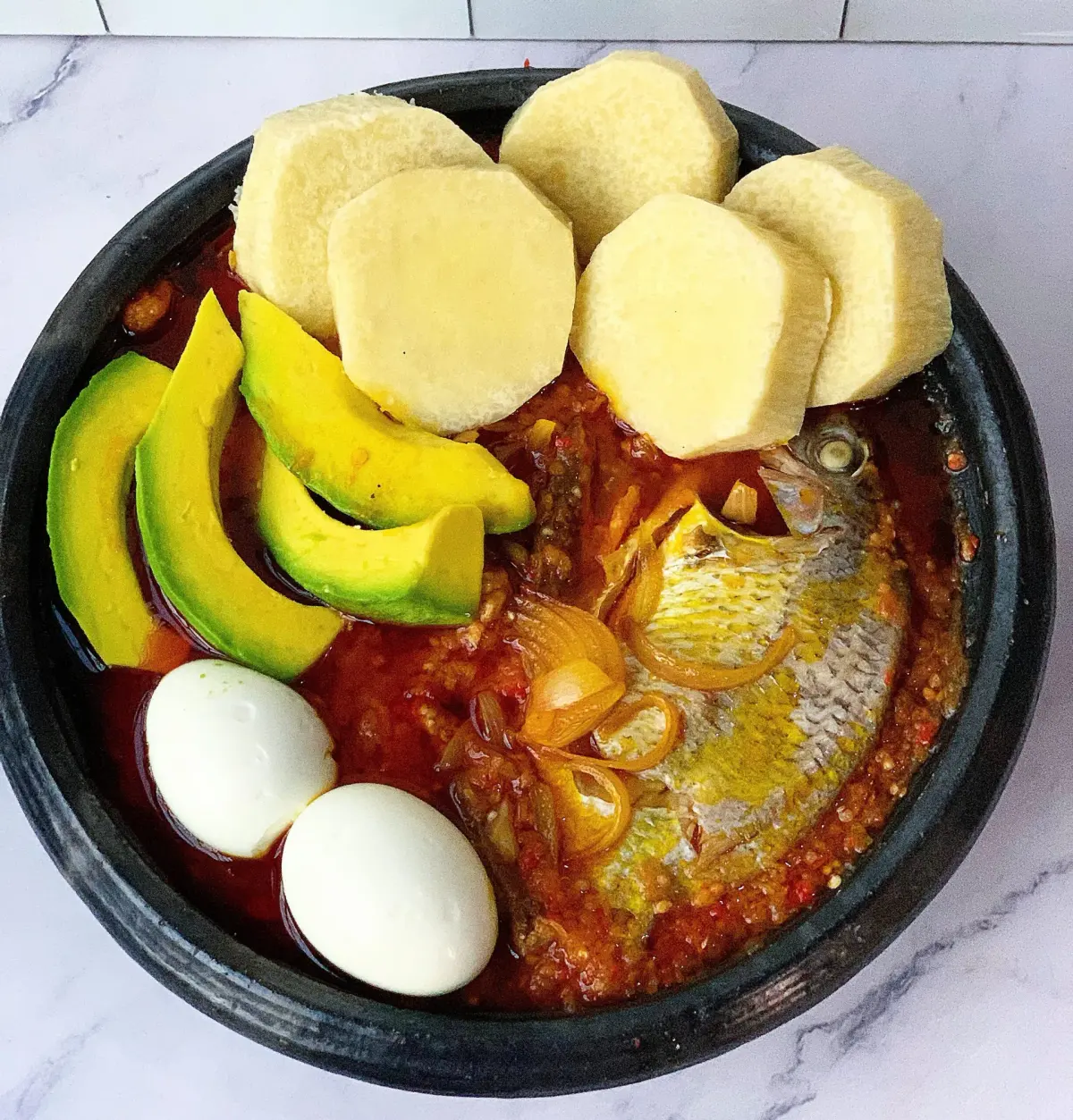
Garden Egg Stew (Earthenware Bowl Method)
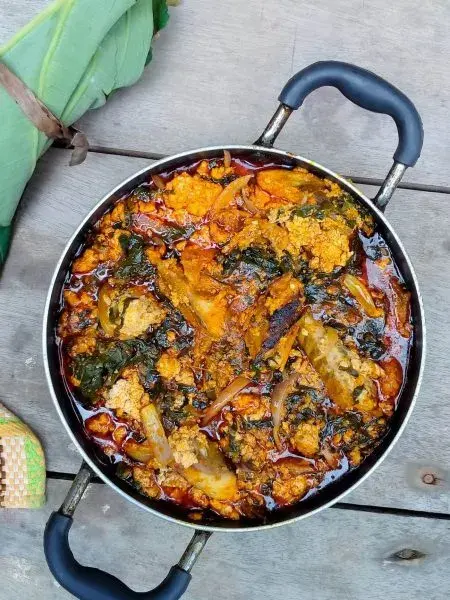
Kontomire Stew
5 days to ferment the corn dough is no joke o. My apartment here in Atlanta was smelling so sour my housemate almost called emergency sha! I couldnt get fresh agbelima so I bought dried cassava flour from the African market in Decatur to mix in. Stirring that aflata on the stove took all my strength, my arm is still paining me. But eaten with fried tilapia and green chillies pepper, e sweet well well. Worth the stress.
Herh, stirring the aflata requires proper energy oo! If you don't stir vigorously it will form hard lumps and ruin the smooth texture. My big sister in Tema always insists you must add the agbelima if you want that authentic stretch, corn alone makes it too dense paa. Made this today with fried red fish and fresh chopped onions with green pepper. Chale, the taste took me straight back home.