
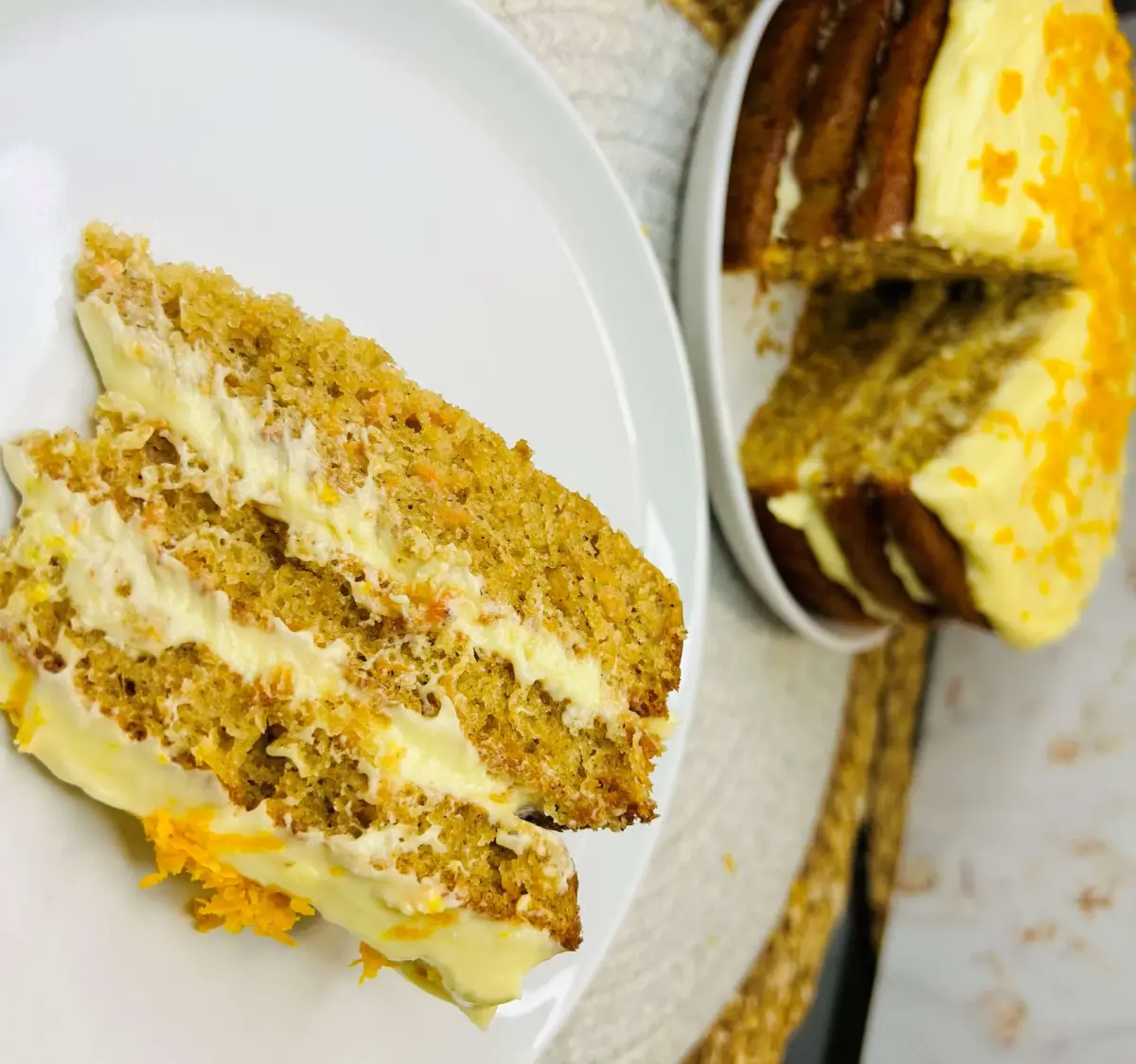
Super Soft Carrot Cake
Aperçu
A three-layer carrot cake spiced with cinnamon and mixed spice, drizzled with orange juice while still warm, and filled with cream cheese frosting. The contributor is South African, and the cake is presented as a fixture of tea parties and meetings there. Carrot cake is European in origin, so it sits in Worldwide Recipes. Its ancestry runs back to medieval carrot puddings, made at a time when sweeteners were expensive and carrots were among the sweetest things available, which is the grain of truth behind the source's note that carrots were once used to sweeten confectionery. The modern iced cake is a twentieth-century development, and its firm adoption into South African home baking is real and worth recording, even though the dish is not African in origin. Two things about this version are its own. Treacle sugar, alongside brown sugar, is a distinctly South African ingredient and gives a deeper, more molasses-like flavour than brown sugar alone. And the orange juice poured over the layers as they come out of the oven is what the title's "super soft" refers to, the same principle as soaking a sponge in syrup, using juice instead. The source's ingredient list garbles the frosting quantities. The proportions here come from its written recipe, which is coherent.
Ingrédients
Les mentions alimentaires sont fournies par les contributeurs à titre indicatif. Elles ne sont pas vérifiées par AFN et dépendent des produits que vous achetez. En cas d’allergie grave, vérifiez vous-même chaque ingrédient. Cuisine, allergies et votre propre jugement
Préparation
- 1
Heat the oven to 180°C.
- 2
Whisk the eggs in a medium bowl, then mix in the canola oil and vanilla essence.
- 3
Whisk in the treacle and brown sugars until fully combined, followed by the milk. Set aside.
- 4
Sift the flour into a large bowl and mix in the cinnamon and mixed spice.
- 5
Combine the wet ingredients with the dry and mix until there are no lumps, then fold the grated carrot through.
- 6
Line a 30 cm pan with baking paper or butter it well. Divide the batter into three equal portions and bake them one at a time, 30 minutes each, so you end up with three layers. With three pans you can do it in one go.
- 7
For the icing, whisk the butter in a medium bowl for 3 to 4 minutes until it looks fluffy. Sift in the icing sugar and whisk until incorporated, then whisk in the vanilla essence and cream cheese until smooth. Set aside.
- 8
Drizzle orange juice over the cakes as soon as they come out of the oven. This is what keeps them soft.
- 9
Once cool, assemble by layering cake and frosting all the way to the top.
Notes de l’Africook
 Notes personnelles de Tshego Stone
- Drizzle the orange juice while the cakes are still hot. Cold cake will not absorb it, and this is what the recipe's name refers to.
- Treacle sugar is what gives this its depth. Dark brown or muscovado sugar is the nearest substitute outside South Africa.
- Grate the carrots finely. Coarse shreds stay noticeable in the crumb and release water unevenly.
- The source's stated quantity of carrot is low for a three-layer cake. Around 1 1/2 cups grated is a more reliable amount.
- Have the butter and cream cheese at room temperature before whisking, or the frosting will be lumpy.
- Do not over-whisk the frosting once the cream cheese is in. It slackens and becomes difficult to spread.
Questions fréquentes
Where does carrot cake come from?
Europe. It descends from medieval carrot puddings, made when imported sweeteners were expensive and carrots were among the sweetest ingredients readily available, which is the truth behind the claim that carrots were once used to sweeten confectionery. England is commonly named as the origin of the modern cake, though similar puddings were made across Europe. The iced, layered version most people know is a twentieth-century development, and its adoption into South African tea-party baking is genuine and long-standing.
What is treacle sugar?
A South African partially-refined sugar with a noticeable molasses character, darker and more strongly flavoured than ordinary brown sugar. It is what gives this cake its depth alongside the spices. Outside South Africa the closest substitutes are dark brown sugar or muscovado, both of which retain more molasses than standard light brown sugar. Using ordinary brown sugar throughout works, but the result is lighter and less complex.
Why pour orange juice over the cake?
To keep it moist, which is what the title promises. It is the same principle as brushing a sponge with sugar syrup: a warm cake absorbs liquid readily, and that liquid stays in the crumb as it cools. Orange juice adds flavour at the same time, and it sits well with the cinnamon and mixed spice. The timing matters, it has to go on while the cakes are hot from the oven, because a cooled cake will not take it up.
Why doesn't the ingredient list match the frosting?
The source's list is scrambled at the point where the icing section begins: its section headings were absorbed into the list itself, which shifted every quantity that followed onto the wrong ingredient. Its written recipe gives coherent frosting proportions: 150 g butter, 100 g icing sugar, a teaspoon of vanilla essence and 230 g cream cheese, and those are the figures used here.
Avis
Soyez le premier à noter cette recette
Vous l’avez cuisinée ? Votre note aide la personne suivante à se décider.
Aucun avis sur cette recette pour le moment. Si vous l’avez cuisinée, le vôtre serait le premier.
Vous Aimerez Aussi
Voir toutes les recettes South Africa →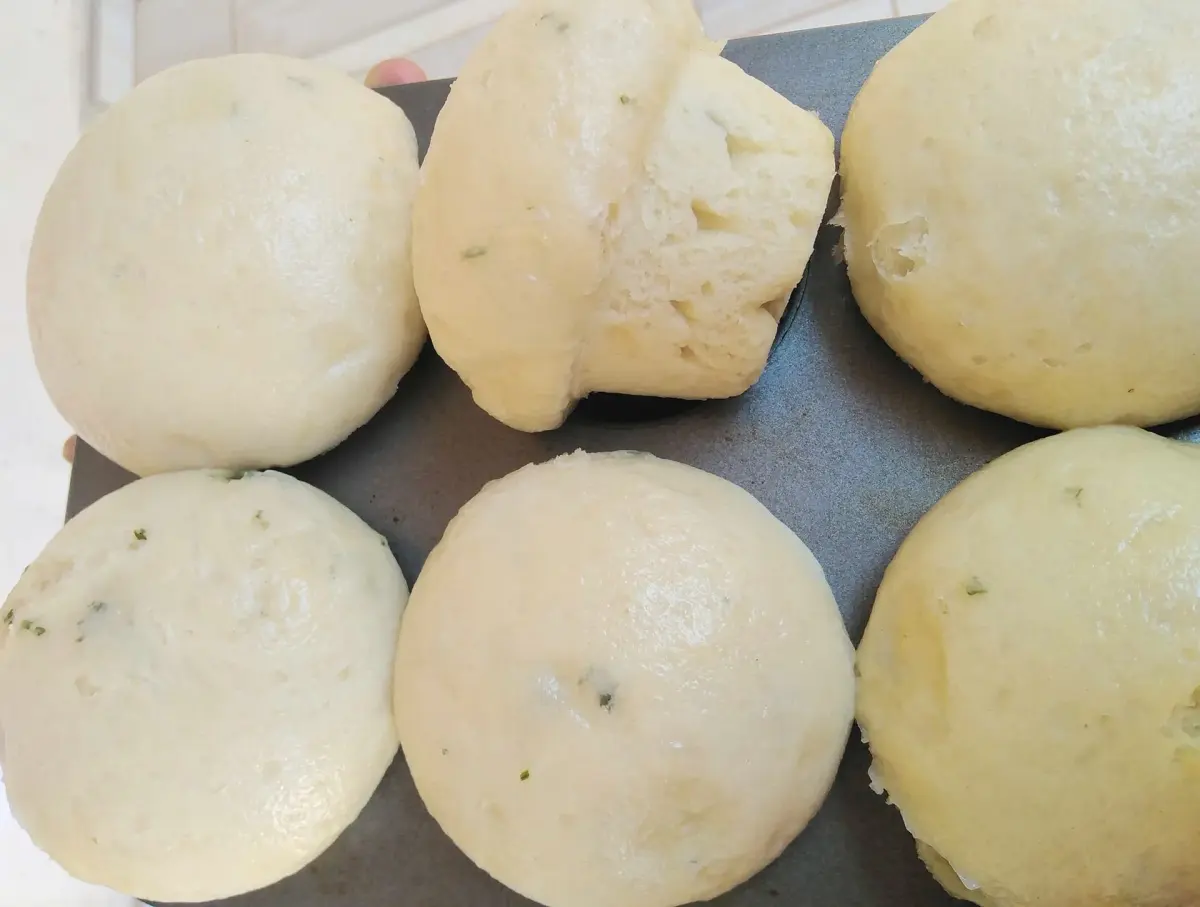
Dombolo (Dumplings or Steamed Bread)

Boeber (Cape Malay Sweet Milk Drink)