

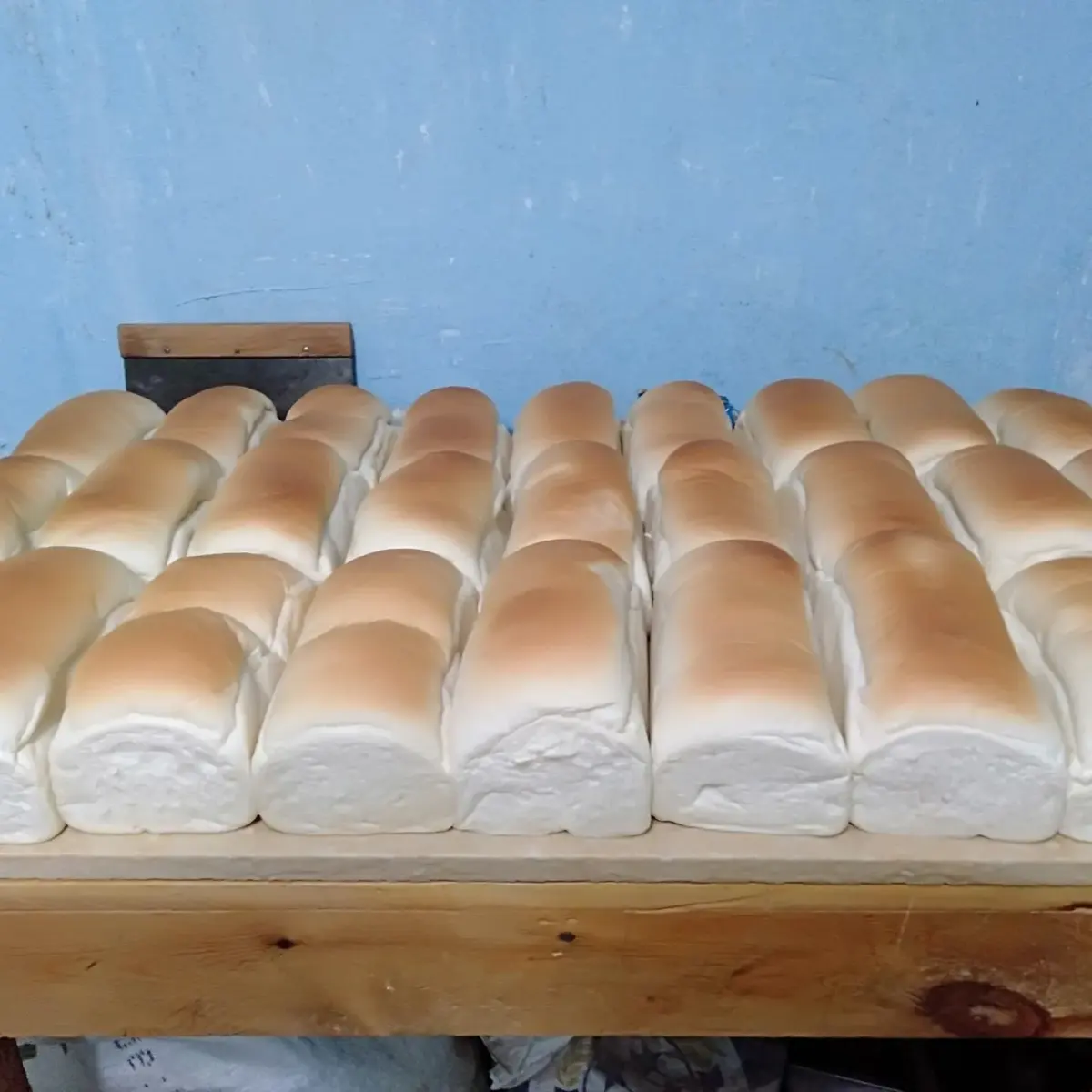
Agege Bread
Aperçu
Agege bread is named for a suburb of Lagos, and the naming is the whole story: a bread so associated with one district that the district's name became the product. It is soft, pillowy, slightly sweet, and it pulls apart in strands rather than tearing cleanly, which is the texture Lagosians recognise before they taste anything. It is street food infrastructure. Agege bread is sold from bread hawkers' trays and roadside stands across Lagos and far beyond it, and its most characteristic use is the simplest one: torn and dipped into stew, particularly the pepper stews sold at the same roadside. It is also split around fried egg, sardines, butter or beans, and eaten walking. The bread has become a piece of Lagos shorthand, standing in for a whole way of eating in the city, and for many Nigerians abroad it is the specific bread they mean when they say they miss bread from home. That reputation has produced a persistent confusion with Jamaican hardo bread, which it resembles in shape and softness. Agege bread is Nigerian, from Lagos, and named for the place that made it.
Note de Patrimoine AFN
Agege bread takes its name from the Agege district of Lagos, Nigeria, where the style of soft, slightly sweet leavened loaf became established and from which it spread nationally. Its earliest documented date is uncertain.
Ingrédients
Les mentions alimentaires sont fournies par les contributeurs à titre indicatif. Elles ne sont pas vérifiées par AFN et dépendent des produits que vous achetez. En cas d’allergie grave, vérifiez vous-même chaque ingrédient. Cuisine, allergies et votre propre jugement
Préparation
- 1
Combine the warm water and sugar in a small bowl and stir until the sugar dissolves.
- 2
Sprinkle the yeast over the sugar water, stir gently, and leave for 5 to 10 minutes until frothy. This shows the yeast is active.
- 3
Combine the flour and salt in a large mixing bowl.
- 4
Make a well in the centre and pour in the yeast mixture, the softened butter and the milk.
- 5
Work the flour into the wet ingredients with a wooden spoon or your hands until a dough forms.
- 6
Turn the dough onto a floured surface and knead for 10 to 15 minutes until smooth, elastic and no longer sticking to your hands. Add a little more flour if it is too sticky.
- 7
Place the dough in a greased bowl, cover with a kitchen towel or plastic wrap, and leave to rise in a warm place for 1 to 2 hours until doubled in size.
- 8
Knock the risen dough down. Divide it into equal portions depending on the loaf size you want.
- 9
Shape each portion into a round or oval loaf and place in a greased baking pan. Cover and leave to rise again for 30 to 45 minutes.
- 10
While the dough rises, preheat the oven to 175°C.
- 11
Brush the risen loaves with beaten egg for a shiny crust. Bake for 25 to 30 minutes, until golden brown and hollow sounding when tapped underneath.
- 12
Leave the bread to cool in the pans for a few minutes before turning out.
Notes de l’Africook
 Notes personnelles de Deborah Olayiwola
- Knead longer than feels necessary. The stranded, pull apart crumb that makes agege bread recognisable comes from well developed gluten, and 10 to 15 minutes by hand is a genuine minimum.
- Half a cup of sugar is correct and is not a typo. The faint sweetness is characteristic, and it is what makes the bread work against a hot pepper stew.
- The egg wash is what gives the deep glossy top. Skipping it produces a pale matte loaf that tastes right and does not look right.
- Do not cut it hot. The crumb is still setting, and slicing straight from the oven compresses it into something dense.
- It keeps 2 to 5 days at room temperature and freezes well for several weeks if wrapped properly.
Questions fréquentes
Is agege bread Jamaican?
No. It is Nigerian, named for the Agege district of Lagos where the style became established. The confusion is understandable, because Jamaican hardo bread is similarly shaped, dense and slightly sweet, and the two are sometimes sold side by side in the same diaspora shops. They developed separately and are not the same bread.
What makes agege bread different from ordinary white bread?
The crumb and the sugar. Agege bread is kneaded to a well developed gluten structure that pulls apart in strands rather than tearing, and it carries noticeably more sugar than a European style white loaf. The result is softer, denser and faintly sweet, which is exactly what makes it work torn and dipped into a hot pepper stew.
What is agege bread eaten with?
Torn and dipped into stew is the most characteristic use, particularly a Nigerian pepper stew such as buka stew. It is also split around fried egg, sardines, butter, beans or akara, and eaten as a street breakfast. Plain with tea is common. It rarely appears as a sandwich in the European sense.
How long does agege bread keep?
Two to five days at room temperature depending on how it is stored, and longer somewhere cool and dry. Keep it wrapped, because the soft crumb dries out fast once exposed. It freezes well for several weeks if wrapped properly, and toasts well past the point where it is pleasant fresh.
Avis
2 avis
Vous Aimerez Aussi
Voir toutes les recettes Nigeria →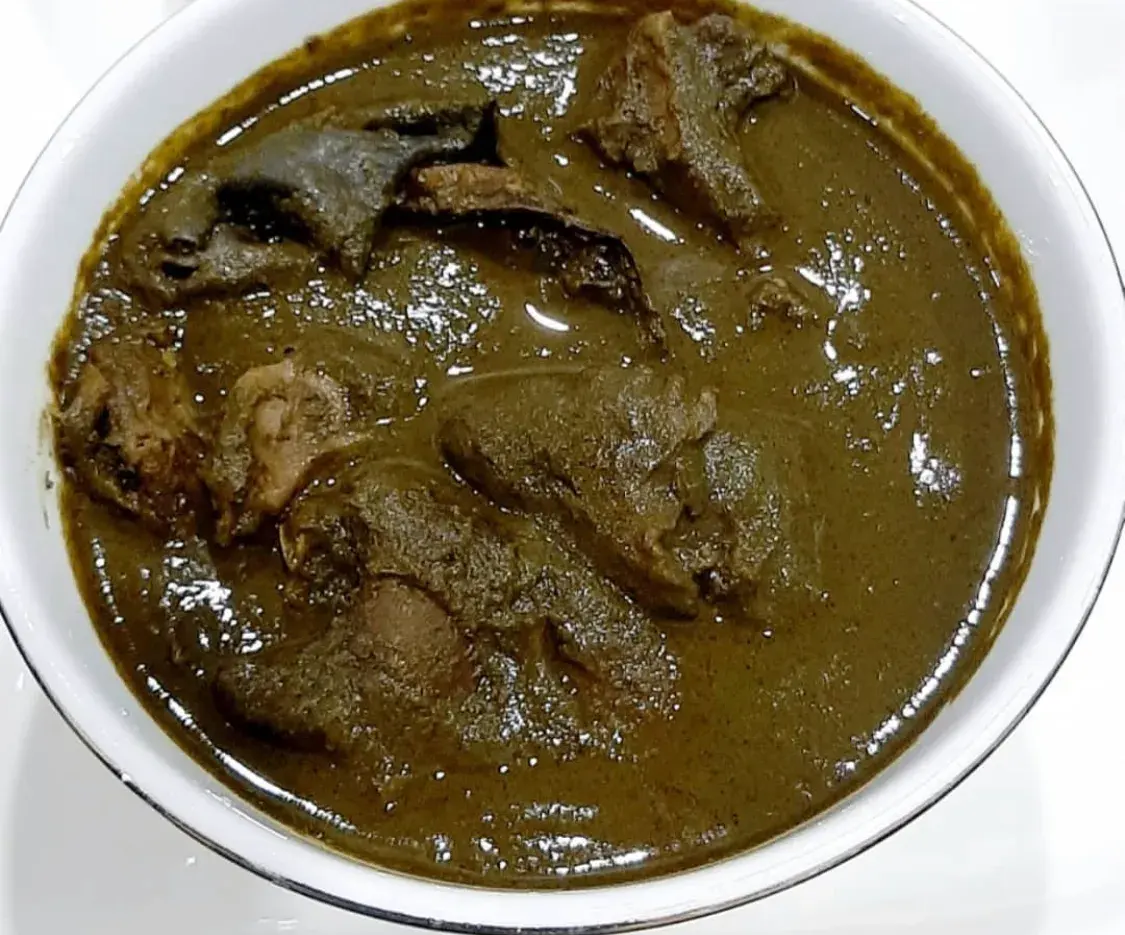
Edo Black Soup
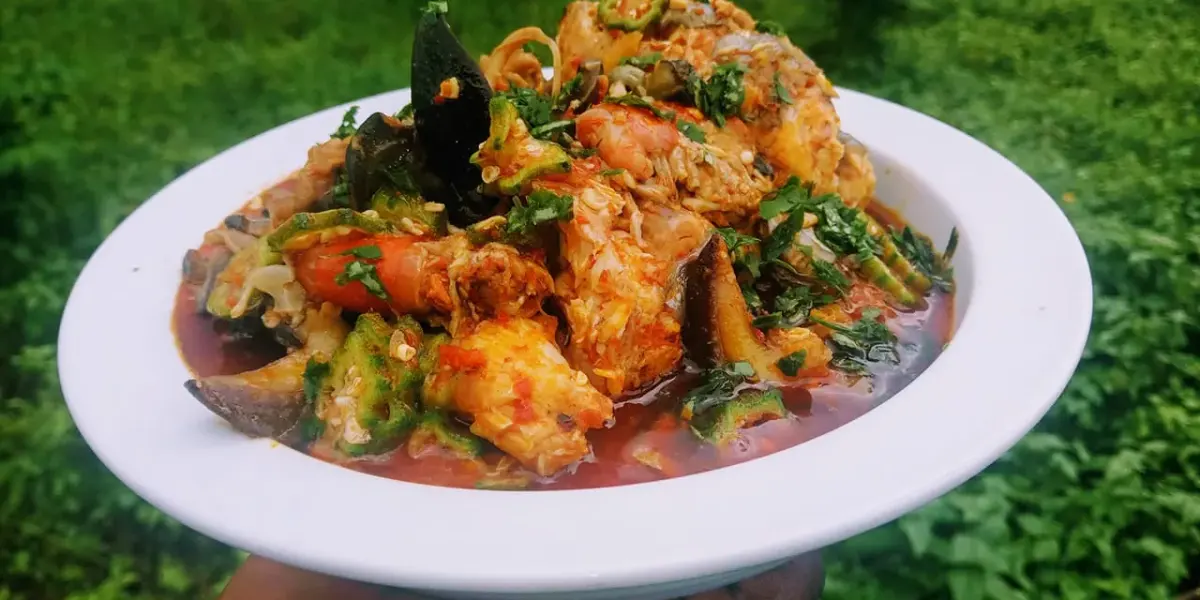
Nigerian Fisherman Soup
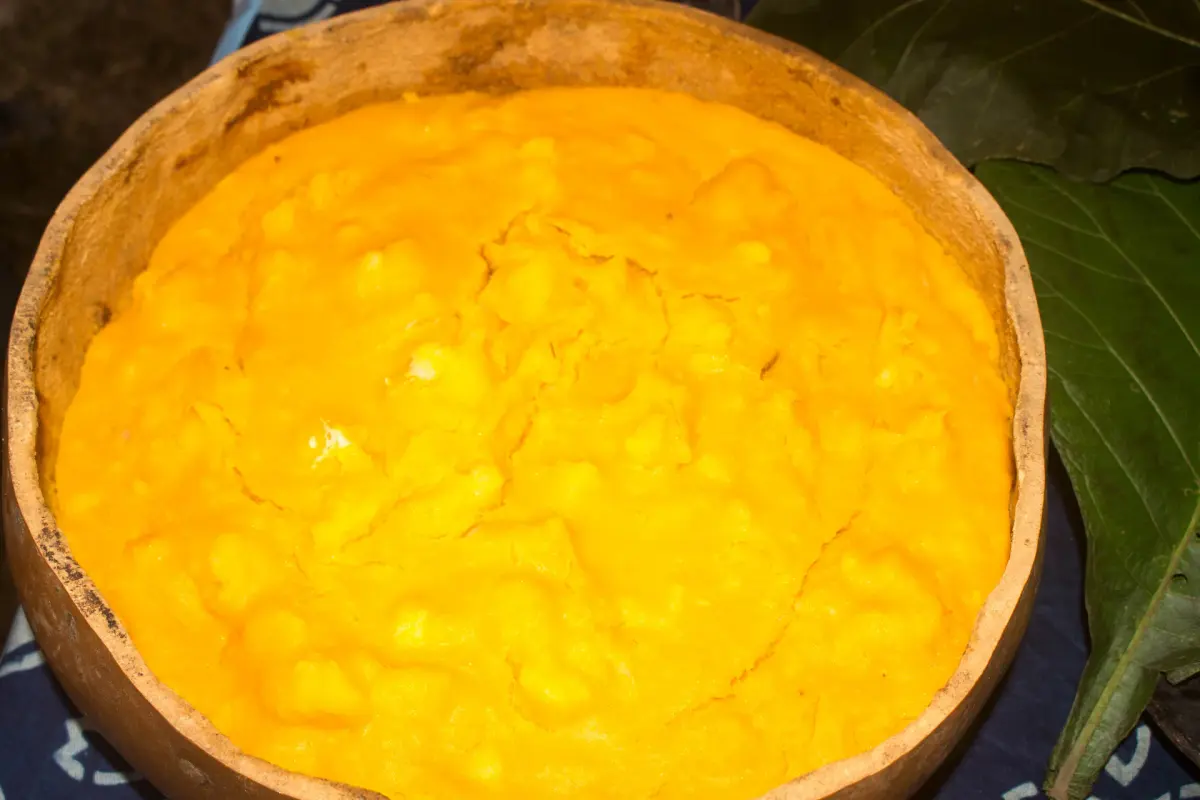
Igbo Yam Porridge
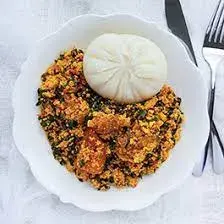
Finding proper agege bread in Atlanta is nearly impossible unless you drive all the way to Duluth, so I gave this recipe a go. That 1/4 cup of whole milk combined with the butter gave it that dense, stretchy crumb we know back home. Ate half the loaf hot with fried eggs, e sweet no be small thing o. My oven needed 24 mins to brown properly though.
my yeast took almost 12 minutes to froth up in the sugar water because my warm water was a bit cool sha, but the dough rose nicely during the prep. baked for exactly 20 minutes and the crust was soft just like the one from the local bakery here in Ibadan. eating it with hot ewa aganyin right now.