

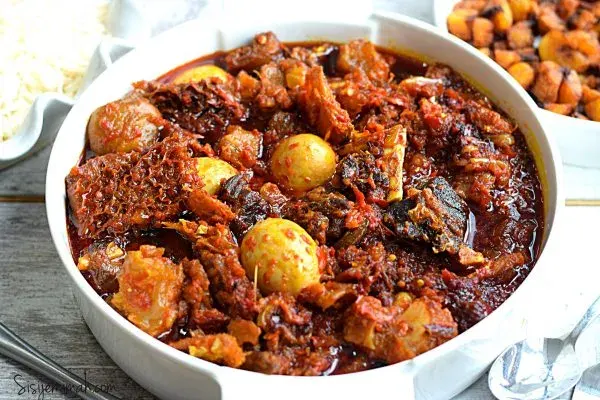
Buka Stew With Assorted Meats (Obe Ata)
Aperçu
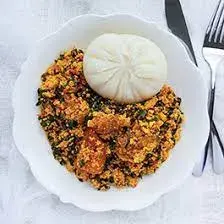
Buka stew is the pepper stew of western Nigeria, named for the places that made it famous. A buka is a small, cheap local eating house, and the buka is where working Lagos eats: fresh food, several dishes, no cooking at home, and no pretensions about any of it. The stew belongs to those kitchens and carries their signature. It is a pepper stew rather than a tomato stew, and the distinction is the whole recipe: tatashe and rodo dominate and tomato is kept back, which is the reverse of the everyday Nigerian stew ratio. The palm oil is bleached first, heated until it changes character, and that step produces the specific aroma that makes a buka identifiable from the street. Seasoning is kept minimal on purpose, because the peppers and the oil are doing the work. It is made with assorted meats, the cow parts that a household kitchen might skip and a buka never does, deep fried before they go into the pot. The women who run these kitchens are known collectively in Nigerian speech as Iya Basira, a name that stands in for all of them, and mama put is what the roadside version is called. Buka stew is eaten with white rice, beans, yam, fried plantain or agege bread.
Note de Patrimoine AFN
Buka stew is documented as the pepper stew of the buka, the small local eating houses of western Nigeria, and is known in Yoruba as obe ata. The word buka entered Yoruba usage from Hausa, reflecting the movement of the eating house form southward within Nigeria.
Ingrédients
Les mentions alimentaires sont fournies par les contributeurs à titre indicatif. Elles ne sont pas vérifiées par AFN et dépendent des produits que vous achetez. En cas d’allergie grave, vérifiez vous-même chaque ingrédient. Cuisine, allergies et votre propre jugement
Préparation
- 1
Put the palm oil in a pot and bleach it for about 10 to 15 minutes. Add a small bulb of onion and discard it afterwards. Leave the oil to cool completely.
- 2
Put the assorted meat in a pot and boil until done. Take it out and fry it, either in the bleached oil or in a fresh batch of vegetable oil.
- 3
Blend the tomatoes, peppers and onion roughly.
- 4
Set a small portion of the oil aside for later. Reheat the rest, then add chopped onions, the locust beans and a seasoning cube.
- 5
Fry for about 3 minutes, then add the blended pepper mixture.
- 6
Cook for about 15 minutes with the pot uncovered, stirring often so it does not catch.
- 7
Add the assorted meats, fish and beef stock, and leave to simmer.
- 8
The stew is ready when the oil floats to the top.
- 9
Add the oil that was set aside earlier.
- 10
Cook for a further 10 minutes.
Notes de l’Africook
 Notes personnelles de Jennifer Ezeokoli
- Cook the whole thing with the pot open. Covering it causes condensation to fall back in, and that changes the flavour away from what a buka stew should be. This is the single most important rule in the recipe.
- Use far more pepper than tomato. This is a pepper stew, not a tomato stew, and equal quantities give you an ordinary Nigerian stew instead.
- Bleach the palm oil properly and let it cool with the lid on before you open it. The smoke is severe, and opening the pot early fills the kitchen.
- Keep the seasoning minimal. Salt and seasoning cubes are all that is needed, and additional spices pull the stew away from the buka character.
- Season the meat well and give it enough water to yield a real stock, which goes back into the stew later and carries a great deal of the flavour.
Questions fréquentes
What does it mean to bleach palm oil, and why is it done?
Bleaching means heating the palm oil in a covered pot for 10 to 15 minutes until it changes colour and character, losing its raw fruitiness and taking on a deeper, smokier note. It is fundamental to buka stew and is one of the main reasons the stew smells the way it does. Let the pot cool with the lid on before opening it, because the smoke is considerable.
What is the difference between buka stew and ordinary Nigerian stew?
The pepper to tomato ratio and the oil. Everyday Nigerian stew uses roughly equal tomato and pepper; buka stew is dominated by tatashe and rodo with tomato held right back, which gives it a much sharper, hotter profile and a deeper red. It also uses bleached palm oil rather than vegetable oil, and it is cooked with the pot uncovered throughout.
What meats go into buka stew?
Assorted is the point. Beef, cow tripe, shaki, intestines and other offal cuts are used together, along with smoked fish, and they are boiled then deep fried before going into the pot. Goat adds a smoky depth that many cooks prefer. A buka stew made with one clean cut of beef is not wrong, but it is missing the range of textures the dish is built on.
How do I make buka stew less hot?
Take the seeds out of the bell peppers and reduce the number of habaneros, adding them back gradually to taste. Increasing the tomato slightly also softens it, though that moves you towards an ordinary Nigerian stew. Twenty habaneros is a genuine Nigerian heat level and is not a misprint.
Avis
6 avis
Vous Aimerez Aussi
Voir toutes les recettes Nigeria →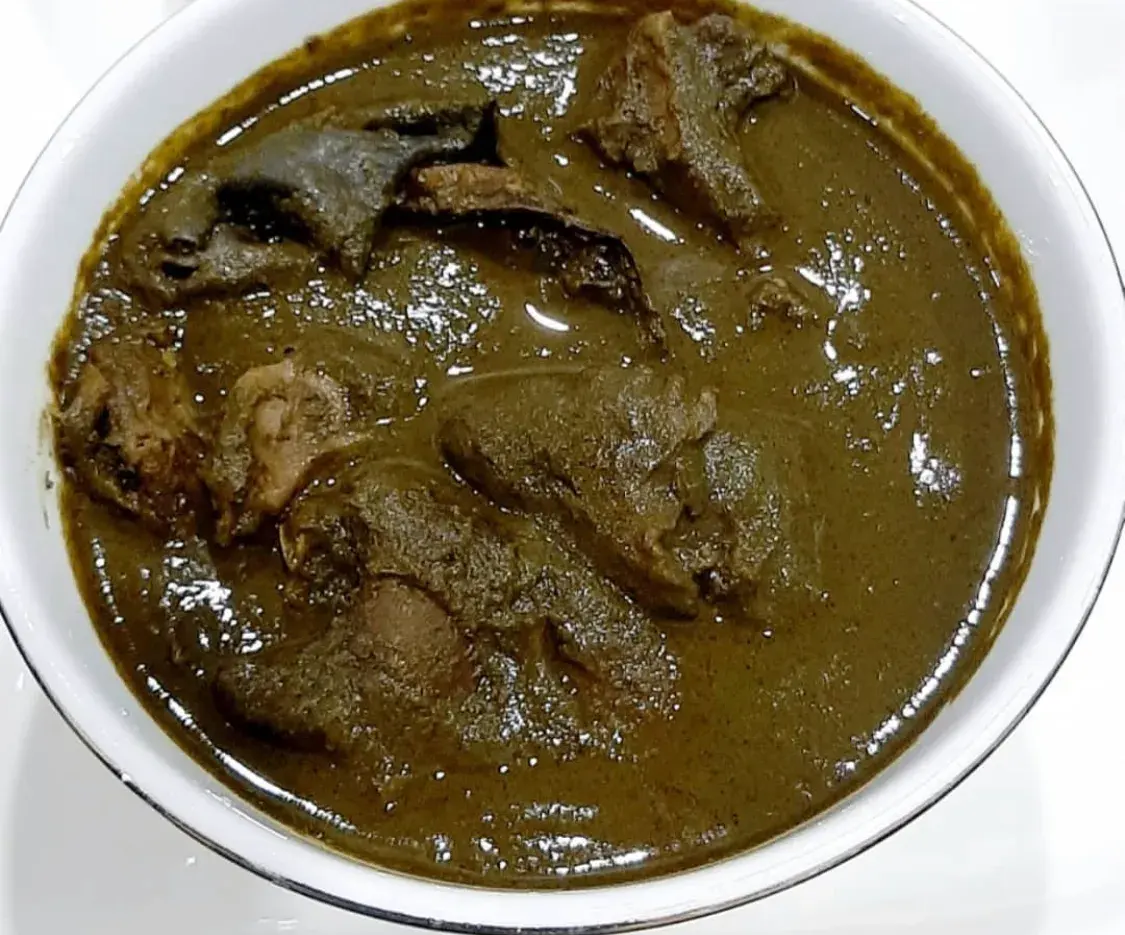
Edo Black Soup
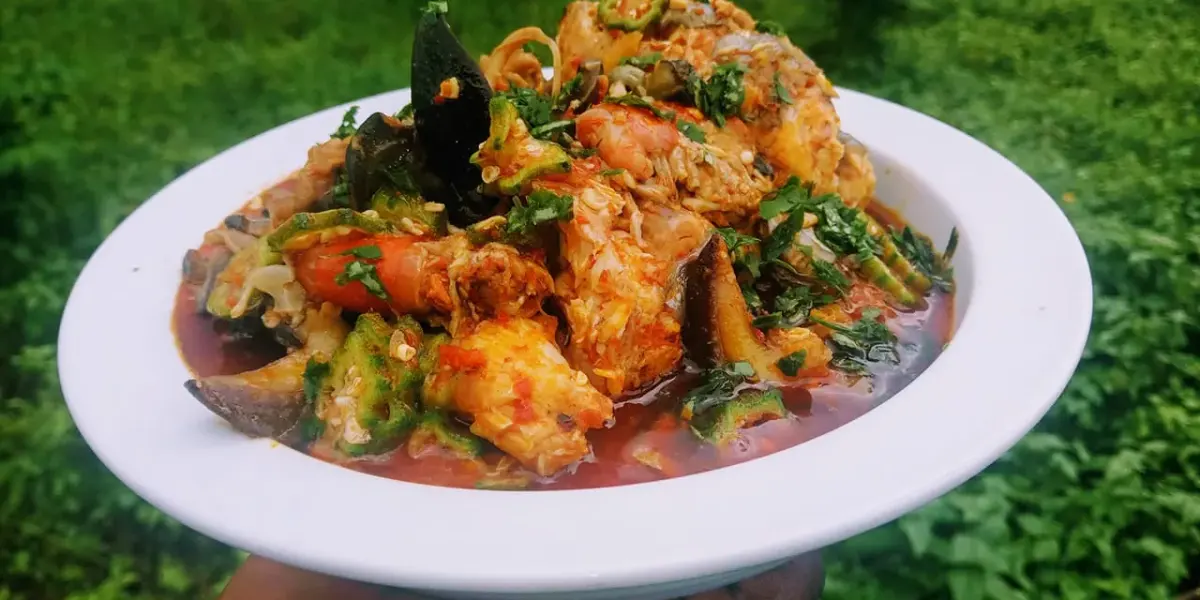
Nigerian Fisherman Soup
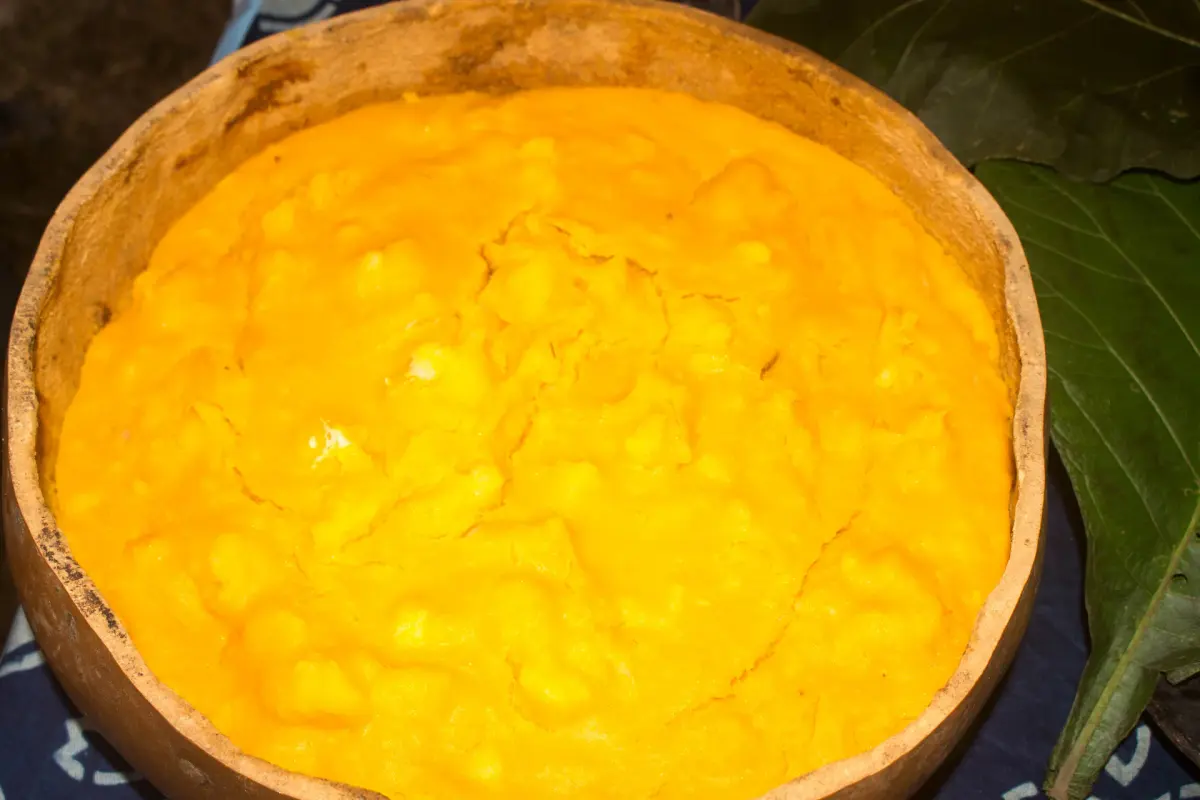
Igbo Yam Porridge
chale 15 minutes to bleach the palm oil was far too long for my stainless steel pot, my whole flat filled with smoke and I had to open all windows in the cold. Next time ill stop around 8 minutes max. The tripe and crayfish from Kirkgate market in Leeds were fresh though, and rough blending the green peppers gave a good coarse texture.
bleaching that palm oil in my dallas apartment almost set off the smoke alarm sha! But it was so worth it. couldnt find green tatashe at Southwest Farmers Market so I substituted green bell peppers with 18 green habaneros. dropping the hard boiled eggs in right at the end took me straight back to buka spots in Lagos. e sweet totaly o.
Herh, the smell of frying iru in bleached palm oil inside my kitchen brings back proper memories paa! Got the smoked fish and locust beans from Tottenham High Road market. Used green bell peppers since green tatashe is hard to spot around here. Very rich stew, though my husband insists we need a few more tomatoes next time oo.
Used dawadawa from the African store in Brooklyn Park and bought my halal beef and shaki from the Somali butcher on Lake Street. The green habanero heat is no be small thing o! My family loved the sauce over rice, but next time ill cut down to 12 peppers because 20 was absolute fire sha.
Tried this over the weekend in Joburg. Bleached the 20cl palm oil with the onion bulb as instructed then let it cool down before frying the tripe and beef. The crayfish and locust beans give it such a lekker deep savoury smell. The 4 boiled eggs absorbed the pepper sauce so well.
How many tomatoes did you add