

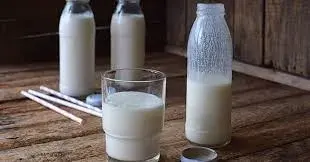
Amasi Recipe
Aperçu
Amasi is fermented milk, thick and sharply sour, and it is one of the oldest things eaten in southern Africa. Unpasteurised cow's milk is left to ferment until it separates into a watery liquid called umlaza and the thick curd that is amasi itself, and the separation is the process rather than a fault in it. It carries names in most of the region's languages: amasi in isiZulu and isiXhosa, maas in Afrikaans, mafi in Sesotho, magege in Xitsonga. That spread of names across unrelated language families is a reliable indication of how long and how widely a food has been eaten. Amasi is associated particularly with Zulu and Xhosa households, where it was made in a calabash or a hide bag and served in a clay pot with wooden spoons. Its usual place is over pap. The sour milk against the neutral maize is a pairing that predates any of the dairy products it now sits beside on a supermarket shelf, and it remains an everyday South African food rather than a revived one. Commercial maas is sold nationally, which has changed how it is obtained without much changing what it is.
Note de Patrimoine AFN
Amasi is documented among Nguni cattle keeping communities of southern Africa, where fermenting milk in a calabash or hide container preserved it without refrigeration, and it appears under cognate or parallel names across isiZulu, isiXhosa, Sesotho, Xitsonga and Afrikaans.
Ingrédients
Les mentions alimentaires sont fournies par les contributeurs à titre indicatif. Elles ne sont pas vérifiées par AFN et dépendent des produits que vous achetez. En cas d’allergie grave, vérifiez vous-même chaque ingrédient. Cuisine, allergies et votre propre jugement
Préparation
- 1
Pour the amasi starter culture into a clean glass jar.
- 2
Add the milk to the jar.
- 3
Stir thoroughly. No electric mixer is needed.
- 4
Cover the jar with muslin cloth or a coffee filter and secure with a rubber band.
- 5
Store at room temperature, around 20 to 25°C, out of direct sunlight and away from any direct heat source.
- 6
Leave for 12 to 24 hours or longer, until it sets like gelatine. Tilt the jar to test: it should pull away from the side as a single mass.
- 7
Once set, cover and refrigerate for 7 hours. Do not stir.
- 8
Serve in a calabash with a wooden spoon.
Notes de l’Africook
 Notes personnelles de Jennifer Ezeokoli
- Cleanliness decides the outcome. Any competing bacteria in the jar will produce an off ferment rather than amasi, so sterilise the jar and use a clean cloth.
- Temperature controls the timing. At 20 to 25°C it sets in 12 to 24 hours; a cold kitchen can double that. Judge by the set rather than the clock.
- Do not stir once it has set. Stirring breaks the curd and gives a thin, grainy result instead of a single thick mass.
- Keep two tablespoons of each batch back as the starter for the next one. That is how the culture is carried forward in households that make it regularly.
- It is eaten over pap, drunk on its own, and used in place of buttermilk in baking.
Questions fréquentes
Is amasi the same as buttermilk or kefir?
None of the three are the same. Amasi is milk fermented by naturally occurring lactic acid bacteria to a thick, tangy curd. Cultured buttermilk uses a specific commercial culture and stays pourable. Kefir is fermented with kefir grains, which contain yeasts as well as bacteria, so it is slightly effervescent and thinner. Amasi is the thickest and the most sour of the three.
Can I make amasi without a starter culture?
Traditionally it is made by leaving unpasteurised milk to ferment on its own bacteria in a calabash. With pasteurised shop milk that will not work reliably, because the bacteria that would have done the work have been killed, so you need a starter. Commercial maas or a previous batch of amasi both work as starters.
Why is my amasi runny instead of thick?
Usually not enough time, too low a temperature, or milk that was too low in fat. Full fat milk sets considerably firmer than semi skimmed. If it has been 24 hours and it is still loose, give it longer in a warmer spot before giving up on it, and check that you did not stir it partway through.
How is amasi eaten?
Most commonly poured over pap, the stiff maize porridge, which is the standard South African pairing. It is also eaten on its own with a spoon, drunk, and used in baking where a recipe calls for buttermilk. In Zulu and Xhosa households it is served from a clay pot or calabash with wooden spoons.
Avis
7 avis
Vous Aimerez Aussi
Voir toutes les recettes South Africa →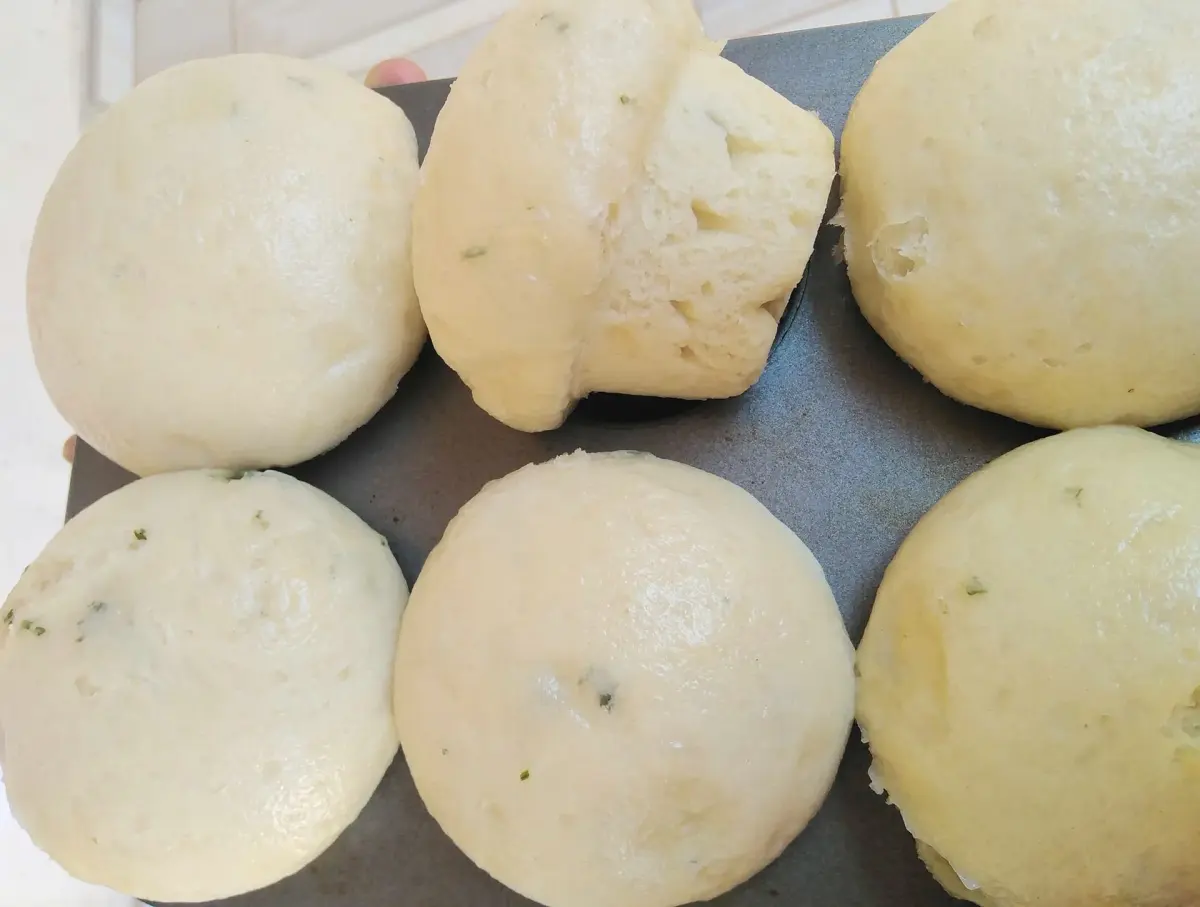
Dombolo (Dumplings or Steamed Bread)
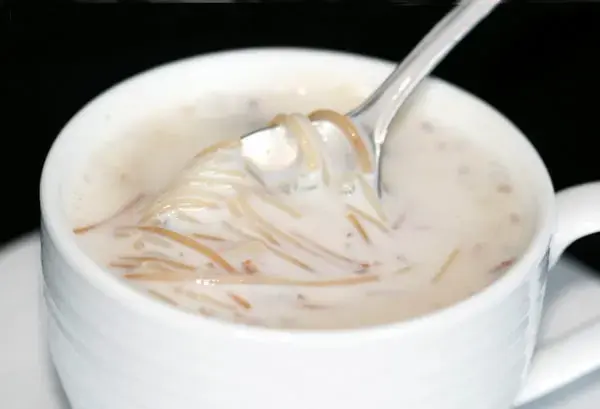
Boeber (Cape Malay Sweet Milk Drink)
Can I make amasi with shop milk, or does it have to be raw?
Pasteurised milk will not sour the same way on its own, because the bacteria that do the work have been removed. You need to add them back with a starter, which can be a few spoons of existing amasi or a plain live culture. Keep it somewhere warm and undisturbed. Raw milk ferments unaided, which is why the traditional method assumes it.
Herh, finding authentic amasi starter in Tottenham was not easy at all oo! I had to go to a South African shop in Wimbledon to get a bit of live culture. Used organic Gold Top milk from Sainsbury's and covered the jar with a coffee filter. Left it 30 hours near the radiator because London weather is cold chale. Worked like a charm in the end.
This process is almost identical to how my mum makes homemade dahi, setting the culture in warm milk overnight. Used full fat organic jersey milk and wrapped the jar in a tea towel to keep the temp steady in my Leicester kitchen. Thickened up brilliantly with that lovely tangy taste.
The 20 to 25 degrees room temperature recommendation is tricky for us here chale. Our ambient heat makes the milk ferment way faster than 30 hours, so mine separated into curds and whey after just 18 hours oo. Still tasted alright but a bit too tart because of the heat.
Used 500ml Clover full cream milk with the 2 tbsp starter culture. Kept the jar in the cupboard above the fridge where it stays around 22°C. Left it for just over 30 hours until it thickened up nicely. Tasted lekke with my phutu pap after our braai last night.
My grandmother used to ferment raw milk in a calabash back in the day, so using a glass jar with muslin cloth feels very modern paa! Just a quick question though, if I double the milk to 1 litre, do I also double the starter to 4 tablespoons or keep it at 2?