


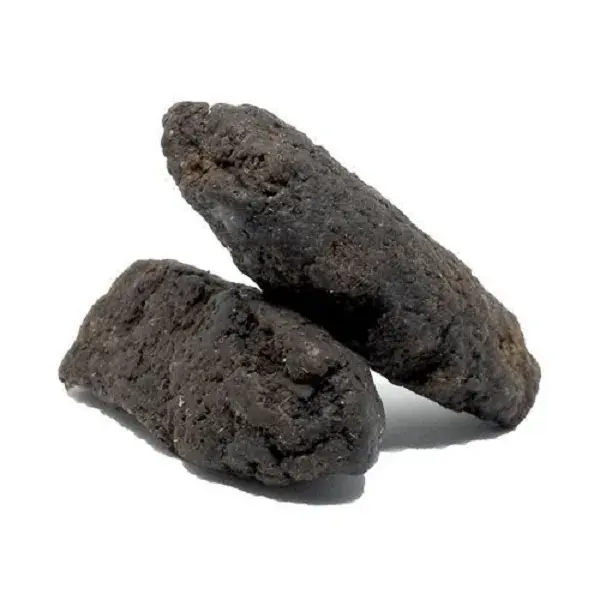
I was making Oha soup the other day, so I had to buy Ogiri as part of the necessary ingredients. As usual it stank up the whole kitchen when I opened it up. I have been using Ogiri for some time, but I was drawn to just check what it is actually made of.
Ogiri is a flavoring made of fermented oil seeds, such as sesame seeds or egusi seeds. The process and product are similar to iru or douchi. Its smell is like cheese, miso, or stinky tofu.
Ogiri is best known in West Africa. It is popular among the Igbo and Yoruba people of Nigeria. Ogiri made in the traditional West African way only contains sesame seeds, salt, and water.
What Is Ogiri Made out Of?
The Egusi seeds/ugba seeds are boiled until very soft. They are then wrapped tightly in banana leaves and left to ferment in large clay pots for about five days. After fermentation is complete, it is smoked for 2 hours and mashed into an oily paste which is ogiri.
Ogiri igbo follows the same process but the fermentation process could take three to five days. The longer the fermentation process, the stronger the Pungent smell, flavor and value.
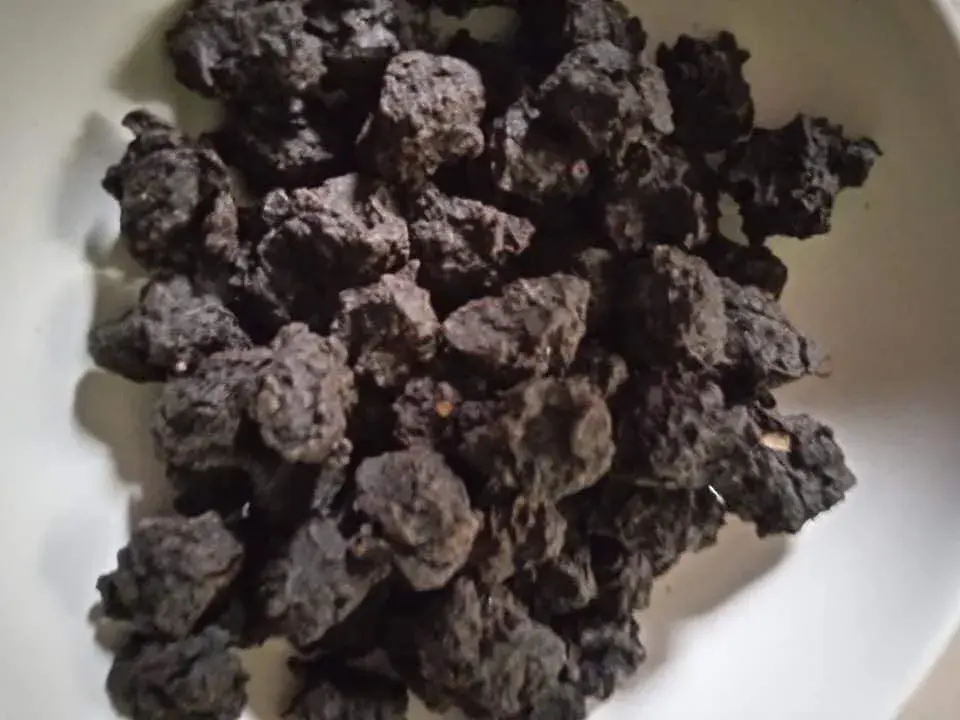
Ogiri has an oily grey pasty consistency and a very strong pungent smell. The smell is greatly reduced when frozen.
This condiment is known to have a strong pungent aroma and is mostly added to soups to give them a traditional strong flavor. Ogiri, irrespective of the strong pungent smell comes with a lot of amazing health benefits. The fermented locust bean seed is used in controlling diabetes and cholesterol levels, it helps to promote good sight and aids digestion, it is used for treating stroke and hypertension.
What Is Ogiri Called in English?
Ogiri is called Locust beans in English and it goes by different names across the different tribal groups in Nigeria. The Yorubas commonly refer to it as 'Iru'. For the Igbos, it is known as 'Ogiri' or 'Dawa Dawa'.
The Hausas call it 'Daddawa', while the Edos refer to it as 'Ikhur'. The Tiv tribe knows it as 'Ityuna'. Other names include 'Dawadawa' by the Efiks & Ibibios, 'Ofor' by the Idomas, and 'Okpiye' by the Urhobos.
Regardless of the name, it occupies a place of prominence in dishes across tribes.
What Does Ogiri Taste Like?
When you take a bite, the first thing you'll notice is its powerful, funky aroma, followed by a salty-sweet and deeply savory taste. The flavor has been described as nutty, pungent, and fermented, with an almost cheese-like richness. The soft, creamy texture also delivers a subtle crunch from the grounded locust bean seeds.
How Is Ogiri Used?
In West African cuisine, ogiri is used as a versatile flavor enhancer to lend a savory, nutty taste to dishes. It can be added during cooking or used as a condiment at the table. Ogiri is commonly found in Nigerian soups like egusi, ogbono, okra, and bitterleaf, where it elevates the taste and gives body to the broth.
It's also used to season rice, bean porridge, green leafy vegetables and tubers like yam and cassava. Ogiri can be blended with spices as a rub for grilled meat or added to stews for extra aroma. The possibilities are endless!
What To Know:
- Ogiri is very popular among the Igbo people as it is used in preparing local soups such as ofe onugbu, ofe akwu (banga soup), ofe oha, ofe nsala etc.
- Traditional ogiri is made from sesame seeds, salt and water.
- Locust beans is commonly known as iru or igba by Yorubas.
- Locust beans is known as ogiri, dawa dawa or ogiri okpi by Igbos.
- Locust beans is known as dorowa by Hausas.
- Locust beans are useful for boosting the immune system.
- Ogiri is characteristically dark-brown in appearance.
- Ogiri is produced from leguminous seeds that are highly protienous and healthy.
- The fermented seed is used in controlling diabetes and cholesterol levels.
- It helps in promoting good sight and aids digestion.
- Ogiri contains tannins, astringent substances found in many plants. Foods rich in tannins are often recommended for treatment of diarrhoea.
- Ogiri is rich in dietary fibre protein.
- The importance of ogiri is recognized both regionally and internationally.
- In some societies on the African continent, ogiri is not an ordinary food item but a therapeutic food and a source of income.
- Ogiri is a healthier option than most spices.
- Ogiri can be added to almost anything; it improves the quality of food.
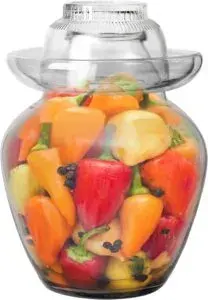
Suggestions For Best Fermentation Jars

Buying ogiri on Rye Lane is always an event sha. I have to wrap it in three freezer bags before putting it in my handbag, otherwise everyone on the 36 bus will be looking at me sideways. But you really cannot make proper oha or bitterleaf soup without that castor seed funk, no stock cube can replace it.
The triple-bagging ritual is so real. I have to wrap my fermenting teff batter in three layers of plastic before driving back from the market here in Seattle, or my whole car smells for a week. But you are completely right, that deep, wild fermentation gives a depth that no stock cube or shortcut can ever replicate.
You should have mentioned the difference between ogiri igbo made from castor seeds and ogiri okpei from egusi o. If you use okpei inside oha soup instead of the soft wrapped castor seed one, the taste will be completely different. That heavy smell when you open the leaves is how you know the soup will sweet!
Very interesting ingredient, we don't have anything quite like fermented castor seeds in Cape Malay cooking. Is the fermentation process just done naturally with heat and leaves, or do they add salt to draw out the moisture? Always looking for deep savory plant-based flavors that are strictly halal.
That intense fermented smell description reminds me of how my uncle reacts to heavy fish paste or dried snoek! Sounds like a serious umami booster though. Wonder if a tiny bit of this castor seed paste would work deep inside a slow-cooked beef potjie, or if the funk is too strong for red meat?