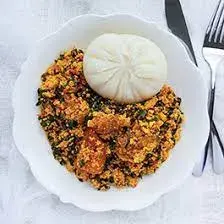

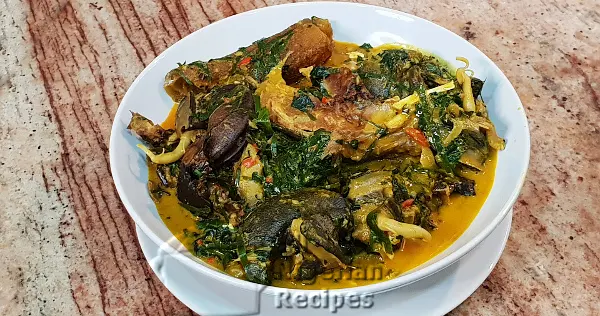
Ofe Owerri
London, United Kingdom · Voir toutes les recettes
Aperçu
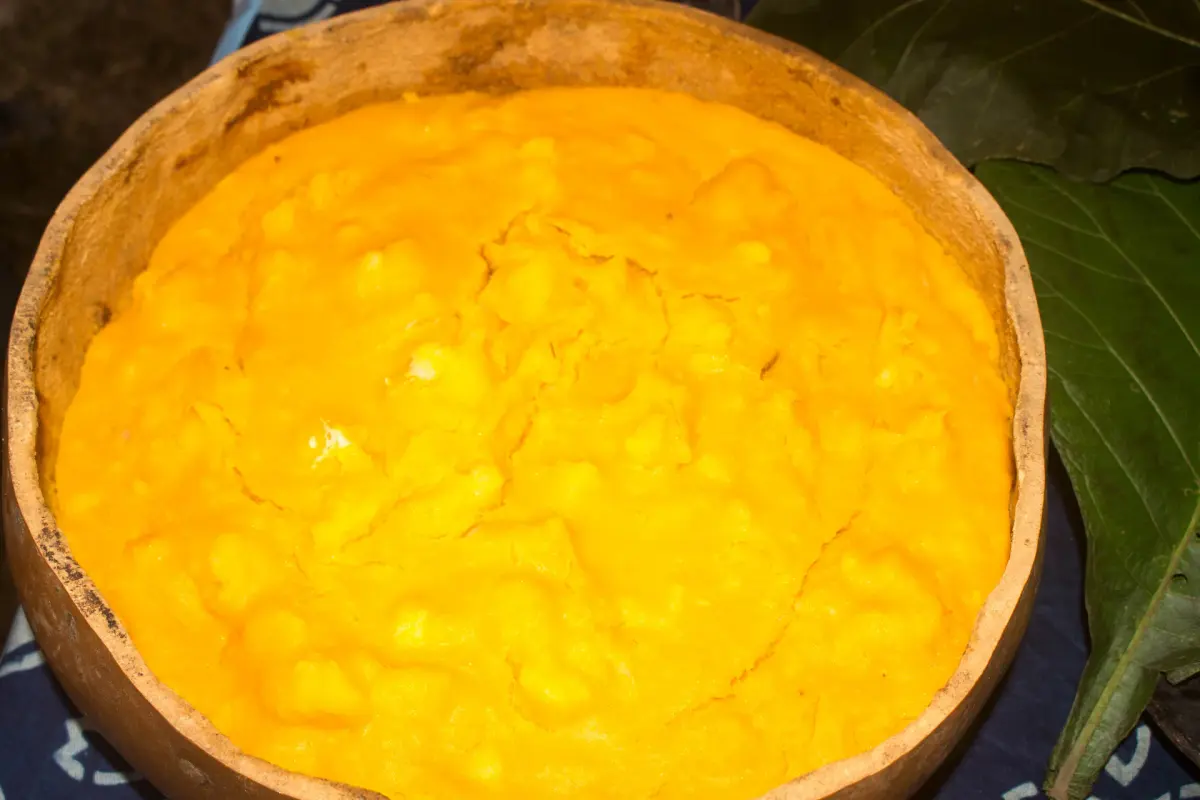
Ofe Owerri belongs to Owerri, the capital of Imo State, and it carries a reputation for expense that its own people made a joke of. The Igbo saying goes: onye n'ejighi ego ona eri ofe Owerri?, he who is not rich does not eat Ofe Owerri. The cost is in what goes into it. A proper pot carries assorted meat, stockfish, dried fish, periwinkle and other seafood in quantity, and the vegetables are not an afterthought either. Ugu and okazi are the standard pairing, with uziza or oha appearing in some households. The thickener is where cooks differ most, and the choice changes the soup. Ede, cocoyam, gives a smooth, heavy body. Ofo and achi are powdered thickeners that behave differently again, setting faster and lighter. Which one a family uses tends to be inherited rather than chosen. It sits alongside the other great soups of the southeast, afang, edikang ikong, nsala, and it is the one most associated with a table that wants to show what it can afford.
Note de Patrimoine AFN
Ofe Owerri is documented as a speciality of Owerri, Imo State, and its reputation is preserved in the Igbo saying onye n'ejighi ego ona eri ofe Owerri, he who is not rich does not eat Ofe Owerri.
Ingrédients
Les mentions alimentaires sont fournies par les contributeurs à titre indicatif. Elles ne sont pas vérifiées par AFN et dépendent des produits que vous achetez. En cas d’allergie grave, vérifiez vous-même chaque ingrédient. Cuisine, allergies et votre propre jugement
Préparation
- 1
Set the boiled meat on the stove. Top tip: the quantity of liquid in the pot should be just a bit less than the level of the meat and fish (see the video below).
- 2
Add crayfish and the dry fish. Cover and leave to boil.
- 3
When it boils, add the palm oil and the cocoyam paste (in lumps). Cover and continue cooking on high heat.
- 4
Once the soup thickens, you can see the consistency in the video below, take off the undissolved cocoyam paste (if any).
- 5
Add the chopped peppers and the vegetables.
- 6
Cover and once it boils again, add salt if necessary.
- 7
Stir very well and transfer the soup to a cool container immediately so the veggies will remain green.
Notes de l’Africook
 Notes personnelles de Nympha Nzeribe
- Slice the okazi very finely. It is fibrous and does not soften much in the pot.
- Choose one thickener and commit. Mixing ede with achi gives an unpredictable texture.
- Add the thickener gradually and let it work before judging, most set further off the heat.
- Keep the liquid low. This is a thick soup and it should not be soupy.
Questions fréquentes
Why is Ofe Owerri considered expensive?
Because of the quantity and variety of protein traditionally used, assorted meat, stockfish, dried fish, periwinkle and other seafood, all in one pot alongside a generous amount of vegetable. The Igbo saying about only the rich eating it is affectionate rather than literal, but it reflects a real difference in what the dish costs to make properly.
Which thickener should I use?
Ede (cocoyam), ofo and achi are all traditional and they behave differently. Cocoyam gives a smooth heavy body and takes longer; ofo and achi are powdered, set faster and give a lighter finish. Most families use whichever they grew up with. Pick one rather than combining them.
How is it different from afang or edikang ikong?
All three come from the southeast and share the assorted-protein approach, but the vegetables differ. Edikang ikong uses ugu and waterleaf; afang uses okazi and waterleaf; Ofe Owerri pairs ugu with okazi and sometimes uziza or oha, and is defined as much by its thickener as by its greens.
Avis
Soyez le premier à noter cette recette
Vous l’avez cuisinée ? Votre note aide la personne suivante à se décider.
Aucun avis sur cette recette pour le moment. Si vous l’avez cuisinée, le vôtre serait le premier.
Vous Aimerez Aussi
Voir toutes les recettes Nigeria →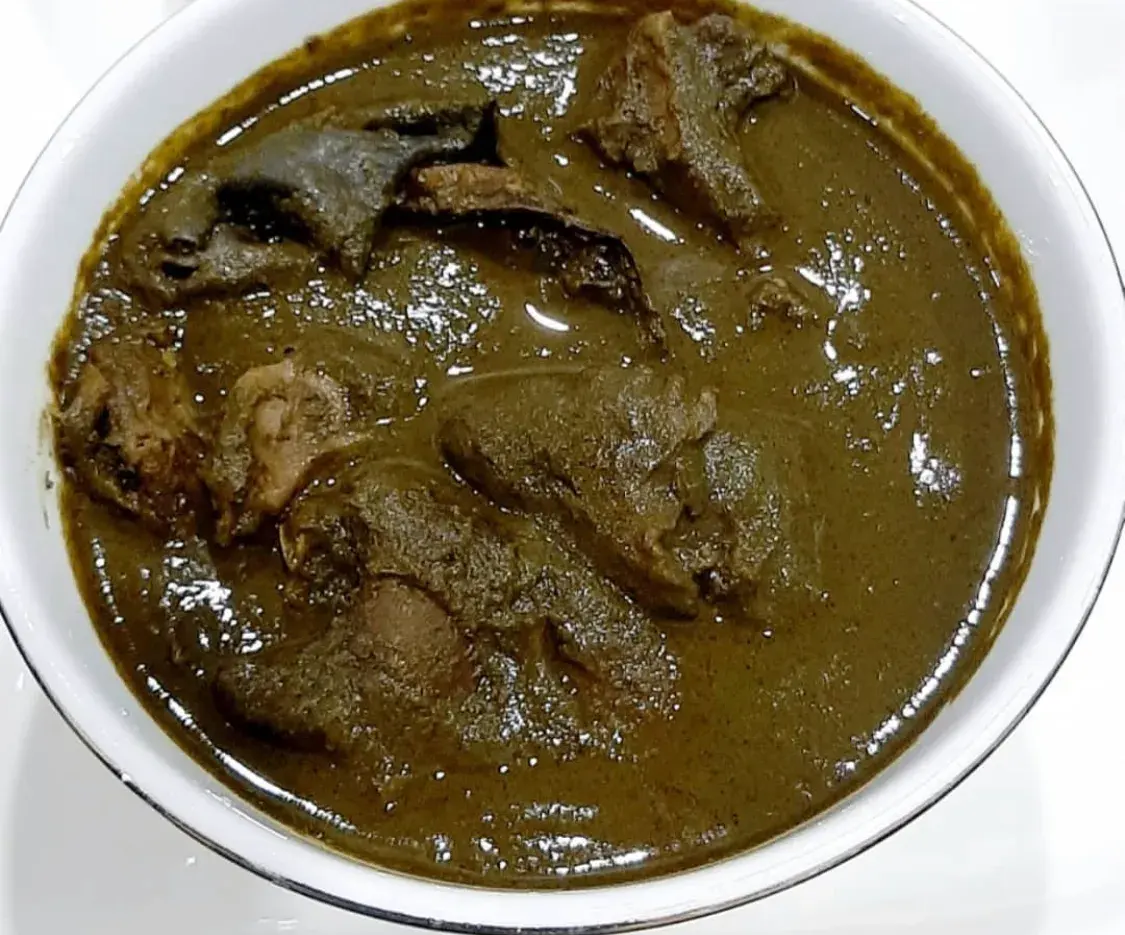
Edo Black Soup
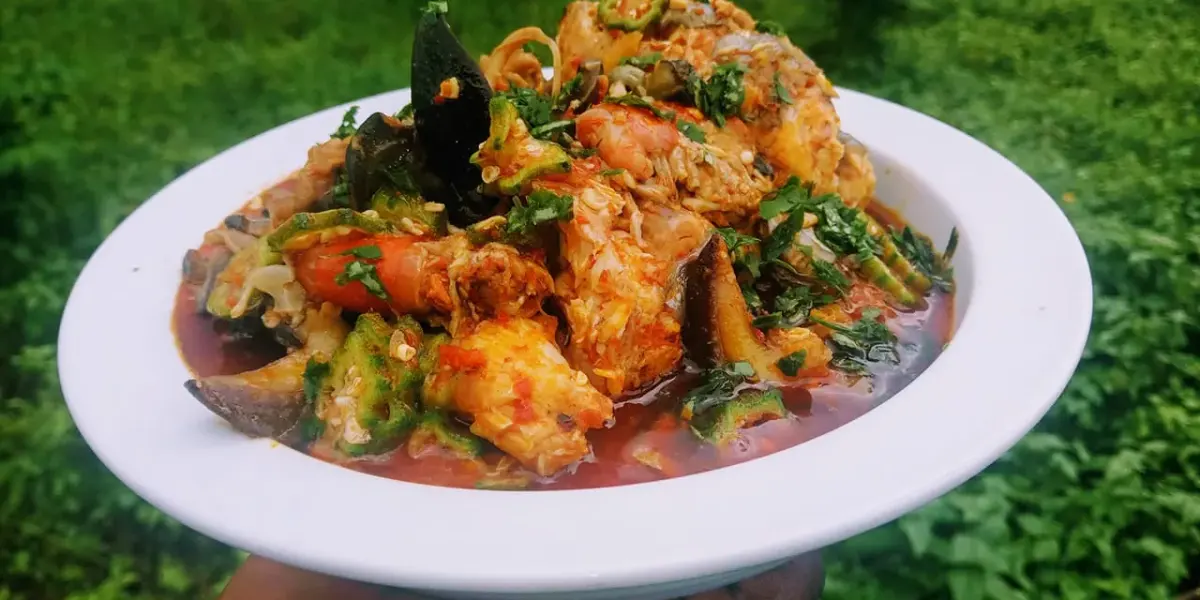
Nigerian Fisherman Soup
Igbo Yam Porridge