
How to Make Browning Sauce
Abuja, Nigeria · Voir toutes les recettes
Aperçu
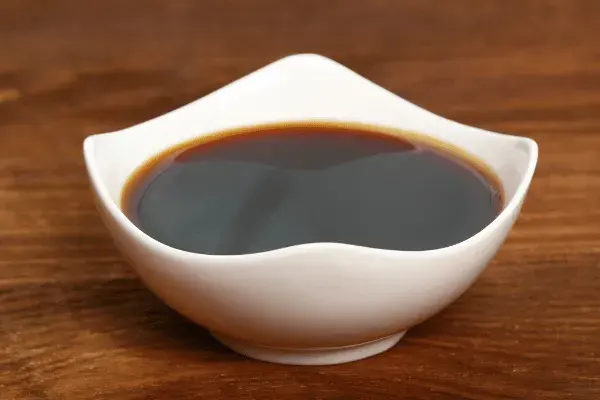
Browning is brown sugar cooked until it is almost black, then let down with boiling water into a dark, bitter syrup. It is a Caribbean staple, Jamaican, Trinidadian and West Indian generally, used to colour and deepen stews, curries, gravies and cakes. **This page had no recipe card in the source.** The ingredients and method below are reconstructed from its article, and that is flagged. The point of it is that it is not sweet. Sugar taken far past caramel, to the point where it looks burnt, has lost most of its sweetness and gained a deep bitterness, and that bitterness is what gives Caribbean brown stew chicken and oxtail their characteristic colour and savoury depth. Stopping at golden caramel gives you something quite different and considerably less useful. Two safety points that the article does not stress enough. Sugar at this stage is well above the boiling point of water and will cause serious burns on contact. And adding water to it causes violent spattering, so the pan should come off the heat, the water should be boiling rather than cold, and it should go in slowly and at arm's length. A teaspoon or two per dish is the right dose. It is concentrated, and too much makes food taste burnt.
Note de Patrimoine AFN
Browning is a dark, bitter syrup made by caramelising sugar past the point of sweetness, used across Jamaican, Trinidadian and other West Indian cooking to colour and deepen stews, gravies and cakes.
Ingrédients
Les mentions alimentaires sont fournies par les contributeurs à titre indicatif. Elles ne sont pas vérifiées par AFN et dépendent des produits que vous achetez. En cas d’allergie grave, vérifiez vous-même chaque ingrédient. Cuisine, allergies et votre propre jugement
Préparation
- 1Read the safety note first
sugar at this temperature is far hotter than boiling water and causes serious burns. Keep children out of the kitchen for this.
- 2
Put the brown sugar in a heavy-based saucepan over medium heat.
- 3
Let it melt and then cook on, without stirring much, as it moves through golden to deep brown to almost black. This takes around 10 minutes. You are going well past caramel, it should look burnt and smell sharp rather than sweet.
- 4
Take the pan off the heat.
- 5
Pour in the boiling water slowly and at arm's length. It will spatter violently. Use boiling rather than cold water, which reduces the reaction.
- 6
Return the pan to low heat and mix until the hardened sugar has dissolved into a smooth, dark syrup.
- 7
Let it cool completely before bottling.
- 8
Store in the fridge, where it keeps for months. Use 1 to 2 teaspoons per dish to start with.
Notes de l’Africook
 Notes personnelles de Deborah Olayiwola
- Take it further than feels right. Stopping at caramel gives you a sweet syrup, not browning, and the bitterness is the entire point.
- Molten sugar is dangerous. It is far above the boiling point of water and sticks to skin. Take real care.
- Use boiling water, off the heat, poured slowly. Cold water into hot sugar spatters violently.
- Use it sparingly. A teaspoon or two per dish; too much and the food tastes burnt rather than deep.
- It keeps for months in the fridge, so a single batch lasts a long time.
- Brown stew chicken, oxtail and Jamaican black cake are the classic uses.
Questions fréquentes
Isn't burnt sugar just burnt?
It is deliberately taken past caramel, and that is the point rather than a mistake. Sugar cooked to a very dark brown or black loses most of its sweetness and develops a deep bitterness, which is what gives Caribbean brown stew chicken and oxtail their colour and savoury depth. Stopping at golden caramel produces a sweet syrup that will colour food but will not give it the flavour browning is used for.
Is it dangerous to make?
It needs real care. Molten sugar reaches temperatures far above boiling water, it sticks to skin, and it causes serious burns. The riskiest moment is adding the water, which makes the mixture erupt and spatter, always take the pan off the heat first, use boiling rather than cold water, pour it slowly and stand back. It is not a job to do with children in the kitchen.
How much should I use?
One or two teaspoons per dish to begin with. Browning is extremely concentrated and its whole purpose is that a small amount transforms the colour and depth of a whole pot. Too much makes food taste acrid and burnt rather than rich, and it is difficult to correct once it is in. Add it early in the cooking so it disperses, and taste before adding more.
Is browning African?
It is Caribbean, Jamaican, Trinidadian and West Indian more broadly, and the page sits in Worldwide Recipes under Caribbean with its URL unchanged. That said, the culinary link to West Africa is direct: Caribbean cooking carries substantial West African influence through the transatlantic slave trade, and the technique of deeply caramelising sugar for colour and bitterness has parallels in West African cooking too.
Avis
Soyez le premier à noter cette recette
Vous l’avez cuisinée ? Votre note aide la personne suivante à se décider.
Aucun avis sur cette recette pour le moment. Si vous l’avez cuisinée, le vôtre serait le premier.
Vous Aimerez Aussi
Amasi Recipe
Nigerian Fisherman Soup
Garden Egg Stew (Earthenware Bowl Method)