

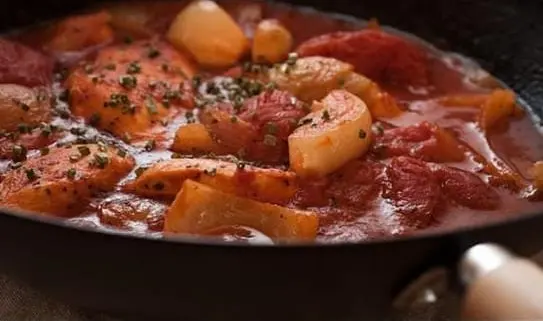
South African Lamb Bredie (Lamb Stew)
Aperçu
A bredie is a South African stew with a specific structure. Where an ordinary stew is built on stock, a bredie uses very little liquid and relies on the vegetables to release their own, so the sauce that develops is made by the ingredients rather than added to them. That distinction is what the word carries. Lamb is the meat most associated with it, and the seasoning tells you where the dish comes from. Cinnamon, cloves and garlic in a meat stew is a Cape signature, reflecting the spice traditions that Cape Malay cooks brought to South African food from Southeast Asia and the Indian Ocean. A European lamb stew does not taste like this, and the difference is entirely in the spice cabinet. Bredies are named for their vegetable rather than their meat: tomatiebredie for tomato, waterblommetjiebredie for the water hyacinth flowers that grow in Cape wetlands, green bean bredie, cabbage bredie. The lamb is the constant and the vegetable is the variable, which is the reverse of how most stew traditions name themselves. It is slow food, cooked until the lamb falls apart, and it is served with rice or bread to take up a sauce that has been concentrated rather than diluted.
Note de Patrimoine AFN
The bredie is documented as a Cape stew form distinguished by its minimal use of stock, taking its liquid from the vegetables themselves, and is conventionally named for the vegetable it contains rather than the meat. Its cinnamon and clove seasoning reflects the influence of Cape Malay cooking, developed by people brought to the Cape from Southeast Asia and the Indian Ocean from the 17th century.
Ingrédients
Les mentions alimentaires sont fournies par les contributeurs à titre indicatif. Elles ne sont pas vérifiées par AFN et dépendent des produits que vous achetez. En cas d’allergie grave, vérifiez vous-même chaque ingrédient. Cuisine, allergies et votre propre jugement
Préparation
- 1
Heat the olive oil in a large pot over medium heat. Add the lamb and brown on all sides until it develops a caramelised crust.
- 2
Remove the lamb from the pot and set aside.
- 3
In the same pot, add the chopped onion, celery, cinnamon and garlic. Fry until slightly softened.
- 4
Add the potato, carrots and green beans and stir them through the onion and garlic.
- 5
Grate the tomatoes directly into the pot so all the pulp goes in.
- 6
Pour in the broth and add the tomato puree.
- 7
Return the browned lamb to the pot, season with salt and stir to combine.
- 8
Bring to a simmer over low heat and cook until the lamb is tender.
- 9
Once the lamb is tender and the potatoes are cooked, taste and adjust the seasoning.
- 10
Serve hot with rice or crusty bread.
Notes de l’Africook
 Notes personnelles de Deborah Olayiwola
- Keep the liquid low. A bredie is defined by taking its moisture from the vegetables, and adding stock until the meat is submerged turns it into an ordinary stew.
- Shoulder or rib is the right cut. Both carry enough fat and connective tissue to fall apart over two hours. Leg is leaner and needs longer to reach the same point.
- Grate the tomatoes rather than chopping them. Grating releases the pulp and juice directly and gives the sauce its body without any thickener.
- Brown the lamb properly and in batches if the pot is crowded. Meat that steams instead of browning gives a pale, thin bredie.
- The vegetable is the variable. Tomatiebredie, waterblommetjiebredie, green bean and cabbage bredies are all standard, and each is named for what goes in alongside the lamb.
Questions fréquentes
What is the difference between a bredie and a stew?
The liquid. A conventional stew is cooked in a substantial amount of stock or water. A bredie uses barely any, relying on the vegetables to release their moisture as they cook, which concentrates the flavour considerably. The result is thicker and more intense. A bredie is also conventionally named for its vegetable rather than its meat.
What cut of lamb is best for bredie?
Shoulder or ribs. Both have enough fat and connective tissue to break down over a long slow cook and fall apart, which is what the dish needs. Leg can be used for a leaner result but requires longer cooking to reach the same tenderness. Avoid lean quick cooking cuts entirely, as they will be dry and tough.
Why is my lamb bredie tough?
Almost always the wrong cut or not enough time. Lamb shoulder needs a full two hours or more at a low simmer before the connective tissue breaks down, and there is a stage partway through where it is tougher than when it started. Keep it at a bare simmer rather than a boil, and give it longer rather than turning the heat up.
What other kinds of bredie are there?
Bredies are named for the vegetable. Tomatiebredie is the most common, waterblommetjiebredie uses the water hyacinth flowers that grow in Cape wetlands and is a distinctly Cape dish, and green bean and cabbage bredies are both standard. The lamb and the method stay the same; the vegetable defines the dish and the name.
Avis
5 avis
Vous Aimerez Aussi
Voir toutes les recettes South Africa →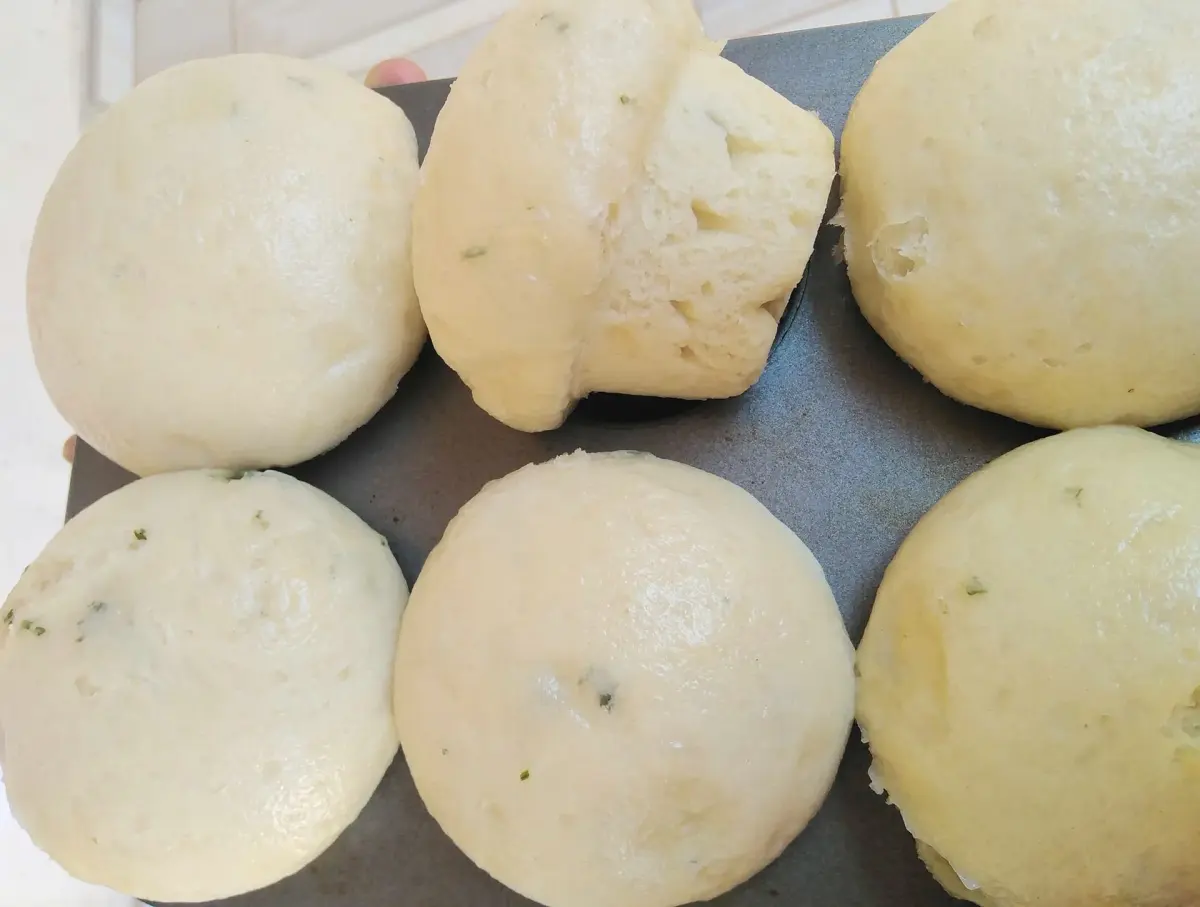
Dombolo (Dumplings or Steamed Bread)

Boeber (Cape Malay Sweet Milk Drink)
Finally found lamb shoulder cuts at the Mediterranean market here in Dallas. The ground cinnamon smelled so good while frying with the garlic and onions. Took me a bit longer than 120 min on my stove to get the broth to reduce properly but e sweet o.
Made this tonight in Bloem, weather is freezing so a proper bredie was needed. Using lamb ribs is key because that extra fat makes the potato gravy so lekker. I used a bit of All Gold tomato puree with the grated tomatoes and cooked it slow.
That cinnamon stick inside the onion mix gave it a whole different aroma. i was doubtful about grating the fresh tomatoes directly into the pot instead of blending, but the gravy came out so thick. e sweet no be small thing o.
could not get lamb ribs at morrisons so got shoulder from the butcher here in leeds. chale the grated tomato pulp makes the gravy so smooth oo. cooked it lower on the hob for two hours and the meat was just falling apart paa.
Abeg if I add the potatoes and green beans at the same time as the carrots, won't they turn to complete mash after two hours? The caramelized crust on the lamb is already smelling nice sha.