
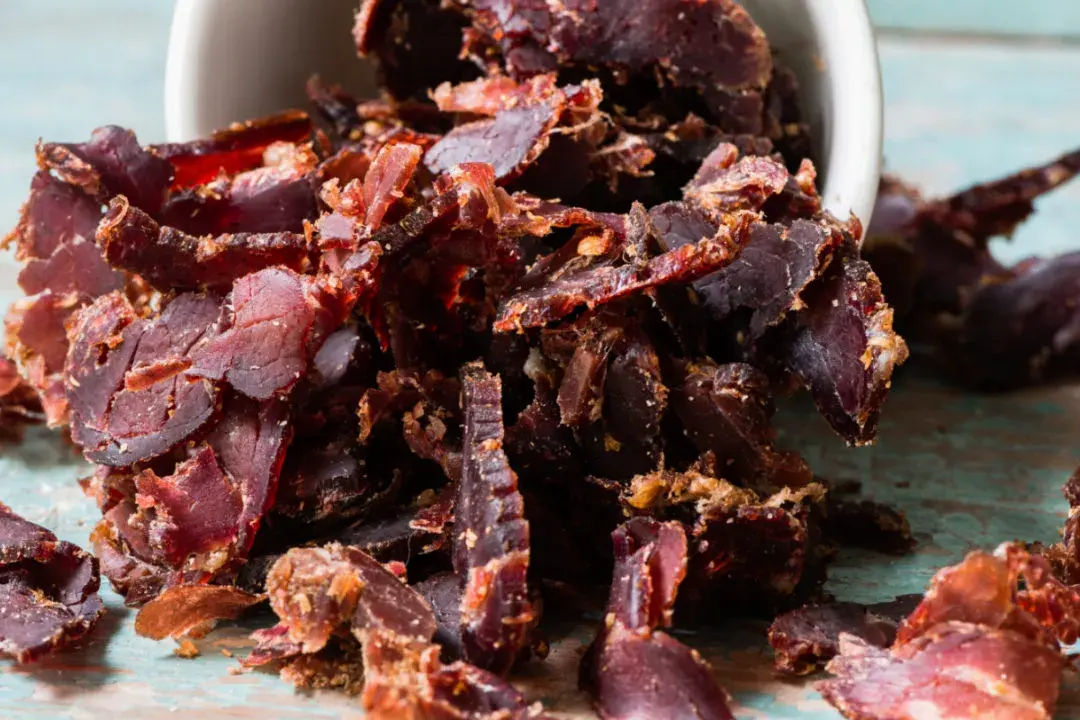
Biltong
London, United Kingdom · Voir toutes les recettes
Aperçu
Biltong is air-dried cured meat from southern Africa, South Africa, Zimbabwe, Malawi, Namibia, Botswana and Zambia, cut into thick strips, cured in vinegar and spice, and hung to dry for days. It is made from beef and from game including ostrich and kudu. It is not beef jerky, and the difference is real. Jerky is usually cut thin against the grain, marinated in a sweet or soy-based liquid and dried with heat. Biltong is cut thick along the grain, cured with vinegar, salt and coriander, and dried in moving air without heat at all. The flavour and texture that result are quite different, and coriander is the spice that identifies biltong. Two things need saying about method. The first is safety: **this is a raw cured meat that is never cooked.** The 24-hour vinegar and salt cure and the drying are what preserve it, and both need to be done properly. The second is airflow. The meat hangs in a ventilated space with a fan blowing gently, never directly, because a fan pointed at the meat causes case hardening, where the outside seals before the inside has dried. Drying time varies with humidity and temperature, so it is tested by feel: any give means it is still wet inside.
Note de Patrimoine AFN
Biltong is an air-dried cured meat of southern Africa, made in South Africa, Zimbabwe, Malawi, Namibia, Botswana and Zambia, from beef and from game meats including ostrich and kudu.
Ingrédients
Les mentions alimentaires sont fournies par les contributeurs à titre indicatif. Elles ne sont pas vérifiées par AFN et dépendent des produits que vous achetez. En cas d’allergie grave, vérifiez vous-même chaque ingrédient. Cuisine, allergies et votre propre jugement
Préparation
- 1
Toast the coriander seeds in a dry pan, then grind in a pestle and mortar or spice grinder. It should be mostly powder with a few pieces of seed shell left in.
- 2
Using a sharp knife and following the grain of the meat, cut it into lengths about 2.5cm thick and place them in a non-metallic container.
- 3
Combine all the spices and sprinkle them over the meat.
- 4
Sprinkle on the vinegar and rub everything in thoroughly, turning the meat with your hands.
- 5
Cover the container and cure in the fridge for 24 hours, turning and rubbing the spices through occasionally.
- 6
Remove the meat and pat it dry with kitchen towel, taking care not to remove too much of the spice.
- 7
Add a hook to the thickest end of each length. Plastic-covered paper clips work.
- 8
Hang in a biltong box, or in a well aired ventilated space with a fan blowing gently to increase airflow.
- 9
Do not point the fan directly at the meat, which causes case hardening.
- 10
Make sure none of the pieces touch, and place newspaper below to catch any liquid.
- 11
Test every couple of days by squeezing the sides together with clean fingers. Any give means it is still wet inside.
- 12
Once ready, cut into thin slices with a sharp knife.
Notes de l’Africook
 Notes personnelles de Nympha Nzeribe
- This is raw cured meat and is never cooked. The vinegar and salt cure and the drying are what preserve it, so follow both properly and do not shorten the 24-hour cure.
- Do not point the fan at the meat. Direct air causes case hardening: the outside seals while the inside stays wet, which is how biltong spoils from within.
- Cut along the grain, not across it. That is the defining difference from jerky and it gives the characteristic texture.
- Salt at about 2% of the meat weight. It is a curing quantity rather than a seasoning one and should be weighed rather than guessed.
- Make sure no pieces touch while hanging, or the contact points stay wet and go off.
- Drying times vary enormously with humidity, airflow and temperature, so test by squeezing rather than by the calendar.
Questions fréquentes
What is the difference between biltong and beef jerky?
The cut, the cure and the drying. Jerky is cut thin against the grain, marinated in a sweet or soy-based liquid, and dried with heat. Biltong is cut thick along the grain, cured with vinegar, salt and coriander, and air dried without heat. The results taste and eat quite differently.
Is biltong safe if it is never cooked?
It is preserved by curing and drying rather than by cooking, which is a long-established method, but both stages have to be done properly. Give it the full 24-hour vinegar and salt cure, use salt at around 2% of the meat weight, ensure good airflow, and dry it until there is no give when squeezed.
What does the name mean?
It comes from Dutch: bil meaning buttock or rump, and tong meaning strip or tongue, describing the cut of meat and its shape. The source's rendering of tong as noodle appears to be an error. Biltong has been made in southern Africa for generations.
What meat should I use?
Beef silverside or top rump is what this recipe specifies and both are ideal: lean, even-grained cuts that dry well. Game meats including ostrich and kudu are traditional in southern Africa and give a stronger flavour. Avoid fatty cuts, since fat does not dry and will turn rancid.
Avis
Soyez le premier à noter cette recette
Vous l’avez cuisinée ? Votre note aide la personne suivante à se décider.
Aucun avis sur cette recette pour le moment. Si vous l’avez cuisinée, le vôtre serait le premier.
Vous Aimerez Aussi
Voir toutes les recettes South Africa →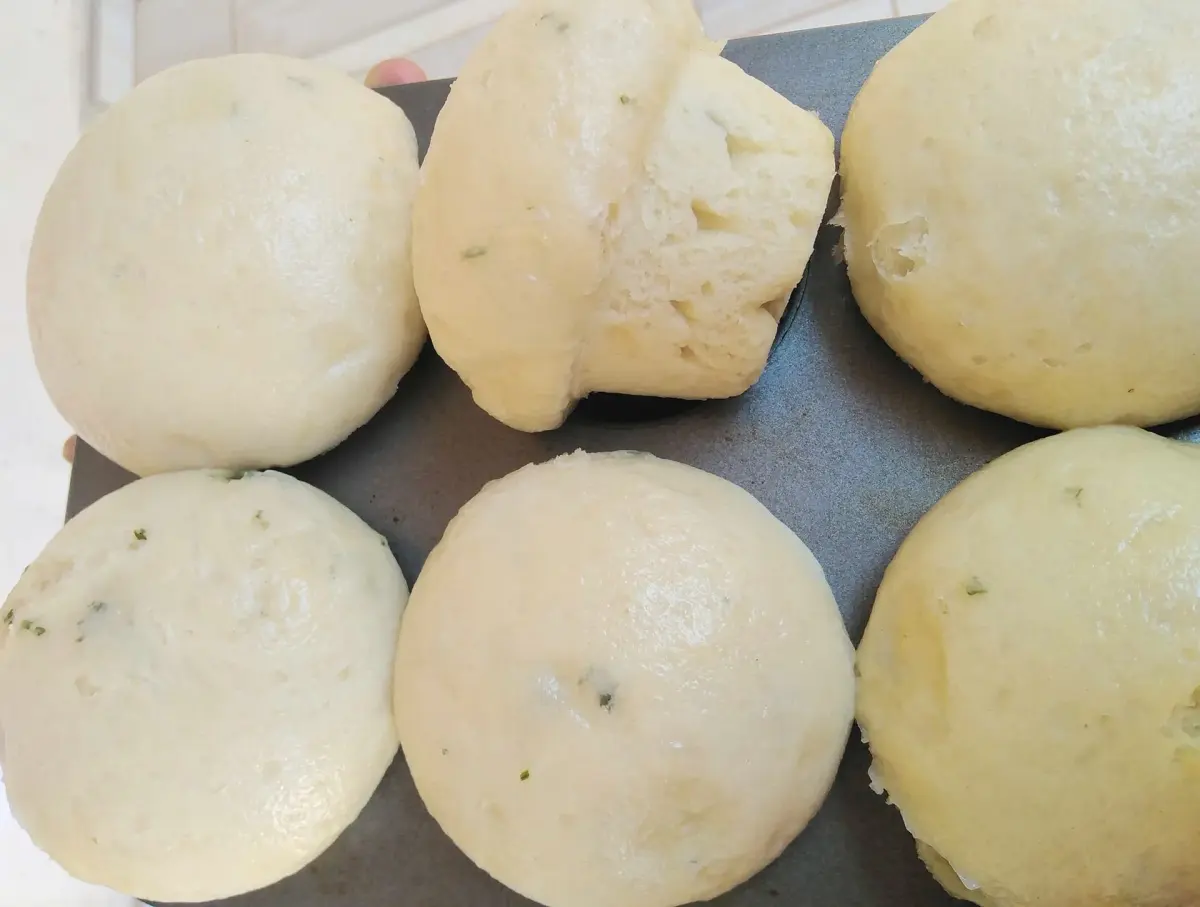
Dombolo (Dumplings or Steamed Bread)
Boeber (Cape Malay Sweet Milk Drink)