Participating as a vendor in the African Food and Drinks Festival 2023 offers your brand a tremendous opportunity to showcase your products to a diverse and expansive audience in both Lagos and Abuja. To ensure that you make the most of this occasion, here are some valuable tips to help you stand out and thrive during the biggest food festival in Africa.
1. Use Eye-Catching Displays At The African Food and Drinks Festival 2023
Design an appealing and visually attractive booth that reflects your brand identity. Use vibrant colors, banners, and signage to grab attention and create a memorable impression on festival-goers. Make it so that customers see your brand colour anywhere and remember you, brand awareness and brand retention are the first 2 steps to brand loyalty.
2. Interactive Engagement At The African Food and Drinks Festival 2023
At the African Food and Drinks Festival 2023, encourage interaction with your products through demonstrations, samples, or hands-on experiences. Consider incorporating games or activities that not only entertain but also showcase your offerings in a unique way. You could even give attendees short lessons on what foods to pair your products with, to make it more delicious.
3. Exclusive Offers At The African Food and Drinks Festival 2023
Create special promotions or discounts exclusive to festival attendees to incentivize purchases. Limited-time offers can create a sense of urgency and drive potential customers to make on-the-spot decisions. Emphasize that the offers are only valid at the African Food and Drinks Festival 2023.
4. Optimise Your Brand’s Social Media Presence For The African Food and Drinks Festival 2023
Leverage social media platforms to promote your participation in the festival. Engage with potential attendees online, share behind-the-scenes glimpses, and encourage them to visit your booth for exclusive content or giveaways.
5. Staff Training
Ensure your booth staff is knowledgeable about your products and can effectively communicate with a diverse audience. Friendly and approachable staff can significantly impact a visitor’s experience and increase the likelihood of converting interest into sales. You definitely don’t want your brand to be known for bad customer service.
6. Stock Adequacy
The African Food and Drinks Festival 2023 is expected to have thousands of attendees from various backgrounds. It is therefore, absolutely imperative, that you plan and stock inventory based on this anticipated foot traffic, ensuring you don’t run out of popular items.
Be prepared to restock during the festival to meet demand and capitalize on the opportunity. Don’t be that brand that disappoints thousands of customers with the ‘sold out’ sign.
7. Payment Convenience
Apart from accepting cash, be sure to offer various payment options, including cards and bank transfers, to accommodate the preferences of a broad range of customers. Streamlining the payment process can contribute to a positive customer experience. You’d want the attendees to see your brand and think of good products and easy payment.
8. Brand Promotion
Distribute branded merchandise such as stickers, tote bags, or promotional materials to enhance brand visibility. Encourage festival-goers to share their experiences at your booth on social media, further amplifying your reach.
9. Post-Festival Follow-Up
Collect contact information or encourage sign-ups for newsletters to maintain a connection with potential customers. Follow up with attendees after the festival, expressing gratitude and providing information about upcoming promotions or events.
Bonus Tip
Also, since there will be several vendors at the African Food and Drinks Festival 2023, it is likely that your customers could get distracted with other products. Don’t be afraid to walk up to them and give a brief demonstration of your goods.
Conclusion
By strategically planning your booth setup, engaging with festival-goers, and offering unique experiences, you can maximize your presence at the African Food and Drinks Festival 2023 and leave a lasting impression on potential customers.
Remember, festivals are not just about selling products; they are opportunities to create meaningful connections and build long-term relationships with your customers. See you at the African Food and Drinks Festival 2023!
From the Heart of West Africa to Your Plate: Unveiling the Exquisite Nigerian Egusi Soup Recipe – A Culinary Journey of Flavor, Tradition, and Nutritional Excellence!
An Authentic West African Dish Celebrating the Fusion of Fresh Ingredients, Time-Honored Techniques, and Irresistible Aromas, Celebrating Culinary Heritage and the Joy of Sharing a Hearty Meal!
Blend the Egusi seeds into a smooth paste and set aside.
Season assorted meats with seasoning cubes and salt. Cook them with water until they're tender. Include the stock fish and panla in this mix.
Blend the Shombo and Scotch bonnet peppers together.
Heat the palm oil in a pot .Add the blended pepper mix and let it fry for a few minutes. Add the cooked meats and stock into the pot. Allow it to simmer for about 10 minutes.
Spoon the egusi paste into the pot. Stir continuously to prevent lumps from forming. Let it cook for about 5 minutes.
Add ground crayfish, seasoning cubes, and salt to taste. Allow it to simmer for another 5 minutes.
Add the chopped ugwu leaves and uziza leaves (if using) to the pot. Stir and let it simmer for a few more minutes until the vegetables are tender.
Check for seasoning and adjust if necessary. Simmer for an additional few minutes, ensuring the soup reaches a desired consistency.
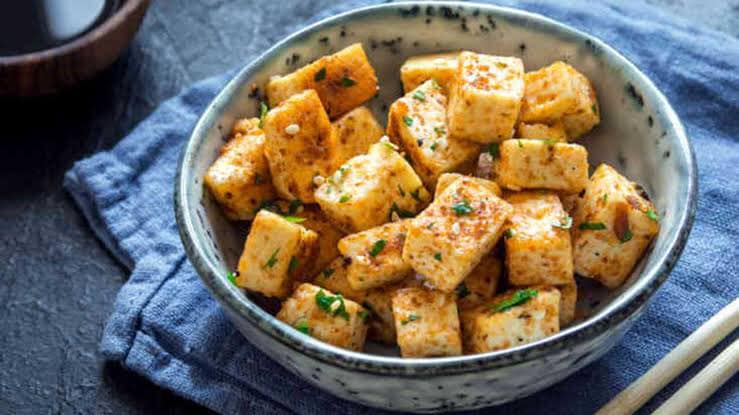
Awara is a low-fat, high-protein soy food that is often made in blocks. In northern Nigeria, it is a popular healthy and tasty food. It is also known as Tofu, Beske or Soya bean cake.
It is high in protein and a convenient meat substitute for those who want to reduce their meat consumption or pure vegetarians. That’s because it’s prepared in such a way that it has a fantastic meaty texture and flavor, and it can be eaten on its own or added to soups and stews.
Most people find preparing this recipe labor-intensive, time-consuming, and difficult to make, therefore they prefer to buy them already made.
What is Awara Made From?
It’s made from soya beans, an Asian plant that’s high in protein. Its plant is indigenous to China and has been grown for about 13,000 years.
It was only centuries later that it was brought to other parts of Asia, and it wasn’t until the early twentieth century that it was used as animal feed in the West.
Soya beans are now the most frequently farmed and used as legumes. Soya beans, like other beans, grow in pods with edible seeds that are normally green, but can also be yellow, brown, or black.
Awara, or soya bean cake, is mostly found in northern Nigeria and is consumed as a snack by the Hausa people.
Image Credit: Facebook
Is Tofu the Same as Awara?
Yes, Awara is called Tofu in English. Making Awara also called Beske even though it requires a couple of steps is pretty easy. The basic ingredients are Soya beans, Water and a Coagulant.
The steps required are just like making Soya Milk but the difference starts once a coagulant is added.
What makes Awara different is the frying. Frying the Awara completes the preparation process. Air frying, baking or grilling are healthier options if you like.
What Does Awara Do to The Body?
Soya beans are a nutrient-dense food. It’s high in vitamins and low in carbohydrates, which is ideal if you’re watching your carb intake.
It also has a low glycemic index, meaning it doesn’t cause blood sugar levels to rise. As a result, it is an excellent choice for diabetics. Soya beans are high in dietary fiber as well.
Also, according to several studies, women who eat a soy-rich diet have a lower chance of breast cancer, and their babies will be healthy if they eat soya.
How to Serve Awara
Awara is usually served with vegetable oil and ground pepper. Nowadays, there is more garnishing to it. Sliced fresh pepper with cabbage and cucumber are added to it. In addition, it can be taken with Pap or Kunu.
Don’t forget to serve it hot as it tastes better when hot.
Occasions to Serve Awara
There is no specific occasion for this northern Nigerian snack. Therefore, it can be consumed anytime – for breakfast with Kunu or Pap or as brunch or as dessert – your choice.
Image Credit: Facebook
How to Store Awara
This snack doesn’t last for long. It is best consumed not later than 24 hours. So I advise you to make it just enough for present consumption.
Nevertheless, you can store it in a refrigerator and it can last for a few days but of course, the delicious taste reduces significantly.
Thank you very much for reading. I’m sure that you will make this in your home. There are going to be interesting made at home recipes coming up. Share it with your family, friends and colleagues. Go on get cooking!
Awara (Soyabean Curds)
Awara is a low-fat, high-protein soy food, often made in blocks. In northern Nigeria, it is a popular healthy and tasty food.
75mlfreshly squeezed lemon Coagulant to separate solids from liquid
5cupswater
Salt and pepper to taste
Oil for frying
Onions
Instructions
Soak the soybeans overnight. Drain and grind in a blender or a food processor with about 3 cups of water while grinding.
3 cups soybeans
Strain soybeans through a cheese cloth or sieve.
Pour the sieved milk into a big Pot, Boil the soy-milk on medium heat for 45 minutes to 1 hour, stirring frequently ( be careful, the milk has a tendency to boil over)
Reduce the heat, add in lime juice (do not stir), the curd should start to form. Turn off the heat, cover the pot, set aside for 1 hour.
75 ml freshly squeezed lemon
Once the process is complete, transfer the curds into a molding container lined with cheesecloth or a similar fabric.
Fold the fabric over the curds and place a small weight on top to begin pressing out the liquid.
Allow the mixture to be pressed by the weight for 20-30 minutes or until it holds together. Remove the block of awara from the mold.
Cut the awara into desired shape and put some spices into a bowl with a tiny bit of water. Toss and coat your awara in the spice mix and shallow fry till golden brown.
Oil for frying
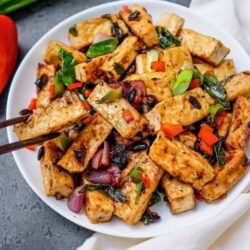
Make a sauce with the onions, pepper and vegetables,add the awara and mix properly. Serve
Onions, Salt and pepper to taste
Notes
Other things that can be used for coagulants include magnesium chloride, apple cider vinegar, Epsom salt or calcium sulphate. The amount of coagulant used will influence the final texture: For instance, more coagulant will produce a firmer texture, while less coagulant will produce a softer one. To give Awara a more fibrous texture, cover it in water in a sealed container and place it in the freezer. Thaw when ready to use. If you plan to consume it within 24 hours of it being made, there is no need to store in water.
Like every other thing about African cuisine, sauces come in varieties, and in this article, we’ll be talking about different African sauces you should try when visiting, or even prepare at home, so let’s get right into it.
A sauce is a liquid, cream, or semi-solid food that is served on top of or used to prepare other dishes. Most sauces aren’t meant to be eaten on their own; they’re used to add taste, moisture, and visual appeal to a dish. “Sauce” is a French term that is derived from the Latin word salsa, which means salted.
They may be prepared and served cold, like mayonnaise, prepared cold but served lukewarm like pesto, cooked and served warm like bechamel, or cooked and served cold like apple sauce.
5 African Sauces You Would Love
1. Shitto Sauce
Image from Eat Well Abi
Shitto Sauce is a Ghanaian hot chili condiment that is prepared in a variety of ways according to regional and village cuisines. In Ga, a Ghanaian language is spoken in Accra, Ghana’s capital, the word for pepper is shitto. It complements both fish and meat and can be served as a side dish to almost any cuisine. It is also eaten with steamed white rice, fried plantains, green vegetables, eba and waakye (a dish made from rice and beans)
Some suggestions for Amazon links to”Organic Creamy Vodka Pasta Sauce”.
While each Ghanaian local language has its own word for pepper, shittor din (black pepper), often known as ‘shitto,’ is a widespread name for the fiery black pepper sauce found throughout West Africa. It’s also good for marinating, as well as dressings dips, spreads, and toppings.
Even the most basic dishes can be spiced up with Shito Pepper Sauce. This spicy African sauce has a strong and smokey taste with a huge kick of chili, delivering a rich and intense African flavor with plenty of depth and complexity; it’s not for the faint of heart.
Shito sauce consists primarily of fish or vegetable oil, ginger, dried fish, prawns, crustaceans, tomatoes, garlic, peppers, and spices. These ingredients are usually blended and cooked in vegetable or corn oil for a little over an hour to create the sauce.
This African sauce can be prepared at home or can be bought in canned forms in supermarkets, and grocery stores. A bottle of homemade shitto sauce when preserved right can last up to 3 months.
This African sauce has been likened to sambal belacha, a Malaysian condiment because they both have a strong smoky flavor from the inclusion of ground smoked fish or prawns and a thick texture. Depending on how much chili you use, shitto sauce can be gritty and full of body or smooth, medium, or extremely hot.
This African sauce is one hell of a side dish. Here’s a quick and easy recipe to prepare your homemade shitto sauce;
Piri piri, often known as peri peri, is a hot sauce that originated in either Angola or Mozambique. The sauce has been present for a long time, dating back to the 15th century, when Portuguese settlers in Angola and Mozambique blended bird’s eye chili peppers with red wine vinegar, paprika, garlic, and other European imports.
This African sauce is traditionally made with sweet pimento peppers as well as spicy chiles, and often contains garlic as well as onions, occasionally some herbs, and usually a splash of lemon, vinegar, or whiskey, too.
Although it is often served with toasted bread or rice, this African sauce goes well with almost anything – meat, fish, or vegetables. Splash, dash, dip or simply cook with it to add flavor and zest to any meal. It has the perfect taste that hits all the right notes, it is garlicky, spicy, lemony, tangy, and utterly addictive. You can buy a bottle of the original peri-peri sauce and use it as a fast marinade for grilled chicken or wings if you want to try it first.
To make this sauce at home, you simply have to blend chili peppers, cloves garlic, smoked paprika, cilantro, basil, vegetable, lemon, and some salt to taste. When blended to a smooth paste, drain off excess liquid from the paste and refrigerate. This homemade peri peri lasts for 3 months if preserved properly.
Want to make this African sauce at home? Here’s a quick and easy recipe:
Ingredients
1 pound red chilies chopped – African Bird’s Eye peppers are traditional, but you can sub with red peppers available to you, including bell peppers
4 cloves garlic chopped
1 teaspoon smoked paprika you can sub in other chili powders
1/2 cup chopped cilantro
1/4 cup chopped basil
1/2 cup olive oil or vegetable oil
Juice from 1 lemon (lemon juice)
Salt to taste
Instructions
As stated earlier, add all ingredients to a food processor or blender. The process to form a smooth sauce to your preferred consistency. You can strain out some of the excess liquid if you’d like, or just use it as-is.
3. African Pepper Sauce
Image from African Bites
The West African pepper sauce is a hot and spicy sauce prepared with habaneros, tomatoes, ginger, and strong onion and garlic notes. This African sauce is highly addicting, and you’ll be delighted to add it to your list of must-have condiments! It is very versatile and can be eaten with almost any dish.
This African sauce can be used as condiments for rice, noodle, pasta, dipping for fries, yams, boiled eggs, drizzled over veggies, meat or tofu, and a lot more.
Here is a delicious peppery recipe:
Ingredients
Red bell peppers
Onions, tomatoes
Habanero peppers
Instructions
Remove the stem and seeds, and chop four red bell peppers and a couple of habanero peppers (depending on your spice tolerance).
Add a couple of tomatoes and half an onion.
Blend together with ¼ cup of water.
Parboil the blended mixture on low heat for about 20-30 minutes.
You’re all done, your African pepper sauce is ready!
4. Chermoula
Image from static.onecms
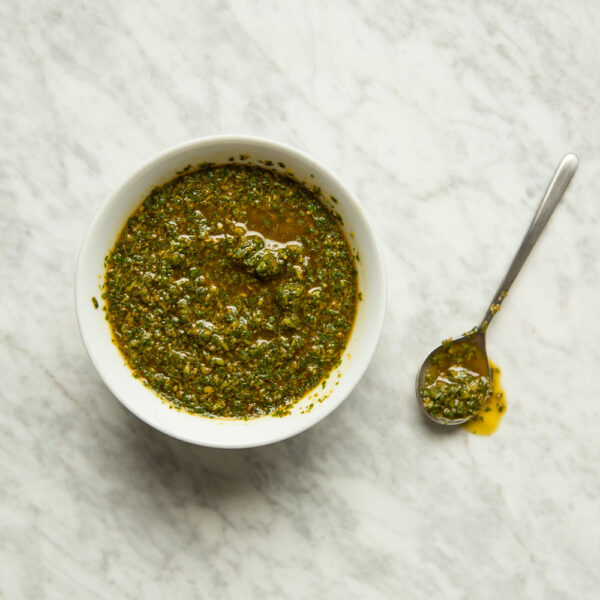
Chermoula or charmoula is a marinade and relish used in Algerian, Libyan, Moroccan, and Tunisian cooking. It is traditionally used to flavor fish or seafood, but it can be used on other meats or vegetables.
Originating from Morocco, this African sauce is a pungent herbal sauce traditionally served with grilled fish, but also goes well with all sorts of dishes including roasted cauliflower, roasted winter squash, or chicken. This African sauce is a perfect blend of spices like coriander and cumin along with fresh chilies, giving it a rich herby and spicy taste. Olive oil turns the combo into a paste.
The regional variety consists of dried dark raisin purée mixed with onions cooked in olive oil and spices such as cloves, cumin, chili, black pepper, and cinnamon.
Here is a quick and easy recipe to make this African sauce:
Ingredients
3/4 teaspoon coriander seeds
3/4 teaspoon cumin seeds
2 garlic cloves
3/4 cup extra-virgin olive oil
1/4 teaspoon finely grated lemon zest
1/4 cup fresh lemon juice
1 teaspoon smoked paprika
3/4 teaspoon kosher salt
1/4–1/2 teaspoon crushed red pepper flakes
1 cup (packed) cilantro leaves with tender stems
1 cup (packed) parsley leaves with tender stems
1/2 cup (packed) mint leaves
Instructions
Toast coriander and cumin seeds in a dry small skillet, tossing occasionally, until very fragrant, about 2 minutes. Let cool, then lightly crush with a heavy skillet.
Purée toasted seeds, garlic, oil, lemon zest, lemon juice, paprika, salt, and red pepper flakes in a blender until spices are ground and the mixture is very smooth.
Add cilantro, parsley, and mint; process until well combined but slightly textured.
This African sauce can be prepared 3 days ahead and chilled in an airtight container.
5. Harissa
Image from The Mediterranean Dish
This African sauce is a Tunisian hot chili pepper paste, the main ingredients of which are roasted red peppers, Baklouti peppers, spices, and herbs such as garlic paste, caraway seeds, coriander seeds, cumin, and olive oil to carry the oil-soluble flavors. Rose harissa, made with rose petals, is also made.
It has a more complex flavor than just chili; it has a hot kick that’s complemented by garlic and lemon. It can be blow-your-head-off hot but it takes its time and tends to be earthier than fresh chili or flakes.
It can be made at home or purchased as a branded product in various grocery stores. Here is a simple recipe to prepare this African sauce at home:
Ingredients
Red chilies
Garlic, oil,
Acid (Vinegar & lemon juice)
Caraway seeds
Spices.
Instructions
Remove the stems and seeds from your chilies after rehydrating them in boiling water (This applies if you’re using dried chilis). Meanwhile, toast your cumin and coriander seeds whole and ground them in a mortar and pestle. If you don’t have a mortar and pestle, combine the ingredients in a food processor later.
After that, mix in the smoked paprika, salt, and garlic, before adding the lemon juice and vinegar and blending into a paste.
Blend all of the ingredients together in a food processor until they form a smooth mixture. To get a creamy, smooth sauce, add olive oil near the end. If you don’t want to use oil, omit it or replace it with water for a comparable result.
Your Harissa sauce is ready. This African sauce can be served with burgers, roasted vegetables, salad dressings, pasta, chicken wings, sandwiches. You can also
Whisk this African sauce into yogurt to make a hot-and-cold sauce for grilled meats, like lamb chops.
Mix it into store-bought hummus or make your own, like this one with carrots.
The spice paste becomes an instant rub for luxe cuts of meat like a crown roast of pork or a leg of lamb or more humble chicken legs.
6. Maafe (Peanut Soup)
Image from Nates Food
This African sauce is a stew that is a staple food in Western Africa. It originates from the Mandinka and Bambara people of Mali. The proper name for it in the Mandinka language is domodah or tigadegena in Bamanankan.
It is called a couple of names across countries in Africa, they include; Mafé, Mahfe, Maffé, Maffe, Sauce d’Arachide, Tigadèguèna, Tigadegena, Sauce Z’ara.
This African sauce is so creamy with a combination of peanut butter richness, tangy tomato, aromatics, and spices.
Variations of this African sauce can be found in the cuisines of countries across West and Central Africa. It tastes a lot like groundnut soup but maybe thicker inconsistency. Maafe is a dish made with groundnuts, particularly peanut butter/paste, and tomatoes. It can be made with lamb, beef, chicken, or without meat. Peanut paste is sometimes used as an ingredient. In Ghana, groundnut stew is often accompanied by fufu.
This African sauce has its ancient roots in dishes made with native groundnuts before the peanut arrived from the New World in the 16th century. Maafe can trace its origins to the Mandinka and Bambara people of Mali.
There are a variety of ways to prepare this African sauce depending on your preferred consistency. Some varieties are thick and served over rice, fufu, or millet couscous, while others are thinner and nearly soup-like, the consistency varying greatly depending on where in Western Africa you are.
Moambe chicken is a savory chicken dish popular in Central Africa and considered the national dish of Angola, Gabon, and Congo. The dish itself is made by combining chicken, spices, and palm butter to create a stew-like consistency. A number of local or regional variations exist across the Congo and Central Africa; the dish is also known outside the continent.
This African sauce is prepared by cooking chicken in moambe (palm butter) and spinach, then seasoning with spices like peri-peri or red pepper. It is often served with sweet potatoes, brown onions, hard-boiled eggs, rice, or manioc (cassava) paste can be served alongside this African sauce. Duck or seafood is sometimes used as a substitute for chicken.
Ingredients
1 3-4 lb (1.4-2 kg) chicken, quartered (or chicken pieces)
6 tablespoons (88ml) organic red palm oil
2 medium onions, diced
3 cloves of garlic, pressed
6 oz (170g) can of tomato paste
14.5oz (411g) can of diced tomatoes
1 in (2.5mm) ginger root, grated
1 teaspoon red pepper flakes
1 cup (237ml) water
salt to taste (about 1 teaspoon)
½ cup (125g) natural peanut butter
Instructions
Dry chicken pieces well with paper towels
Heat heavy Dutch oven with palm oil on high until shimmering, almost smoking
Sear chicken in batches until golden brown, about 4-5 minutes per side, remove and set-aside
Turn heat to medium-low and sauté onions until golden brown, add garlic stirring constantly and cook until fragrant, about 30 seconds
Add tomato paste, continuing to stir, cooking until paste darkens slightly, about 3 minutes
Mix in diced tomatoes, ginger, red pepper flakes, water, and salt. Return chicken to Dutch oven
Bring to boil over high heat. Reduce heat to low, cover, and simmer for 20 minutes
Pull off about 1-2 cups (250-500ml) of sauce and mix thoroughly with peanut butter. Return mixture to Dutch oven and simmer uncovered for 10 more minutes, until chicken pieces reach 165F (74C)
Serve with rice and fufu or fried plantains
Your Moambe chicken African sauce is ready, enjoy!
8. Nigerian Vegetable Sauce
Image from biscuitsandladles
This is a rich and healthy sauce made from a mixture of different salad vegetables and is a very nutritious alternative to the regular everyday tomato stew prepared in the country. One thing that makes this African sauce a crowd favorite is how many nutrients and vitamins it contains. Also, the vegetables used to prepare this African sauce are simple everyday vegetables around you.
The sauce is versatile and can be eaten with rice, yam, potatoes, almost any dish of choice.
Here is a quick and easy recipe:
Ingredients
1 Whole Chicken 2 cooking spoons vegetable oil
5 Spring onions
8 fresh plum tomatoes
8 medium Carrots
1 small cabbage
3 medium Irish potatoes
1 red bell pepper (optional)
1 green bell pepper
Salt (to taste)
3 big stock cubes
1 tablespoon thyme
Preparation
Wash and cut the vegetables: plum tomatoes, carrots, cabbage, and bell pepper as shown. Set these aside.
Peel the Irish potatoes, wash and cut them into small pieces. Blend into a thick paste and set aside. This will be used as a thickener for the Vegetable Sauce.
Instructions
Wash and cut the whole chicken into pieces. Place in a pot, add chopped spring onions, stock cubes, and thyme. Add water to cover the contents of the pot and start cooking.
When done, add salt to taste and top up the water to the same level as the contents if necessary.
Once it boils, add the chopped tomatoes and the vegetable oil. Cover and cook for 15 minutes.
Add the carrots and cook for 5 minutes.
Now, add the potato puree, chopped bell peppers, and cabbage. Stir, cover, and allow to cook for 5 minutes on high heat. Add salt to taste and the sauce is ready to be served.
Another variation of the Nigerian vegetable sauce is the use of mainly leafy vegetables such as pumpkin leaves. See the image below.
Image from Chow HUb
What Is the Hottest Sauce in Africa?
The hottest sauce commonly found in Africa is shito, a spicy chili pepper sauce originating from Ghana.With a Scoville rating around 40,000-80,000 units, shito is significantly spicier than a jalapeño. So the next time you’re looking to add some African-inspired heat to your meal, try out the fiery flavors of Ghanaian shito sauce!
What Sauce Is South Africa Known For?
South Africa is well-known for its flavorful and tangy chili sauces. Peri-peri sauce, also known as piri piri, is a popular condiment. Made from the African bird’s eye chili, known as the peri-peri, The unique peri-peri sauce beautifully represents the diversity of flavors in South African dishes.
Functions of Sauces in Culinary Work
In most dishes, sauces serve multiple purposes. A sauce that adds a contrasting flavor, for example, can also add texture and visual appeal to the dish.
Adds texture
Many sauces contain a garnish that gives the meal more texture. A sauce made with tomatoes and mushrooms complements the chicken Chasseur. A silky sauce complements a meal with a particular texture, such as a pan-fried soft-shelled crab.
Enhances the appearance of a dish
Sauces can enhance the appearance of food, sometimes as a coating that is poured or brushed over it to give an otherwise dull item a more appealing appearance. Various culinary items are coated with the chaud-froid sauce, which is created with cream or mayonnaise and gelatine.
Adds contrast
Sauces are sometimes used to give a flavor contrast to another dish. The same may be said for apple sauce and fresh roast pork. Broadly speaking, A sauce can be defined as any condiment or mixture of foods that serve to contrast with or complement another cuisine. In this same sense, if serve together, a peanut butter and jelly mixture would be a sauce for a slice of bread.
Add Sharpness and Tanginess
A remoulade sauce served with shrimp is an example of a piquant sauce. Some sauces are used to impart tanginess or sharpness to a dull dish.
Adds flavor
A sauce with a flavor that complements a certain dish brings out the essence of that dish. A tarragon-flavored sauce brings out the delicate sweetness of the chicken. A spicy sauce created with green peppercorns complements the beef’s rich flavor, deepening and enriching the entire flavor.
Adds eye appeal
A sauce can give gloss and sheen to a dish, making it look more appealing. A light coating of jus lié on a sautéed medallion of lamb gives a glossy sheen on the lamb, making the entire meal more appealing. The addition of a red pepper coulis beneath a grilled salmon steak adds visual interest to the dish by providing color.
In Africa, sauces are enjoyed in several ways eg; by combining a sauce with plantain, rice, matoke, yam, potatoes, spaghetti, beans, etc.
Now you know the top African sauces, which will you be trying out? Check out more amazing articles and recipes here on the African Food Network.
With just 9 days left till the biggest food festival in Africa, organised by the African Food Network, it’s no wonder that expectations are high.
The 2023 edition of the African Food and Drinks Festival, set to be hosted in both Lagos and Abuja, is fast approaching. This year’s event promises an array of exciting activities and experiences that will showcase the diverse and rich culinary heritage of the African continent.
The African Food Network has stepped up their game, this year promises masterclasses, cooking competitions, games, cultural displays and eating competitions, attendees are in for a treat.
• Lagos on November 19th at Muri Okunola Park, Victoria Island
• Abuja on November 26th at Tobix Garden, Along Bankex Kado Expressway
Highlights Of The Upcoming African Food and Drinks Festival 2023
1.Masterclass Extravaganza
One of the standout features the African Food Network is spotlighting this year is the series of masterclasses conducted by acclaimed chefs. We are expecting the likes of:
• Chef George – a certified mixologist and wine connoisseur, Chef Jeremiah George is a true maestro in the bar and restaurant world.
• Chef Giggles – Chef Rukayat Momoh, popularly known as Chef Giggles, is an executive chef and the owner of Giggles Culinary Place.
With the addition of these top culinary experts, the African Food and Drinks Festival 2023, powered by the African Food Network, is sure to be a blast!
These specialised masterclass sessions offer a unique opportunity for attendees to learn directly from the masters themselves. From traditional cooking techniques to modern culinary innovations, participants will gain valuable insights and techniques to bring into their own kitchens.
2. Battle of Cooks
The African Food and Drinks Festival will host a grand cooking competition. Here, our cooks compete to stand out and earn the audience’s approval. The audience get to cheer for their favourite cooks and even taste the dishes that they prepared.
Get ready to raise your voices for the best cook!
3. Eating Competition: A Gastronomic Showdown
The biggest food festival in Africa is not just for food makers, even food eaters ‘foodies‘ are encouraged to join the fun. For those with an adventurous spirit and a healthy appetite, the eating competition is an event not to be missed.
Participants will go head-to-head in a battle of gastronomic prowess, tackling an array of delectable dishes. The competition promises to be fierce, as contestants vie for the title of the AF&D festival’s ultimate food champion.
Check out our Instagram for a glimpse of last year’s highlights.
4. Event Countdown: Building Excitement
As the biggest food festival in Africa draws nearer, the event countdown will keep attendees on the edge of their seats. Through a series of tantalizing teasers, know how’s, giveaways, hightlights, spoilers and behind-the-scenes glimpses, the African Food Network will build excitement and anticipation for the event.
This countdown is sure to generate a buzz, ensuring that the festival goers arrive at the event with heightened enthusiasm. Stay updated with the latest gist by following the African Food and Drinks Festival on social media.
5. Cultural Showcases and Entertainment
In addition to the culinary delights and exciting fun, the biggest food festival in Africa will be a hub of cultural activity. Traditional music, dance performances, and art exhibitions will provide a vibrant backdrop to the culinary extravaganza.
Attendees will have the opportunity to immerse themselves in the rich tapestry of African culture, creating a truly immersive experience.
6. Marketplace of Culinary Treasures
The African Food and Drinks Festival’s marketplace will be a treasure trove of culinary delights. Visitors can explore a wide array of unique ingredients, spices, and handicrafts from different regions of Africa. This marketplace not only supports local artisans and producers but also allows attendees to take a piece of the festival home with them.
An Authentic African Culinary Journey Awaits
The African Food Network’s African Food and Drinks Festival 2023 promises to be a culinary journey like no other. From masterclasses and cooking and eating competitions to a thrilling event countdown, attendees will be immersed in a world of flavors, culture, and excitement.
This event, proudly brought to you by the African Food Network, is set to be a testament to the vibrancy and diversity of African cuisine, leaving a lasting impression on all who attend. Mark your calendars and prepare your taste buds for an unforgettable experience at the biggest food festival in Africa.
The African Food and Drinks Festival is poised to be the culinary event of the year, and you won’t want to miss it! The African Food Network encourages everyone to partake in the biggest food festival in Africa by purchasing tickets here.
South Africa is a land of cultural adventure, from the rugged Drakensberg mountains to the sparkling sands of Cape Town. But no journey is complete without sampling the local dishes. South African appetizers offer a thrilling taste of the nation’s adventurous palate and flavor combinations.
These appetizers showcase exotic ingredients, fusions, and time-tested cooking methods. South African food can both soothe and startle your senses. The best South African appetizers, from the smoky heat of peri-peri chicken livers to the sweet tones of melon and muscadel soup, these appetizers provide an exciting start to any meal.
If you crave food that is bold, innovative, and full of spirit, just like South Africa itself, sink your teeth into these 7 best South African appetizers. They offer a mouthwatering first bite of adventure.
7 Best South African Appetizers You Will Fall in Love With
Peri-Peri Chicken Livers
Peri-peri chicken livers are a spicy, one of the best South African appetizers and popular in South African restaurants. Chicken livers are sautéed in butter or oil with onions, garlic, and a heavy dose of peri-peri sauce. Peri-peri sauce is made from the African bird’s eye chili, which gives it intense heat.
The sauce also usually contains paprika, lemon juice, garlic, and other spices. As the chicken livers cook, they soak up the zesty flavors of the peri-peri sauce. Accompaniments like crusty bread or flatbread are great for sopping up the spicy sauce. This appetizer is a perfect introduction to African flavors.
Some suggestions for Amazon links to “Sauce Worcestershire Organic”.
Snoek Pâté
Snoek is a type of barracuda fish found off the coast of South Africa. In this pâté, smoked snoek is blended with smooth cream cheese, onions, and spices to make a unique spread. The pâté is served chilled, often on thin slices of toast or crackers, one of the best South African Appetizers.
The cream cheese base gives it a lovely, smooth texture, while the snoek provides a salty, smoky hit of flavor. Spices like black pepper, coriander, and nutmeg add warmth and aroma. Snoek pâté highlights South Africa’s love for seafood and ability to transform simple ingredients into elegant starters.
Mushroom, Biltong, and Watercress Crostini
This creative crostini topping combines button mushrooms, biltong, and watercress. Thinly sliced button mushrooms are sautéed with chopped onions until softened. Finely grated biltong – South African dried, cured meat similar to jerky – is added to the mushroom mixture along with a splash of cream.
The different textures and flavors – earthy mushrooms, savory biltong, cool creaminess, peppery watercress, and crisp, charred bread – make each bite a treat for the senses. This crostini highlights local ingredients like biltong in an elegant presentation.
Pink Shrimp Crepes
These colorful appetizers feature crepes filled with a creamy shrimp mixture. The filling is made by cooking chopped shrimp with garlic, onions, white wine, bell peppers, and tomato paste. Heavy cream is added to make a lush sauce.
This mixture is spooned into delicate crepes that have been tinted pink with beet juice or another natural coloring. The crepes are often garnished with an extra shrimp and a sprig of parsley. When you cut into them, the vibrant pink filling provides a lovely contrast against the pale crepes.
The sweetness of the shrimp and cream pairs deliciously with the gentle, earthy bitterness of the beet-tinted wrappers. It’s an appetizer that shows off South Africa’s flair for combining unexpected ingredients.
Some suggestions for Amazon links to “Sauce Worcestershire Organic”.
Avocado and Strawberry Salad
This fresh salad makes one of the best South African appetizers, yummy and delicious. Ripe avocado chunks are tossed with sliced fresh strawberries, red onion, and mixed greens. It’s dressed simply with oil, lemon juice, salt, and pepper to allow the fruit flavors to shine. Toasted nuts like pecans or almonds add crunch.
The greens, creamy avocado, juicy strawberries, and crunchy nuts make this a salad full of varied textures and bright, satisfying flavors. Light and healthy, it’s a refreshing change from heavier appetizers.
Spinach and Butternut Squash Soup
Sweet, earthy butternut squash and nutty spinach are blended to create this creamy soup. Onions and garlic sauteed in butter form the flavor base. Butternut squash is roasted until tender before being pureed with chicken or vegetable stock and fresh spinach. Spices like cumin, coriander, nutmeg, and red pepper add depth and aroma.
The spinach gives the soup a vibrant green hue. Traditional accompaniments include a swirl of cream, a sprinkle of toasted pumpkin seeds, and a slice of crusty bread.
Melon and Muscadel Soup (the South African name for muscatel)
This chilled soup is a light and elegant way to kick off a meal. Cantaloupe, honeydew, watermelon – a combination of melons are pureed with white wine and muscadel, a sweet South African dessert wine made from muscat grapes.
The muscadel adds floral aromas and a touch of sweetness that complements the melons. Mint and lime juice brighten up the flavor before the soup is chilled until icy. Garnishes like melon balls, fresh berries, and mint make it as lovely to look at as it is refreshing to eat. It’s a starter that highlights the best South African appetizers.
Conclusion
South Africa’s vibrant food culture comes alive in these appetizing starters. Peri-peri chicken livers, snoek pâté, and pink shrimp crepes prove South African chefs’ talent for transforming local flavors into delicious appetizers.
Fresh salads and chilled soups showcase the country’s delectable fruits and vegetables. Creative crostinis and stuffings add European flair. From fiery peri-peri to sweet muscadel wines, the variety of flavors represents the diversity of influences that shape South African cuisine. These appetizers provide a tasty preamble to any meal.
Chili sauce is a versatile condiment that can add a kick of spice and tangy sweetness to everything from egg rolls to burgers. This fiery red sauce is commonly used in many Asian cuisines and also frequently used in American cooking.
However, you may find yourself searching for a good substitute for chili sauce if you run out of it or want to avoid added sugars and preservatives. Not to worry – you can easily replicate that addictive chili sauce flavor with common ingredients you likely have on hand.
The best substitute for chili sauce is mixing your favorite hot sauce with a bit of honey or maple syrup. This creates a homemade version with the perfect blend of heat and sweetness.
Other accessible substitute for chili sauce include sriracha, sweet chili garlic sauce, harissa, and spicy tomato sauce or ketchup. With a variety of options, you can find a customized chili sauce substitute suited to your tastes and the particular dish you are making.
This article will provides you 7 of the best substitute for chili sauce. For each substitute, you’ll learn its flavor profile, recipe ideas, and tips for getting the right spice level or thickness.
7 Best Substitute for Chili Sauce
Hot Sauce and Honey/Maple Syrup
As mentioned above, mixing hot sauce with a touch of honey or maple syrup makes an easy homemade substitute for chili sauce. The honey balances the heat of the hot sauce and adds sweetness reminiscent of the sugar in Asian chili sauces.
When choosing a hot sauce, opt for ones without too much vinegar, which can overpower the sweetness. Good options include sriracha, Cholula, Frank’s RedHot, and Louisiana-style hot sauces.
Start with a 2:1 ratio of hot sauce to honey/maple syrup. For example, mix 1/4 cup hot sauce with 2 tablespoons of honey. Adjust the honey amount to your taste and the particular hot sauce used.
This simple substitute for chili sauce works great as a dipping sauce for egg rolls, potstickers, and spring rolls. Drizzle it over chicken wings, shrimp, burgers, or grilled vegetables. For a spicy, tangy salad dressing, whisk together hot sauce, honey, olive oil, lime juice, salt, and pepper.
Sriracha Sauce
The wildly popular rooster sauce makes an excellent substitute for chili sauce thanks to its garlic-tangy-spicy flavor. Made from chili peppers, sugar, garlic, vinegar, and salt, sriracha has a similar ingredient list to sweet Asian chili sauces.
When using sriracha in place of chili sauce, add a touch of honey or maple syrup to balance the heat. Start with about 1 teaspoon per tablespoon of sriracha. Taste and adjust the sweetness to your preferences.
Beyond its classic use in dipping sauces, sriracha can lend its addictive flavor to stir-fries, noodle dishes, salad dressings, marinades, and more. For a spicy riff on teriyaki sauce, combine sriracha with soy sauce, honey, garlic, and ginger.
Sweet Chili Garlic Sauce
With ingredients like ginger, garlic, vinegar, and chili, this sauce makes a seamless substitution for chili sauce. The “sweet” in the name comes from sugar that balances the chili pepper spice.
Sweet chili garlic sauce is thicker than sriracha, so you can typically replace chili sauce with it 1:1 in recipes. The sauce’s thickness also makes it ideal for marinades and glazes that stick nicely to proteins like chicken, pork, shrimp, and tofu.
Use this chili sauce substitute just as you would the original. Toss it with noodles or rice, add it to stir-fries or dipping sauces, or spread it on sandwiches. The garlic flavor gives it a versatility similar to chili sauce while still mimicking the sweet-spicy taste.
Harissa
Harissa originates from North Africa, where the chili pepper paste is a popular condiment and cooking ingredient. With a blend of hot chili peppers, garlic, spices like coriander and caraway, and olive oil, harissa makes a flavorful substitute for chili sauce.
Compared to the Chinese chili sauces it substitutes, harissa has a deeper, earthier flavor due to the spice blend. It’s also much spicier than the sweeter Asian chili sauces. For a closer flavor match, combine harissa with a bit of honey or maple syrup. And when using it in place of chili sauce, start with about half the amount of harissa and adjust to taste.
In addition to North African dishes, this chili sauce substitute works well in tacos, sandwiches, meat glazes, and dips. For a quick vegetable side, toss carrots or green beans with oil, cumin, and harissa.
Gochujang Sauce
Gochujang is a savory and slightly sweet Korean fermented chili paste. Along with chili pepper flakes, it contains glutinous rice, fermented soybeans, and salt. With this ingredient list, gochujang makes a fine replacement for chili sauce in a pinch.
However, it is thicker and has a deeper umami flavor compared to the vinegar tang of chili sauce. When using gochujang as a substitute for chili sauce, thin it with a bit of rice vinegar or lemon juice to brighten the flavor. And start with about half the amount of gochujang called for in chili sauce recipes, adjusting until you achieve the right spice level and consistency.
Beyond Korean dishes, this paste can spice up stir-fries, noodle bowls, dressings, dips, stews, and more. For an easy gochujang sauce, combine it with soy sauce, sesame oil, rice vinegar, honey, and minced garlic.
Tomato Sauce or Ketchup
When you’re really in a bind, tomato sauce or ketchup makes a decent stand-in for the red chili sauces used in Asian cooking. While it won’t mimic the flavor exactly, tomato sauce adds vegetal sweetness, acidity, and body, similar to chili sauce.
Opt for plain tomato sauce without extra herbs or seasonings. And be sure to spike it with other spices like garlic powder, ginger, red pepper flakes, or cayenne to give that chili sauce heat.
Ketchup can work, too, though the extra sweetness means you likely want to add extra spice and acid. Mix in rice vinegar, hot sauce, or chili garlic sauce to ketchup to create a makeshift chili sauce.
These pantry standbys do best in recipes where chili sauce is not the main flavor. Use them in stir-fries, noodle dishes, or dipping sauces where other bold spices and ingredients also shine.
Spicy Peanut Sauce
When you need more flavor complexity than hot sauce and honey, whip up an easy peanut sauce. With chili garlic sauce or sambal oelek, soy sauce, lime, and cilantro, you can mimick the nutty sweetness of some chili sauces. The chili garlic sauce offers the right spice level and tang.
Compared to a 1:1 chili sauce swap, cut the amount of chili garlic sauce in half when making a peanut sauce replacement. Taste and adjust the spice as needed. The nut butter and soy sauce also contribute plenty of rich umami flavor.
Peanut sauce makes an ideal chili sauce substitute in noodle and rice bowls, spring rolls, satay, and stir-fries. Drizzle it over grilled chicken or roasted vegetables for a flavor pop.
What Does Chilli Sauce Taste Like?
Chili sauce has a spicy, pungent flavor gotten from chilies and garlic. It often includes a touch of sweetness to balance out the heat. The texture is usually smooth or slightly chunky. Chili sauce adds a bold kick of heat along with tangy, savory notes.
It can range from mild to fiery hot depending on the type of peppers used. The taste is with the sharp, peppery burn of chilies complemented by garlic, vinegar, and spices like paprika and cumin.
Tips for Getting the Right Flavor
When substituting, start with half the amount called for and adjust to taste. Many of these alternatives are spicier.
Mix in a bit of honey, maple syrup, or brown sugar to add sweetness similar to chili sauce.
For extra spice, add cayenne, red pepper flakes, or sriracha.
Thin, thicker sauces like gochujang with vinegar and water.
Tomato sauce and ketchup will need extra chili pepper heat.
Balance salty soy sauce with acid from lime juice or rice vinegar.
With a combination of heat, acid, sweet, and savory, you can easily replicate chili sauce with the ingredients you have on hand. So don’t let a lack of chili sauce stop you from whipping up Egg Foo Young, Honey Sriracha Wings, or Cashew Chicken. With a homemade substitute, you can still get your sweet chili fix!
Is Chili Sauce Similar to Ketchup?
While chili sauce and ketchup are both tomato-based condiments, they have some key differences. Ketchup has a much sweeter, tangier flavor compared to the spicier profile of chili sauce. Chili sauce gets its heat from chili peppers and often includes more garlic. The textures differ too – ketchup is smooth while chili sauce is chunkier.
So while both condiments can add flavor to burgers, eggs, and fries, chili sauce brings more spice and garlic kick. Overall, the two do share similarities as tomato-based sauces, but chili sauce is bolder.
What’s the Difference Between Sweet Chili Sauce and Chili Sauce?
While their names looks similar, there are some major distinctions between sweet chili sauce and chili sauce. Sweet chili sauce is a condiment often used in Thai and Asian cooking that contains sugar as a primary ingredient along with chilies, vinegar, garlic, and spices. This gives it a hot yet sweet and slightly tangy profile.
Regular chili sauce derives most of its flavor from chilies themselves and tends to be more savory rather than sweet. It sometimes includes tomatoes but no additional sugar. The result is a sauce that is spicier and more pungent than sweet chili sauce. While both can add heat to dishes, sweet chili sauce has a more balanced sweet-spicy taste compared to the intense spice of plain chili sauce.
Is Chili Sauce Just Hot Sauce?
While chili sauce and hot sauce are both spicy condiments, they have some distinct differences. Chili sauce is made from a blend of chili peppers, garlic, and spices cooked into a smooth sauce with tomatoes or vinegar.
It has a more complex flavor. Hot sauce is more on heat from chili peppers and vinegar, with few other ingredients. Hot sauce also comes in many styles from tabasco to sriracha. Chili sauce offers spice along with extra flavor depth in a thicker sauce compared to the bright one-note heat of plain hot sauces.
Sequel to the massive success of the previously held African Food and Drinks Festival Abuja, the African Food Network is pleased to announce the 2023 edition of the biggest food festival in Africa, set to be hosted, once again, in Abuja this November.
Recall the fun vibes and entertainment from last year’s festival, raised to the power of 100. That’s what you’ll experience this year.
The much-anticipated African Food and Drinks Festival Abuja is scheduled to take place on the 26th of November at Tobix Garden, along Banex Kado Expressway, Abuja. Registration for the event is FREE for a short period, register now to secure your slot.
This festival is a grand celebration of Africa’s rich and diverse gastronomic heritage and Abuja, the vibrant capital city of Nigeria, is set to host an extraordinary event that promises to tantalize taste buds and celebrate the diverse culinary traditions of the African continent.
You are cordially invited to join in the festivities and create wonderful memories with us!
Expected Highlights of the African Food and Drinks Festival Abuja
• Taste the Continent of Africa
At the biggest food festival in Africa, attendees will embark on a culinary journey through Africa, sampling an array of dishes from various regions. From the fiery spices of North Africa to the hearty stews of West Africa, every palate will be treated to an unforgettable taste adventure. This is a rare chance to savor the authentic flavors of the African continent in one location.
• Artisanal Food and Beverage Stalls
In addition to the numerous culinary showcases, the African Food and Drinks Festival Abuja will feature a vibrant marketplace with a curated selection of artisanal food and beverage stalls. Here, attendees can explore a diverse range of products, from unique spices and sauces to handcrafted beverages and sweets, all inspired by the rich traditions of African cuisine.
• Live Entertainment and Cultural Performances at the African Food and Drinks Festival Abuja
The 2023 edition of the biggest food festival in Africa promises not only a feast for the taste buds but also a grand celebration of African culture. Live music performances, traditional dances, and cultural displays will add an extra layer of vibrancy to the event, creating an immersive experience for attendees.
Look forward to the unveiling of our special guests and thier stellar performances.
How to Join the African Food and Drinks Festival Abuja
Once again, participation in the African Food and Drinks Festival Abuja is FREE for a limited time. Register here to secure your slot. After the free registration period ends, ticket sales will begin, so be sure to save your spot now.
Join Us
The African Food and Drinks Festival Abuja promises to be an unforgettable event for food enthusiasts, culture lovers, and anyone eager to explore the rich tapestry of African cuisine. Don’t miss the opportunity to taste, learn, and celebrate with us at the biggest food festival in Africa.
Mark your calendars and join us at Tobix Garden on November 26 for the African Food and Drinks Festival Abuja, a culinary journey like no other. Invite your friend and families too. The more people present, the more fun you’ll have!
–
P.S: African Food and Drinks Festival Lagos 2023
If you’re in town, drop by the Lagos venue and have fun with us or share with your friends. Don’t keep this invite to yourself, okay?