The real difference between Ghana and Nigeria jollof is the rice, and what each cook does about smoke. Nigerian jollof is usually cooked with long-grain parboiled rice and prized for a smoky, slightly burnt bottom. Ghanaian jollof usually uses a fragrant rice such as basmati or jasmine, builds its flavour with ginger, garlic and warm spices rather than smoke, and comes with shito on the side.
Neither one wins, whatever your uncle says at the party. Cook the Nigerian style if you love firm, separate grains with a smoky edge. Cook the Ghanaian style if you'd rather have perfumed, spiced rice with a jar of shito on the table.
| Nigerian jollof | Ghanaian jollof | |
|---|---|---|
| Rice | Long-grain parboiled rice, or parboiled (sella) basmati | Basmati or jasmine; sources differ on which is more usual |
| Flavour | Tomato and pepper base with thyme, bay leaves and curry powder; often smoky | Tomato base with ginger and garlic, and warm spices such as clove, nutmeg or cinnamon |
| Smoke | Wanted, especially in party jollof cooked over firewood | Not the aim; flavour comes from spice instead |
| Texture | Firm grains that hold their shape | Fragrant grains; Nigerians call it starchy |
| On the side | Fried plantain and salad | Plantain, chicken, beef or fried fish, with shito and salad at parties |
| Shared root | Senegambian rice dishes; the name comes from the Wolof, or Jolof, state | The same shared root as the Nigerian style |
What is Nigerian jollof?
Nigerian jollof is rice cooked in a blended tomato, pepper and onion base until every grain takes on the colour and flavour of the sauce. The detail that matters most is the rice. Wikipedia's jollof entry says the important quality of rice for Nigerian one-pot cooking is that it's parboiled, because parboiled rice resists turning mushy. An everyday long-grain brand and golden sella basmati both count. Cooks season it with thyme, bay leaves, curry powder and stock, and some add a little nutmeg. Our jollof secret ingredient list goes through what Nigerian cooks swear by.
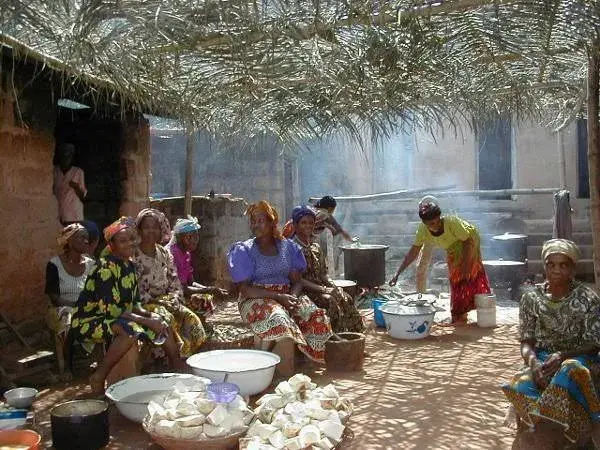
Then there's party jollof, the version that turns up at weddings and birthdays. It's traditionally cooked outdoors over a wood fire. That gives it a smoky taste and a crusty layer at the base of the pot that people call the bottom pot. Many Nigerians will tell you that crust is the best part. Our Nigerian jollof recipe uses long-grain parboiled rice and a tomato stew base.
What is Ghanaian jollof?
Ghanaian jollof is tomato rice made with a fragrant grain and aromatics such as ginger, garlic and onion. Wikipedia describes the usual rice as jasmine, while Daily Maverick's look at the jollof rivalry says Ghanaians tend to favour basmati. You'll find cooks using both. Ghanaian cooks lean on spice rather than smoke. Ginger and garlic are the usual base, and Daily Maverick says many add warm spices like clove, nutmeg or cinnamon as well.
At parties and ceremonies, Ghanaian jollof is often served with shito, a hot pepper condiment that comes from Ghana, alongside salad, plantain and meat or fish. If you've only ever eaten Nigerian jollof, that jar of shito is the first thing you'll notice on the table. Our jollof rice guide puts the West African versions side by side.
Why the rice changes the whole pot
Jollof is cooked by letting rice soak up a measured amount of sauce, so the grain decides how it turns out. Parboiled rice has been partly boiled in its husk during processing. That makes it sturdy enough to absorb a heavy pepper base and sit on high heat at the bottom of the pot without collapsing. That's what makes a smoky bottom pot possible without the whole pot turning to mush.
Basmati and jasmine bring their own perfume to the pot, so Ghanaian cooks build on it with spice rather than smoke. The teasing runs both ways: Daily Maverick reports that Nigerians say basmati makes their jollof too starchy, while Ghanaians complain that parboiled grains are fat and flavourless. Both camps are describing the same thing, which is that the grain sets the texture.
Which jollof should you cook?
Cook the Nigerian style for a crowd, a big pot or anyone who loves a smoky edge. Cook the Ghanaian style for a lighter, fragrant plate, or if you already keep basmati at home. If you're feeding both camps, the peaceful answer is to cook both and let people decide. The "jollof wars" between the two countries are mostly friendly teasing. They've still produced cooking contests, social media campaigns and, in 2016, Sister Deborah's song "Ghana Jollof", which teased the Nigerian version.
How to get smoky jollof without firewood
Most of us don't have a wood fire in the kitchen. Daily Maverick notes that when there's no time for a fire, smoked paprika is often added to get a similar taste. The same piece points out that Nigerian cooks aim for a crisp, slightly burnt crust at the base of the pot, and that crust is where a lot of the smoky flavour comes from.
Pan-toasted jollof rice, for a pot that won't burn
If you're nervous about scorching the pot, try our pan-toasted jollof rice. The parboiled rice is toasted in butter and oil before it meets the stew, which coats each grain and slows how fast it soaks up liquid. Toasting the rice first means it's far less likely to stick and burn. The trade, as the recipe says, is that you lose the smoky bottom pot.
How to cook Ghana jollof rice
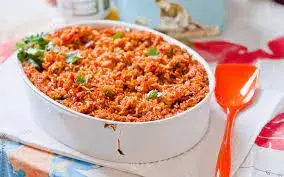
Our Ghana jollof rice recipe uses basmati with curry powder, garlic and ginger, and it's aromatic rather than fiery. Rinse the basmati until the water runs clear before it goes in, and serve it with shito if you can find a jar.
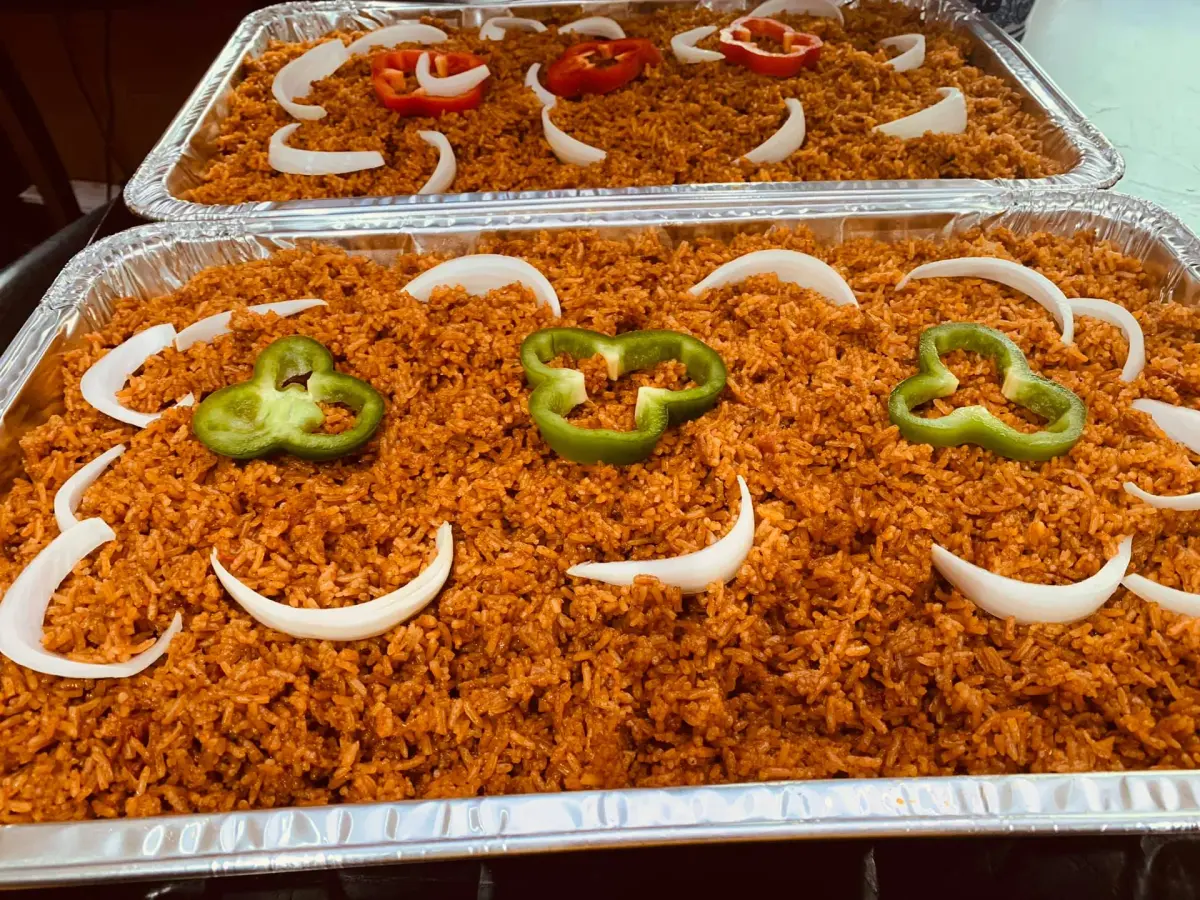
Nigerian native jollof rice, the palm oil cousin
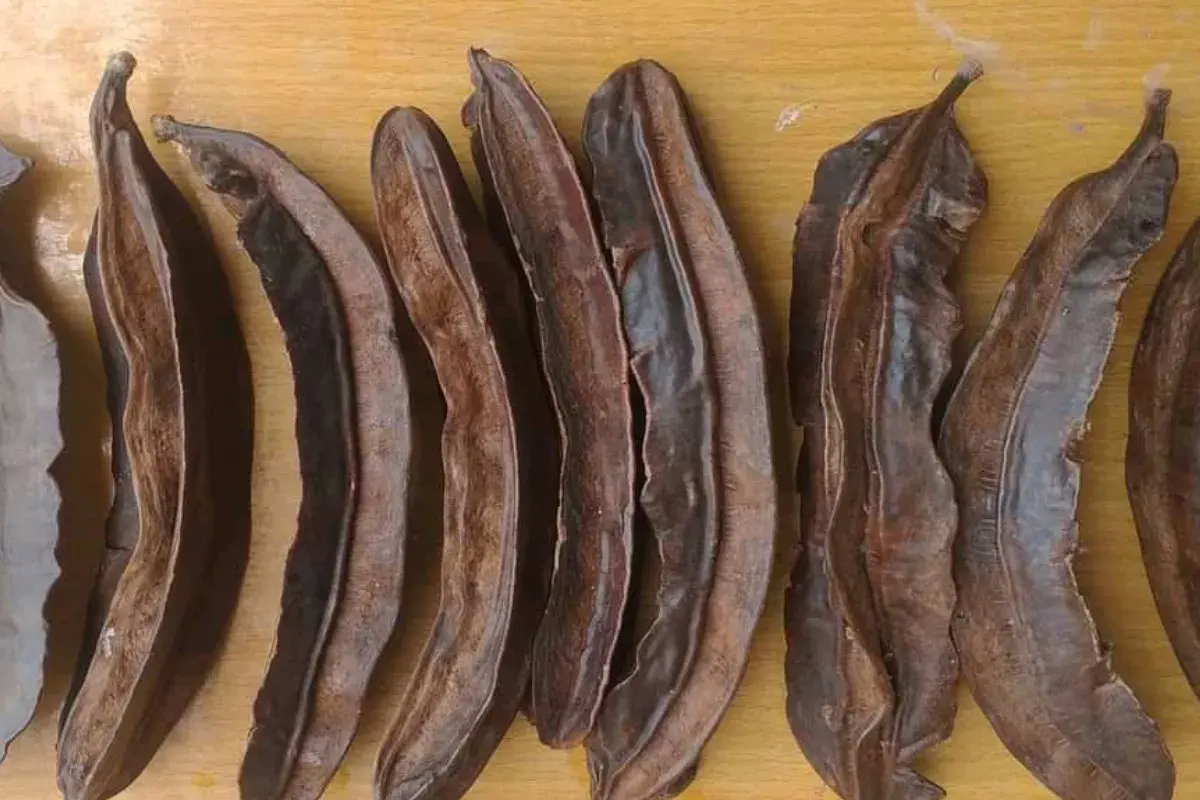
Native jollof rice is a different dish again. It's built on palm oil with locust beans, dried fish, crayfish and cow skin, and it comes out darker and more savoury than party jollof. Wikipedia notes that this style is also called concoction rice.
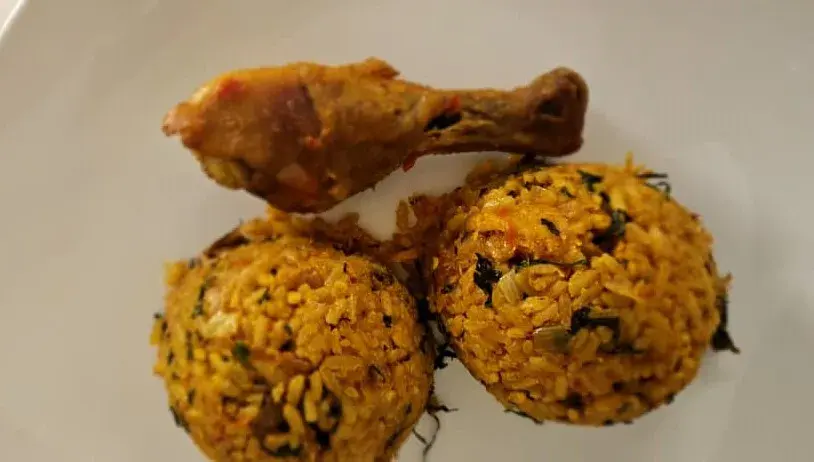
Liberian jollof rice, from further along the coast
Nigeria and Ghana get the headlines, but Wikipedia's jollof entry names Sierra Leone, Liberia and Cameroon as just as competitive about who cooks the best one. Try our Liberian jollof rice or our Ivorian jollof rice, then read Liberian vs Senegalese jollof to see how the western end of the region cooks it.
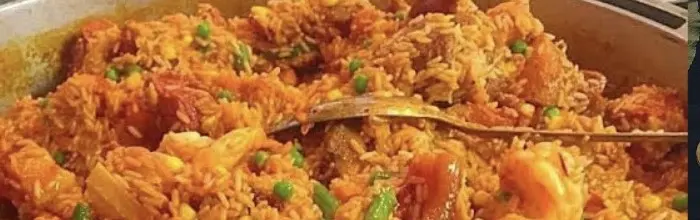
Where jollof rice comes from
Jollof doesn't come from Nigeria or Ghana. The name comes from the Wolof, or Jolof, state in the Senegambian region. In The Conversation, the Senegalese researcher Fatima Fall Niang dates that kingdom to the 12th and 13th centuries. She ties the dish itself to the colonial period, when French rule between 1860 and 1940 reshaped what Senegal grew and ate. Wikipedia adds that tomatoes, peppers and curry powder all came from outside Africa, so today's red jollof may be no older than the 19th century. Ceebu jën (thieboudienne), the Senegalese rice and fish dish that Wikipedia names as jollof's forerunner, was added to UNESCO's intangible heritage list at the end of 2021, The Conversation reports.
Nigerian and Ghanaian jollof questions
Which country invented jollof rice?
Neither Nigeria nor Ghana. Jollof traces back to the Senegambian region, in present-day Senegal and The Gambia, and takes its name from the Wolof people.
Why does Nigerian jollof taste smoky?
Party jollof is traditionally cooked outdoors over firewood, which adds smoke and a crusty bottom layer. Cooks without a fire often use smoked paprika instead.
What rice is used for Ghana jollof?
Usually a fragrant long grain. Some sources say jasmine and others say basmati. Our Ghana jollof recipe uses basmati.
Is Ghana or Nigeria jollof better?
That's a matter of taste, not fact. If you like firm grains and smoke, you'll lean Nigerian. If you like perfumed, spiced rice with shito on the side, you'll lean Ghanaian.