


Kawaree (Cow Feet)
Overview
Kawaree is Egyptian calf's feet cooked with chickpeas until the meat falls from the bone and the broth turns thick with gelatin. It belongs to the older end of the Egyptian repertoire, and Egyptians are direct about the fact that it appeals more to their parents' generation than to their own. It is served in more than one way, and each has its own name. Kawaree fettah puts it over rice with tomato sauce, in the manner of the wider fattah tradition where bread or rice sits under a rich meat and broth. It is also eaten alongside stuffed vine leaves, and the intended technique there is specific: a piece of kawaree and one vine leaf in the same mouthful, so the gelatinous richness and the sharp stuffed leaf arrive together. The dish belongs to a family that runs across the region. Sudanese kawari uses sheep or cattle hooves with cinnamon, cardamom and cloves. Moroccan hergma is spiced with ginger, paprika and chilli and finished with rice. Turkish fasulyeli paça uses white beans in place of chickpeas and no turmeric at all. All are the same principle handled by different kitchens, and all exist because a foot yields a great deal from almost nothing.
AFN Heritage Note
Kawaree belongs to a family of long cooked hoof and trotter dishes documented across North Africa, the Nile valley and the eastern Mediterranean, appearing as Sudanese kawari, Moroccan hergma and Turkish fasulyeli paça. Its earliest documented date in Egyptian cooking is uncertain.
Ingredients
Dietary tags are provided by contributors as a guide, not verified by AFN, and they depend on the products you buy. If you have a serious allergy, check every ingredient yourself. Cooking, allergies and your own judgement
Directions
- 1
Wash and scrape the calf's feet thoroughly. Blanch them in boiling water until a scum forms, then throw out the scum and the water.
- 2
Heat the oil in a large saucepan and turn the feet in it for a minute or so.
- 3
Add the pepper, turmeric and the drained chickpeas.
- 4
Cover with water, bring to the boil, and simmer gently for about 4 hours, until the meat is practically falling off the bones.
- 5
Add salt once the chickpeas are tender.
- 6
Bone the feet if you wish, and return the meat to the pan.
Africook’s Notes
- Blanch and discard the first water without exception. It removes the scum and most of the odour, and skipping it produces a broth that no amount of spice will fix.
- Salt only once the chickpeas are tender. Salt added early toughens their skins and they will not soften properly afterwards.
- Four hours is the real figure at a gentle simmer. A pressure cooker brings it down to roughly an hour and a quarter.
- For a variation, use 1 1/2 pounds of cubed or thickly sliced potatoes in place of the chickpeas, added about 20 minutes before the end.
- Some families add 6 eggs in their shells, parboiled separately first to clean the shells and then added at the start with the chickpeas. Peel them before serving and return them to the pot to heat through.
Questions cooks ask
How do I get rid of the smell when cooking cow feet?
Scrape and wash them thoroughly, then blanch them in boiling water until a scum forms and discard both the scum and the water before starting the cook proper. That single step removes most of it. Freshness matters too: feet that have been frozen for a long time develop an odour that cleaning will not fully remove.
How long does kawaree take to cook?
About four hours at a gentle simmer in an ordinary pot, or roughly an hour and a quarter in a pressure cooker. Calf's feet are almost entirely skin, bone and connective tissue, so there is no shortcut. They are ready when the meat is practically falling off the bones.
What is kawaree fettah?
It is kawaree served over rice with tomato sauce, part of the wider Egyptian fattah tradition in which rice or bread sits beneath a rich meat and its broth. It is the most common way of serving the dish as a full meal, as opposed to eating it alongside stuffed vine leaves.
What are the regional versions of this dish?
Sudanese kawari uses sheep or cattle hooves with cinnamon, cardamom and cloves. Moroccan hergma is spiced with ginger, paprika and chilli instead of turmeric, with rice added at the end. Turkish fasulyeli paça uses white haricot or navy beans in place of chickpeas and no turmeric. All share the same long cooked foot and broth.
Reviews
2 reviews
You Might Also Like
Browse all Egyptian recipes →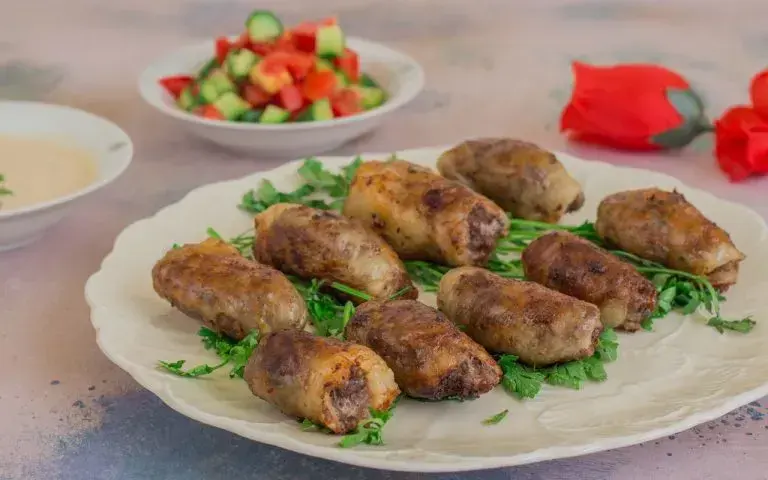
Tarb (Grilled Kofta Wrapped in Lamb Fat)
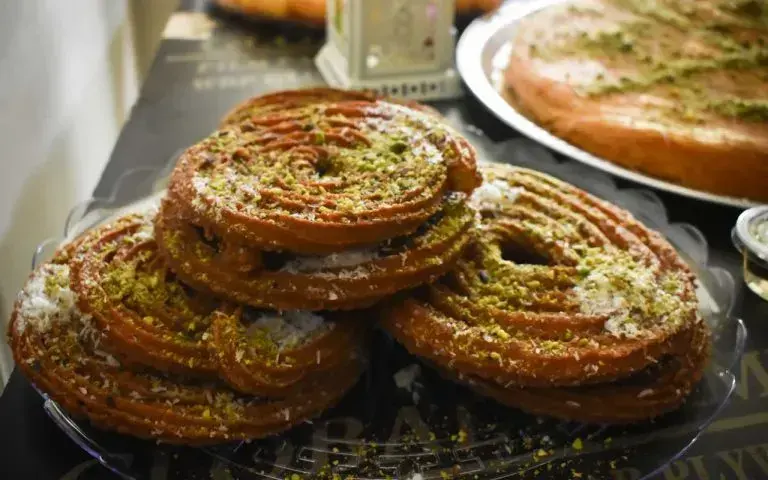
Egyptian Meshabek
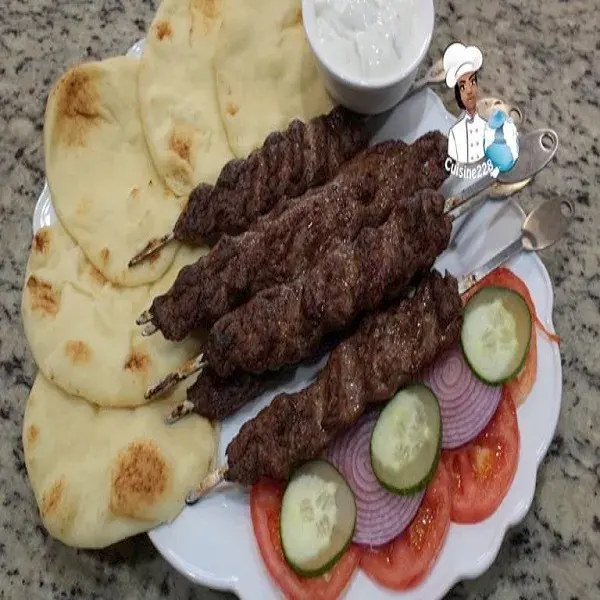
Egyptian Kofta
Blanching the calf feet first to throw away that initial scum makes a huge difference to the broth clarity sha. In Nigeria we usually boil it straight with heavy pepper, but this Egyptian method with turmeric and chickpeas took almost 4 and a half hours on my stove. The gelatinous broth e sweet well well. My wife was asking why no tomatoes but after tasting it she kept quiet.
made this on Sunday in my big cast iron pot. had to leave the cow feet simmering for nearly 5 hours before they were properly tender, 4 hours wasn't quite enough for the bones to slip out easily. added a pinch more turmeric than the 1 tsp specified because the yellow color was a bit pale. overall very lekker rich stew, perfect with some pap.