

Rice Pudding
London, United Kingdom · Voir toutes les recettes
Aperçu
Rice pudding is rice cooked in milk with sugar, and it exists almost everywhere rice is grown. The source names no country and it would be wrong to give it one: recipes differ enormously not only between countries but within them, and the dish belongs to no single tradition. Africa has its own versions, which this is not. Roz bi laban is the Egyptian and Levantine rice pudding, set with cornflour and scented with rose or orange blossom water. Muhallabia is its relative. Thiakry in Senegal and the Gambia is millet couscous with fermented milk rather than rice. Each is a distinct dish with its own name and this generic version is none of them. What is here is a stovetop pudding built on cooked rice, milk, sugar, egg and raisins, thickened by tempering egg into the hot mixture, and finished with butter, vanilla, cinnamon and nutmeg. Tempering is the technique that matters: a cup of the hot rice is stirred into the beaten egg before the egg goes back into the pan, which raises its temperature gradually and stops it scrambling. It sits in Worldwide Recipes under Global, with its URL unchanged.
Ingrédients
Les mentions alimentaires sont fournies par les contributeurs à titre indicatif. Elles ne sont pas vérifiées par AFN et dépendent des produits que vous achetez. En cas d’allergie grave, vérifiez vous-même chaque ingrédient. Cuisine, allergies et votre propre jugement
Préparation
- 1
Mix the cooked rice, 1 1/2 cups of the milk, the sugar and the salt. Cook uncovered over medium heat for about 15 to 20 minutes.
- 2
Whisk the egg with the remaining milk in a bowl.
- 3
Add about a cup of the hot rice mixture to the egg while stirring, to temper it.
- 4
Stir the tempered egg mixture and the raisins into the rice, and cook for 2 minutes more.
- 5
Remove from the heat and stir in the butter and vanilla.
- 6
Serve warm, garnished with whipped cream and a sprinkle of nutmeg and cinnamon.
Notes de l’Africook
 Notes personnelles de Nympha Nzeribe
- Temper the egg properly: stir a cup of the hot rice into the beaten egg first, then return the mixture to the pan. Adding cold egg straight to hot rice scrambles it.
- Cook uncovered and stir regularly. Rice pudding catches on the base of the pan easily and the burnt flavour goes right through.
- Take it off while it still looks slightly loose. It thickens considerably as it cools and will otherwise set solid.
- Soak the raisins in warm water or a little rum for ten minutes first if you want them plump rather than chewy.
- Short grain rice gives a creamier result than long grain, since it releases more starch.
- It can be baked instead: combine everything in a dish and bake low and slow for a skin on top, which is the British nursery version.
Questions fréquentes
What kind of rice should I use?
Any rice will work, and this recipe uses already-cooked white rice, which makes it a good use of leftovers. Short grain rice such as pudding rice or arborio gives a creamier result because it releases more starch. Long grain stays more separate, which some people prefer.
Why does the egg need tempering?
Because egg added straight into hot liquid scrambles. Stirring a cup of the hot rice mixture into the beaten egg first raises its temperature gradually, so it thickens the pudding smoothly when returned to the pan rather than setting into strands. It is the same technique used for custard.
What are the African rice puddings?
Roz bi laban is the Egyptian and Levantine version, set with cornflour and scented with rose or orange blossom water, and muhallabia is a close relative. Thiakry in Senegal and the Gambia uses millet couscous with fermented milk rather than rice. Each is a distinct dish rather than a variation on this one.
Can it be baked instead?
Yes, and that is the British nursery version: combine everything in a buttered dish and bake at a low heat for an hour or more, which gives a browned skin on top that many people consider the best part. The stovetop method here is faster and gives a creamier, looser pudding.
Avis
Soyez le premier à noter cette recette
Vous l’avez cuisinée ? Votre note aide la personne suivante à se décider.
Aucun avis sur cette recette pour le moment. Si vous l’avez cuisinée, le vôtre serait le premier.
Vous Aimerez Aussi
Voir toutes les recettes South Africa →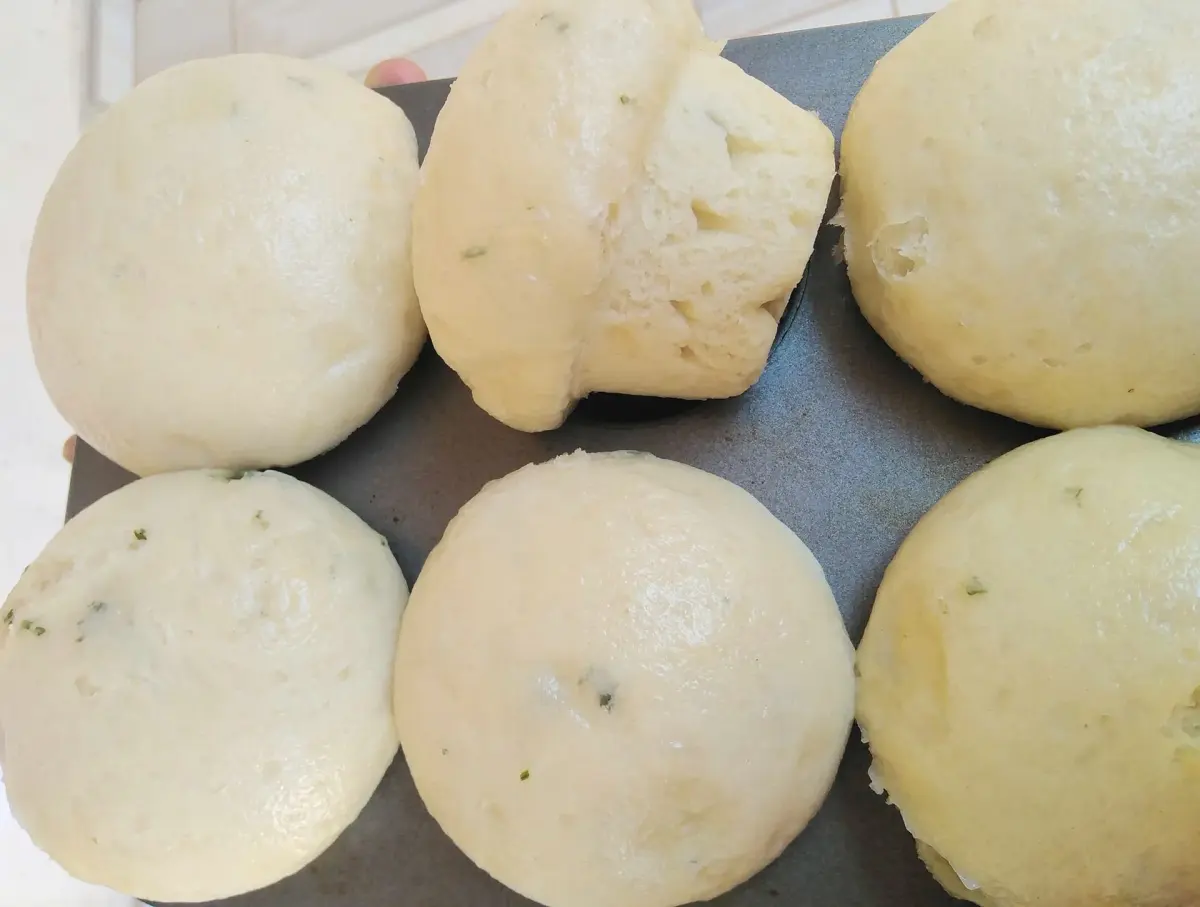
Dombolo (Dumplings or Steamed Bread)

Boeber (Cape Malay Sweet Milk Drink)