
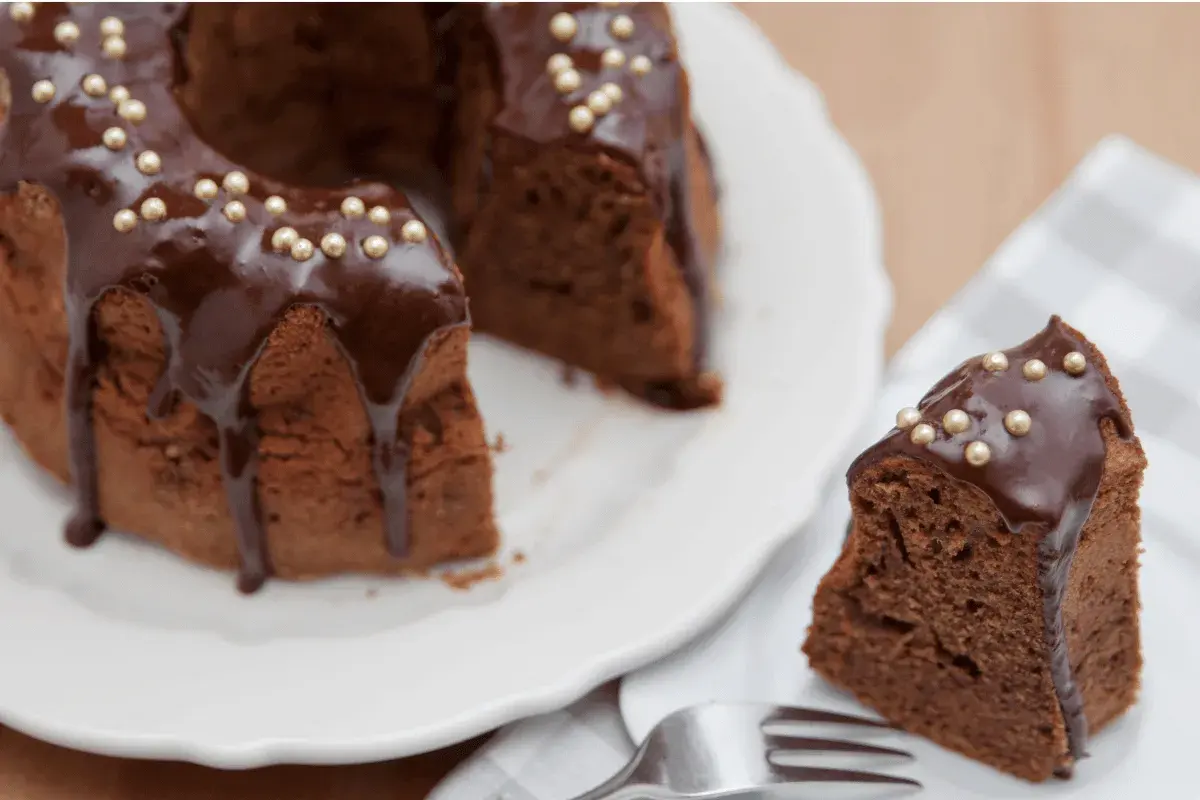
Moist Chocolate Cake
Abuja, Nigeria · Voir toutes les recettes
Aperçu
A two-layer chocolate cake made by creaming butter with sugar, with cocoa bloomed in warm milk. No country is claimed and none is implied, this is a standard Western chocolate layer cake. One correction to the title. The source calls this a sponge, and it is not one. A true sponge gets its lift from air whipped into eggs, uses little or no fat, and is characteristically light and dry, which is why sponges are usually soaked in syrup. This recipe creams butter with sugar and relies on baking powder and bicarbonate of soda. That makes it a butter cake, which is precisely why it is moist and why it stays soft for days. The technique is the reason for the quality the title advertises, so it is worth naming correctly. The slug and URL are unchanged. The one technique here that genuinely earns its place is blooming the cocoa: whisking it into warm milk before it meets the batter. Cocoa powder is largely insoluble and hydrating it first dissolves the flavour compounds and prevents the dry, dusty pockets you get from tipping it in with the flour. The source names two premium cocoa brands. Any good dark cocoa works; what matters is that it is real cocoa powder rather than a sweetened drinking mix.
Ingrédients
Les mentions alimentaires sont fournies par les contributeurs à titre indicatif. Elles ne sont pas vérifiées par AFN et dépendent des produits que vous achetez. En cas d’allergie grave, vérifiez vous-même chaque ingrédient. Cuisine, allergies et votre propre jugement
Préparation
- 1
Heat the oven to 350°F / 180°C. Grease two 8 or 9 inch cake tins and line the bases with parchment.
- 2
Whisk the flour, cocoa powder, baking powder, bicarbonate of soda and salt together and set aside.
- 3
Cream the butter and sugar with an electric mixer for 3 to 5 minutes, until pale and fluffy. Beat in the eggs one at a time, then the vanilla.
- 4
Whisk half a cup of the warm milk into a portion of the cocoa mixture until you have a smooth paste. This is what dissolves the cocoa properly.
- 5
Work the dry mixture and the remaining milk into the butter mixture alternately, in batches, beginning and ending with the dry. Fold gently after each addition, only until combined.
- 6
Divide the batter evenly between the tins.
- 7
Bake for 30 to 35 minutes, until a skewer inserted in the centre comes out clean.
- 8
Cool in the tins for 10 minutes, then turn out onto wire racks and cool completely before frosting.
Notes de l’Africook
 Notes personnelles de Deborah Olayiwola
- Bloom the cocoa in warm milk before it goes into the batter. It is the one step here that makes a real difference, and skipping it leaves dry pockets of cocoa through the crumb.
- Do not overmix once the flour is in. Gentle folding keeps the crumb tender; beating develops gluten and makes it tough.
- Check for doneness a few minutes early. Overbaking is the main cause of a dry chocolate cake.
- An extra egg yolk adds richness and moisture if you want to push it further.
- Brushing the cooled layers with a light sugar syrup keeps them moist for longer, which is worth doing if you are baking a day ahead.
- Store it covered at room temperature rather than in the fridge. Refrigeration firms the butter and dries the crumb out.
Questions fréquentes
Is this actually a sponge cake?
No, and that is a compliment rather than a complaint. A sponge takes its lift from air beaten into eggs and contains little or no fat, which makes it light but dry, the reason sponges are usually soaked in syrup. This recipe creams butter with sugar and leavens with baking powder and bicarbonate of soda, making it a butter cake. That is exactly why it is moist and stays soft for days, so the technique is doing what the title promises even though the name is wrong.
What cocoa powder should I use?
Any unsweetened cocoa powder of decent quality. The distinction that matters is between real cocoa powder and sweetened drinking chocolate mix, which contains sugar and milk solids and will throw the recipe off. Dutch-processed cocoa gives a darker colour and a mellower flavour; natural cocoa is sharper and more acidic. The source names two premium brands, but the difference between good supermarket cocoa and a premium one is far smaller than the difference between cocoa and drinking mix.
Why warm the milk?
To dissolve the cocoa. Cocoa powder is largely insoluble in cold liquid, and tipping it in dry with the flour leaves fine pockets that taste dusty and bitter. Whisking it into warm milk first hydrates it and releases the flavour compounds into the batter, which gives a deeper and more even chocolate flavour. It is a small step and it is the single most worthwhile thing in this method.
How do I stop it drying out?
Mostly by not overbaking it, start checking several minutes before the stated time, and take it out as soon as a skewer comes out clean. After that, store it covered at room temperature rather than in the fridge, since cold firms the butter and dries the crumb. Brushing the cooled layers with a light sugar syrup helps if you are baking ahead, and an extra egg yolk in the batter adds richness that holds moisture.
Avis
Soyez le premier à noter cette recette
Vous l’avez cuisinée ? Votre note aide la personne suivante à se décider.
Aucun avis sur cette recette pour le moment. Si vous l’avez cuisinée, le vôtre serait le premier.