

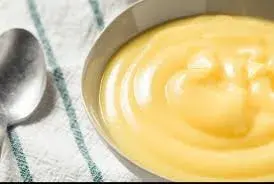
Ogi (Nigerian Pap)
Aperçu
Ogi is fermented cereal porridge, sour, smooth and pale, and it is among the first things most Nigerians ever eat. It is called akamu in Igbo and pap in English, and it is made from maize, sorghum or millet steeped in water for up to three days, wet milled, sieved to remove the husks, and then fermented for several more days until it turns distinctly sour. That sourness is the point and it is what separates ogi from any other cereal porridge. It also does real work: fermentation makes the grain more digestible and gives ogi a probiotic character, which is a large part of why it has been the standard weaning food for Nigerian infants for generations and why it is given to people who are unwell or recovering. The same base goes in two directions. Thinned and cooked, it is the porridge eaten at breakfast with akara, moin moin, fried plantain or bread. Cooked much thicker and left to set, it becomes agidi or eko, sliced and eaten with pepper soup or stew. Across the region the names change without the thing changing much: koko in Ghana, uji in Kenya, where it is more often made from millet and sorghum. Three grains are used in Nigeria, and white corn, yellow corn and guinea corn each give a slightly different result.
Note de Patrimoine AFN
Ogi is documented across West Africa as a fermented cereal preparation, known as akamu in Igbo and koko in Ghana, and made from maize, sorghum or millet steeped, wet milled and fermented. Maize reached West Africa through Atlantic trade from the 16th century and was absorbed into an existing tradition of fermenting sorghum and millet.
Ingrédients
Les mentions alimentaires sont fournies par les contributeurs à titre indicatif. Elles ne sont pas vérifiées par AFN et dépendent des produits que vous achetez. En cas d’allergie grave, vérifiez vous-même chaque ingrédient. Cuisine, allergies et votre propre jugement
Préparation
- 1
Mix the fermented corn flour or paste with the cold water in a medium bowl. Mix well until it is completely lump free.
- 2
Bring the remaining water to a rolling boil.
- 3
Pour the mixed cornflour into the boiling water, stirring as it goes in.
- 4
Cook for 5 minutes, or until thickened to the consistency you want.
- 5
Serve with milk, moin moin, akara, fried plantain or any side of your choice.
Notes de l’Africook
 Notes personnelles de Deborah Olayiwola
- Slake the paste in cold water first, always. Ogi tipped dry or wet into boiling water seizes into lumps that will not come out however long you stir.
- The water must be at a genuine rolling boil when the mixture goes in. Water that is merely hot gives a raw, starchy porridge that never thickens properly.
- Consistency is entirely to taste and is set by how much hot water you use. Thin for drinking, thicker for spooning, and thicker still if you are going on to make agidi.
- Wet ogi paste, sold in blocks by Nigerian grocers, keeps in the fridge under water that is changed every three days. That is the traditional storage method and it works.
- Sugar, milk or evaporated milk are the usual additions, and akara and moin moin are the standard savoury partners.
Questions fréquentes
What is the difference between ogi, akamu and pap?
They are the same thing. Ogi is the Yoruba name, akamu is Igbo, and pap is the English usage in Nigeria. In Ghana the same preparation is called koko, and in Kenya uji, though the Kenyan version is more often based on millet and sorghum than maize. The grain and the fermentation are what define it, not the name.
Can I make ogi from ordinary cornflour?
You will get a corn porridge, but not ogi, because the sourness comes from fermentation rather than from the grain. For the real thing you need fermented corn paste or fermented corn flour, sold by Nigerian grocers, often refrigerated in wet blocks. There is no way to shortcut several days of fermentation.
Is ogi good for babies?
It is the standard weaning food across Nigeria and has been for generations, usually introduced from around six months. Fermentation makes the grain more digestible and gives it a probiotic character. It is also low in protein on its own, which is why it is commonly enriched with soy or served alongside moin moin or akara.
How long does ogi paste keep?
A few days refrigerated, and considerably longer using the traditional method of keeping it submerged in water and changing that water every three days. It has a high moisture content and will spoil if left out. Once cooked into porridge it should be eaten the same day.
Avis
4 avis
Vous Aimerez Aussi
Voir toutes les recettes Nigeria →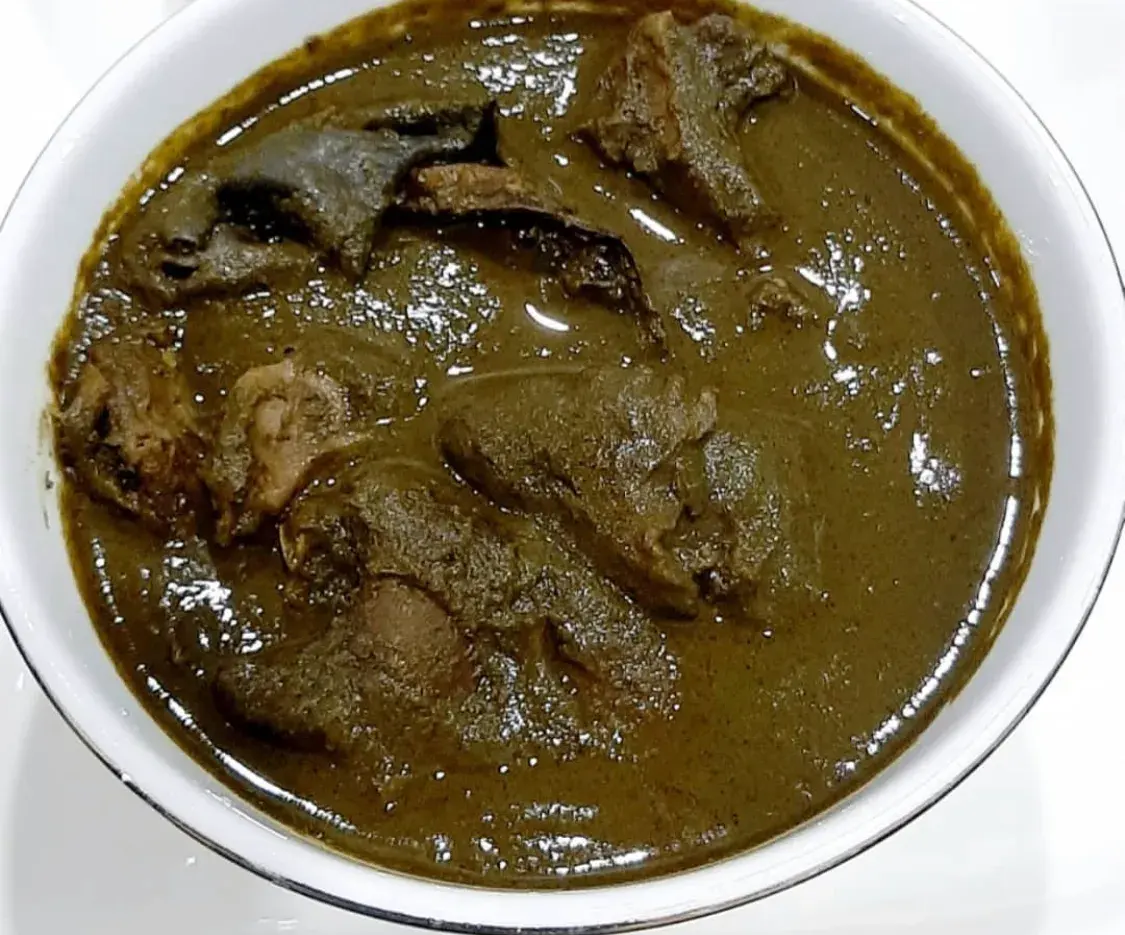
Edo Black Soup
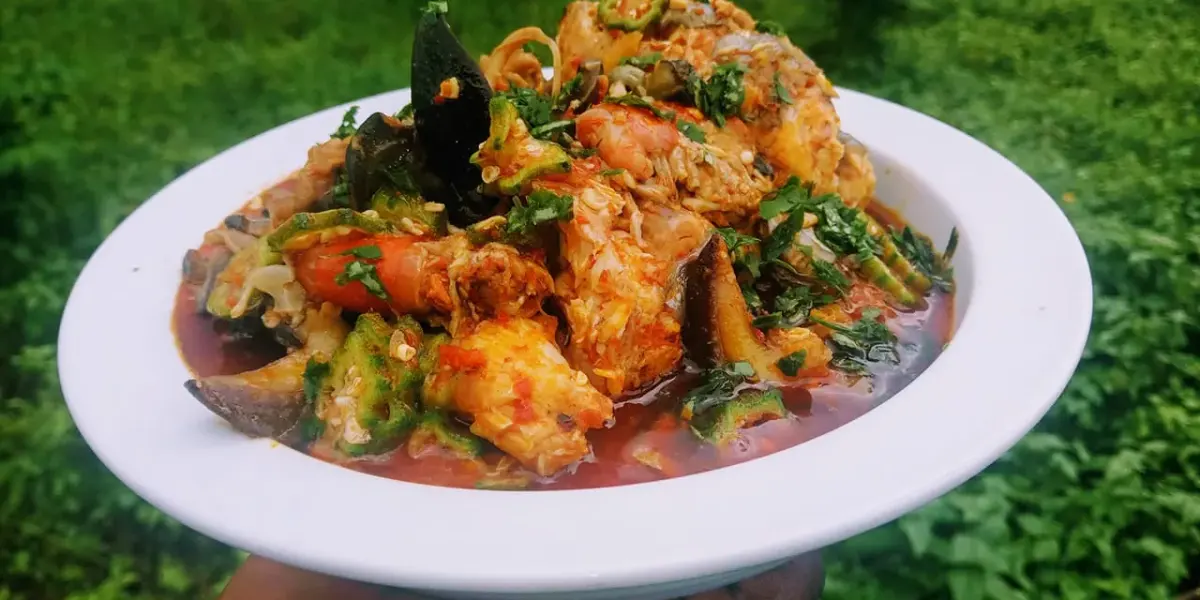
Nigerian Fisherman Soup
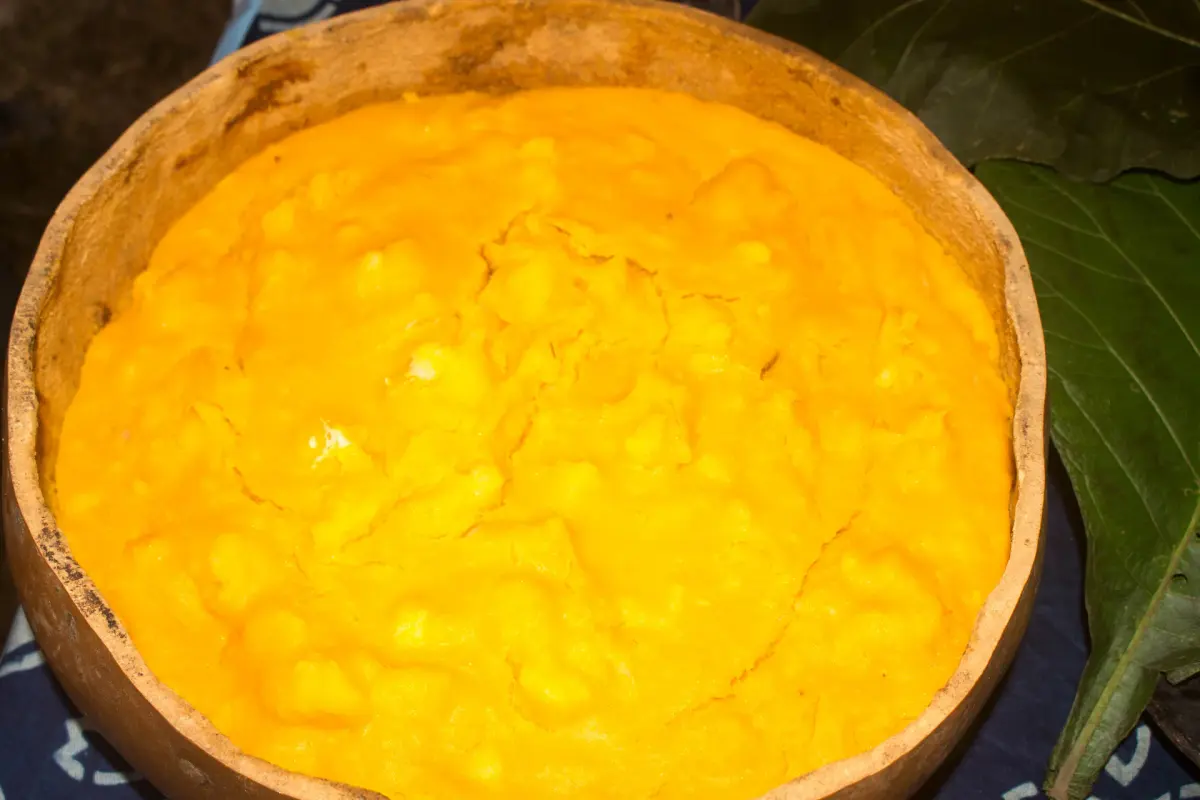
Igbo Yam Porridge
Managed to track down a tub of yellow wet ogi paste at an Afro-Caribbean specialist store near me after a colleague recommended it. I was so worried about getting lumps, but whisking the cold paste slurry directly into the rolling boiling water worked like a charm. Had mine with evaporated milk and sugar.
This is very similar to our corn dough koko in Ghana, but without the ginger and pepper spices. I used the wet paste version and it turned out very smooth oo. Just make sure the water is at a real rolling boil before pouring or it wont thicken properly paa.
my paste was a bit too thick straight from the fridge so I had to work it well with the cold water first. poured the boiling water slowly while whisking and no single lump formed sha! ate mine with hot akara this morning, e sweet finish.
5 minutes cooking time was a bit too short to get that distinct sour fermented taste if you are using the dry corn flour paa. I had to leave my flour mix to sit overnight first before boiling. Still came out fine chale.