

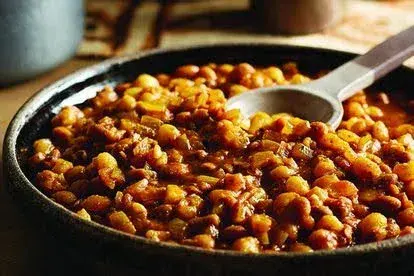
Samp and Beans (Umngqusho)
Overview
Samp and beans, umngqusho in Xhosa, is a South African staple and one of the dishes most closely identified with Xhosa cooking. It is widely reported to have been Nelson Mandela's favourite, an association that has followed the dish everywhere. Samp is dried maize kernels that have been pounded and chopped until broken but not ground fine, which distinguishes it from mealie-meal and from mielie rice. The pounding loosens the hull, which comes away during the process, leaving coarse broken pieces that take a long time to soften. It is eaten across South Africa and by the Lozi and Tonga people of Zambia, sometimes plainly with sugar and sour milk. Cooked with sugar beans it becomes umngqusho, and this version is the braised one: beef shin, onion, garlic, curry powder, paprika, carrot and tomato cooked down with the samp and beans for two and a half hours into a thick gravy. Plain umngqusho with nothing but samp, beans and salt is equally traditional and is the everyday form. Chakalaka alongside is the standard partner. The overnight soak is not optional for either the samp or the beans, and it is the step that most often gets skipped.
AFN Heritage Note
Umngqusho is a Xhosa dish of samp and beans, samp being dried maize kernels pounded and broken rather than milled. It is eaten across South Africa and by the Lozi and Tonga peoples of Zambia.
Ingredients
Dietary tags are provided by contributors as a guide, not verified by AFN, and they depend on the products you buy. If you have a serious allergy, check every ingredient yourself. Cooking, allergies and your own judgement
Directions
- 1
In a heavy based large saucepan, heat the oil and fry the onions and garlic until tender.
- 2
Add the cubed beef shin and bones and let them brown, then add the crumbled stock cubes, bay leaves and boiling water.
- 3
Drain the soaked samp and beans and add them to the pot along with the paprika, curry powder, grated carrots and chopped tomatoes.
- 4
Cover and simmer over low heat for about two hours, stirring occasionally so it does not catch, until the samp and beans are soft and a thick rich gravy has formed.
- 5
Taste the gravy, add salt and pepper to your liking, and simmer for a further 30 minutes.
Africook’s Notes
 Personal notes from Amarachi Irobi
- Soak both the samp and the beans overnight. Samp is dense and unsoaked will still be chalky after three hours, long after everything else is done.
- Stir occasionally through the long simmer. Samp settles and catches on the base, and burnt samp flavours the whole pot.
- Add boiling water rather than cold if the pot needs topping up, so the cook is not interrupted.
- Grated carrot is doing a job here, dissolving into the gravy and thickening it rather than staying as pieces.
- Plain umngqusho, just samp, beans and salt, is equally traditional and is the everyday version. This braised one is the fuller dish.
- It is better on the second day and freezes well for three months.
Questions cooks ask
What is samp?
Samp is dried maize kernels that have been pounded and chopped until broken into coarse pieces, with the hull removed during pounding. It is not ground fine like mealie-meal or mielie rice. It is sold dried in South African supermarkets and at African grocers, and hominy is the closest widely available substitute.
Do I have to soak the samp overnight?
Yes. Samp is dense and will not soften in a reasonable cooking time without it, leaving chalky pieces through the finished dish. Soak the beans at the same time in a separate bowl. Skipping this is the most common reason a pot of umngqusho fails, and it cannot be corrected by cooking longer.
Can I make it without meat?
Yes, and plain umngqusho of samp, beans and salt is entirely traditional and the everyday version in many households. For a fuller vegetarian dish, keep the onion, garlic, carrot, tomato and spices, use vegetable stock, and accept that it will be lighter without the beef shin and its bones.
What is it served with?
Chakalaka, the spiced vegetable relish, is the standard partner. It is also eaten on its own as a complete meal, or alongside grilled or braised meat. Plain samp, without the beans, is sometimes eaten with sugar and sour milk instead, which is a different dish altogether.
Reviews
3 reviews
You Might Also Like
Browse all South African recipes →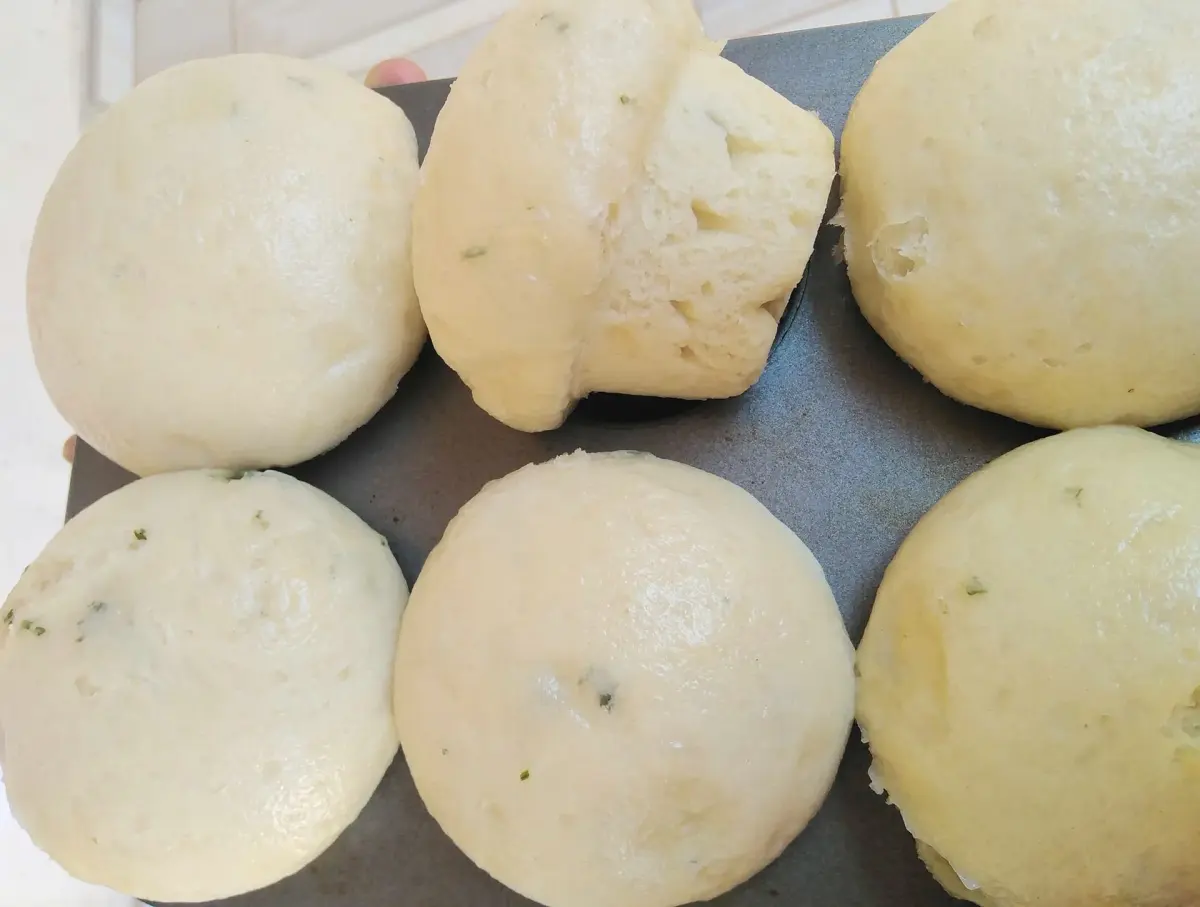
Dombolo (Dumplings or Steamed Bread)
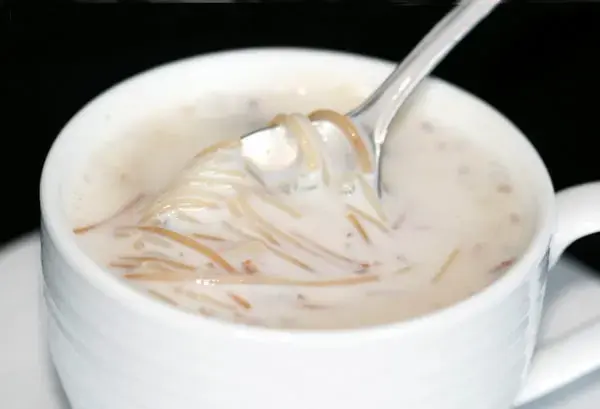
Boeber (Cape Malay Sweet Milk Drink)
couldnt find sugar beans here in Dubai so I got red kidney beans from Union Coop and it still worked well. the trick of grating the carrots directly into the pot gives the nyama gravy such a nice sweetness and thickness. cooked it on low for full 2.5 hours until the samp was soft. Sawa kabisa, tasted close to what my South African neighbor used to make for us.
Herh, you really have to stand there and stir every ten minutes in that second hour chale, otherwise the samp will just catch at the bottom of the saucepan. Was a bit skeptical about putting mild curry powder in umngqusho but the flavor balanced well with the bay leaves. Very heavy food paa, good for rainy weather.
That chilli beef stock cube gave the gravy serious depth o. I used soft beef shin with plenty bone like you said, e sweet no be small thing! Only issue is my samp took almost three hours to soften up even after soaking overnight, so my gas finish fast. Next time I will pressure cook the samp first sha.