

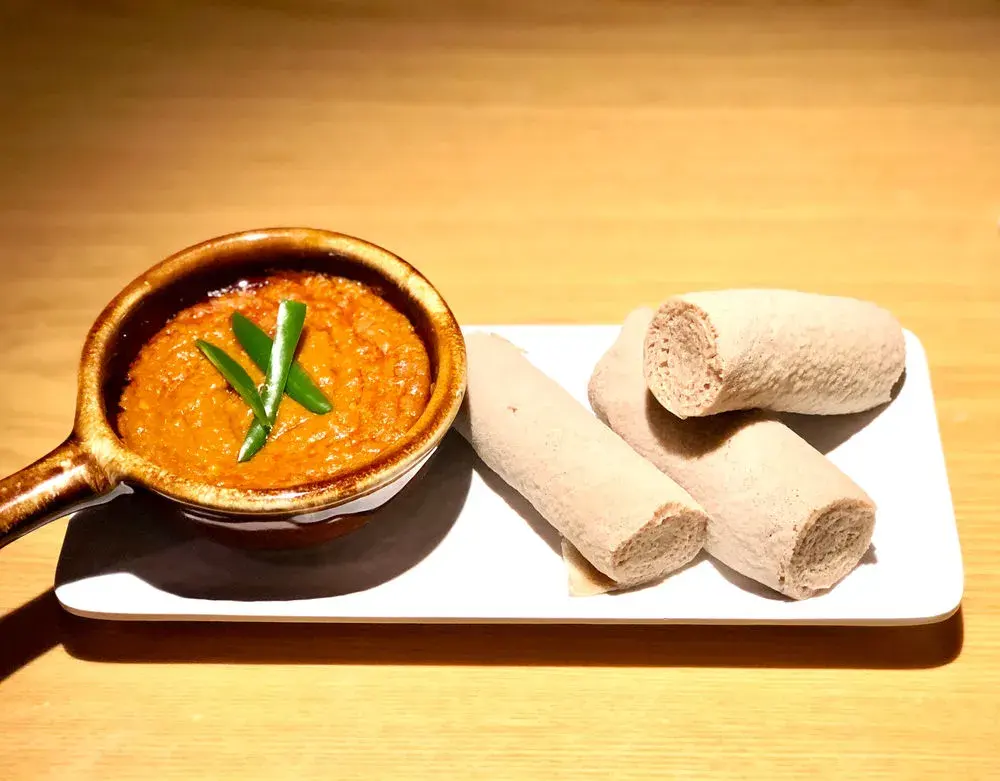
Shiro Wat (Ethiopian Chickpea Stew)
Aperçu
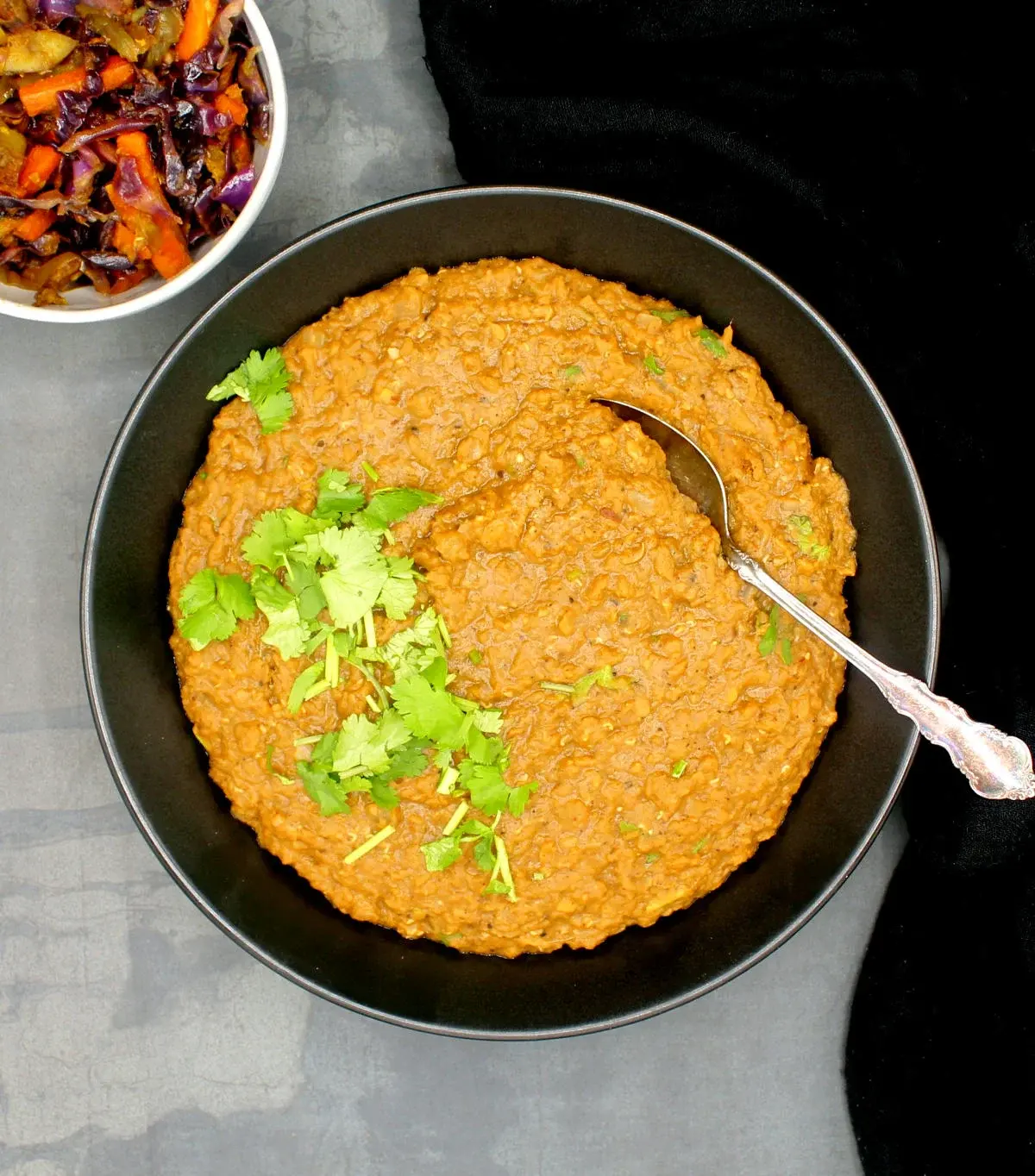
Shiro wat is ground chickpea stew, and it is among the most eaten dishes in Ethiopia and Eritrea. Onion, garlic, tomato and berbere are cooked down in oil, chickpea flour is whisked in, and the result thickens to something between a thick gravy and a puree, smooth enough to spread and eaten with injera. Its position has a great deal to do with the religious calendar. Ethiopian Orthodox practice includes a very large number of fasting days, on which no meat, eggs or dairy are eaten, and shiro contains none of them. It is standard on Wednesdays and Fridays, through the eight weeks of Tsom, the Great Lent, and it is eaten during Ramadan by Ethiopian and Eritrean Muslims too. That is a dish serving two religions in one country without modification. It is also cheap and quick, which explains the rest of its reach. Shiro powder, sold ready mixed with the spices already in it, is available across Ethiopia and increasingly abroad, in two kinds: mitten shiro, which is red and carries berbere, and netch shiro, which is white and mild. The dish takes different forms by consistency and name: shiro fessess is runny and served over injera with chillies, shiro tegamino is thick and cooked in an earthenware pot until it bubbles and caramelises at the base, and shiro fit fit shreds injera through it for breakfast.
Note de Patrimoine AFN
Shiro wat is documented across Ethiopia and Eritrea as a stew of ground chickpeas, and belongs to the body of dishes containing no animal products that developed around the Ethiopian Orthodox fasting calendar, which prohibits meat, eggs and dairy on Wednesdays, Fridays and through the eight weeks of Tsom.
Ingrédients
Les mentions alimentaires sont fournies par les contributeurs à titre indicatif. Elles ne sont pas vérifiées par AFN et dépendent des produits que vous achetez. En cas d’allergie grave, vérifiez vous-même chaque ingrédient. Cuisine, allergies et votre propre jugement
Préparation
- 1
Puree the onions in a blender. Tip the onion into a hot dry skillet and stir frequently until the water evaporates and the onion takes on a little colour.
- 2
Once the onions begin to colour, add the oil and the berbere. Let the onion and berbere cook in the oil for a minute or two.
- 3
Puree the tomato and add it to the skillet. Cook for a minute or two, taking care as the oil will spit.
- 4
Add the shiro powder gradually, stirring briskly with a wooden spoon or whisk. It thickens quickly. Once it is well mixed into the oil, add the water and stir well.
- 5
Turn the heat down to medium. The mixture will thicken as it cooks.
- 6
After about 5 minutes it is done. It should be about the consistency of a thick gravy. Add water to thin it or more shiro powder to thicken it.
- 7
Serve with injera, rice or bread.
Notes de l’Africook
- Dry fry the pureed onion first, before any oil goes in. Driving off the water concentrates the onion and is what gives the stew its depth.
- Add the shiro powder gradually and whisk hard. It thickens and pops almost immediately and lumps set fast.
- Berbere quantity is entirely to taste and varies enormously between brands. A quarter cup is a genuine Ethiopian level; start with a fraction of that if you do not know the blend.
- For a mild version, skip the berbere entirely and use a little turmeric and salt instead for colour and flavour.
- Niter kibbeh, the Ethiopian spiced clarified butter, is traditionally stirred in at the end, though that makes the dish no longer vegan.
Questions fréquentes
What is shiro powder and where do I buy it?
Shiro powder is ground chickpeas or broad beans blended with spices and seasoning, sold ready to use so you only add water. It comes in two kinds: mitten shiro, which is red and includes berbere, and netch shiro, which is white and mild. It is stocked by Ethiopian and Eritrean grocers and widely available online.
What can I use instead of berbere?
There is no exact substitute, since berbere combines chilli with garlic, ginger, fenugreek, cardamom, coriander and other spices. As a rough approximation, use a teaspoon each of paprika, chilli powder and ground coriander for every tablespoon of berbere called for. It will give heat and colour without the aromatic complexity.
Is shiro wat vegan?
As written here, yes, and that is not incidental. It is one of the standard dishes of the Ethiopian Orthodox fasting calendar, on which no meat, eggs or dairy are eaten. The one thing to watch is niter kibbeh, the spiced clarified butter traditionally stirred in at the end, which makes it non vegan. Leave it out and use oil throughout.
What are the different kinds of shiro?
Shiro fessess is thinner, served over injera with chillies on the side. Shiro tegamino is thicker, cooked in a small earthenware pot until it bubbles and the base begins to caramelise. Shiro fit fit shreds injera or kitcha through it and is eaten at breakfast. All start from the same base and differ in consistency and service.
Avis
3 avis
Vous Aimerez Aussi
Voir toutes les recettes Ethiopia →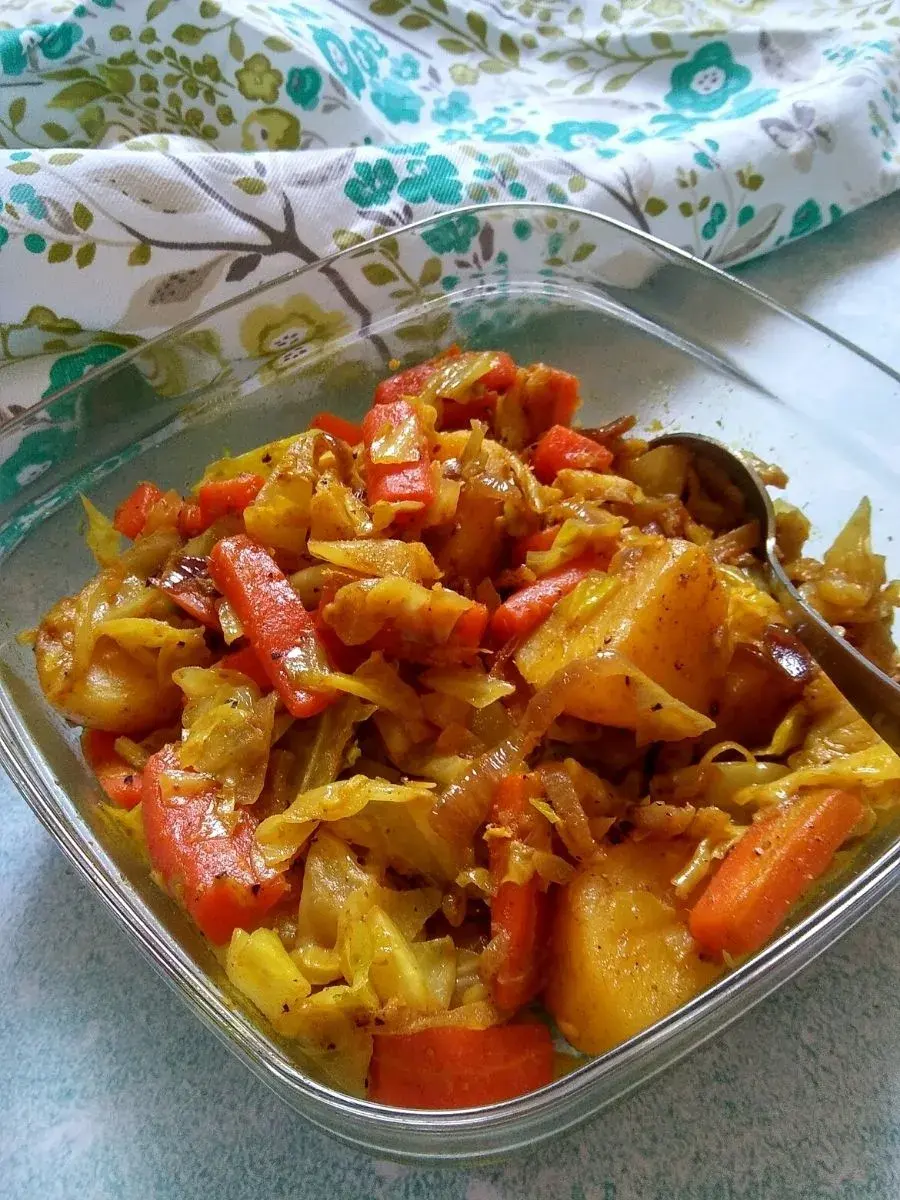
Ethiopian Berbere Cabbage - Atakilt Wat
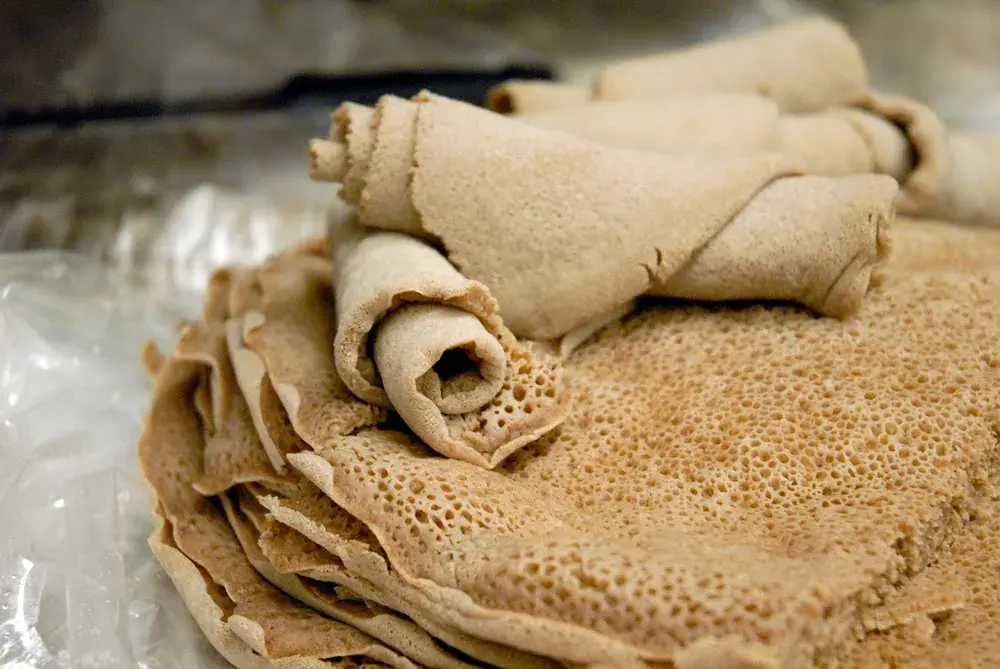
Injera (Ethiopian Flatbread)
Had to hunt down the shiro powder at an international grocer, but so glad I did. Watch out when you add the pureed tomato to the hot oil, it does spit quite a bit! Whisking the powder in rapidly is essential otherwise it gets clumpy fast. Needed a splash more water than 2 cups to get the consistency right.
found the shiro powder at the habesha store in silver spring when i went there last weekend. that part where you whisk the shiro into the oil before adding water is key sha, makes it smooth without lumps. reduced the berbere to 2 spoons because of my kids but e sweet well well o.
dry frying the pureed onion first felt strange but getting that water out before adding the oil is the secret. i used 120ml of canola oil and about 3 tablespoons of berbere spice. perfect texture, super fast for a weeknight dinner. served it with flatbread, really lekker.