

Injera (Ethiopian Flatbread)
Aperçu
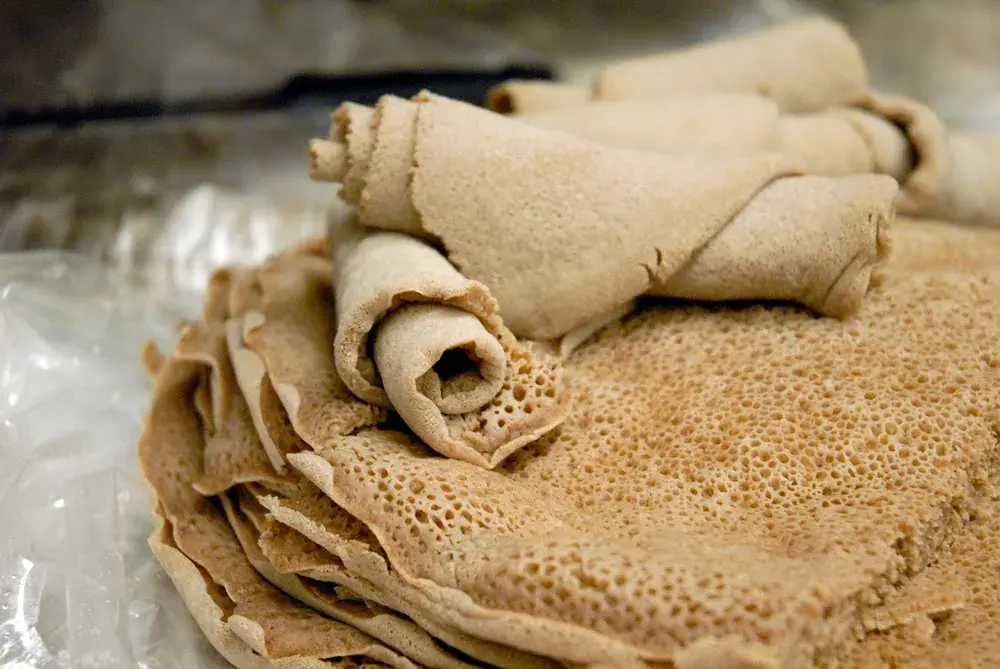
Injera is the fermented flatbread of Ethiopia and Eritrea, and it is not a side dish. It is the plate: stews and vegetables are spooned directly onto a large injera, and diners tear pieces from a second one to scoop, so the meal ends with the plate itself eaten. Teff is what it is made from, a tiny round grain that grows in the Ethiopian highlands and is among the smallest cereals in the world. Teff carries almost no gluten, which means it cannot be raised in the way wheat bread is, and injera instead depends on fermentation. Wild yeasts and lactic bacteria in a starter, called ersho, work the batter over several days, producing the carbon dioxide that gives injera its distinctive surface of small holes, its spongy texture and its sour flavour. That sourness is the point and it varies. A short fermentation gives a mild injera; three days or more gives the sharpness Ethiopians expect. The recipe here uses commercial yeast and a shorter rest, which is a practical shortcut rather than the traditional method, and it produces a milder bread. It also allows very fine millet flour in place of teff, which is easier to find but changes the flavour and the colour.
Note de Patrimoine AFN
Injera is the staple fermented flatbread of Ethiopia and Eritrea, made from teff, a grain cultivated in the Ethiopian highlands. Its characteristic texture and sour flavour derive from a multi-day fermentation of the batter.
Ingrédients
Les mentions alimentaires sont fournies par les contributeurs à titre indicatif. Elles ne sont pas vérifiées par AFN et dépendent des produits que vous achetez. En cas d’allergie grave, vérifiez vous-même chaque ingrédient. Cuisine, allergies et votre propre jugement
Préparation
- 1
Mix the yeast with 2 tablespoons of hot water in a glass.
- 2
Put 375 g of the flour in a bowl and add the glass of yeast water.
- 3
Add 500 ml of cold water to the flour and mix until the batter is very smooth. Leave it to rest for at least one day.
- 4
The next day, put the remaining 125 g of flour in another bowl.
- 5
Boil 150 ml of water and pour it over that flour.
- 6
Mix and let it stand for 5 minutes.
- 7
Combine the previous day's batter with this mixture and 165 ml of cold water.
- 8
Let it rest for about one hour.
- 9
Heat a non stick griddle or large frying pan and pour a ladle of batter, swirling to form a very thin layer.
- 10
Cover the pan when the first bubbles start to appear and cook for about 5 minutes.
- 11
Lift the injera off and stack. Serve with Ethiopian, Eritrean or Somali dishes.
Notes de l’Africook
- Cook injera on one side only. It is never flipped, and the holes that form on the surface are what the bread is judged on.
- Cover the pan once bubbles appear. The trapped steam sets the top surface, which is why no flipping is needed.
- Pour the batter in a spiral from the outside inwards and swirl the pan. Injera should be very thin and even.
- Longer fermentation gives more sourness. This recipe uses commercial yeast and one day, which is mild; traditional injera ferments for three days or more with a starter called ersho.
- Let each injera cool before stacking, or the steam makes them stick together into a solid block.
- Pure teff batter is more delicate and harder to handle than a blend. A first attempt with some millet or wheat flour is more forgiving.
Questions fréquentes
What is teff?
Teff is a tiny round cereal grain cultivated in the Ethiopian highlands, among the smallest grains in the world. It is high in iron, calcium and protein and contains almost no gluten. That absence is why injera cannot be raised like wheat bread and depends on fermentation instead. Teff flour is sold at Ethiopian grocers and health food shops.
Why is injera sour?
Because of fermentation. Wild yeasts and lactic acid bacteria in the starter, called ersho, work on the batter over several days, producing the acids responsible for the flavour along with the gas that creates the holes. A longer ferment gives a sharper bread. This recipe's one day rest with commercial yeast gives a much milder result than traditional injera.
Why does injera have holes on one side?
They are called eyes, and they form as carbon dioxide from the fermenting batter escapes upward during cooking. Injera is cooked on one side only and never flipped, so the eyes stay open on the top surface. A well made injera has small, even eyes across the whole surface, and Ethiopian cooks judge it on exactly that.
Can I use a different flour?
Very fine millet flour is allowed in this recipe and is easier to find, though the colour and flavour change. Blends of teff with wheat or barley are common in Ethiopia itself and are more forgiving to handle. Pure teff gives the most authentic result and the most fragile batter, so it is not the easiest place to start.
Avis
3 avis
Vous Aimerez Aussi
Voir toutes les recettes Ethiopia →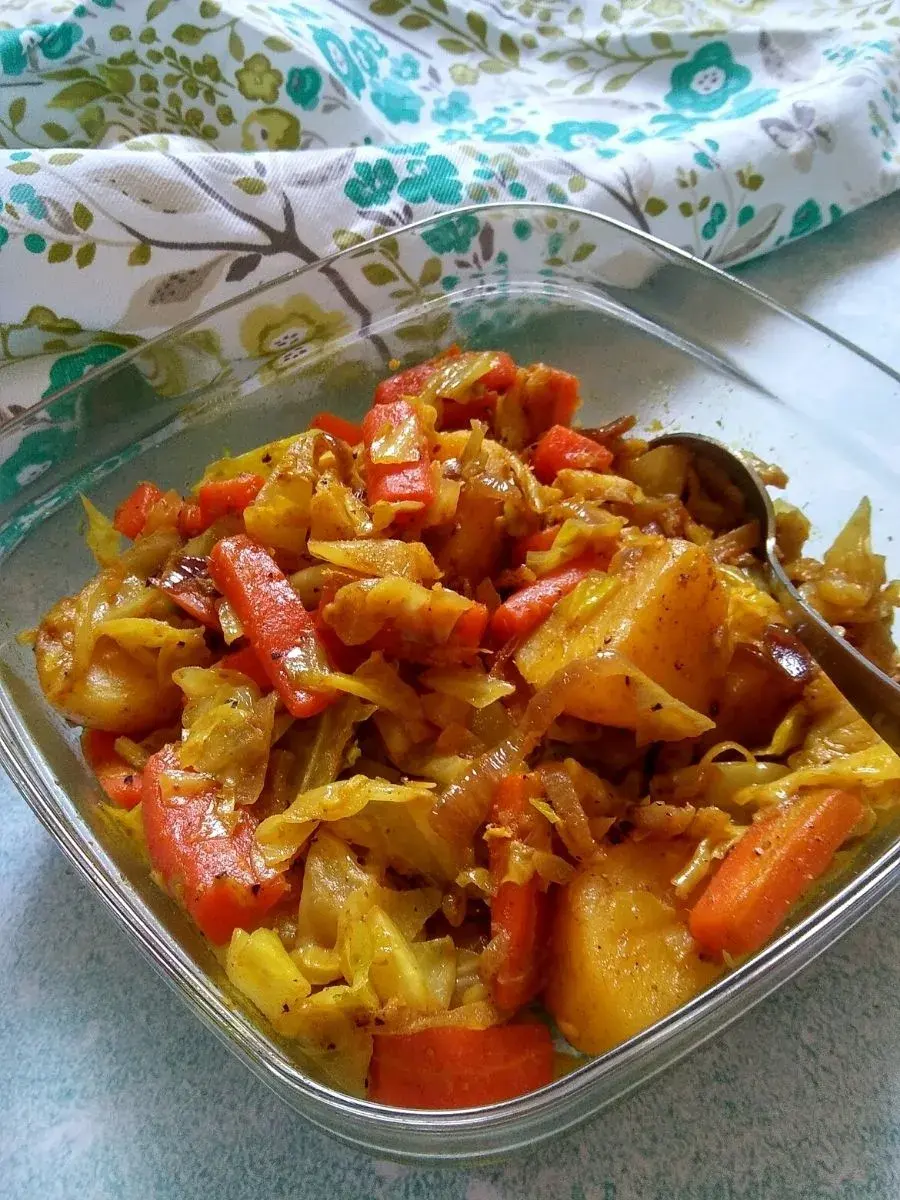
Ethiopian Berbere Cabbage - Atakilt Wat
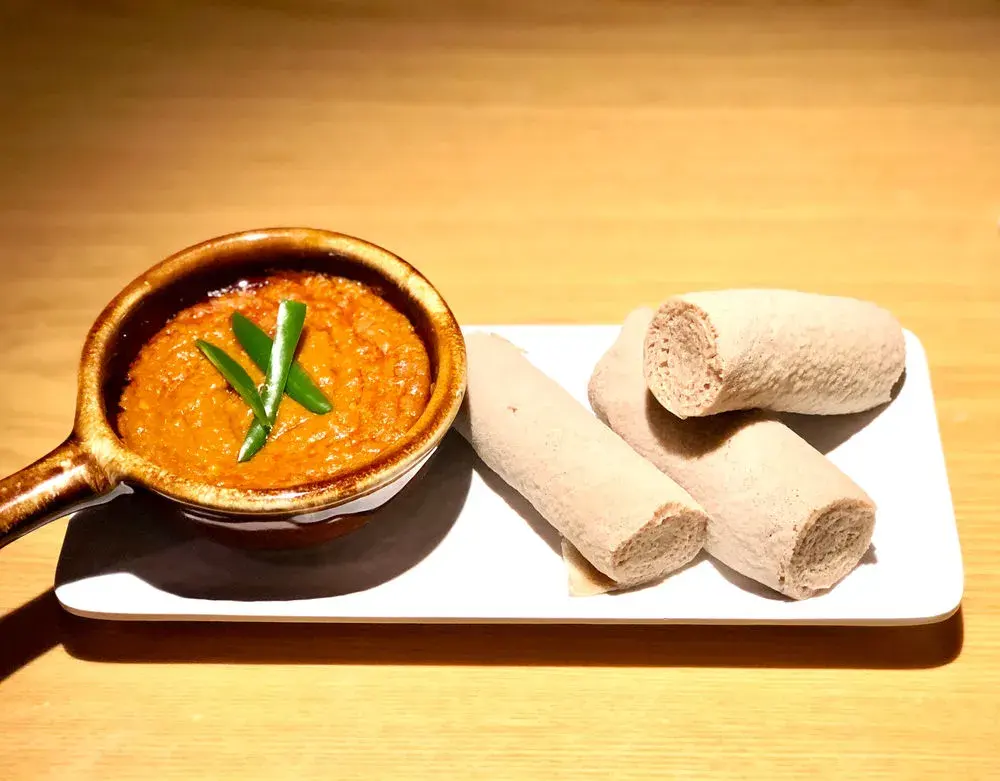
Shiro Wat (Ethiopian Chickpea Stew)
Leaving batter for a whole day no be small thing abeg, you need real patience for this one! The eyes formed nicely on the pan, but mine was slightly too watery because I added a bit too much cold water during the mixing step sha. Tasted good with stews though o.
Ja, that fermentation takes baie patience, my friend! I made the exact same mistake adding too much water the first time. But as long as those eyes form and it tastes lekker with a rich stew, you are sorted. Works brilliant for scooping up potjiekos or leftover braai meat too.
I used fine millet flour from the market here in the Bronx because teff was so hard to find chale. Rested the batter for almost two days to get that proper sour taste. That step where you pour boiling water over the remaining 125g of flour is what gives it the right spongy texture oo, my habesha neighbor even approved.