

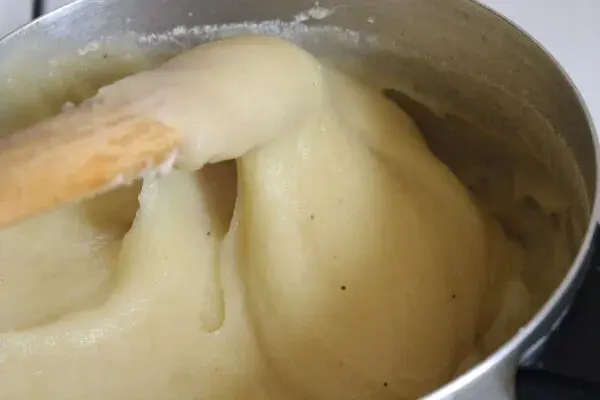
Fufu
Aperçu
Fufu is starch pounded to a smooth elastic mass, and it is among the most widely eaten things in West and Central Africa. The word comes from Twi, spoken in Ghana and Côte d'Ivoire, where it means to mash or to combine, and the sound of a mortar and pestle working in rhythm is the sound of fufu being made. What goes into it depends entirely on where you are. West Africa favours white yam, sometimes with plantain. Central Africa favours cassava. Plantain, cocoyam, semolina, rice and combinations of flours all appear, and each gives a different texture and a slightly different name. That variability is why fufu is better understood as a category than a recipe. It crossed the Atlantic with enslaved West Africans and survived. Foo foo and fou fou in the Caribbean are made with plantain or cornmeal, coocoo in Barbados is the same idea, and Cuban, Jamaican and Puerto Rican versions carry sweet plantain and pork fat. Whatever the base, it is eaten the same way: a piece is pulled off with the fingers, an indentation is pressed in with the thumb, and it is used to scoop soup or stew. It is never eaten alone, and its slightly tangy, near neutral flavour is what lets a heavily seasoned soup do the talking.
Note de Patrimoine AFN
The word fufu derives from the Twi of Ghana and Côte d'Ivoire, meaning to mash or combine. The preparation is documented across West and Central Africa and was carried to the Caribbean by enslaved West Africans, surviving there as foo foo, fou fou and coocoo.
Ingrédients
Les mentions alimentaires sont fournies par les contributeurs à titre indicatif. Elles ne sont pas vérifiées par AFN et dépendent des produits que vous achetez. En cas d’allergie grave, vérifiez vous-même chaque ingrédient. Cuisine, allergies et votre propre jugement
Préparation
- 1
Place the unpeeled yams in a large pot, cover with cold water and bring to a boil over medium high heat.
- 2
Boil for 15 to 30 minutes, until the yams are cooked through and tender.
- 3
Drain and let cool slightly.
- 4
Peel the yams, chop them into large pieces and place them in a large bowl with the salt and pepper.
- 5
Mash with a potato masher until very smooth, or pass through a potato ricer and then mix with the salt and pepper.
- 6
Place the fufu into a large serving bowl.
- 7
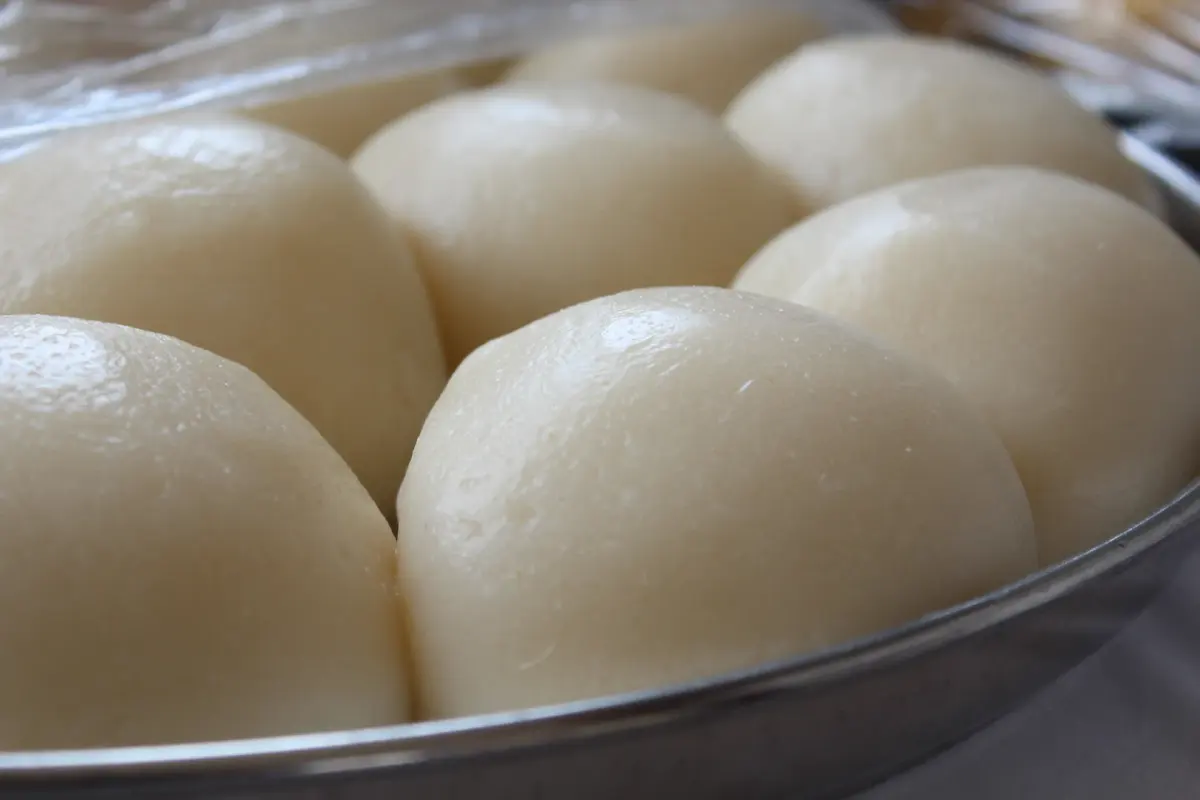
Wet your hands with water, form it into a large ball and serve.
Notes de l’Africook
- Some cooks work butter into the fufu while mashing, which is a Western addition rather than a West African one and makes it no longer vegan.
- A food processor does in minutes what a mortar and pestle takes considerable effort to achieve. Add the hot yam in batches and stop as soon as it is smooth and elastic.
- Work it hot. Yam that has cooled will not come together properly and no amount of mashing will fix it.
- Wet your hands before shaping. Fufu sticks to dry hands and releases cleanly from wet ones.
- Half yam and half plantain is a common combination. Boil the plantains unpeeled alongside the yams, then peel and mash together.
- Wrapped tightly in plastic it keeps four to five days refrigerated. Bring to room temperature or reheat in a microwave wrapped in damp paper towel.
Questions fréquentes
What is fufu made from?
It depends on the country. White yam is most common in West Africa, sometimes mixed with plantain. Central Africa favours cassava. Cocoyam, plantain, semolina, rice and blends of flours are all used. The word describes the pounding technique and the result rather than one ingredient, which is why fufu varies so much across the region.
How is fufu eaten?
With the hands. A small piece is pulled off, an indentation is pressed into it with the thumb, and it is used to scoop up soup or stew and swallowed rather than chewed. It is never eaten alone. Alternatively the stew is spooned around a large ball of it in an individual bowl.
Can I make fufu without a mortar and pestle?
Yes. A food processor with strong blades does the job in minutes: add the hot cooked starch in batches and process until smooth and stretchy. A potato ricer followed by vigorous mashing also works. Instant fufu flour, prepared by stirring into boiling water, is the third route and is what many households use.
Is fufu the same as ugali or pounded yam?
Related but not the same. Ugali is East and Southern African, made from maize flour stirred into boiling water. Pounded yam is Nigerian and specifically yam, smoother and more elastic than most fufu. Fufu is West and Central African and can be made from several starches. All three are eaten the same way.
Avis
6 avis
Had to trek down to the Afro-Caribbean grocer on City Road in Cardiff to get proper white yams because Tesco only had sweet potatoes. The potato ricer definitely saved my arms, mashing two pounds of yam with a standard handheld masher left it far too lumpy on my first attempt.
Herh, sweet potato fufu would have been wrong oo! Good thing you went for the real white yam. Chale, the potato ricer is clever paa if you don't have a mortar, but try beating it hard with a wooden spoon right after ricing so it gets proper smooth and stretchy.
adding pepper inside the boiled yam while mashing is new to me, back home in Kano we don't put black pepper in the yam itself. but i tried passing it through ricer like you said and it came out very smooth o. e sweet with okra soup!
Halima, that ricer trick is a lifesaver. Sourcing real yam here in Dubai is not easy, so I cannot afford to ruin a batch with lumps! The pepper inside the mash was new for me as well coming from Kenya where we eat ugali plain, but it goes so well with okra and a good nyama stew. Sawa, now I will always use the ricer.
boiling the yam with the skin still on took almost 45 minutes for my white yam to soft properly, 30 min was not enough at all sha. but mashing it after peeling was much easier than pounding in mortar. good result at the end.
The imported white yams we get here in Seattle are always so dense, 30 minutes is never enough! Mashing is such a smart adaptation in a US kitchen. It reminds me of adjusting my injera fermentation times for the cold weather here, you have to modify the traditional labor to get the right result for the mesob.