
Aperçu
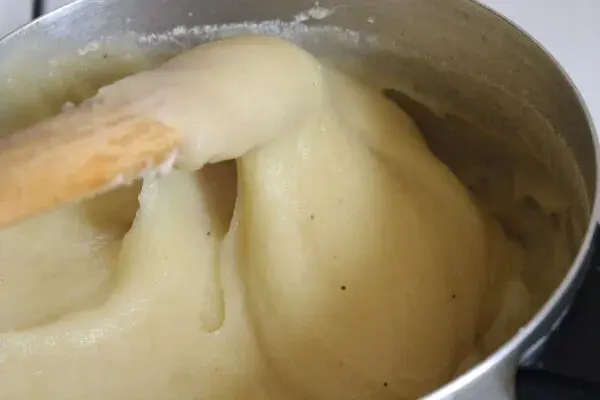
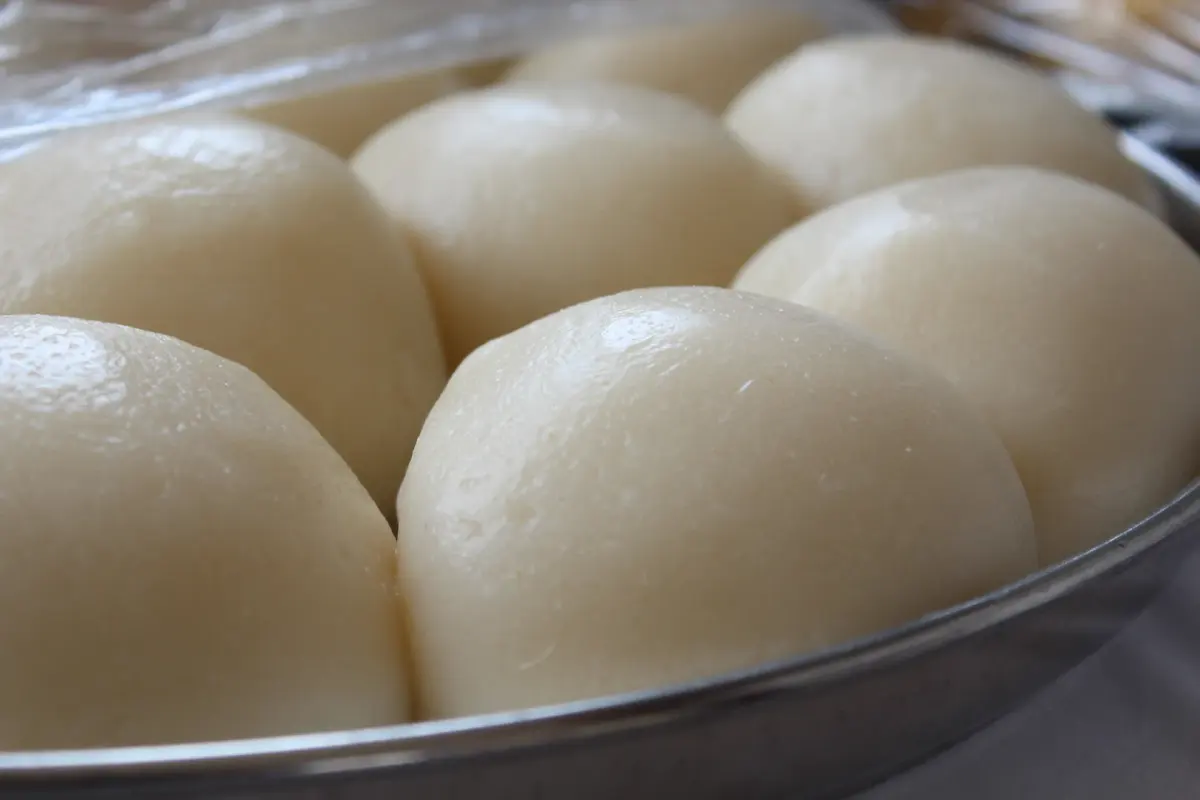
Placali is fermented cassava paste, cooked to a smooth elastic mass and eaten with soup. It is one of the principal swallows of Côte d'Ivoire, and it is also eaten in Togo, where it is known as agbelima koumè. The fermentation is what separates it from the many other cassava preparations of the region. Cassava is grated, crushed and left for two days before any cooking, and the acidity that develops gives placali a distinct sourness that plain cassava fufu does not have. The texture is looser and stickier than pounded fufu, and it is deliberately kept that way: the amount of water left in before cooking decides how soft the finished placali will be, and Ivorian cooks adjust it to preference. Cassava reached West Africa from South America through Portuguese Atlantic trade, and Côte d'Ivoire has built an unusually large part of its food on it. Attiéké, the fermented cassava couscous, gari and tapioca all come from the same root, and placali sits alongside them as the swallow form. It is eaten with palm nut soup, okra sauce or kpala, and the pairing with a rich palm based soup is the one most associated with it.
Note de Patrimoine AFN
Cassava reached West Africa through Portuguese Atlantic trade routes from South America in the 16th century and became a staple crop of Côte d'Ivoire, where it is processed into attiéké, gari, tapioca and the fermented paste eaten as placali. The dish is also eaten in Togo as agbelima koumè.
Ingrédients
Les mentions alimentaires sont fournies par les contributeurs à titre indicatif. Elles ne sont pas vérifiées par AFN et dépendent des produits que vous achetez. En cas d’allergie grave, vérifiez vous-même chaque ingrédient. Cuisine, allergies et votre propre jugement
Préparation
- 1
Chop the tip and tail off the cassava root. Cut down the entire length with a sharp knife and peel away the brown skin and the thick white layer beneath it.
- 2
Cut the peeled root into pieces, wash, grate and crush the cassava. Sieve it if the crushed cassava is very fibrous.
- 3
Transfer the crushed cassava to a bowl, cover, and leave to ferment for 2 days.
- 4
Put the fermented cassava in a saucepan, add a little water and mix until the consistency is liquid. Set aside.
- 5
Before cooking, pour off the water that has separated on top. The more water you leave, the softer the placali will be.
- 6
Place the saucepan over heat and cook, turning constantly, until the mixture becomes compact.
- 7
Continue over low heat, turning without pause with a spatula, until the dough thins and then begins to tighten. Work it energetically at this point and cook for 5 to 10 minutes more, until the dough no longer sticks.
Notes de l’Africook
- How much of the separated water you pour off decides the final texture. Leave more for a softer placali, less for a firmer one, and decide before you start cooking because it cannot be adjusted afterwards.
- The turning is continuous and physical throughout. Placali passes through a stage where it thins before it tightens, and stopping during that stage leaves it lumpy.
- Two days of fermentation is the minimum for the sourness that defines the dish. A shorter ferment gives you cassava paste rather than placali.
- Sieve the crushed cassava if it is fibrous. Fibre that goes in will still be there at the end and is unpleasant in a swallow.
- Palm nut soup is the classic partner, with okra sauce and kpala the other standards.
Questions fréquentes
What is the difference between placali and cassava fufu?
Fermentation and texture. Placali is made from cassava that has been grated, crushed and left to ferment for two days, which gives it a distinct sourness. Cassava fufu is generally made from unfermented or briefly fermented cassava and is milder. Placali is also softer and stickier, where fufu is worked to a firmer, more elastic ball.
Can I make placali from cassava flour instead of fresh root?
Not the same dish. The fermentation happens in the wet crushed cassava over two days and is what gives placali its character, and dried flour has already been processed past that point. Fermented cassava dough, sold frozen or refrigerated by African grocers as agbelima, is the practical shortcut and gets you most of the way.
What is placali eaten with?
Palm nut soup is the pairing most associated with it in Côte d'Ivoire, and okra sauce and kpala are the other standards. It suits rich, heavy soups because it is soft and mildly sour, and a thin broth will simply slide off it. It is eaten by hand, pinched off and used to lift the soup.
How do I know when placali is properly cooked?
When the dough stops sticking. It passes through a stage of thinning before it tightens and becomes compact, and it is finished when it pulls away cleanly and no longer clings to the spatula or your fingers. That usually comes 5 to 10 minutes after the tightening begins. Undercooked placali tastes raw and starchy.
Avis
Soyez le premier à noter cette recette
Vous l’avez cuisinée ? Votre note aide la personne suivante à se décider.
Aucun avis sur cette recette pour le moment. Si vous l’avez cuisinée, le vôtre serait le premier.