

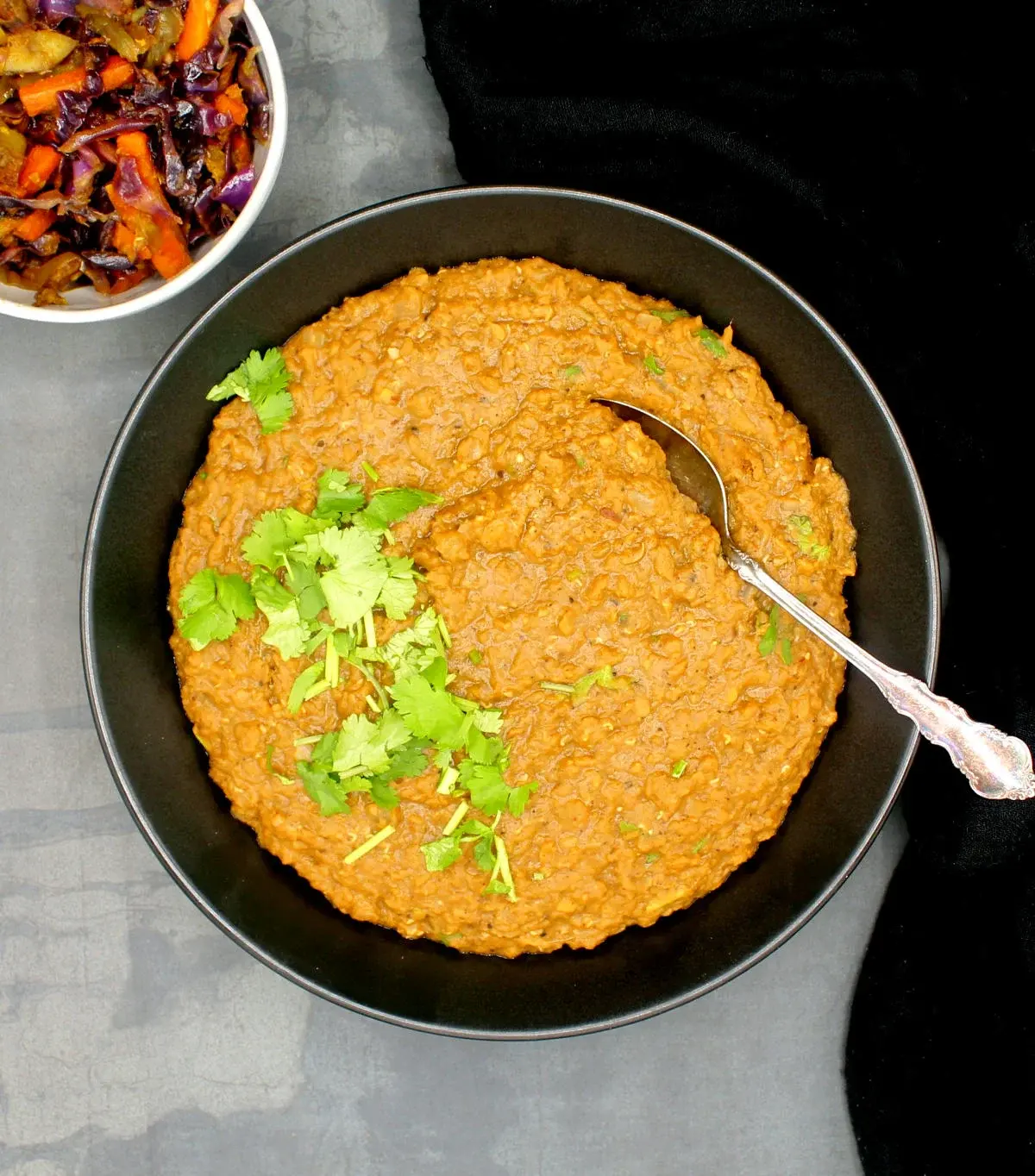
Misir Wot (Ethiopian Spiced Red Lentils)
Aperçu
Misir Wot is one of Ethiopia's most widely eaten and internationally celebrated dishes, a deeply spiced red lentil stew made with berbere spice blend and niter kibbeh (Ethiopian spiced butter) that develops extraordinary depth and complexity from such simple ingredients. The lentils break down completely during cooking, creating a thick, creamy stew that carries the bold spice profile throughout. The dish is a staple of the Ethiopian Orthodox Christian fasting diet, during which meat and dairy are avoided for significant portions of the year. It is one of the dishes that has made Ethiopian vegetarian and vegan cooking celebrated globally, proof that plant-based food can be intensely flavourful and deeply satisfying.
Note de Patrimoine AFN
Misir Wot is embedded in the fasting food tradition of the Ethiopian Orthodox Christian Church, which observes approximately 180 fasting days per year during which plant-based foods are eaten exclusively. Lentils have been a dietary staple in the Horn of Africa for millennia, with evidence of cultivation in the region dating back thousands of years. The combination of lentils with berbere spice is one of the oldest and most continuously practised culinary traditions in Ethiopia.
Ingrédients
Les mentions alimentaires sont fournies par les contributeurs à titre indicatif. Elles ne sont pas vérifiées par AFN et dépendent des produits que vous achetez. En cas d’allergie grave, vérifiez vous-même chaque ingrédient. Cuisine, allergies et votre propre jugement
Préparation
- 1Make the mekelesha spice blend
In a dry skillet over medium-low heat, toast the cardamom pods until fragrant. Crack open the pods with the back of a knife, the bottom of a solid glass, a mortar and pestle or just your fingers and remove the seeds. Grind the cardamom seeds in a mortar and pestle or spice grinder. You will need 1/2 teaspoon of the ground spice.
- 2
In a small bowl, blend the cardamom, cinnamon, cloves and black pepper. You’ll need only 1/2 teaspoon for this recipe. (Store the rest in a cool, dry place for future misir wot batches or other stews and curries.)
- 3Make the lentils
Place the lentils in a large bowl or colander, and pick over and discard any debris. Rinse the lentils until the water runs mostly clear (a little cloudy is okay, but you’ll see it turn from almost white to much more transparent as you go).
- 4
In a 12-inch nonstick skillet over medium-low heat, warm the oil. You may see a little rippling, but not much since the pan won’t get too hot. Add the onions and cook, stirring occasionally, until soft and translucent, about 10 minutes. Add the garlic and ginger and cook, stirring constantly, until aromatic, about 1 minute. Stir in the berbere and nigella along with a splash of water. Cover the skillet, reduce the heat to low and cook for 10 minutes. Uncover, stir, add another splash of water and cook for 5 minutes. Repeat the process every 5 minutes until the onions have cooked for a total of 25 to 30 minutes (no need to add more water at the end unless it’s looking very dry). Don’t rush the process or crank up the heat: The goal is to get the onions very soft and cooked down to almost a paste, as well as rounding out the berbere flavor and darkening its color.
- 5
Stir in the lentils, 2 cups of water and 1 teaspoon of salt. Increase the heat to medium-high and bring the mixture just to a boil. Reduce the heat to medium, or as needed, to maintain a gentle simmer. Stir occasionally, adding water as you go along to ensure the lentils cook through and the dish doesn’t dry out. You should use about 3 cups of water total. If you prefer a soupier stew, use more. Cook until the lentils are tender but not mushy, with just a bit of bite, 10 to 12 minutes, stirring in the 1/2 teaspoon of the mekelesha when they’re almost done. You can choose to cook the lentils longer, or gently mash them, if you want them broken down more. Taste, and season with more salt, if desired.
- 6
Remove from the heat. The misir wot is ready to serve, but will be better if refrigerated overnight, then reheated
Notes de l’Africook
- To achieve a creamy, semi-thick consistency without breaking the lentils, make sure to thoroughly wash them and do not overcook them. When lentils are overcooked, they become heavy and mushy.
- Another technique is to cook the onions in the kibbeh niter slowly before adding the rest of the ingredients. This step is necessary to liberate all of the spices' scents from the spicy clarified butter.
- Also, when caramelizing the onions in the niter kibbeh, be careful not to burn them. As a result, use a wooden spatula to constantly whisk the onion mixture.
- The secret to the success of this spicy Ethiopian lentil stew lies in the cooking. Indeed, the misir wot is a simmered dish that requires slow cooking. The red lentil dish should simmer for 40 minutes to an hour over low heat. It is during this slow cooking that the aromas of misir wot will develop.
- Also, if the water evaporates too quickly, don’t hesitate to add more during cooking. Ideally, add half a glass of water at a time so as not to alter the consistency of the misir wat.
Avis
2 avis
Vous Aimerez Aussi
Voir toutes les recettes Ethiopia →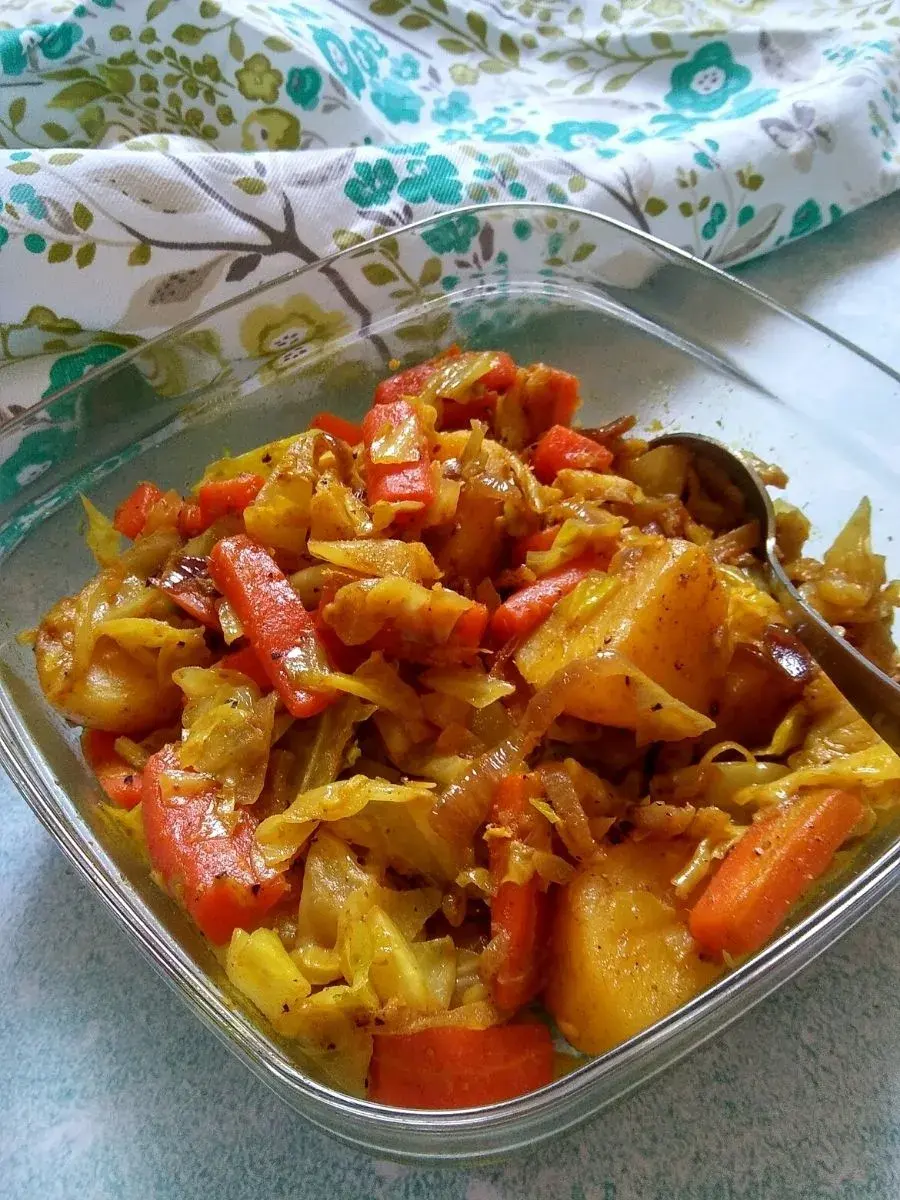
Ethiopian Berbere Cabbage - Atakilt Wat
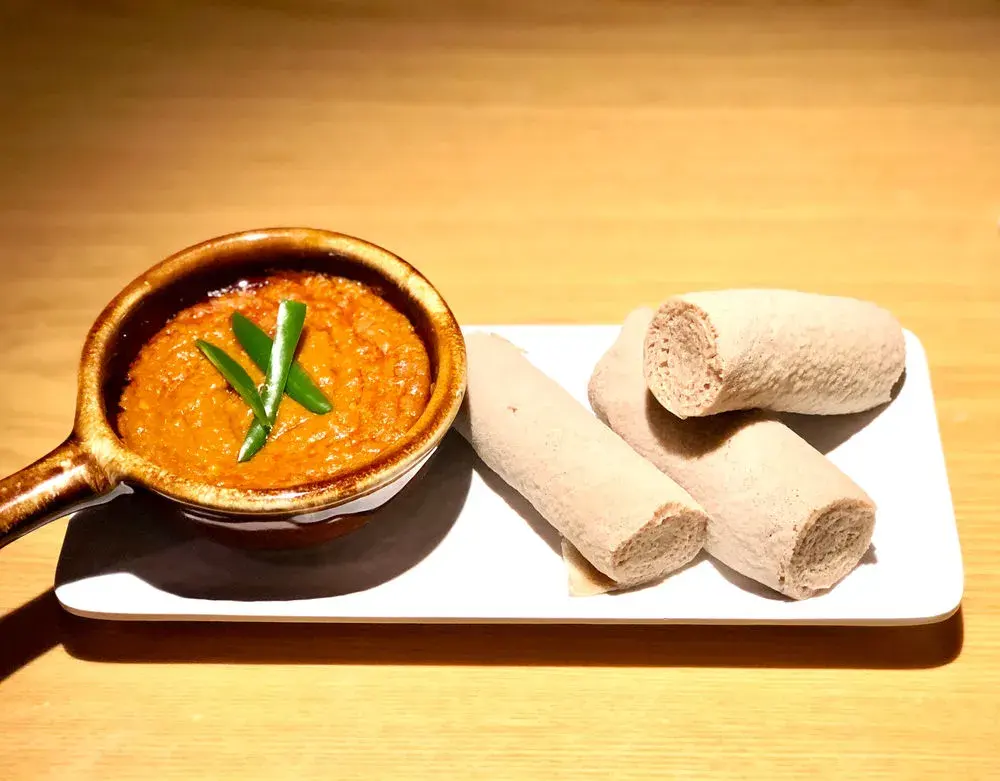
Shiro Wat (Ethiopian Chickpea Stew)
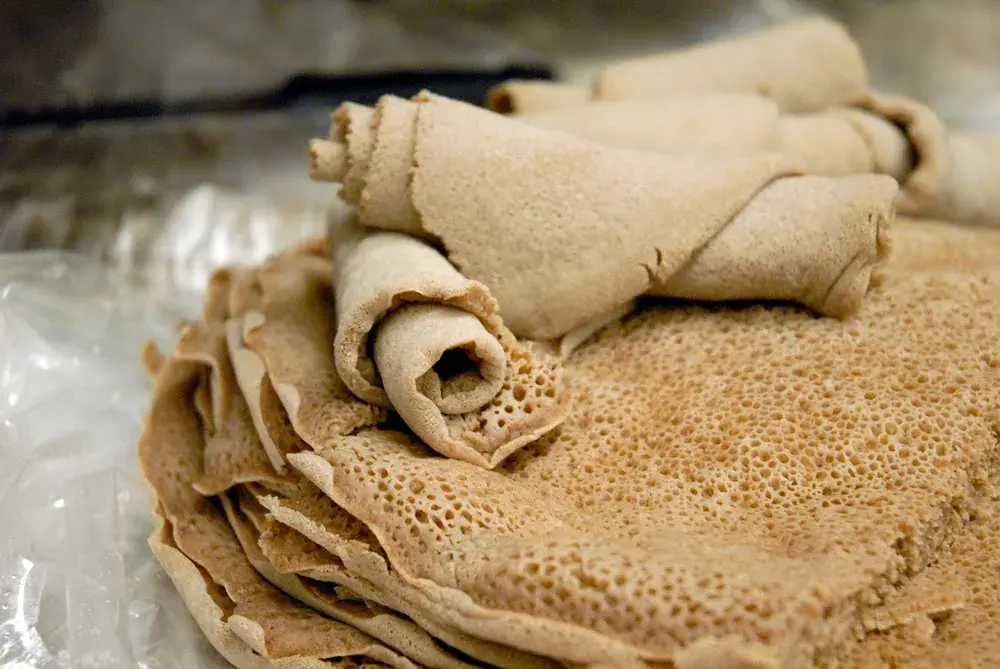
Injera (Ethiopian Flatbread)

Chale the patience needed for those onions is no joke oo! Took me the full 30 minutes cooking them down with the berbere till it turned into that dark paste, but the flavour was incredible paa. Couldn't find pre-ground nigella seeds here in Leeds so had to crush whole ones in my mortar. My habesha friend from university tried it and said the mekelesha blend on top tasted spot-on.
Abeg that mekelesha spice you stir in at the end changed everything! I was thinking the berbere alone was enough o, but when the toasted cardamom and cinnamon hit the hot lentils just before turning off the gas, the smell filled my whole house here in Ibadan. The split red lentils cooked quick too, just about 12 minutes. E sweet no be small thing sha.