
Oven-Baked French Toast
Abuja, Nigeria · Voir toutes les recettes
Aperçu
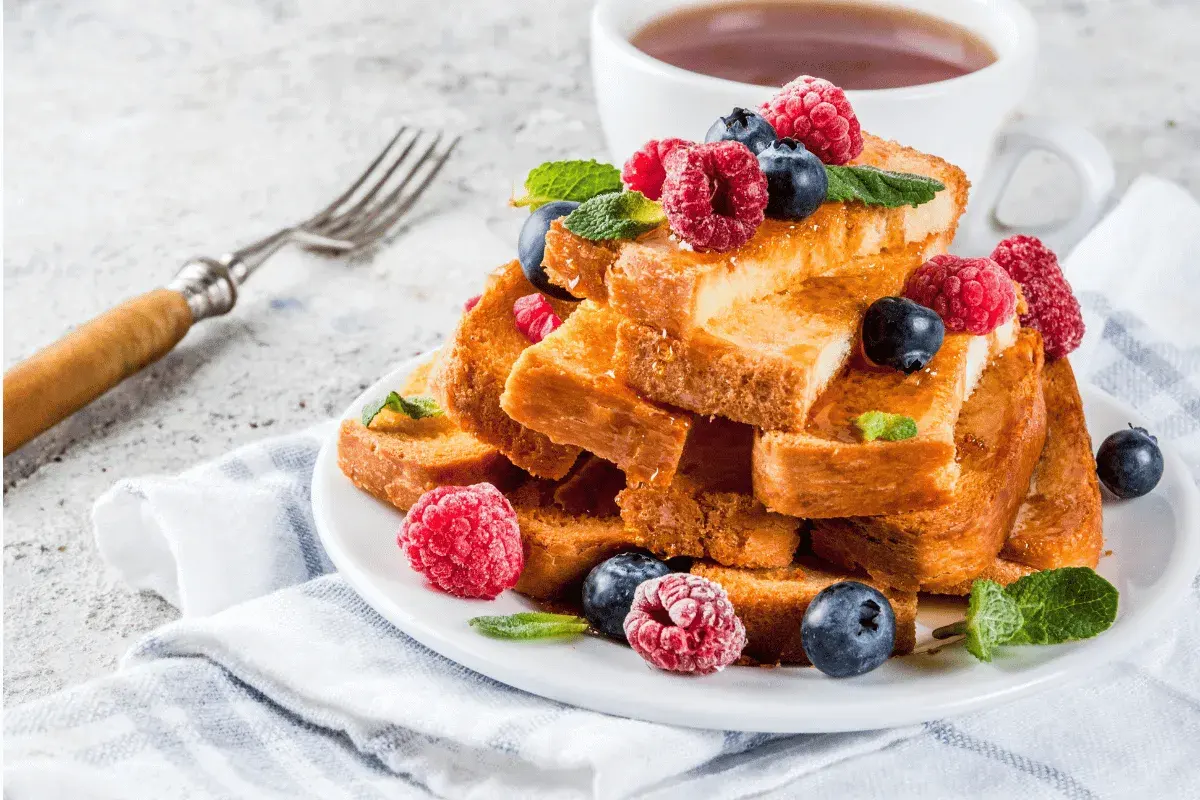
Thick slices of challah or brioche dipped in a cinnamon custard, arranged in a dish and baked. No country is claimed; French toast is European and very old. The difference between this and pan-fried French toast is worth being clear about, because both exist on this site. Pan-frying gives a browned, slightly crisp surface and cooks in minutes, but thick slices often stay wet in the middle. Baking cooks everything through evenly and lets you make eight or ten portions at once instead of two at a time, which is the actual reason people bake it. The trade-off is that you lose the crust. The overnight option is the one worth taking. Assembled the night before and refrigerated, the custard soaks right through the bread rather than sitting near the surface, and the result is noticeably better. It also means the dish goes straight from fridge to oven in the morning, which is presumably the point of a brunch recipe. Bread choice is not negotiable. Challah and brioche are enriched doughs, made with eggs and butter, which gives them the structure to absorb a lot of custard without collapsing. Plain sliced bread turns to mush. A separate pan-fried French toast page exists on this site and the two compete for some searches.
Ingrédients
Les mentions alimentaires sont fournies par les contributeurs à titre indicatif. Elles ne sont pas vérifiées par AFN et dépendent des produits que vous achetez. En cas d’allergie grave, vérifiez vous-même chaque ingrédient. Cuisine, allergies et votre propre jugement
Préparation
- 1
Grease a 9 x 13 inch glass baking dish with butter or nonstick spray.
- 2
Whisk the eggs, milk, sugar, vanilla, cinnamon and salt together in a large bowl until well blended.
- 3
Dip the bread slices one at a time into the egg mixture, letting each soak for 5 to 10 seconds per side.
- 4
Arrange the soaked slices in the dish so they do not overlap.
- 5
Pour any remaining egg mixture evenly over the top.
- 6
Cover with foil and refrigerate overnight if you can. This is optional but it lets the custard soak right through and the result is noticeably better.
- 7
When you are ready to bake, set the oven to 400°F / 200°C.
- 8
Bake covered with foil for 20 minutes, then take the foil off and bake for a further 15 to 20 minutes, until puffed and golden brown.
- 9
Let it cool for 5 to 10 minutes before serving with your choice of toppings.
Notes de l’Africook
 Notes personnelles de Deborah Olayiwola
- Refrigerate it overnight if you can. The custard penetrates the whole slice rather than sitting near the surface, and the difference is real.
- Use challah or brioche. Enriched doughs hold together under a long soak; plain sandwich bread disintegrates.
- Cut the slices thick, an inch. Thin slices cannot hold enough custard to be worth the trouble.
- Cover with foil for the first twenty minutes, then uncover. It cooks through without the top burning.
- Arrange the slices in a single layer without overlapping, or the overlapped parts stay wet.
- Let it stand for a few minutes before serving. It firms up and lifts out far more cleanly.
Questions fréquentes
Why bake French toast instead of frying it?
Two reasons. Thick slices fried in a pan brown on the outside long before the custard in the middle has set, which is why so much home-made French toast is soggy in the centre; the oven cooks it through evenly. And you can make eight or ten portions at once rather than two at a time, which is the practical reason for a brunch dish. What you lose is the crisp browned crust that frying gives.
What bread should I use?
Challah or brioche, both enriched doughs made with eggs and butter, which is what gives them the structure to absorb a lot of custard without falling apart. A firm homemade sandwich loaf works too. Plain sliced supermarket bread is the common choice and the worst one, it turns to mush. Cut whatever you use into inch-thick slices, and slightly stale bread holds up better than fresh.
Do I have to refrigerate it overnight?
No, but it is better if you do. Left overnight, the custard soaks right through the bread instead of concentrating near the surface, and the finished dish is more evenly rich. It also means it goes straight from fridge to oven in the morning, which is the point of a make-ahead brunch recipe. Baking it immediately after assembling works, but the centre of each slice will be drier.
How is this different from the other French toast on this site?
The method. The other page is pan-fried brioche French toast finished in the oven, made a few slices at a time; this one is a baked dish assembled in a tray, closer to a bread and butter pudding in construction. Both are legitimate approaches to the same dish, and both are on this site. They do compete for some of the same searches, which is noted in the flags on each.
Avis
Soyez le premier à noter cette recette
Vous l’avez cuisinée ? Votre note aide la personne suivante à se décider.
Aucun avis sur cette recette pour le moment. Si vous l’avez cuisinée, le vôtre serait le premier.
Vous Aimerez Aussi

Nigerian Fisherman Soup

Amasi Recipe

Pap En Vleis