
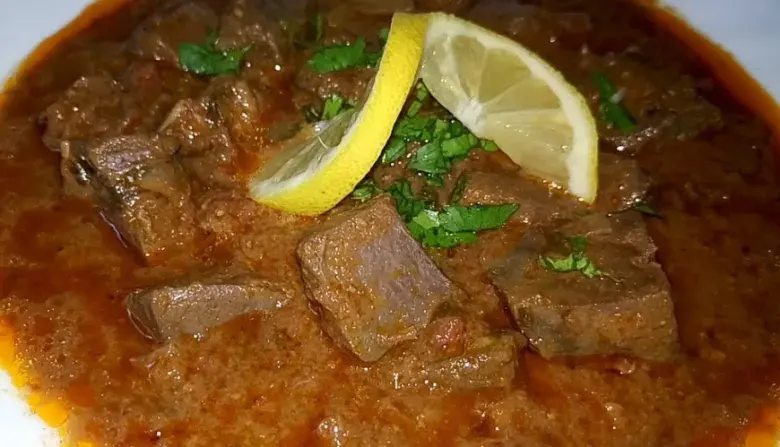
Kamounia (Cumin Beef and Liver Stew)
London, United Kingdom · Voir toutes les recettes
Aperçu
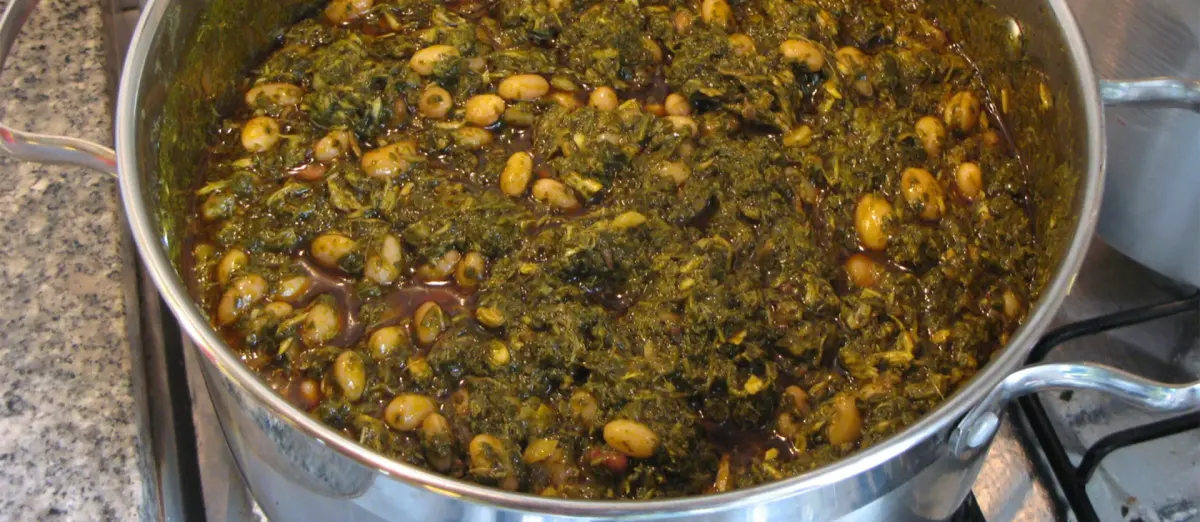
Kamounia is beef and liver cooked slowly in a cumin-heavy sauce. It is made in Sudan, Tunisia and Egypt, and no single country has been assigned. The name is the recipe. Kamoun is Arabic for cumin, and kamounia is the cumin dish, the spice is not one flavour among several but the defining note, used in a quantity that would seem excessive anywhere else. Two teaspoons for half a kilo of meat, added in two stages, is what the source calls for, and the second addition at the end is what keeps the flavour bright rather than cooked flat. Liver alongside beef is the other structural choice. It is not a substitution or an economy, the two are cooked together deliberately, and liver's mineral, faintly bitter character is what cumin is balancing against. The regional versions diverge in one clear way, which the source identifies correctly: the Tunisian version includes harissa, and the Egyptian one does not. That single ingredient changes the dish considerably, and the recipe here follows the Tunisian version since harissa is in the ingredient list. One technique worth noting: the meat and liver are cooked in oil over high heat for the first five minutes with no water at all, which browns them properly before any liquid goes in.
Note de Patrimoine AFN
Kamounia is a cumin-flavoured stew of beef and liver made in Sudanese, Tunisian and Egyptian cooking. The name derives from kamoun, the Arabic word for cumin. Tunisian versions include harissa, which Egyptian versions do not.
Ingrédients
Les mentions alimentaires sont fournies par les contributeurs à titre indicatif. Elles ne sont pas vérifiées par AFN et dépendent des produits que vous achetez. En cas d’allergie grave, vérifiez vous-même chaque ingrédient. Cuisine, allergies et votre propre jugement
Préparation
- 1
Cut the beef and the liver into pieces of a similar size.
- 2
Pour the olive oil into a large pan, pot or casserole and bring it up to heat.
- 3
Put in the meat and liver and cook over high heat, turning them carefully and often, for at least 5 minutes with no water at all. This browns them properly.
- 4
Work in the tomato purée and the harissa if you are using it, and cook until the meat is tender.
- 5
Mix in one teaspoon of the cumin, then the turmeric, red pepper, salt and black pepper, along with water to the consistency you want. Cook for 30 to 40 minutes.
- 6
Once the meat is cooked through, put in the garlic cloves and the remaining teaspoon of cumin.
- 7
Cook for a further 5 to 10 minutes and serve hot with rice.
Notes de l’Africook
 Notes personnelles de Nympha Nzeribe
- Add the cumin in two stages. The second addition at the end is what keeps the flavour bright rather than dulled by long cooking.
- Brown the meat and liver properly before any water goes in. Five minutes over high heat, dry, is the instruction and it matters.
- Do not overcook the liver. It goes from tender to grainy quickly, so cut it larger than the beef if you want it to survive the full cook.
- Harissa makes it Tunisian; leaving it out makes it Egyptian. Both are correct.
- The garlic goes in near the end, whole rather than crushed. It softens into the sauce without dominating it.
- It is served with rice, which soaks up a sauce that is deliberately generous.
Questions fréquentes
What does kamounia mean?
It comes from kamoun, the Arabic word for cumin, and names the dish after its defining flavour. That is not a poetic gesture, cumin is used here in a quantity that would be unusual elsewhere, two teaspoons for a kilo of meat, and added in two separate stages so it is both cooked into the sauce and fresh at the end. Without that quantity of cumin the dish is simply a beef and liver stew.
Why beef and liver together?
Because the combination is the dish rather than a substitution or an economy measure. Liver has a mineral, faintly bitter, iron-rich character that beef does not, and the heavy cumin is balancing against exactly that. Cooked together, the liver also releases into the sauce and gives it a depth that beef alone would not produce. Mutton liver is what the source specifies; beef liver works and is milder.
What is the difference between the Tunisian and Egyptian versions?
Harissa. The Tunisian version includes it, giving a hotter, more complex sauce with the chilli and caraway notes harissa carries; the Egyptian version does not, so the cumin stands more exposed. Sudanese versions exist too and lean on the same base. The recipe here includes harissa, following the source's ingredient list, but leaving it out is a legitimate variation rather than a compromise.
What is it served with?
Rice, most commonly, the sauce is deliberately loose enough to want something to absorb it. Bread works equally well for the same reason. It is a substantial main course and does not need much beside it, though a sharp salad cuts through the richness of the liver. In Tunisian households it would often appear as part of a larger spread rather than alone.
Avis
Soyez le premier à noter cette recette
Vous l’avez cuisinée ? Votre note aide la personne suivante à se décider.
Aucun avis sur cette recette pour le moment. Si vous l’avez cuisinée, le vôtre serait le premier.