
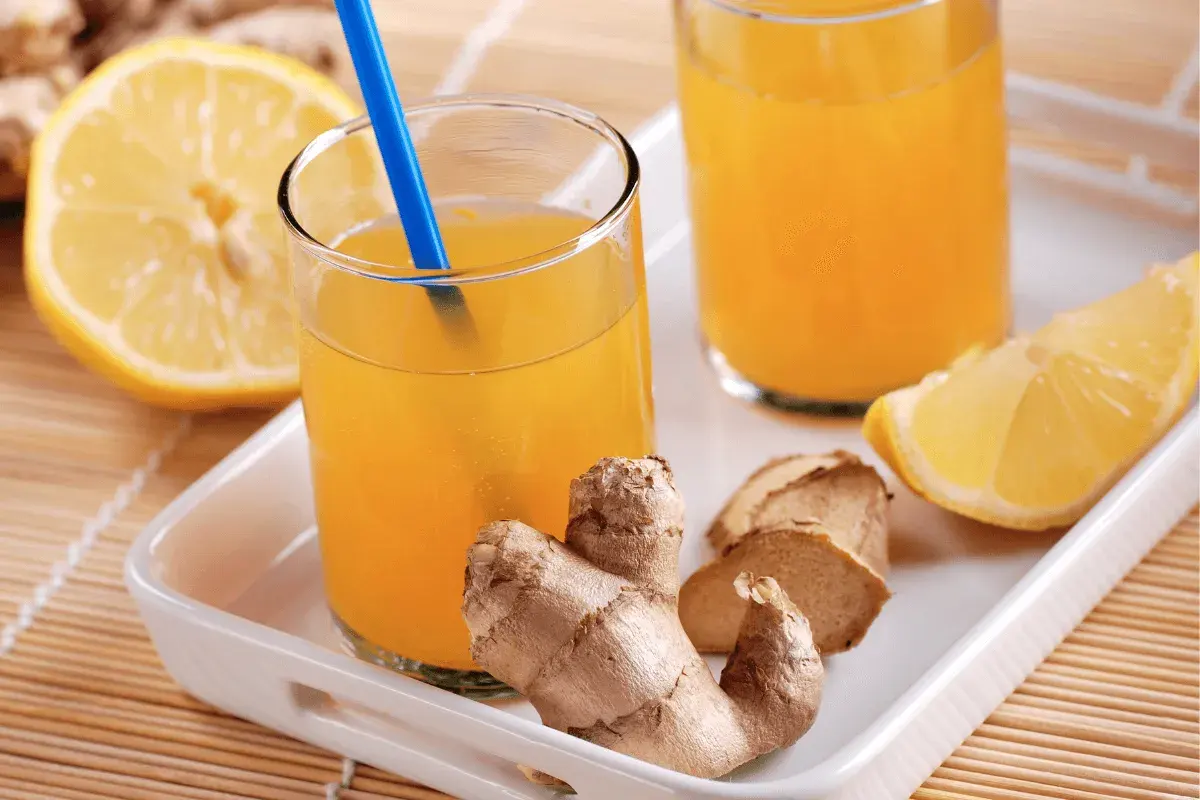
Ginger, Lemon and Mint Juice
Abuja, Nigeria · Voir toutes les recettes
Aperçu
Fresh ginger blended with lemon juice and mint, strained, sweetened with honey and diluted with water. No country is named in the source. Ginger drinks are made across West Africa and the drink here sits comfortably in that company, Nigerian and Ghanaian ginger drinks, often fermented and spiced, are everyday refreshments, and ginger appears throughout the region's cooking. The version here is simpler and unfermented: blend, strain, sweeten, dilute. It is closer to a fresh juice than to the traditional spiced brews. The straining step is what makes it drinkable. Ginger is intensely fibrous, and blended ginger that has not been strained is unpleasant to drink however good the flavour. Pressing the solids in the sieve with a spoon extracts a surprising amount of additional liquid, which is worth doing. Adjust the dilution to taste. Five parts water to the blended base is a starting point rather than a rule, and raw ginger in quantity is genuinely fierce. **A note on the source.** It makes extensive medical claims, that the drink boosts immunity, supports heart health, manages blood sugar, detoxifies the liver and reduces muscle soreness. None of that has been carried across. It is a sharp, refreshing drink, which is a good enough reason to make it.
Ingrédients
Les mentions alimentaires sont fournies par les contributeurs à titre indicatif. Elles ne sont pas vérifiées par AFN et dépendent des produits que vous achetez. En cas d’allergie grave, vérifiez vous-même chaque ingrédient. Cuisine, allergies et votre propre jugement
Préparation
- 1
Wash and peel the ginger, then chop it into small pieces so it blends more easily.
- 2
Juice the lemons.
- 3
Wash the mint leaves gently and pat them dry.
- 4
Put the chopped ginger into a blender with the lemon juice and mint leaves.
- 5
Pour in one cup of the water to get the blades moving.
- 6
Blend on high until smooth.
- 7
Set a fine-mesh strainer over a large bowl and pour the blended mixture through it. Press down on the solids with a spoon to extract as much liquid as you can, this makes a noticeable difference to the yield.
- 8
If using honey, warm it gently so it dissolves easily, then mix it into the strained liquid until fully combined. Sugar can go in directly.
- 9
Pour in the remaining five cups of water gradually, mixing as you go, and adjust to taste.
- 10
Serve over ice, garnished with extra mint.
Notes de l’Africook
 Notes personnelles de Deborah Olayiwola
- Strain it properly and press the solids. Ginger is intensely fibrous and unstrained juice is unpleasant to drink.
- Dilute to taste rather than by the recipe. Five parts water is a starting point and raw ginger in quantity is genuinely fierce.
- Warm the honey before mixing it in. Cold honey sinks to the bottom and stays there.
- Use young ginger if you can find it, smoother skin, less fibre, milder heat.
- It keeps for a few days refrigerated, and the ginger flavour strengthens as it stands.
- For a warm version, heat it gently rather than boiling. Boiling drives off the fresh aromatics.
Questions fréquentes
How strong is it?
As written, quite strong, five ounces of raw ginger is a substantial amount and the heat is sharp and lingering. The dilution is where you control it: six cups of water is a starting point, and using more will not spoil the drink. If you want it gentler still, use less ginger rather than more water, since heavy dilution eventually leaves you with faintly gingery water rather than a milder ginger drink.
Why strain it?
Because ginger is extremely fibrous and those fibres do not break down in a blender. Unstrained, the drink is gritty and unpleasant regardless of how good the flavour is. Use a fine-mesh strainer or muslin and press the solids firmly with the back of a spoon, a good deal of liquid is held in the pulp and pressing it out makes a real difference to how much you end up with.
Are there African ginger drinks like this?
Ginger drinks are made across West Africa and are everyday refreshments in Nigeria and Ghana, though the traditional versions are usually spiced and often lightly fermented rather than being simple fresh juices. Ginger also appears throughout the region's cooking. This particular recipe is the simpler unfermented kind. Related drinks on this site include bissap, tamarind juice and tigernut drink, all with their own traditions.
Is ginger juice good for you?
The source makes extensive medical claims for it, immunity, heart health, blood sugar, liver detoxification, muscle soreness, and none of those have been carried across here, because they are not established and this is a recipe site rather than a health one. Ginger is a pleasant, sharp, warming ingredient and this is a refreshing drink. That is the honest basis on which to make it.
Avis
Soyez le premier à noter cette recette
Vous l’avez cuisinée ? Votre note aide la personne suivante à se décider.
Aucun avis sur cette recette pour le moment. Si vous l’avez cuisinée, le vôtre serait le premier.