

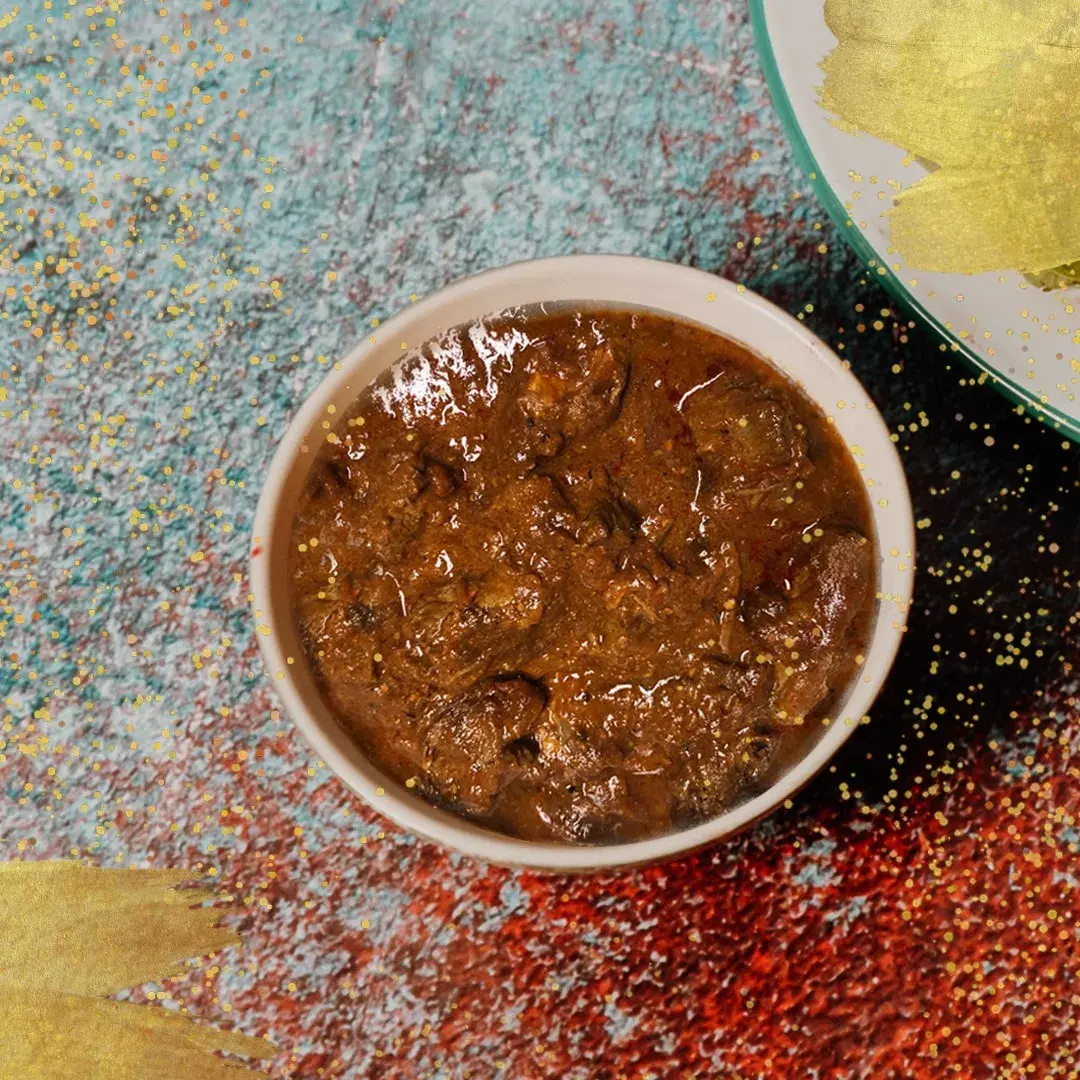
Namibian Venison
Aperçu
Namibia is among the world's significant producers of game meat, and venison there means something more specific than deer. Kudu, springbok, oryx, impala and wildebeest are all farmed and hunted under conservancy systems, and the country's approach to wildlife management, which places conservation and controlled offtake in the same framework, is what allows game to be a normal food rather than an occasional one. That range of species is why Namibian venison is described in the plural. Each animal eats differently: springbok is fine grained and mild, oryx is denser and stronger, kudu sits between them. All are very lean, which is the single fact that governs how they are cooked. Fat is what keeps meat moist over long cooking, and game has almost none, so it is either cooked fast and served rare or braised long and slow with added liquid. Namibian cooking pairs indigenous foodways with the German and Afrikaner traditions left by colonial settlement, and venison appears across all of it: dried into biltong, cooked slowly in a potjie over open embers, or grilled at a braai. The recipe here takes a different route, treating the meat with a yoghurt and whole spice curry, which is a contemporary approach rather than a Namibian one.
Note de Patrimoine AFN
Namibia's game meat production operates through communal and freehold conservancies, a wildlife management system established after independence in 1990 that ties conservation to regulated use. Kudu, springbok, oryx, impala and wildebeest are the species most commonly taken for meat.
Ingrédients
Les mentions alimentaires sont fournies par les contributeurs à titre indicatif. Elles ne sont pas vérifiées par AFN et dépendent des produits que vous achetez. En cas d’allergie grave, vérifiez vous-même chaque ingrédient. Cuisine, allergies et votre propre jugement
Préparation
- 1
Cut the boneless venison into bite sized pieces.
- 2
Marinate the venison with the olive oil, ground cardamom pods, cumin, fennel, ground cardamom, black pepper, turmeric and cloves. Mix well so all the meat is coated. Cover and marinate for at least 1 hour, or overnight.
- 3
Heat the butter and remaining olive oil over medium heat.
- 4
Add the chopped onions and fry until translucent and lightly golden.
- 5
Stir in the sliced red chillies and ground garlic, cooking for 1 to 2 minutes.
- 6
Mix in the desiccated coconut and poppy seeds.
- 7
Increase the heat to medium high, add the marinated venison and sear until browned on all sides, about 5 to 7 minutes.
- 8
Mix in the tomato paste and cook for 2 to 3 minutes.
- 9
Pour in the yoghurt and stir well to combine with the meat and spices.
- 10
Add the chopped tomatoes and mix evenly.
- 11
Reduce the heat to low, cover and simmer gently until the venison is tender, stirring occasionally so it does not stick.
- 12
Sprinkle over the garam masala and mix it in.
- 13
Serve with steamed rice or couscous.
Notes de l’Africook
 Notes personnelles de Deborah Olayiwola
- Game is very lean and unforgiving. It either wants fast cooking to rare, or a long slow braise with liquid. The middle ground gives dry, tough meat, and there is no way back from it.
- Marinate overnight rather than for an hour. It makes a real difference to both tenderness and flavour with a meat that has no fat to carry seasoning.
- Stir the yoghurt in off a hard boil and keep the heat low afterwards. Yoghurt splits at high temperatures and the sauce goes grainy.
- Shoulder suits a long braise; leg is leaner and better cooked faster. Choose the method to the cut rather than the other way round.
- Beef chuck is the closest substitute if venison is unavailable, though it is considerably fattier and will need less added liquid.
Questions fréquentes
What animals does Namibian venison come from?
Kudu, springbok, oryx, impala and wildebeest are the main species, all farmed or hunted under Namibia's conservancy system. Each eats differently: springbok is fine grained and mild, oryx denser and stronger, kudu between the two. All are very lean, which matters more to how you cook them than the species does.
Why does venison come out tough?
Because it has almost no fat, so there is no margin for error. Cook it fast to rare, or braise it long and slow with plenty of liquid, and avoid the middle ground entirely. Marinating helps, and so does choosing the right cut: shoulder for braising, leg for quicker cooking.
Is this a traditional Namibian recipe?
No. The meat is Namibian and the treatment is not. This is a yoghurt and whole spice curry in the Rogan Josh style, which is a contemporary approach rather than a Namibian one. Conventional Namibian preparations are biltong, potjiekos cooked in a three legged pot over embers, and braai.
Can I use beef instead of venison?
Yes, and chuck is the closest match for a braise. The main adjustment is liquid: beef carries considerably more fat than game, so it needs less added moisture and will take slightly longer to become tender. The spicing works unchanged. Lamb shoulder also suits this treatment well.
Avis
2 avis
Vous Aimerez Aussi
Voir toutes les recettes Namibia →
Nigerian Fisherman Soup
Amasi Recipe
Pork Trotters
Four tablespoons of ground cardamom pods sounded like too much o, but I tried it with some fresh game meat here in Abuja. Left it to marinate overnight like you said. The desiccated coconut gave the gravy a very nice rich texture at the end sha, e sweet well well. Took the full two hours on slow heat to get tender.
couldnt get fresh venison shoulder anywhere around croydon so grabbed diced game from the butchers near the station. chale the 4 tbsp of ground cardamom pods seemed mad at first but once it simmered for the two hours with the butter and sliced chillies the smell was unbelievable. spot on.