
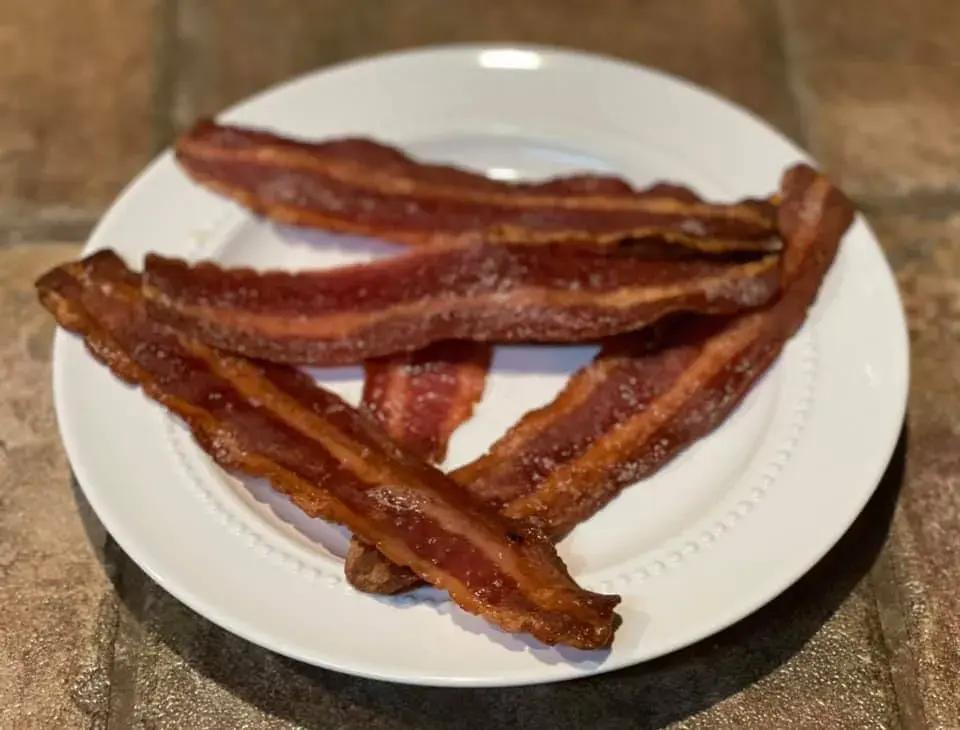
Air Fryer Turkey Bacon
Abuja, Nigeria · Voir toutes les recettes
Aperçu
Turkey bacon strips cooked in an air fryer until crisp. No country is claimed; turkey bacon is an American product. It behaves differently from pork bacon and the difference explains the method. Pork bacon renders a great deal of fat as it cooks, and that fat is what fries the meat, it is essentially cooking itself. Turkey bacon has far less fat, so it dries out rather than frying, and in a pan it tends to stick and to go from limp to leathery without passing through crisp. Circulating hot air handles it better: it dehydrates the surface evenly and crisps it without needing rendered fat to do the work. That also means it needs watching. Six to eight minutes is the window in most machines, and the source is right that timing varies with thickness and with the machine. A minute too long and it is brittle. Whether it is a healthier choice is a more complicated question than the source allows. Turkey bacon is lower in fat and calories than pork bacon, but it is comparably high in sodium and is still a processed meat. The claim has been left out. Turkey is not African and neither is bacon in this form. Africa has its own cured and smoked meats, biltong, kilishi, dambu nama, all on this site.
Ingrédients
Les mentions alimentaires sont fournies par les contributeurs à titre indicatif. Elles ne sont pas vérifiées par AFN et dépendent des produits que vous achetez. En cas d’allergie grave, vérifiez vous-même chaque ingrédient. Cuisine, allergies et votre propre jugement
Préparation
- 1
Bring the air fryer up to 400°F / 200°C for a few minutes.
- 2
Lay the turkey bacon strips in a single layer in the basket. Cut them in half if they are too long to lie flat.
- 3
Cook for about 6 to 8 minutes, turning them halfway through.
- 4
Watch it closely towards the end, turkey bacon has little fat and goes from crisp to brittle quickly.
- 5
The bacon is ready when it is crisp and golden brown.
- 6
Lift it out onto a plate lined with kitchen paper to absorb any excess.
Notes de l’Africook
 Notes personnelles de Deborah Olayiwola
- Watch the last two minutes. Turkey bacon has almost no fat to buffer it and burns fast.
- Lay the strips in a single layer. Overlapping slices steam each other and stay limp.
- Turn them halfway. The underside sits against the basket where air cannot circulate.
- Cook it less if you want it chewy rather than crisp, the source is right that a shorter time gives a different texture.
- Do not oil it. There is no need and it makes the result greasy rather than crisp.
- Timings vary a lot between machines. Treat six to eight minutes as a starting point.
Questions fréquentes
Why does turkey bacon cook differently from pork bacon?
Fat. Pork bacon renders a large amount of it during cooking, and that fat effectively fries the meat, it cooks itself. Turkey bacon has far less, so in a pan it sticks, dries out and goes from limp straight to leathery. Circulating hot air suits it much better: it dehydrates and crisps the surface evenly without needing rendered fat to do the work, which is why an air fryer is genuinely the better tool here.
Is turkey bacon healthier than pork bacon?
It is lower in fat and calories, which is what the source rests its case on. It is also comparably high in sodium and remains a processed meat, so the comparison is narrower than it is usually presented. Whether that adds up to healthier depends on what you are measuring. The health framing has been left out here, turkey bacon is a different product with a different texture, which is a better reason to choose it.
How do I stop it burning?
Watch it, particularly in the last two minutes. There is very little fat in turkey bacon to buffer the heat, so it goes from properly crisp to brittle and scorched quickly. Six to eight minutes is right for most machines but thickness and model both matter a great deal. If you prefer it chewy rather than crisp, take it out earlier, that is a legitimate preference, not undercooking.
Is there an African equivalent?
Not to turkey bacon specifically, but Africa has substantial traditions of cured and dried meat. Biltong is South African air-dried spiced beef; kilishi is the Nigerian sun-dried spiced meat sometimes described as West African jerky; dambu nama is shredded dried beef from northern Nigeria. All three are on this site and all are quite different from bacon, being dried rather than smoked and cured.
Avis
Soyez le premier à noter cette recette
Vous l’avez cuisinée ? Votre note aide la personne suivante à se décider.
Aucun avis sur cette recette pour le moment. Si vous l’avez cuisinée, le vôtre serait le premier.
Vous Aimerez Aussi
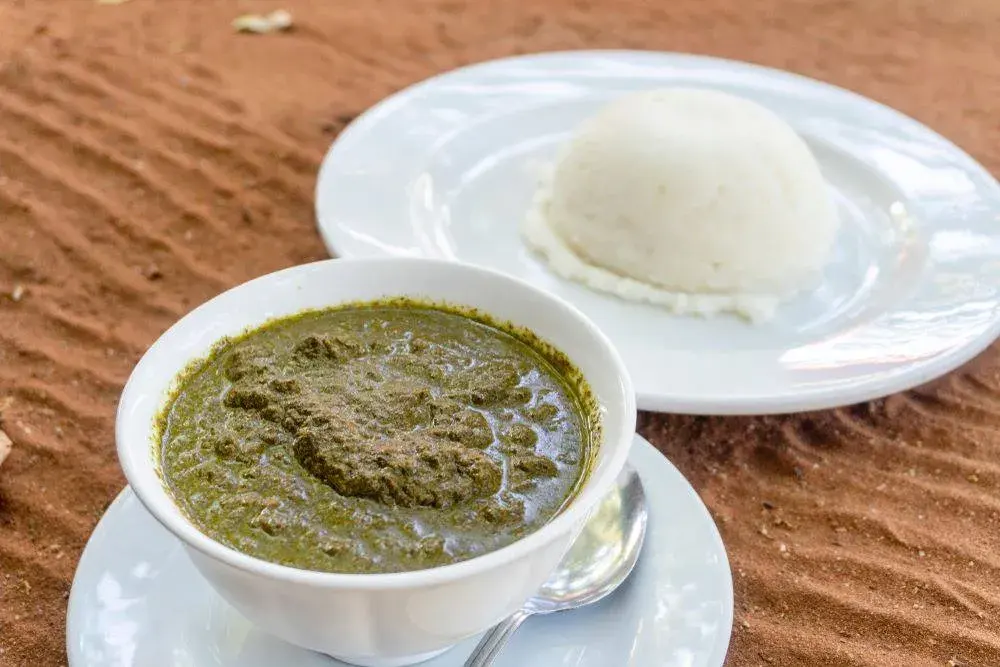
Mozambique Matapa Recipe
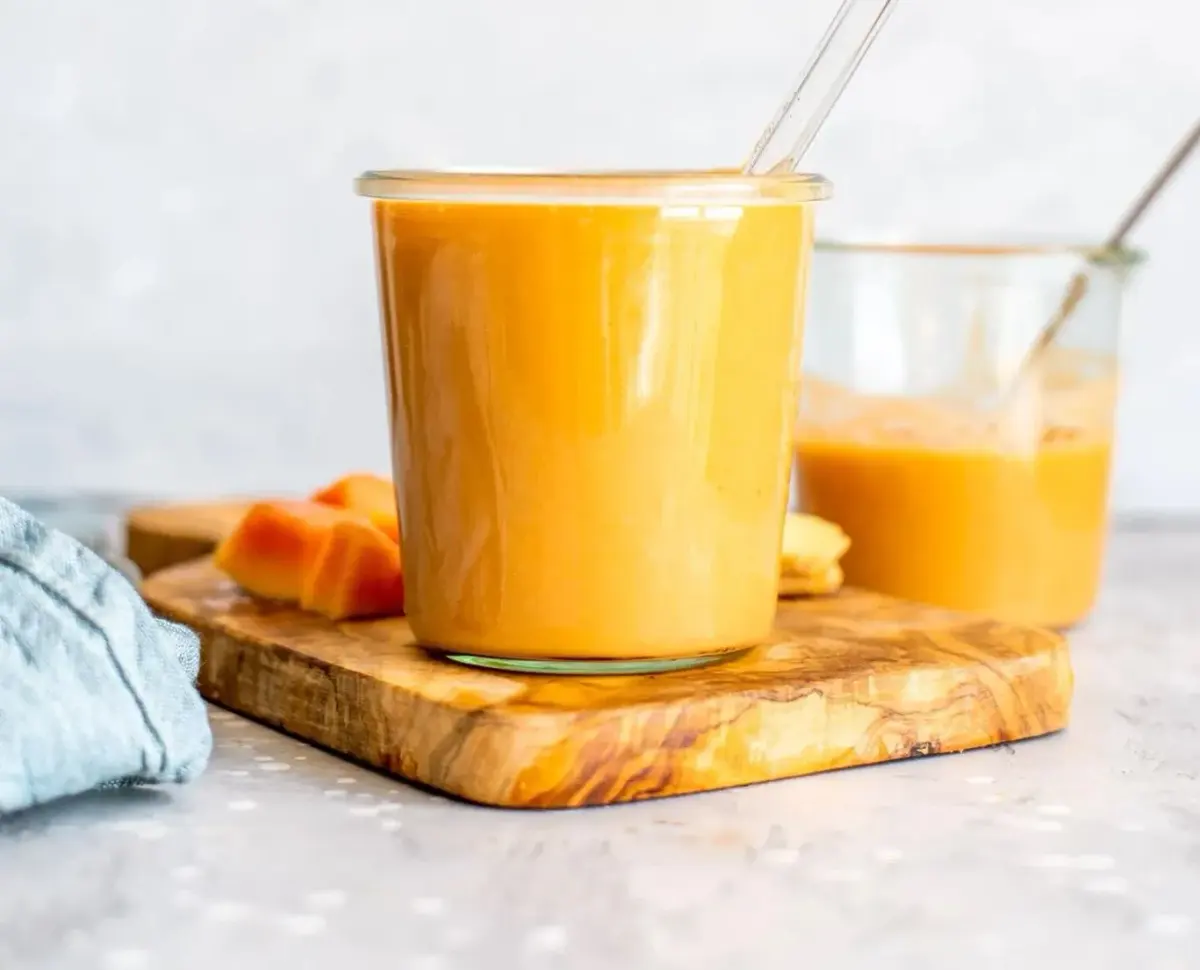
Papaya Smoothie for Weight Loss
Tripe (Mogodu)